
Nov 27 ・ 6 min read
Hiking the Kumano Kodo in Japan: Essential Tips for Your Unforgettable Adventure
The Kumano Kodo, nestled in the spiritual heartland of the Kii Peninsula, Japan, offers more than just a hike; it’s a profound journey through ancient forests, sacred mountains, and serene villages. As one of only two pilgrimage routes in the world designated as a UNESCO World Heritage site (the other being the Camino de Santiago), the Kumano Kodo invites modern-day travelers to follow in the footsteps of emperors, samurai, and commoners who have walked these paths for over a millennium. This sacred network of trails leads to the revered Kumano Sanzan – the Three Grand Shrines of Kumano – offering a unique blend of physical challenge, cultural immersion, and spiritual reflection.
The Spiritual Significance of Kumano Kodo
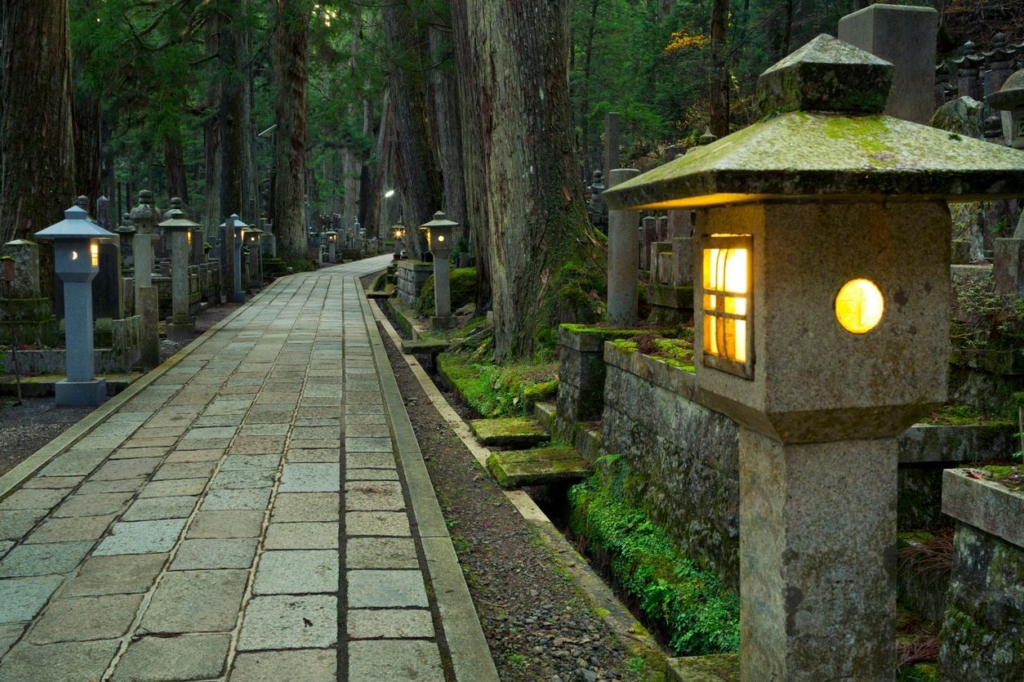
At its core, the Kumano Kodo is a testament to Japan’s deeply rooted spiritual traditions. The pilgrimage routes are interwoven with the beliefs of Shintoism, Japan’s indigenous religion, and Buddhism, which arrived from the Asian mainland. This unique fusion, known as Shinbutsu-shūgō, or the syncretism of Shinto and Buddhism, is vividly expressed throughout the Kumano region. Pilgrims historically embarked on this journey seeking purification, healing, and enlightenment, believing that the deities of Kumano could grant salvation in this life and the next.
The entire Kii Peninsula, particularly the Kumano region, has long been revered as a sacred power spot, a place where nature itself is considered divine. The dense cedar forests, cascading waterfalls, and mist-shrouded peaks evoke a sense of awe and reverence, making the act of walking a meditative experience. The journey is often seen as a metaphor for life itself, with its challenges, moments of beauty, and ultimate destination – a spiritual rebirth at the Grand Shrines. This profound connection to nature and spirituality continues to draw countless individuals seeking a deeper meaning in their travels.
A Brief History of the Kumano Kodo
The history of the Kumano Kodo pilgrimage stretches back over 1200 years, making it one of Japan’s oldest and most revered spiritual paths. Its origins lie in ancient animistic beliefs, where specific natural features like mountains and waterfalls were worshipped as manifestations of deities. With the arrival of Buddhism, these indigenous beliefs gradually merged, forming the unique syncretic practices that define Kumano.
The routes gained prominence during the Heian period (794-1185), when Japanese emperors and imperial court nobles from Kyoto began undertaking arduous pilgrimages to Kumano. These imperial processions, sometimes involving hundreds of people, solidified the Kumano Kodo’s status as a major pilgrimage destination. Over subsequent centuries, the pilgrimage became accessible to all social classes, from samurai to commoners, earning Kumano the moniker “Ants’ Kumano Pilgrimage” (Ari-no-Kumano-mode) due to the sheer number of people flocking to the shrines.
The Kumano Kodo experienced a decline in popularity following the Meiji Restoration in 1868, which mandated the separation of Shinto and Buddhism. However, in recent decades, there has been a significant revival of interest, both locally and internationally. This resurgence culminated in 2004 when the “Sacred Sites and Pilgrimage Routes in the Kii Mountain Range” – including the Kumano Kodo – were inscribed as a UNESCO World Heritage site. This designation brought renewed attention to the historical and spiritual significance of these ancient trails, preserving them for future generations to experience. For more information on the UNESCO designation, you can visit the UNESCO World Heritage Centre website.
The Main Routes of the Kumano Kodo
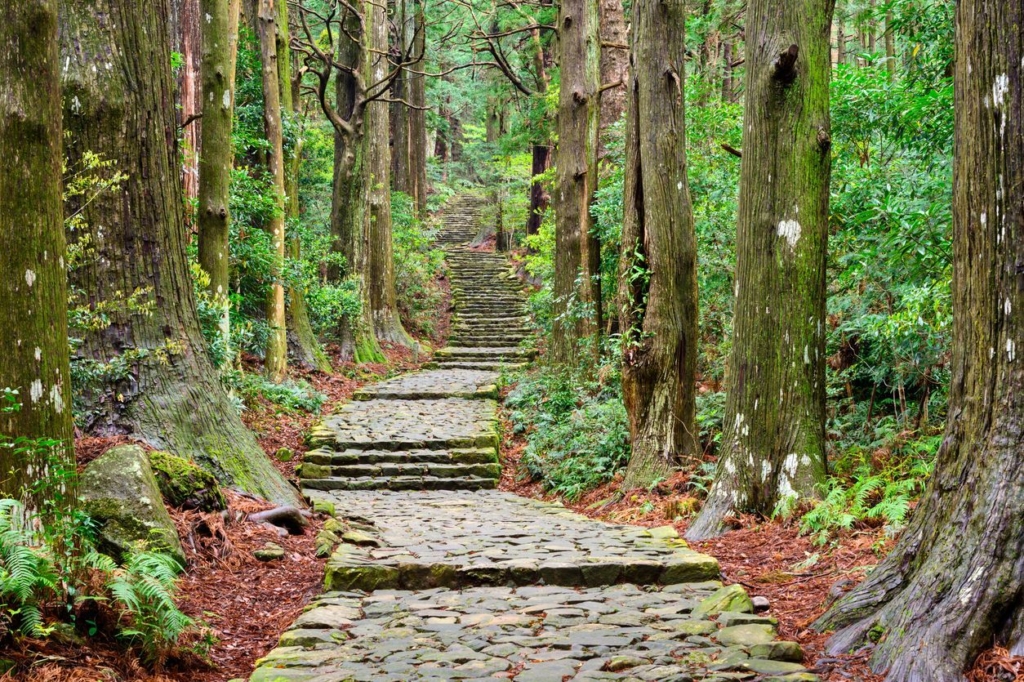
The Kumano Kodo is not a single trail but a vast network of ancient pilgrimage routes crisscrossing the mountainous Kii Peninsula. These UNESCO World Heritage-listed pilgrimage routes have been trodden by emperors, aristocrats, and commoners for over a millennium, leading to the sacred Kumano Sanzan (Three Grand Shrines of Kumano). Understanding the different routes is key to planning your journey, as each offers a unique experience in terms of difficulty, scenery, and historical immersion.
Nakahechi: The Classic Kumano Kodo Experience
The Nakahechi route is by far the most popular and well-maintained route, making it ideal for first-time pilgrims and those seeking a balanced trekking experience. Historically, this was the imperial route, traversed by emperors and their retinues from Kyoto. It offers excellent infrastructure, including clear signage, frequent rest stops, and a good selection of accommodation options. The Nakahechi typically starts from Tanabe City on the west coast, with the official trailhead at Takijiri-oji. It winds through picturesque mountains and traditional villages before reaching the Kumano Sanzan.
Kohechi: For Experienced Hikers
The Kohechi route is a challenging, mountainous route connecting the Kumano Sanzan with the sacred Buddhist monastic complex of Koyasan, another UNESCO World Heritage site. This trail is significantly more demanding than the Nakahechi, featuring steep ascents and descents over three mountain passes exceeding 1,000 meters in elevation. It is a remote trail with fewer services and accommodations, requiring excellent physical fitness, strong navigation skills, and self-sufficiency. Pilgrims typically take 4-5 days to complete the Kohechi, experiencing a profound sense of isolation and wilderness.
Iseji and Other Kumano Kodo Trails
While Nakahechi and Kohechi are the most frequently trekked, other historically significant routes also form part of the Kumano Kodo network:
- Iseji: This route connects the Ise Grand Shrine in Mie Prefecture with the Kumano Sanzan. It features a diverse landscape, including beautiful coastal sections, bamboo groves, and stone-paved passes. While less mountainous than Nakahechi or Kohechi, it is still a multi-day trek that offers a different perspective on the pilgrimage, often with fewer fellow hikers.
- Ohechi: Running along the coast of the Kii Peninsula, the Ohechi route offers stunning ocean views but is less developed for modern trekkers and can be challenging due to overgrown sections and limited facilities.
- Omine Okugake: This is an extremely rigorous and remote ascetic training route connecting Yoshino and Kumano. It is not recommended for casual hikers and is primarily used by Yamabushi (mountain ascetics).
The diverse nature of these trails underscores the historical breadth and spiritual depth of the Kumano Kodo pilgrimage, offering options for every level of hiker, from casual explorers to seasoned adventurers. For a comprehensive overview of the UNESCO World Heritage designation, visit: UNESCO World Heritage Centre.
A Journey of Renewal on the Kumano Kodo in Japan
Walking the Kumano Kodo in Japan is more than a hike—it is a transformative pilgrimage that invites travelers to slow down, reconnect with nature, and rediscover inner clarity. The Kumano Kodo trail Japan, shaped by over a thousand years of footsteps, guides you through ancient forests, sacred shrines, and quiet mountain villages, offering a rare balance of physical challenge and spiritual reflection.
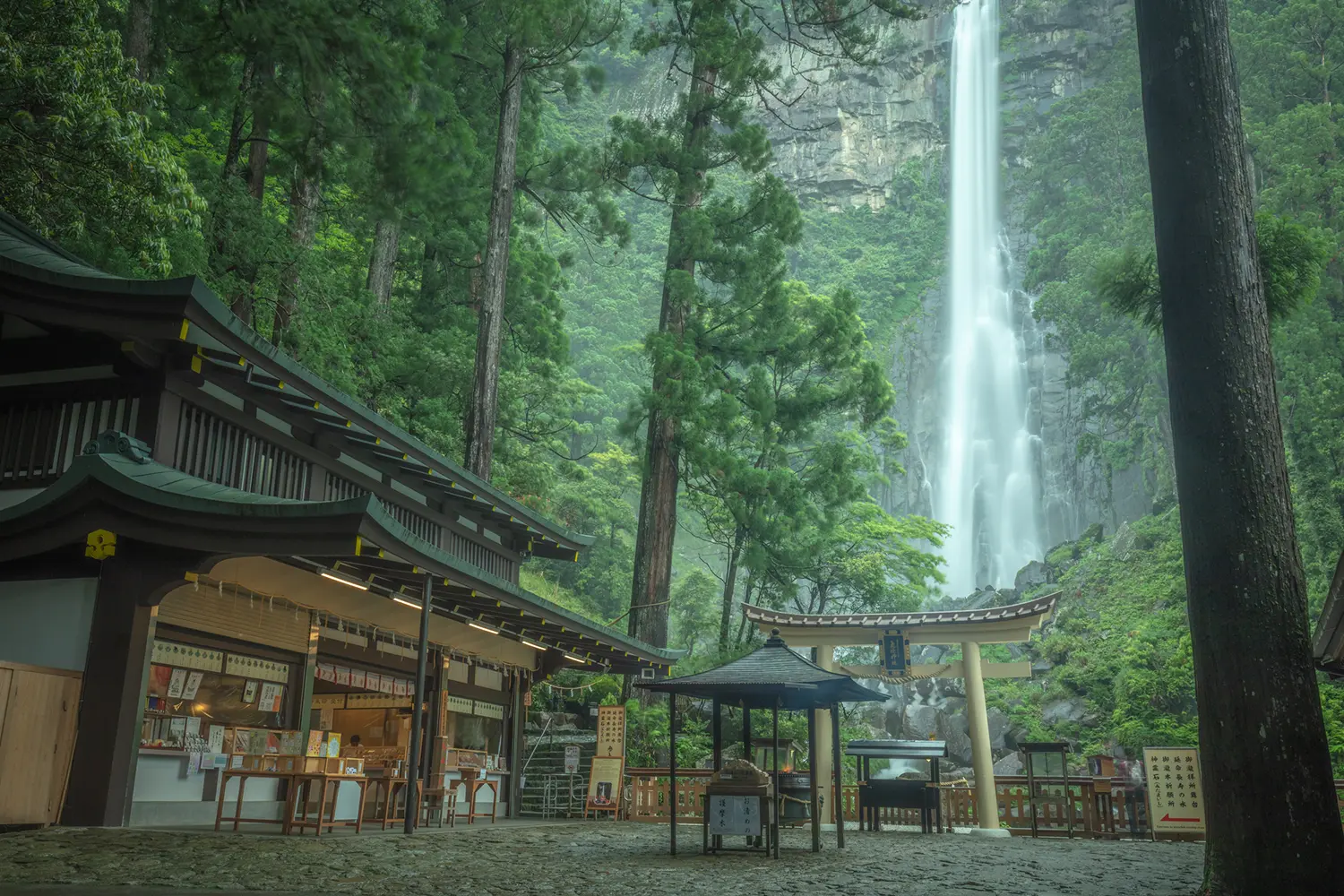
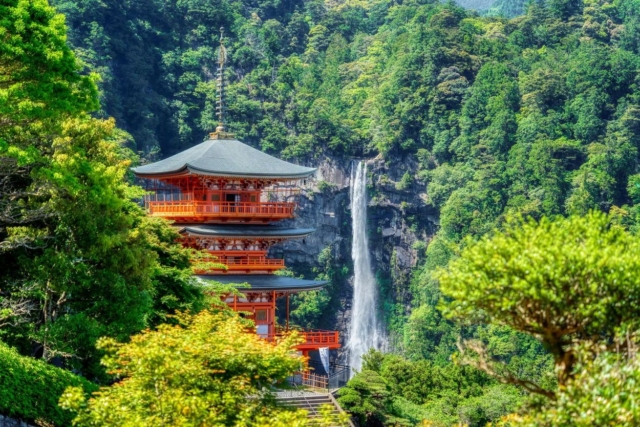
What makes this trail unique is its power to change those who walk it. The rhythm of steady steps, the scent of cedar, the silence of mist-covered peaks, and the presence of history beneath your feet create a profound sense of perspective. Standing before Hongu Taisha’s immense torii gate or gazing at Nachi Falls, many realize that the true destination was the inner journey all along.
In a fast and noisy world, the Kumano Kodo in Japan offers stillness, meaning, and renewal. Whether you choose a short section or a multi-day trek on the Kumano Kodo trail Japan, what matters is not distance, but intention.
Take the first step—this ancient path has been waiting for you.