
Dec 18 ・ 4 min read
What’s the Difference? Kimono vs Yukata Explained for Your Japanese Style
When exploring traditional Japanese clothing, one question often arises: kimono vs yukata — what’s the difference?
At first glance, these garments may look similar, but they serve very different purposes in Japanese culture. From formality and fabric to layering and price, understanding the distinctions between a kimono and a yukata helps you choose the right attire for the right occasion.
In this guide, we’ll clearly explain what a kimono is, what a yukata is, and how they differ — so you can confidently appreciate and identify each garment.
1.What Is a Kimono?
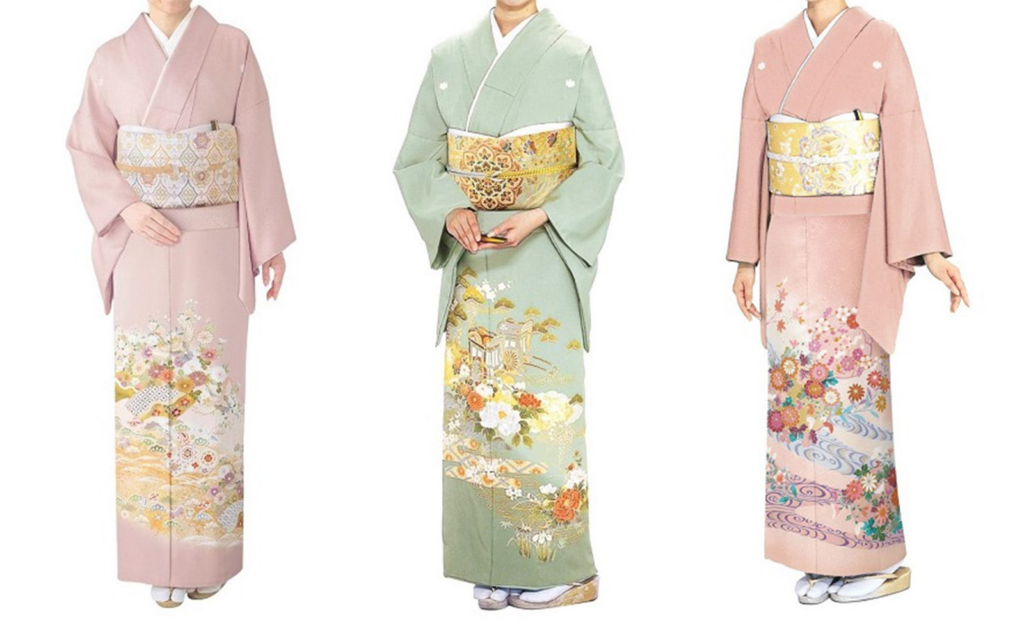
A kimono is Japan’s most iconic traditional garment and represents formality, tradition, and craftsmanship. The word “kimono” literally means “thing to wear,” but today it refers specifically to the long, T-shaped robe with wide sleeves that has been worn for centuries.
Historically, kimono were everyday clothing in Japan. However, after Western fashion became common in the modern era, kimono evolved into formal attire worn for special occasions such as weddings, ceremonies, graduations, and cultural events.
Kimonos are known for their elegant silhouette, structured appearance, and refined details. They are designed to convey dignity, beauty, and respect for tradition, making them a powerful symbol of Japanese culture.
2.What Is a Yukata?
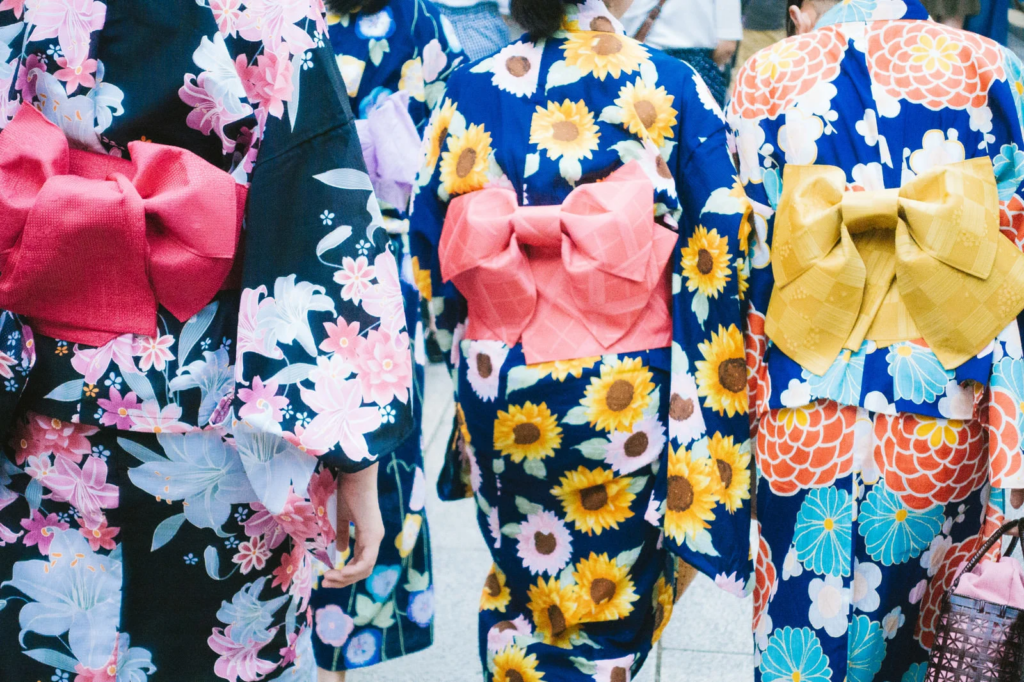
A yukata is a more casual form of traditional Japanese clothing. Originally worn after bathing at hot springs or bathhouses, the yukata developed as a lightweight, comfortable garment for relaxation.
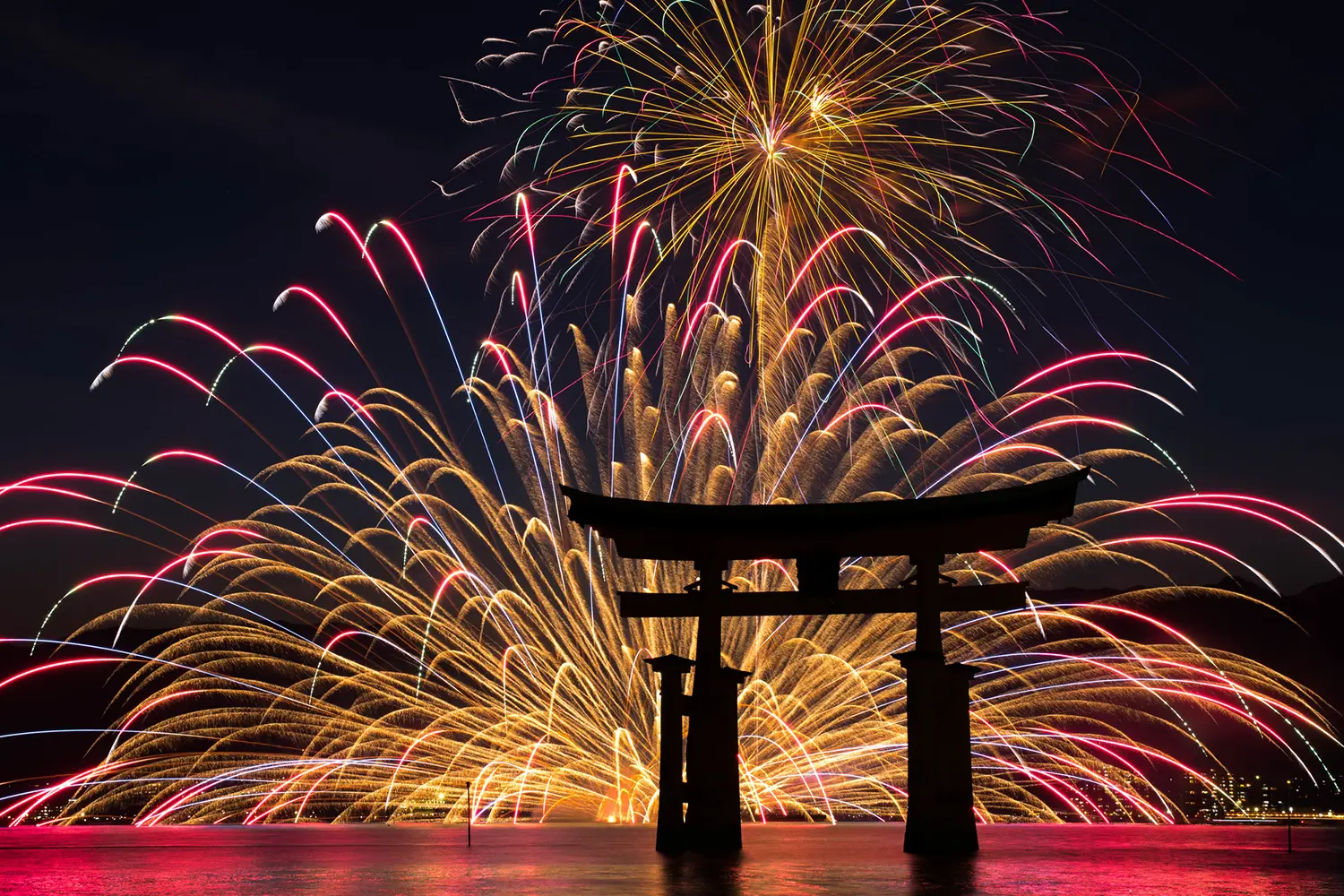
Today, yukata are most commonly worn in summer. You’ll often see them at festivals, fireworks displays, hot spring towns, and traditional inns. Compared to kimono, yukata are simpler, easier to wear, and designed for comfort rather than formality.
The yukata represents a relaxed, approachable side of Japanese tradition — allowing both locals and visitors to enjoy Japanese style in everyday, informal settings.
3.Kimono vs Yukata: Key Differences Explained
Understanding kimono vs yukata becomes easier when comparing them across a few essential categories.
1.Fabric and Material
One of the clearest differences lies in the fabric.
Kimono are traditionally made from silk, wool, or linen, and modern versions may use high-quality synthetic fabrics. These materials provide structure, elegance, and durability, reflecting the garment’s formal nature.
Yukata are usually made from lightweight cotton or breathable blends. The focus is on airflow and comfort, making them ideal for hot, humid summers.
2.Layering and Structure
The reason kimono involve more layering is deeply tied to aesthetic design and practicality, not just tradition.
Kimono are layered to create a smooth, refined silhouette. The structure prevents the outer garment from clinging directly to the body, protects delicate fabrics from sweat and skin oils, and allows the shape of the garment to remain elegant and controlled. Layering also helps regulate temperature across seasons.
Yukata, by contrast, are designed for simplicity and ease. With minimal layering, they prioritize freedom of movement and cooling comfort, which is why they are ideal for summer wear.
3.Occasion and Formality
Formality is the most important factor in choosing between kimono and yukata.
Kimono are worn for formal and traditional occasions such as weddings, tea ceremonies, coming-of-age celebrations, and official cultural events.
Yukata are casual garments, suitable for summer festivals, fireworks, hot spring stays, or relaxed outings.
4.Price and Accessibility
The cost difference also reflects their roles.
Kimono can be expensive due to fine materials, craftsmanship, and time-intensive production. Many are treated as long-term investments or family heirlooms.
Yukata are far more affordable and widely available, making them accessible to beginners, tourists, and casual wearers.
Conclusion
When comparing kimono vs yukata, the key differences come down to formality, fabric, structure, and purpose.
The kimono embodies centuries of tradition, elegance, and craftsmanship, making it ideal for significant cultural and ceremonial moments. The yukata, on the other hand, offers a relaxed, seasonal way to enjoy Japanese tradition in everyday life.
Both garments play an important role in Japanese culture. Understanding their differences not only helps you choose the right attire, but also deepens your appreciation for the thought, design, and values woven into traditional Japanese clothing.