Travel Blog
-

 Masafumi Yasuda
Feb 3 ・
4 min readSuwa Lake and ‘Your Name’: Unveiling the Anime’s Real-Life Inspiration
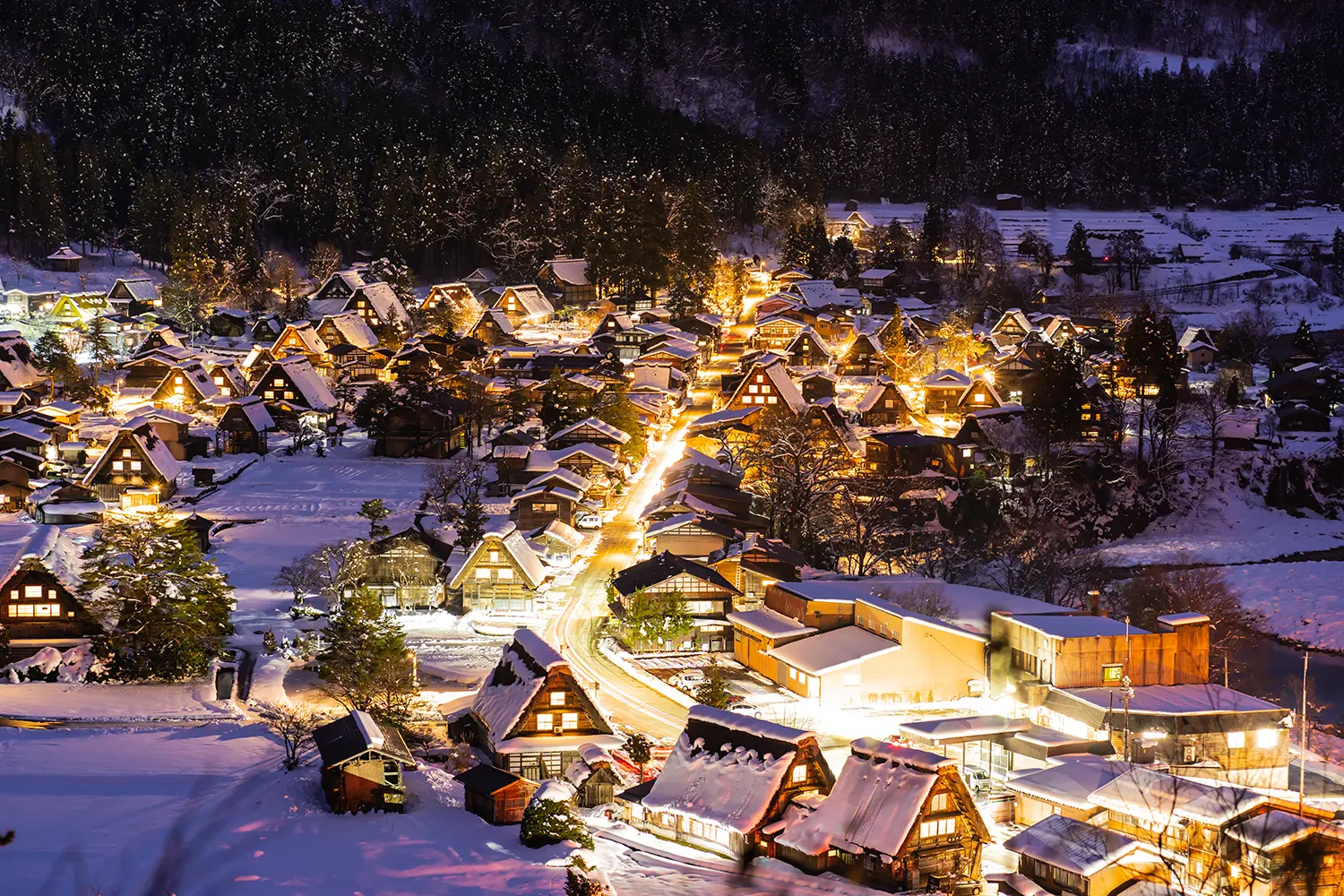
Located in the heart of Nagano Prefecture, Suwa Lake is one of Japan’s most atmospheric inland lakes. Known for its dramatic seasonal scenery, deep spiritual traditions, and its connection to the globally loved anime Your Name (Kimi no Na wa.), Suwa Lake offers a rare blend of nature, culture, and modern pop-culture appeal. Whether you are planning a relaxing lakeside getaway, exploring traditional Japan, or embarking on an anime pilgrimage, Suwa Lake is a destination that rewards visitors year-round. Where Is Suwa Lake? Location and Geography Suwa Lake is situated in central Honshu, Japan’s main island, within mountainous Nagano Prefecture. At an elevation of approximately 759 meters (2,490 feet) above […]
-
 Jeffrey Honma
Feb 3 ・
4 min readWhere is Kyushu Island? Locating Japan’s Southernmost Major Island
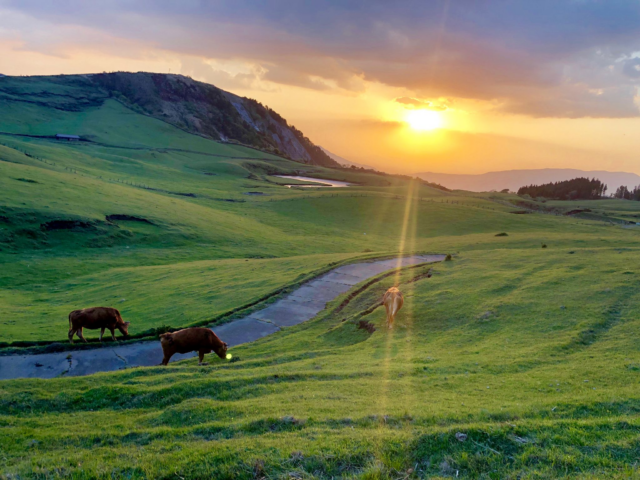
If you’re wondering where Kyushu Island is, you’re not alone. Kyushu is one of Japan’s most fascinating yet often overlooked regions, offering dramatic volcanoes, relaxing hot springs, vibrant cities, and a deep international history. Located in the southern part of Japan, Kyushu plays a crucial role in shaping the country’s climate, culture, and connections with Asia. This guide explains where Kyushu Island is located, why its position matters, and why it makes an ideal starting point for exploring southern Japan. Where Is Kyushu Island Located? The name Kyushu literally means “nine provinces,” reflecting its historical administrative divisions. Today, Kyushu is Japan’s third-largest island and the southernmost of Japan’s four main […]
-
 Jeffrey Honma
Jan 26 ・
3 min readGreen Tea vs Matcha Tea: What’s the Difference?
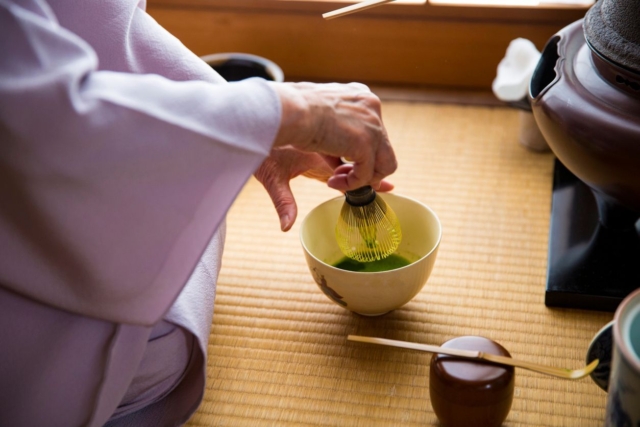
When people hear “Japanese tea,” they often think of green tea or matcha.But what’s the real difference between green tea vs matcha tea? Although both come from the same plant, their growing method, preparation, taste, and health benefits are very different.This guide explains everything clearly—even if you’re new to Japanese tea culture. What Is Green Tea? Green tea is a traditional Japanese tea made by steeping tea leaves in hot water. How Green Tea Is Made Taste Profile In Japan, green tea is far more commonly consumed on a daily basis than matcha.It is enjoyed at home, in offices, and in restaurants, making it an everyday beverage rather than something […]
-
 Jeffrey Honma
Jan 26 ・
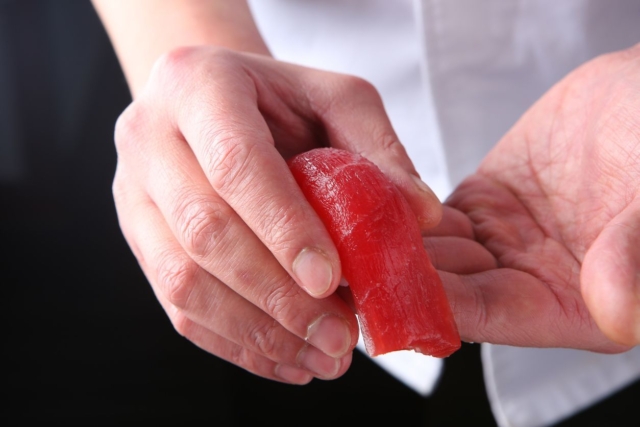
5 min readSushi vs. Sashimi vs. Nigiri: Understanding the Delicious Differences
Japanese cuisine has captivated food lovers around the world with its refined flavors, precision, and deep respect for ingredients. Among its most iconic dishes are Sushi, Sashimi, and Nigiri.These terms are often used interchangeably, especially outside Japan, yet they represent distinct culinary traditions, each with its own purpose, structure, and way of being enjoyed. Understanding the differences between nigiri, sashimi, and sushi not only prevents confusion—it dramatically enhances your dining experience. This article breaks down each dish clearly, explores how they are traditionally eaten. What Is Sushi? The Foundation of Vinegared Rice At its core, sushi is defined by vinegared rice, known as shari.Contrary to popular belief, sushi does not […]
-
 Masafumi Yasuda
Jan 26 ・
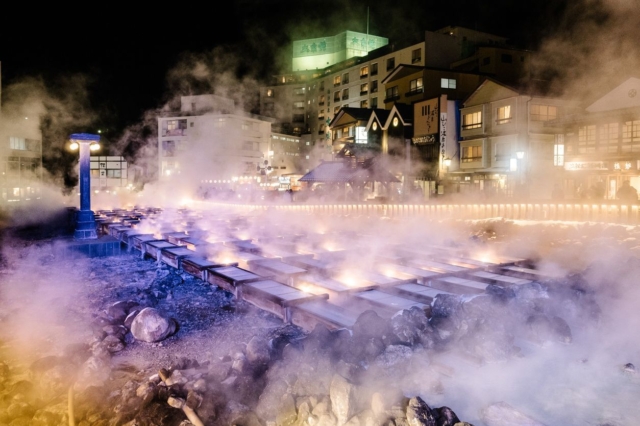
3 min readEscape to Gunma Ken Japan: Unforgettable Onsen, Scenic Beauty, and Local Delights
Where Is Gunma Prefecture? Gunma Prefecture is located in the northwestern part of Japan’s Kanto region, just inland from Tokyo. Despite being less than two hours from the capital, Gunma feels like a completely different world—mountainous, spacious, and deeply connected to nature. As a landlocked prefecture surrounded by mountains, Gunma is known for its clean air, abundant water sources, and dramatic landscapes shaped by volcanic activity. Its excellent rail and road connections make it an easy yet rewarding escape for travelers looking to experience a more authentic and tranquil side of Japan. World-Class Hot Springs (Onsen) Gunma is one of Japan’s most renowned onsen prefectures, home to several of the […]
-
 Masafumi Yasuda
Jan 8 ・
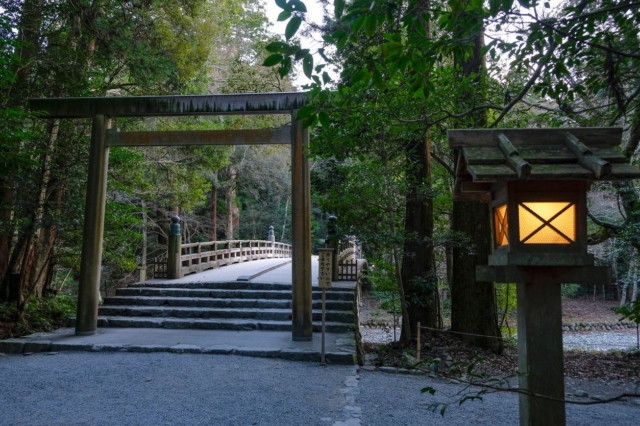
8 min readDiscover the Sacred: Top Things to Do in Ise, Mie Japan
1. Unveiling the Spiritual Essence of Ise, Mie Japan Nestled in the heart of Mie Prefecture, Ise stands as the spiritual heartland of Japan, a destination steeped in ancient tradition and profound reverence. Far more than just a city, Ise is synonymous with its unparalleled spiritual significance, drawing millions of visitors annually seeking a deeper connection to Japan’s indigenous Shinto faith. At its core lies the Ise Grand Shrine (Ise Jingu), considered the most sacred Shinto shrine in the entire country. This isn’t merely a tourist attraction; it’s a living testament to Japan’s imperial history and spiritual heritage, dedicated to Amaterasu Omikami, the Sun Goddess and revered ancestress of the Imperial Family. […]
-
 Jeffrey Honma
Jan 8 ・
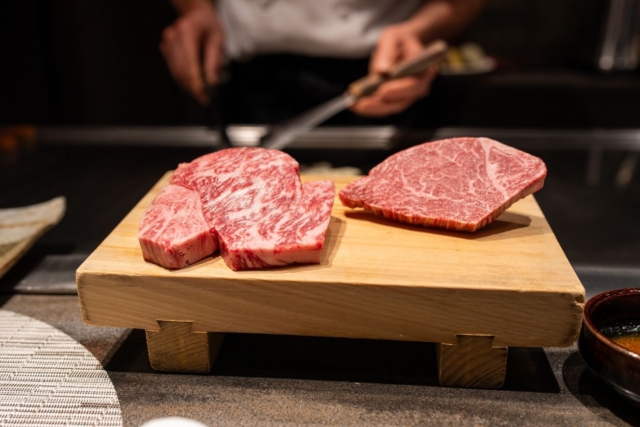
12 min readIs All Wagyu Kobe Beef? The Truth About Kobe Beef vs Wagyu
Is all Wagyu Kobe beef? This article demystifies the world of premium Japanese beef, explaining the distinct origins, strict criteria, and unique qualities that set Wagyu apart from the ultra-exclusive Kobe beef. Discover how to identify authentic products and understand their true value. 1.Understanding Wagyu What It Truly Means 1.1 The Four Breeds of Japanese Wagyu Cattle The term “Wagyu” (和牛) literally translates to “Japanese cattle”, encompassing several distinct breeds native to Japan. Far from being just a type of beef, Wagyu represents a culmination of centuries of selective breeding, meticulous care, and a unique genetic predisposition that results in a culinary experience unlike any other. While often mistakenly used […]
-
 Masafumi Yasuda
Dec 22 ・
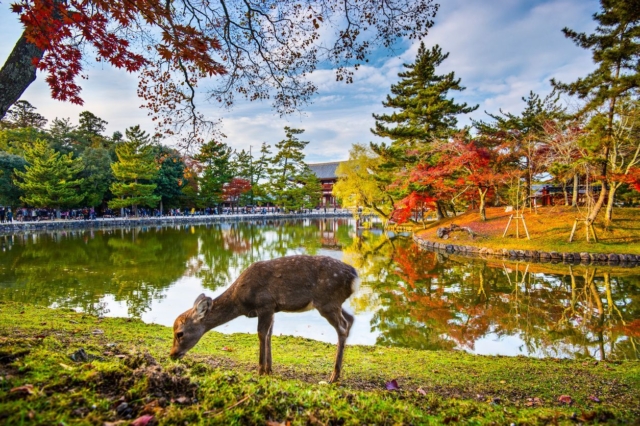
5 min readDiscover the Magic of Nara Koen Deer: A Complete Visitor Guide
If you’re planning a trip to Japan and looking for a destination where history, culture, and nature beautifully intertwine, Nara Park—known locally as Nara Koen—should be at the top of your list. The Nara Koen deer are among Japan’s most iconic and beloved attractions, captivating millions of visitors each year with their gentle presence and charming behavior. These free-roaming deer are more than just animals in a park—they are living symbols of Japan’s ancient traditions, spirituality, and deep respect for nature. This guide will help you appreciate their cultural significance, teach you how to interact with them safely and respectfully, and introduce nearby attractions that make Nara Park a truly […]
-
 Jeffrey Honma
Dec 22 ・
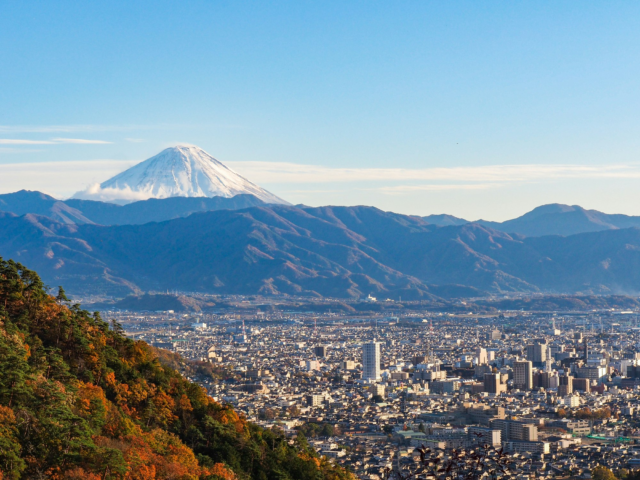
4 min readKofu, Yamanashi Prefecture, Japan: Where History Meets Nature’s Beauty
Nestled among the towering peaks of the Southern Japanese Alps, Kofu, Yamanashi Prefecture, Japan offers the perfect blend of natural beauty, cultural depth, and accessibility. Despite its breathtaking landscapes and historical significance, Kofu remains far less crowded than major tourist hubs—yet it is conveniently located just 1.5–2 hours from Tokyo by train. This makes it an ideal destination for travelers seeking authentic Japanese experiences without the overwhelming crowds. Why Visit Kofu in Yamanashi Prefecture Japan Kofu attracts visitors for three core reasons: its powerful samurai history, stunning natural scenery, and world-class food and wine culture. From legendary figures like Takeda Shingen to dramatic mountain views and award-winning vineyards, this region […]
-
 Jeffrey Honma
Dec 22 ・
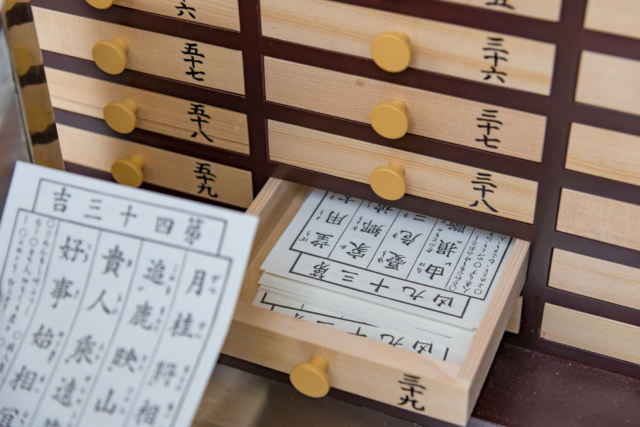
4 min readOmikuji Fortunes: Understanding Japan’s Sacred Shrine Predictions and Their Cultural Meaning
When visiting a Japanese shrine or temple, many people are drawn to one of Japan’s most fascinating spiritual traditions: omikuji fortunes. These small slips of paper offer guidance, inspiration, and reflection, providing insight into health, love, work, travel, and future luck. Far more than simple fortune-telling, omikuji connect visitors to centuries of Japanese spirituality, ritual, and cultural wisdom. What Are Omikuji and Their Purpose? Omikuji are sacred fortune slips found at Shinto shrines and Buddhist temples across Japan. Visitors draw them to receive divine guidance from the kami (deities) or buddhas. Rather than predicting fate absolutely, omikuji fortunes encourage reflection, personal awareness, and mindfulness about life’s direction. People often draw […]