
Dec 22 ・ 5 min read
Discover the Magic of Nara Koen Deer: A Complete Visitor Guide
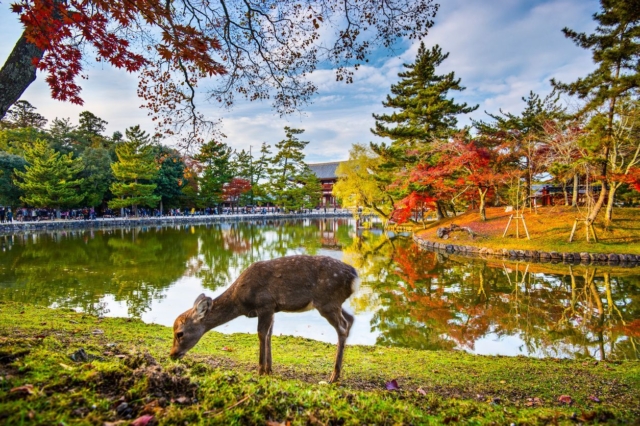
If you’re planning a trip to Japan and looking for a destination where history, culture, and nature beautifully intertwine, Nara Park—known locally as Nara Koen—should be at the top of your list. The Nara Koen deer are among Japan’s most iconic and beloved attractions, captivating millions of visitors each year with their gentle presence and charming behavior. These free-roaming deer are more than just animals in a park—they are living symbols of Japan’s ancient traditions, spirituality, and deep respect for nature. This guide will help you appreciate their cultural significance, teach you how to interact with them safely and respectfully, and introduce nearby attractions that make Nara Park a truly unforgettable destination.
The History and Sacred Status of the Nara Koen Deer
The Nara Koen deer have been revered for more than 1,200 years. According to Shinto legend, a deity from Kashima Shrine arrived in Nara riding a white deer to protect the former capital. From that moment on, the deer were regarded as sacred messengers of the gods.
For centuries, harming a deer in Nara was strictly forbidden and once considered a grave offense. Though they are no longer classified as divine beings today, they remain protected and deeply respected. The deer of Nara Park are officially designated as a National Natural Monument of Japan, ensuring legal protection and preservation. Their continued presence represents the harmonious coexistence between humans, nature, and spirituality—something uniquely preserved in Nara.
How to Properly Feed the Nara Koen Deer
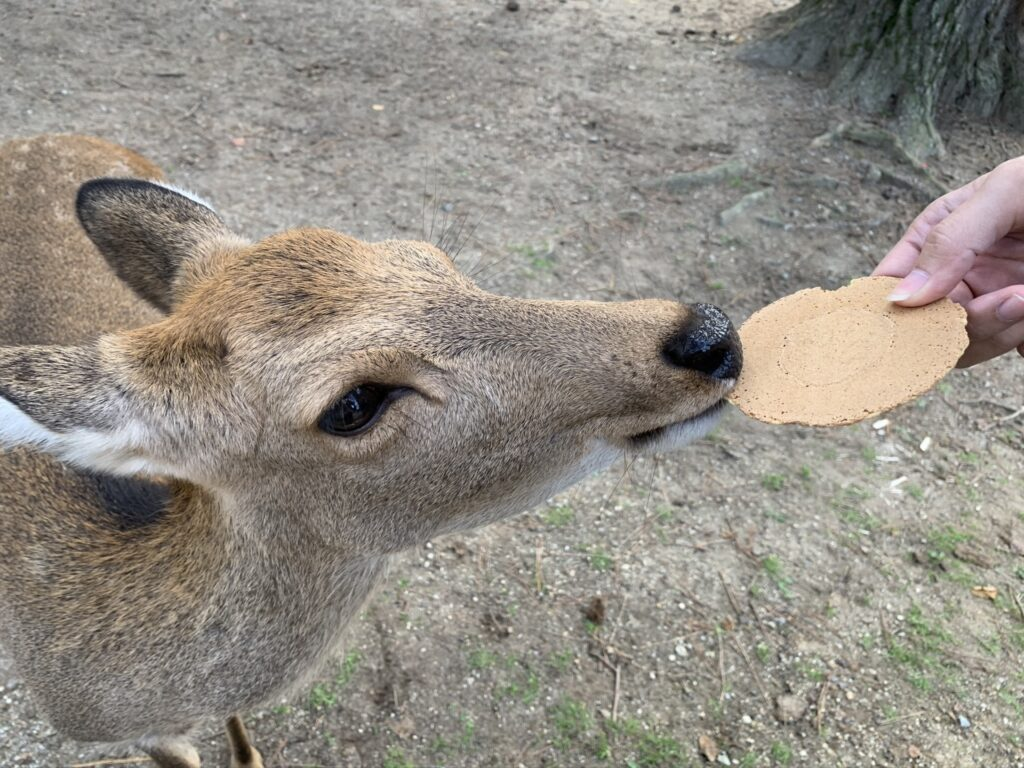
Feeding the Nara Koen deer is one of the highlights of visiting the park, but it must be done responsibly to ensure the animals’ health and safety.
- Only feed Shika Senbei, the official deer crackers sold in the park.
- Break the crackers into smaller pieces to avoid overwhelming the deer.
- Hold crackers low and steady, keeping calm movements.
- After feeding, show your empty hands to signal you have no more food.
- Avoid teasing the deer or pulling crackers away, as this can lead to aggressive behavior.
These special crackers are made from ingredients safe for deer, unlike human food, which can seriously harm them. Feeding the deer correctly not only keeps them healthy but also allows you to enjoy a meaningful and respectful interaction.
Safety Tips for Interacting with Nara Koen Deer
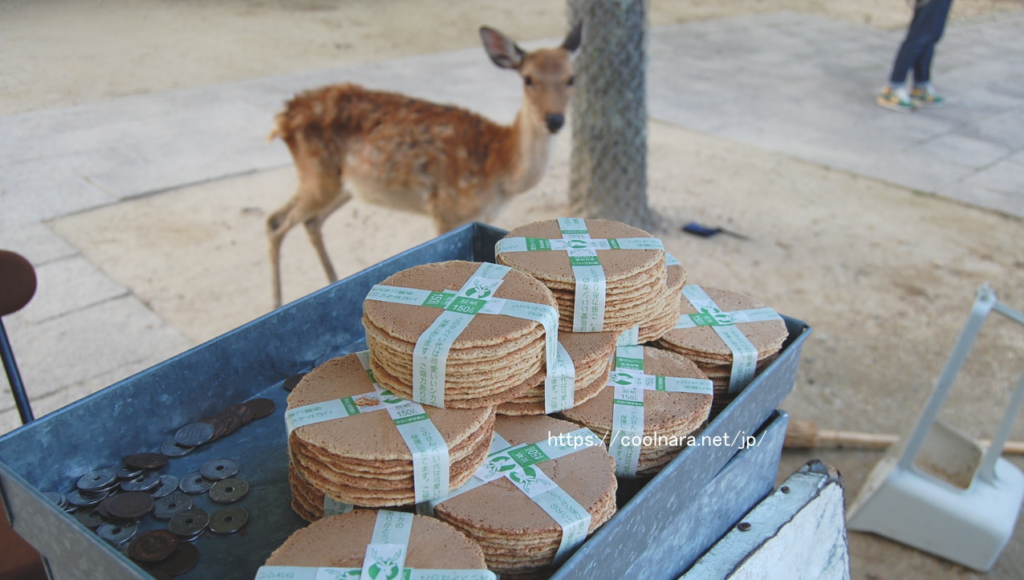
While the Nara Koen deer are generally friendly, they are still wild animals. Knowing how to behave around them ensures both your safety and theirs.
- Maintain a safe distance, especially from male deer with antlers or mother deer with fawns.
- Keep bags, maps, and paper items secure—deer often mistake them for food.
- Stay aware of your surroundings; deer may approach from any direction.
- If a deer becomes persistent, calmly step away and avoid running.
- Supervise children closely and explain that deer should be treated gently.
Understanding their body language is also important. Stomping hooves, flicking tails, or lowered heads can signal agitation. When you recognize these signs, simply move away calmly and respectfully.
What NOT to Do Around the Deer
To protect the Nara Koen deer and maintain a safe environment, certain actions are strictly discouraged:
- Do not feed them human food, plastic, or garbage.
- Do not tease, provoke, or corner them.
- Do not attempt to pull their antlers or grab them.
- Do not chase or ride them.
- Do not litter, as deer may accidentally ingest dangerous materials.
- Do not approach or touch unattended fawns.
Following these rules helps maintain the delicate balance that allows humans and deer to coexist in such a unique and culturally meaningful space.
Beyond the Deer: Must-See Attractions Around Nara Koen
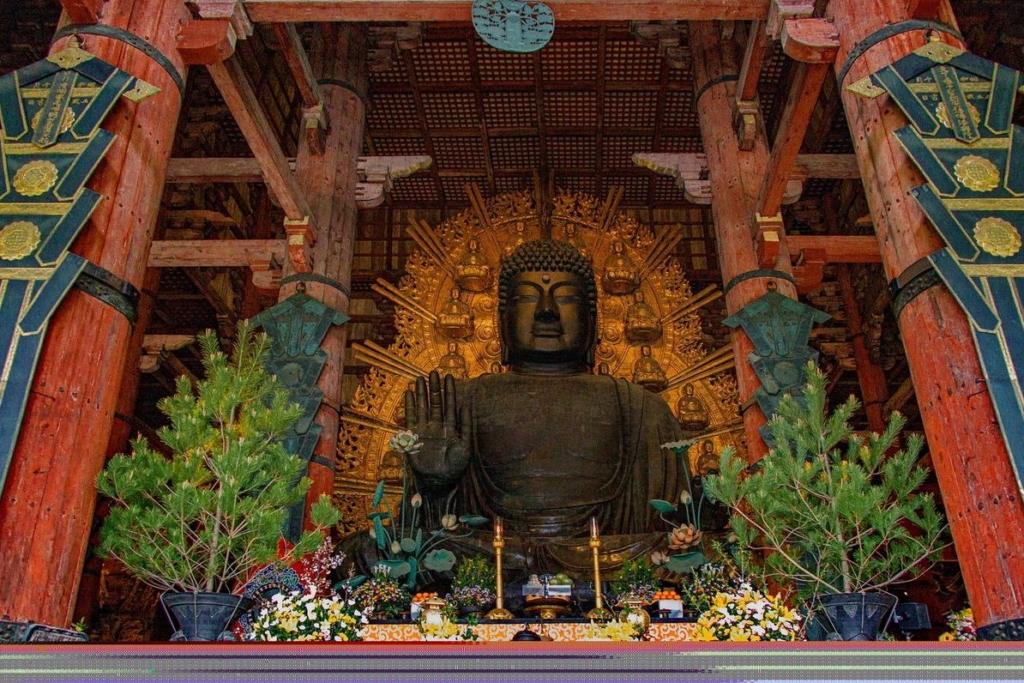
While the Nara Koen deer are the star attraction, Nara Park is also home to some of Japan’s most historically significant landmarks:
- Todai-ji Temple – A UNESCO World Heritage Site, home to the massive Great Buddha statue and one of the world’s largest wooden structures.
- Kasuga Taisha Shrine – Famous for its thousands of stone and bronze lanterns and deep spiritual heritage.
- Kofuku-ji Temple – Known for its elegant five-story pagoda and impressive Buddhist art collection.
Exploring these sites alongside the deer enhances your experience, offering a deeper connection to Japan’s ancient capital and its rich heritage.
Conclusion
The Nara Koen deer are more than simply a tourist attraction—they are guardians of tradition, symbols of devotion, and ambassadors of Japan’s cultural soul. Meeting these gentle animals, learning their history, feeding them respectfully, and exploring the historic treasures surrounding them creates a travel experience unlike any other in Japan.
By interacting responsibly and appreciating their sacred past, you help preserve the harmony between humans and deer for future generations. Whether you’re visiting for photography, cultural exploration, or simply the magic of walking alongside freely roaming deer, Nara Park promises an unforgettable journey into Japan’s spirit of respect, beauty, and timeless wonder.