
Jan 8 ・ 8 min read
Discover the Sacred: Top Things to Do in Ise, Mie Japan
1. Unveiling the Spiritual Essence of Ise, Mie Japan
Nestled in the heart of Mie Prefecture, Ise stands as the spiritual heartland of Japan, a destination steeped in ancient tradition and profound reverence. Far more than just a city, Ise is synonymous with its unparalleled spiritual significance, drawing millions of visitors annually seeking a deeper connection to Japan’s indigenous Shinto faith.
At its core lies the Ise Grand Shrine (Ise Jingu), considered the most sacred Shinto shrine in the entire country. This isn’t merely a tourist attraction; it’s a living testament to Japan’s imperial history and spiritual heritage, dedicated to Amaterasu Omikami, the Sun Goddess and revered ancestress of the Imperial Family. The atmosphere here is one of serene purity and timeless devotion, offering a unique glimpse into the soul of Japan.
Beyond the grandeur of its shrines, Ise, Mie Japan, offers a holistic experience. The region’s natural beauty, from its lush forests to its rugged coastlines, perfectly complements the spiritual journey. Visitors will discover a blend of solemn pilgrimage, historical exploration, and cultural immersion, all contributing to an unforgettable encounter with Japan’s deepest traditions.
Preparing for a visit to Ise means understanding its unique place in Japanese culture. It’s a journey into the origins of Shintoism, a chance to witness rituals unchanged for centuries, and an opportunity to experience a profound sense of tranquility. Whether you’re drawn by religious devotion, historical curiosity, or a desire for peaceful reflection, Ise promises an enriching and deeply spiritual encounter.
2. The Sacred History and Significance of Ise
2.1 Ancient Origins of Ise Jingu
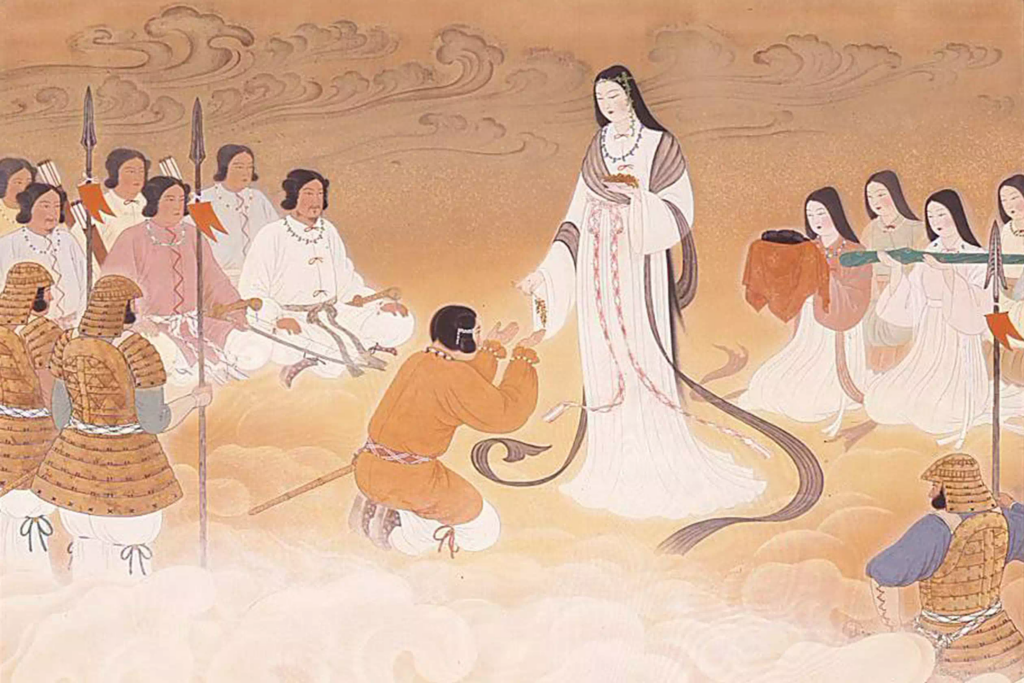
The history of Ise Jingu, often referred to as the Ise Grand Shrine, is deeply interwoven with the very fabric of Japanese mythology and imperial lineage. Its origins are not merely historical but legendary, tracing back over 2,000 years. The central deity enshrined here is Amaterasu Omikami, the Sun Goddess and ancestress of the Imperial Family, making Ise the most revered and sacred site in Shintoism.
According to ancient texts such as the Kojiki and Nihon Shoki, Amaterasu Omikami was initially worshipped within the Imperial Palace. However, fear that her divine power might be too overwhelming led to the decision to find a permanent, external dwelling for her. This sacred quest was undertaken by Princess Yamato Hime-no-mikoto, daughter of Emperor Suinin. For over two decades, she journeyed across the land, seeking the most fitting location. It was in Ise that Amaterasu Omikami herself is said to have declared, “This is a secluded and pleasant land. In this land, I wish to dwell.” Thus, the Naiku (Inner Shrine), dedicated to Amaterasu Omikami, was established.
The establishment of Ise Jingu marked a pivotal moment, shifting the worship of the Sun Goddess from a private imperial ritual to a more public, albeit exclusive, institution. This act solidified the shrine’s unique status as the paramount spiritual guardian of Japan, directly linked to the legitimacy and divinity of the Imperial line.
2.2 The Enduring Legacy of Ise
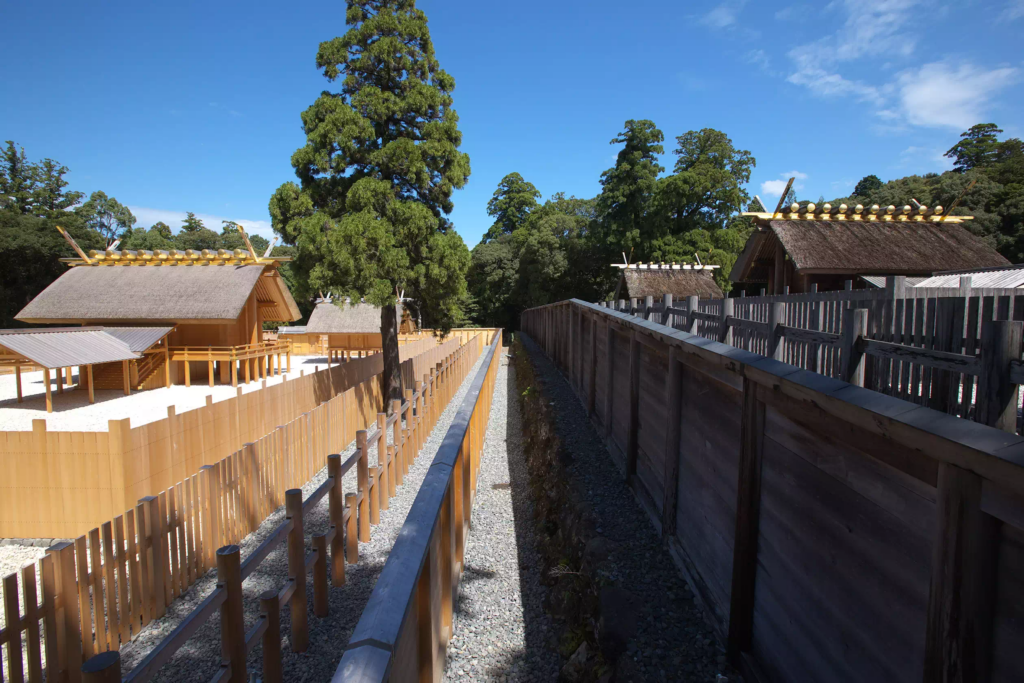
The significance of Ise Jingu extends far beyond its ancient origins, sustained by traditions that have remained unbroken for millennia. Central to this enduring legacy is the practice of Shikinen Sengu, the ritual rebuilding of the entire shrine complex every 20 years. This extraordinary tradition, which has been performed for over 1,300 years, involves constructing new shrine buildings on an adjacent site, moving the sacred objects to the new structures, and then dismantling the old ones. It is a profound embodiment of Shinto principles of purity, renewal, and the cyclical nature of life. This meticulous process also ensures that ancient architectural techniques and craftsmanship are passed down through generations, preserving invaluable cultural heritage.
Ise Jingu has always held an unparalleled position in Japan’s spiritual landscape. Unlike other shrines, it traditionally did not accept offerings from the general public until the Meiji Restoration, emphasizing its exclusive connection to the Imperial Family. Historically, it was the only shrine permitted to house the sacred mirror, one of the Three Imperial Regalia of Japan, symbolizing the direct lineage from Amaterasu Omikami to the Emperor.
Even today, Ise remains the spiritual heart of Japan, a place where the Emperor and Empress make special visits and offerings. It serves as a powerful symbol of national identity, continuity, and the profound respect for tradition that defines Japanese culture. The enduring legacy of Ise is a testament to its unchanging role as the most sacred sanctuary, continuously purifying and renewing the spirit of the nation.
3. Ise Grand Shrine A Pilgrimage Guide
The Ise Grand Shrine, or Ise Jingu, is not a single shrine but a complex of over 125 shrines, with its two principal shrines, Naiku (Inner Shrine) and Geku (Outer Shrine), standing as the spiritual heart of Japan. A visit here is more than just sightseeing; it’s a profound journey into the origins of Shinto, Japan’s indigenous religion.
3.1 Visiting Naiku The Inner Shrine
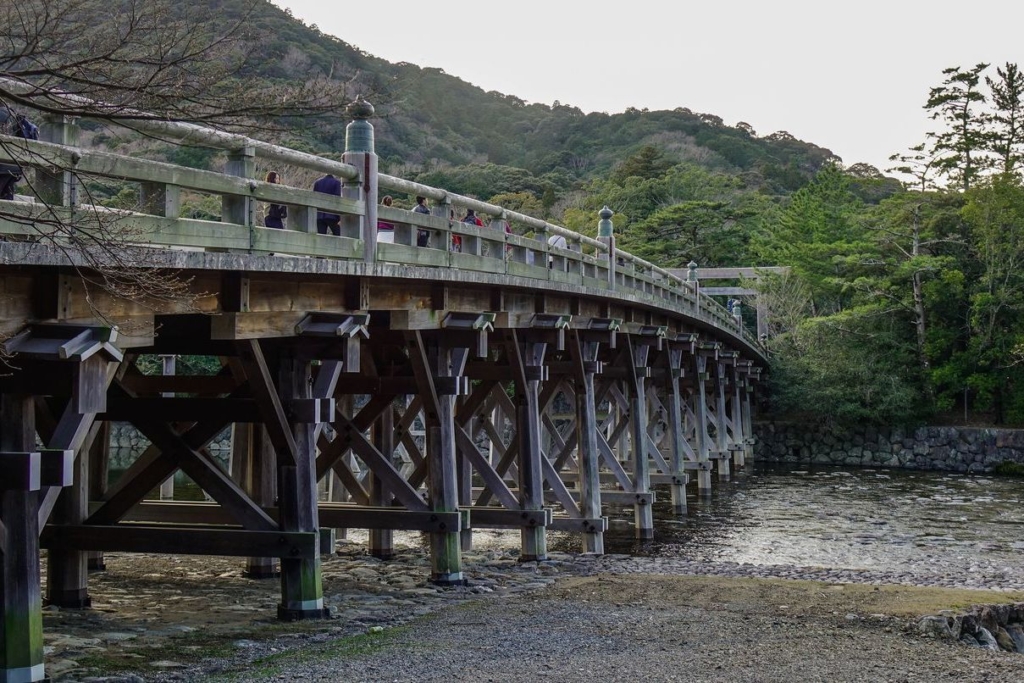
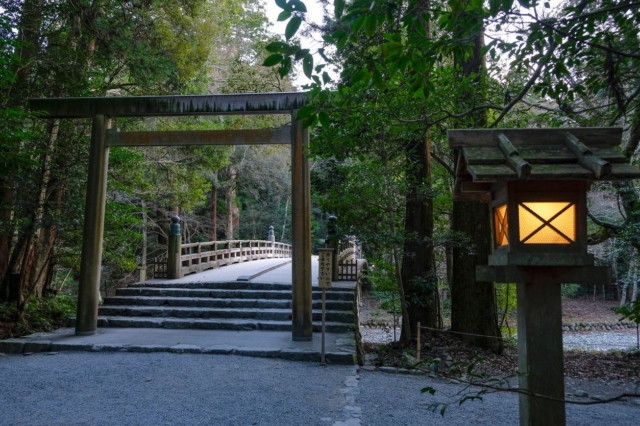
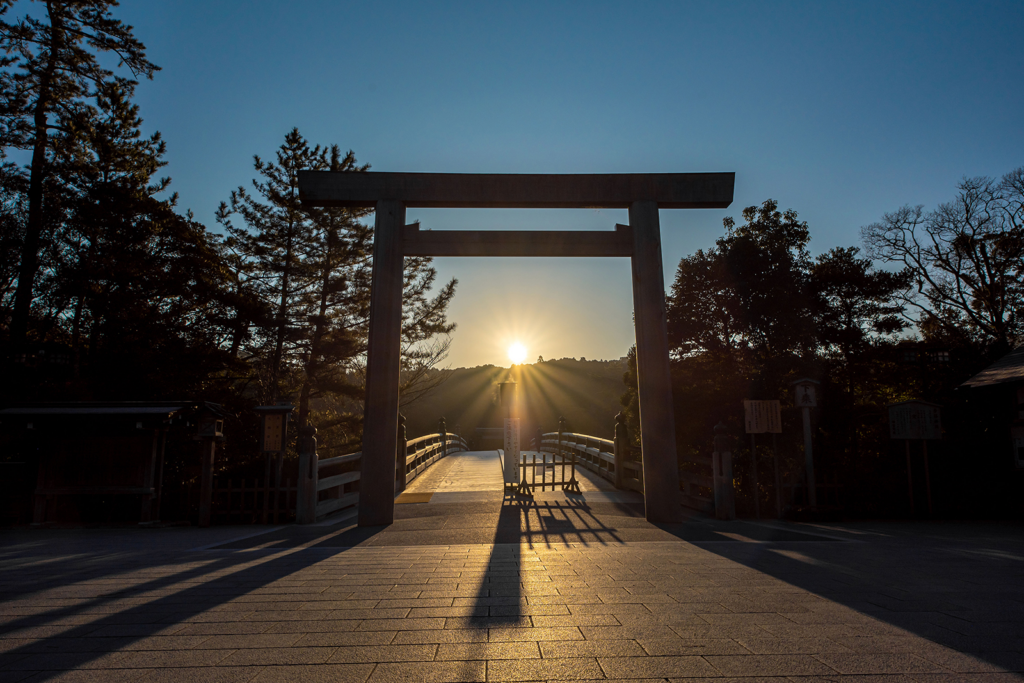
Naiku, officially known as Kotai Jingu, is the most sacred site in Japan, dedicated to Amaterasu Omikami, the Sun Goddess and ancestress of the Imperial Family. It is believed to house the sacred mirror, one of the Three Imperial Regalia of Japan. The approach to Naiku begins with crossing the iconic Uji Bridge, which spans the Isuzu River and symbolically separates the sacred from the secular world. After crossing, visitors are encouraged to perform a purification ritual by washing their hands and rinsing their mouths at the Mitarashi-ba, a natural purification spot along the Isuzu River, or at the designated temizuya.
The path through Naiku is a serene journey under ancient cedar trees, leading to the main sanctuary. While the main sanctuary itself is largely hidden behind several fences and cannot be directly viewed by the public, the atmosphere of reverence is palpable. Visitors can offer prayers at the outer gates. The architecture, known as Shinmei-zukuri, is characterized by its ancient, simple, and elegant style, reflecting purity and tradition. Surrounding Naiku are numerous smaller shrines and sacred sites, each contributing to the profound spiritual experience.
3.2 Exploring Geku The Outer Shrine
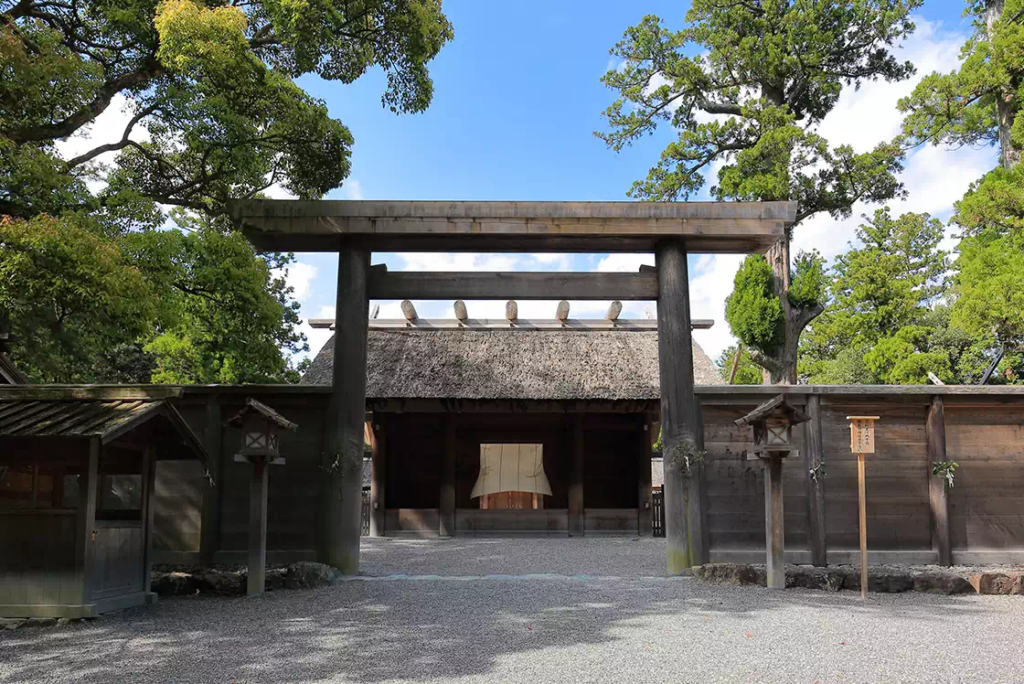
Geku, or Toyouke Daijingu, is dedicated to Toyouke Omikami, the deity of food, clothing, and housing, who is believed to serve Amaterasu Omikami. It is customary to visit Geku before Naiku, symbolizing the proper order of showing respect to the deities. Located a short distance from Ise-shi Station, Geku offers a similar tranquil and forested approach, though often considered slightly less grand than Naiku, it holds immense spiritual importance.
Like Naiku, Geku features the distinctive Shinmei-zukuri architecture and is surrounded by a peaceful forest. Visitors can purify themselves at the temizuya near the entrance before proceeding along the gravel paths. The main sanctuary at Geku, similar to Naiku, is also largely obscured from direct view, but its presence is deeply felt. The shrine complex includes various sub-shrines dedicated to other deities, emphasizing the interconnectedness of daily life with the divine.
3.3 Etiquette and Respect at Ise Jingu
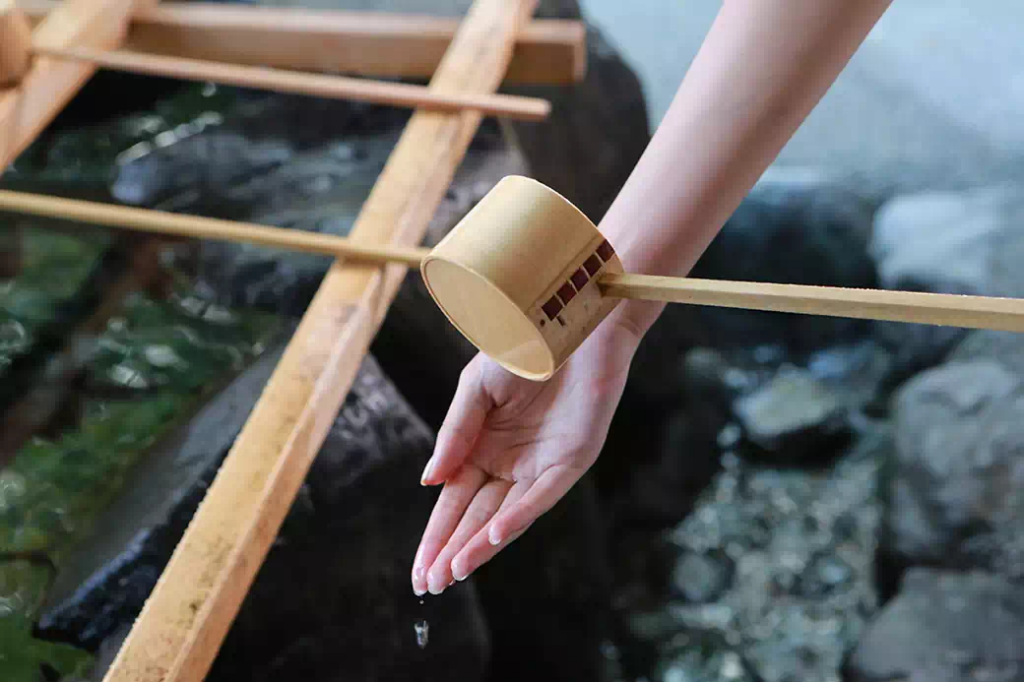
A visit to Ise Jingu is a sacred experience, and observing proper etiquette is crucial to showing respect for the deities and the spiritual significance of the site. The following guidelines will help ensure a reverent and meaningful visit:
| Aspect of Etiquette | Guidance for Visitors |
|---|---|
| Purification (Temizuya) | Before entering the main sanctuary grounds, purify yourself at the temizuya. Use the ladle to rinse your left hand, then your right hand, pour water into your left palm to rinse your mouth, and finally rinse the ladle handle before returning it. |
| Walking Paths | Always walk on the left side of the main path (sando). The center is reserved for the deities. |
| Photography | Photography is generally permitted in the outer areas of the shrine grounds. However, it is strictly prohibited inside the inner sanctuary areas and near the main shrine buildings. Look for signs indicating photography restrictions. |
| Dress Code | While there is no strict dress code, respectful attire is encouraged. Avoid overly casual clothing, such as swimwear or revealing outfits. |
| Behavior | Maintain a quiet and reverent demeanor throughout your visit. Avoid loud conversations, running, or any disruptive behavior. Turn off or silence mobile phones. |
| Offerings and Prayer | When offering prayers, a common practice is to bow twice, clap twice, and then bow once more. Coins can be placed in the offering box (saisenbako). |
| Shikinen Sengu | Be aware of the Shikinen Sengu, the ritual rebuilding of the main shrines every 20 years. This ancient tradition ensures the transfer of building techniques and the renewal of spiritual energy. You may observe the empty adjacent plots where the shrines will be rebuilt. |
4.Conclusion
Ise is not just a place to visit, but a place to feel.
Rooted in ancient tradition and quiet spirituality, it reveals the heart of Japanese culture.
For those seeking meaning beyond sightseeing, Ise offers a timeless and deeply memorable experience.