
Dec 18 ・ 4 min read
Echizen, Fukui, Japan: Unveiling the Authentic Heart of Japanese Culture
Why Visit Echizen, Fukui, Japan
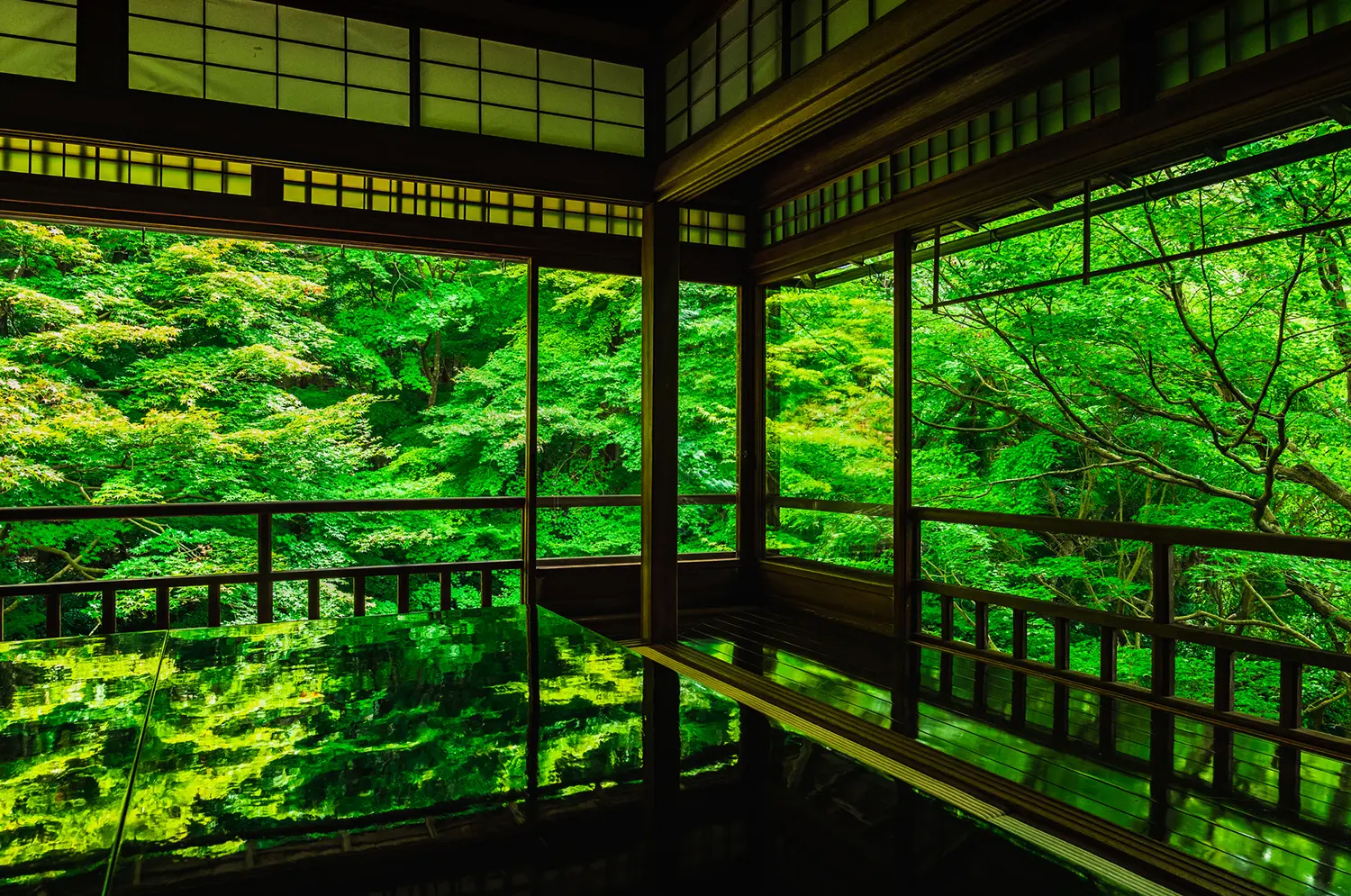
Echizen, Fukui, Japan is a region where centuries of tradition continue to shape everyday life. Located along the Sea of Japan, Echizen offers a rare opportunity to experience an authentic side of Japan—far removed from crowded tourist centers, yet deeply connected to the country’s cultural roots.
Known for its world-class traditional crafts, powerful samurai history, and a natural environment that produces exceptional food, Echizen represents a harmonious balance between people, nature, and heritage. From ancient kilns and handmade paper workshops to historic castle towns and fertile seas, Echizen Fukui Japan invites travelers to slow down and discover the essence of Japanese culture.
1.Timeless Traditional Crafts of Echizen
Echizen Fukui Japan is internationally recognized as one of Japan’s most important craft regions. For over a thousand years, skilled artisans have preserved techniques that remain deeply embedded in daily life and modern design.
1.Echizen Pottery (Echizen-yaki)
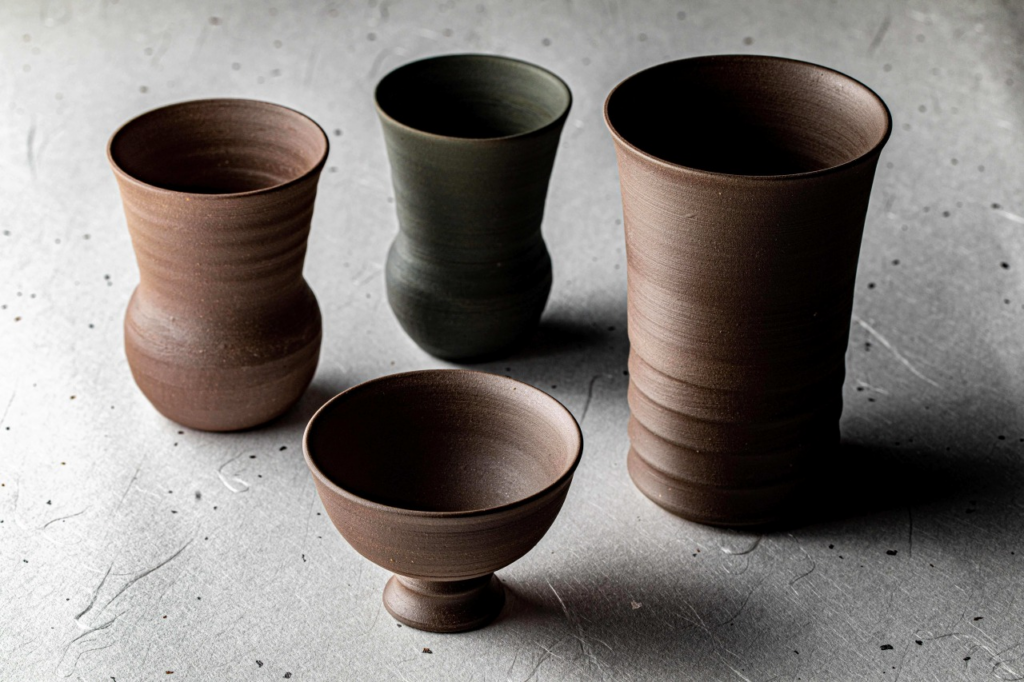
Echizen Pottery is one of Japan’s Six Ancient Kilns, with a history dating back over 800 years. Characterized by its unglazed surfaces, natural ash effects, and earthy tones, Echizen-yaki reflects a philosophy of simplicity and strength. Originally created for everyday storage vessels, today it is admired worldwide for tea ware, contemporary tableware, and sculptural art pieces.
2.Echizen Washi Paper
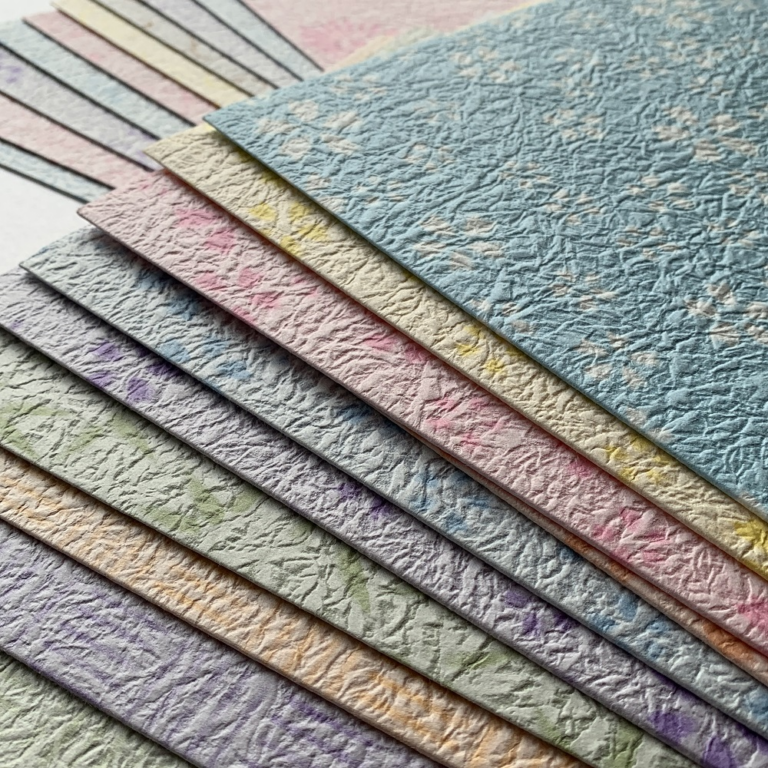
With a history of more than 1,500 years, Echizen Washi is among Japan’s finest handmade papers. Celebrated for its durability and texture, it has been used for official documents, Buddhist scriptures, fine art, and modern interior design. The papermaking villages of Echizen Fukui Japan continue to produce washi using traditional methods, preserving a craft that blends functionality with beauty.
3.Echizen Knives (Echizen Uchihamono)

Echizen is also one of Japan’s premier knife-making regions. For over 700 years, blacksmiths have forged blades known for their exceptional sharpness, balance, and longevity. Today, Echizen knives are highly sought after by professional chefs around the world, representing the precision and craftsmanship that define Echizen Fukui Japan.
2.Samurai Culture and the Legacy of Ichijōdani
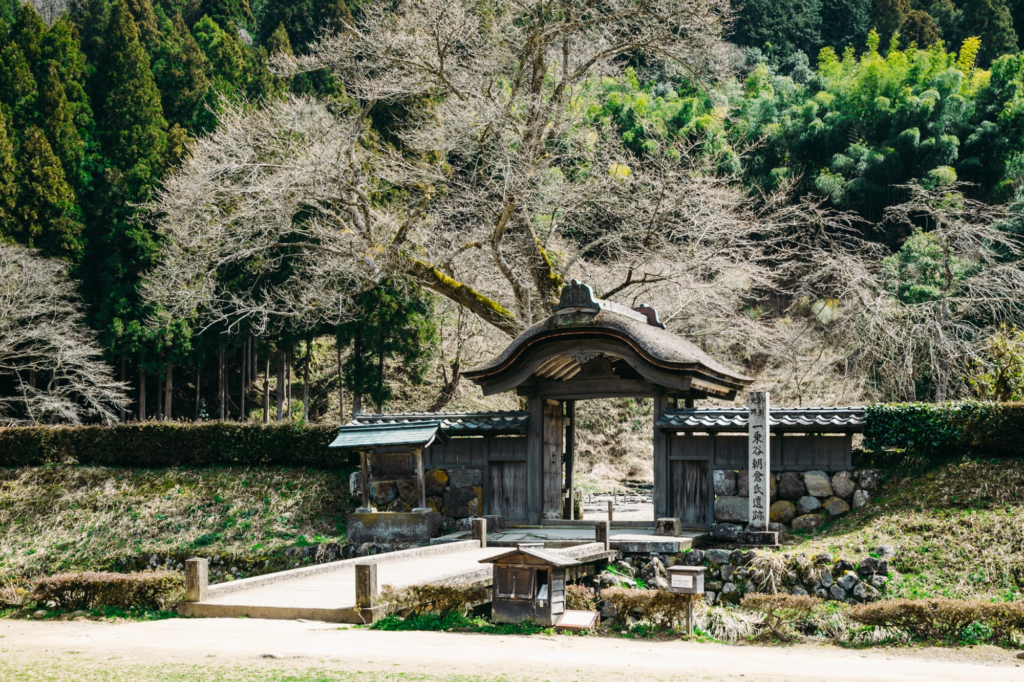
Beyond its crafts, Echizen Fukui Japan played a vital role in Japan’s feudal history. During the Sengoku period, the powerful Asakura clan ruled the region, transforming it into a political and cultural center.
The heart of this legacy lies at the Ichijōdani Asakura Clan Ruins, one of Japan’s most important historical sites. Once a flourishing castle town, Ichijōdani preserves reconstructed samurai residences, merchant homes, temples, and gardens. Walking through the site offers a rare glimpse into daily life during the 16th century, revealing how governance, culture, and aesthetics coexisted under samurai rule.
Unlike isolated castles, Ichijōdani presents an entire urban landscape, making it an essential destination for understanding the human side of samurai culture in Echizen Fukui Japan.
3.Nature and Abundance: The Land That Sustains Echizen
The natural environment of Echizen Fukui Japan is inseparable from its culture. The rugged Sea of Japan coastline, fertile plains, and forested mountains provide the foundation for both its cuisine and craftsmanship.
1.Echizen Crab and the Sea of Japan
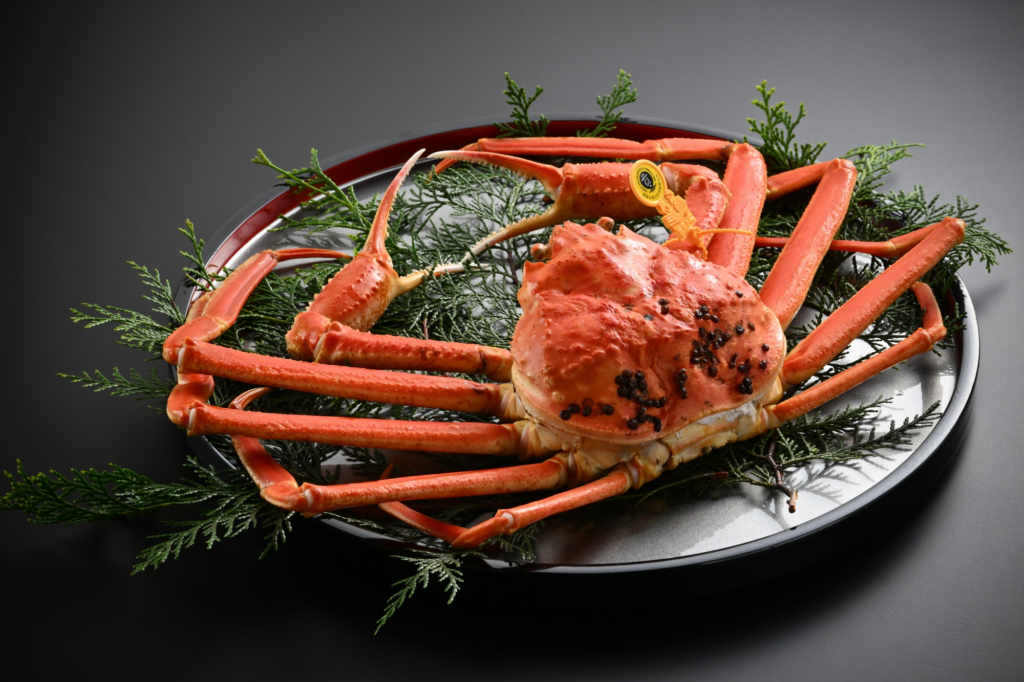
Echizen is especially famous for Echizen Crab, regarded as one of Japan’s most prized winter delicacies. Harvested from the cold waters of the Sea of Japan, the crab is renowned for its sweet meat and rich roe. The harsh marine environment that defines Echizen Fukui Japan is precisely what gives its seafood such exceptional quality.
2.Koshihikari Rice and Agricultural Richness
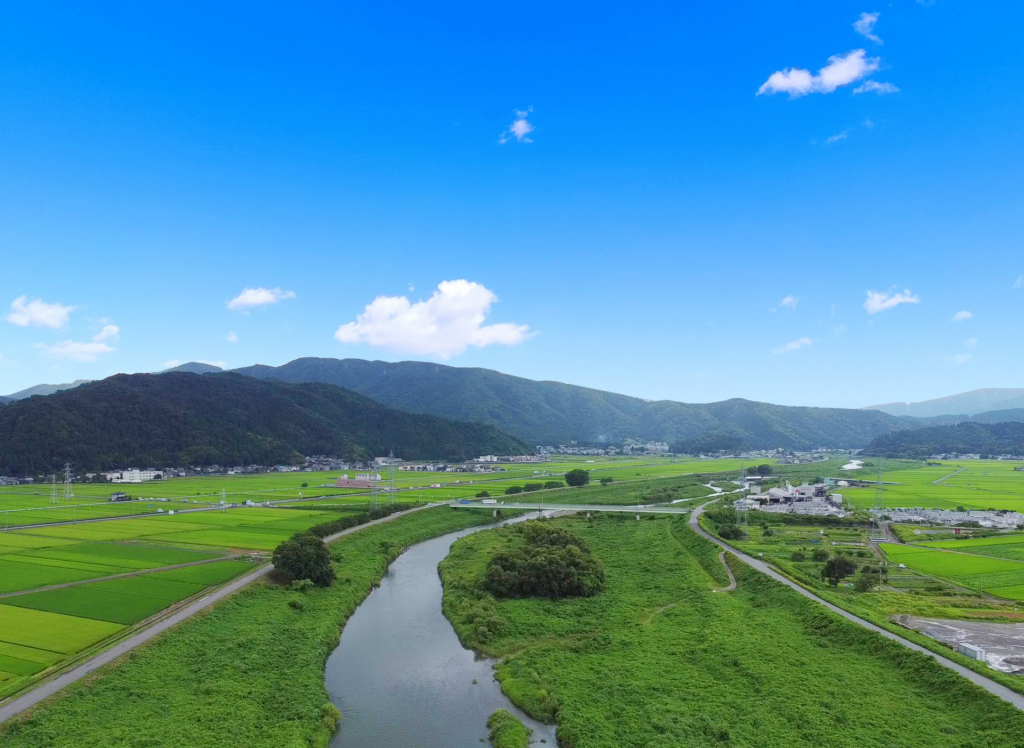
Inland, Fukui Prefecture is a leading producer of Koshihikari rice, considered one of Japan’s finest rice varieties. Pure water, clean air, and nutrient-rich soil contribute to its flavor and texture. Rice cultivation here reflects the deep connection between nature and daily life, forming the backbone of local cuisine and seasonal food culture.
Together, sea and land demonstrate how Echizen Fukui Japan thrives through harmony with nature, producing food that is both refined and deeply regional.
The Enduring Appeal of Echizen Fukui Japan
Echizen Fukui Japan is not defined by a single attraction, but by the seamless integration of tradition, history, and nature. Its crafts reflect centuries of human skill, its samurai sites preserve powerful historical narratives, and its natural environment sustains a cuisine rooted in place and season.
For travelers seeking an authentic and meaningful experience of Japan, Echizen offers something increasingly rare: a living cultural landscape where the past is not preserved behind glass, but continues to shape the present. To visit Echizen Fukui Japan is to understand how Japanese culture has endured—quietly, skillfully, and in harmony with nature.