
Jan 26 ・ 3 min read
Escape to Gunma Ken Japan: Unforgettable Onsen, Scenic Beauty, and Local Delights
Where Is Gunma Prefecture?
Gunma Prefecture is located in the northwestern part of Japan’s Kanto region, just inland from Tokyo. Despite being less than two hours from the capital, Gunma feels like a completely different world—mountainous, spacious, and deeply connected to nature.
As a landlocked prefecture surrounded by mountains, Gunma is known for its clean air, abundant water sources, and dramatic landscapes shaped by volcanic activity. Its excellent rail and road connections make it an easy yet rewarding escape for travelers looking to experience a more authentic and tranquil side of Japan.
World-Class Hot Springs (Onsen)
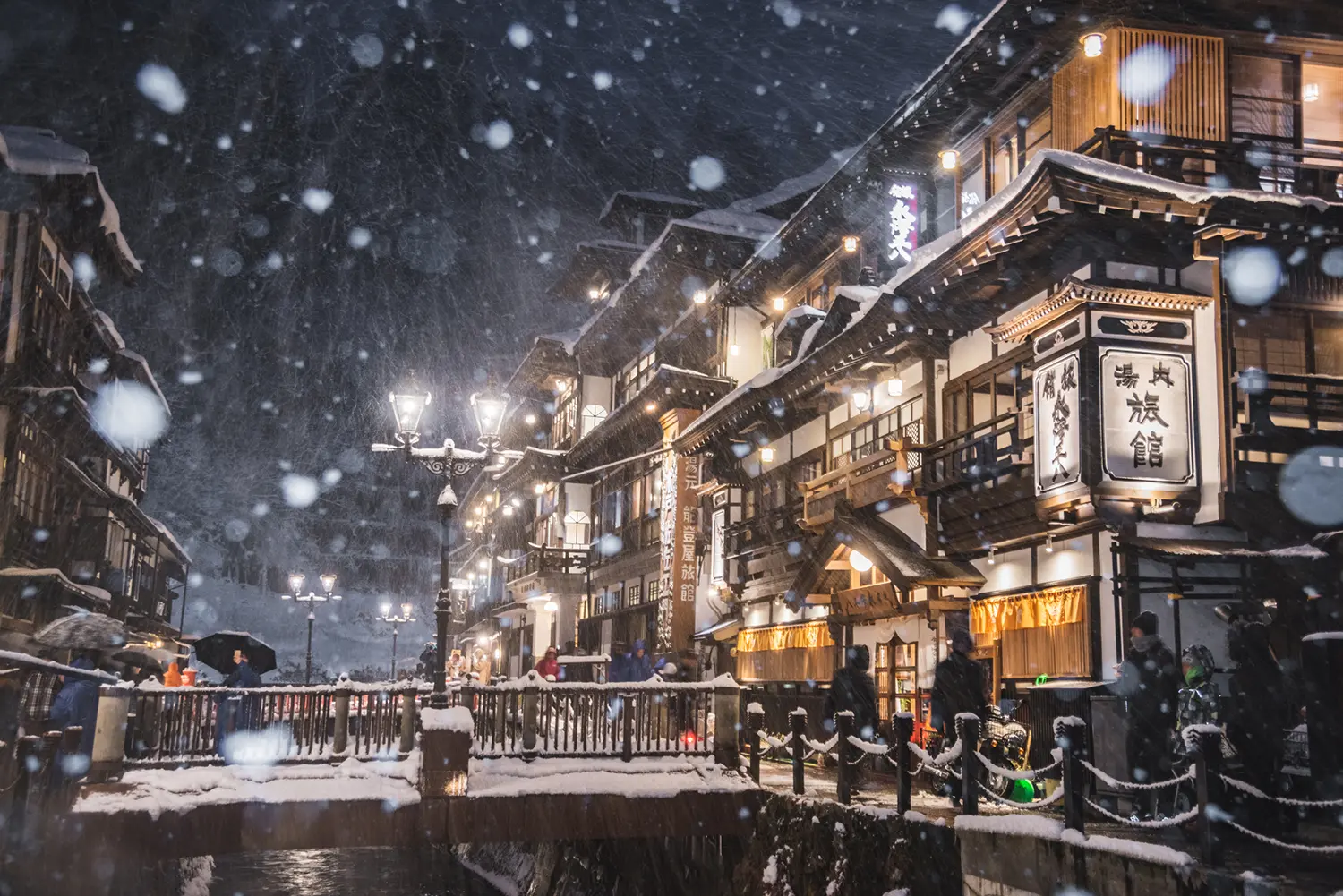
Gunma is one of Japan’s most renowned onsen prefectures, home to several of the country’s most famous hot spring resorts.
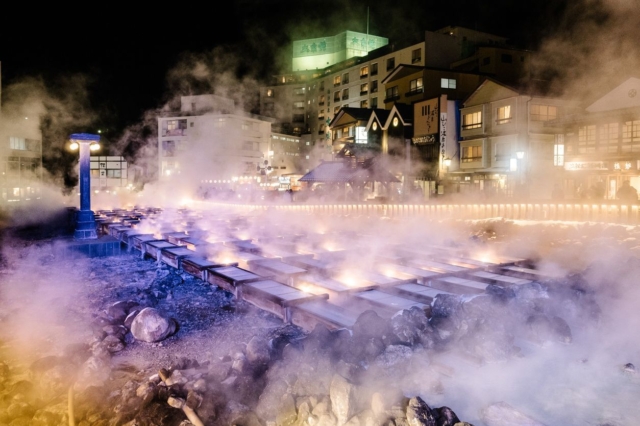
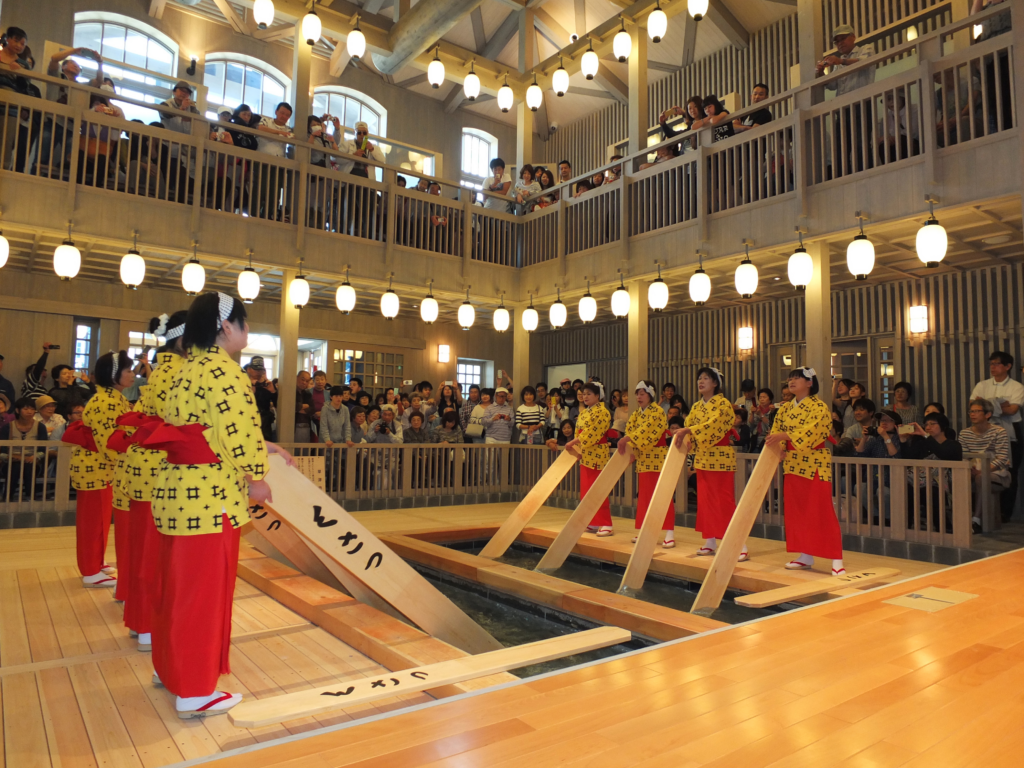
Kusatsu Onsen is often ranked as Japan’s top onsen destination, celebrated for its highly acidic, mineral-rich waters believed to have exceptional healing properties. The iconic Yubatake (hot water field) and traditional Yumomi performance embody centuries of bathing culture.
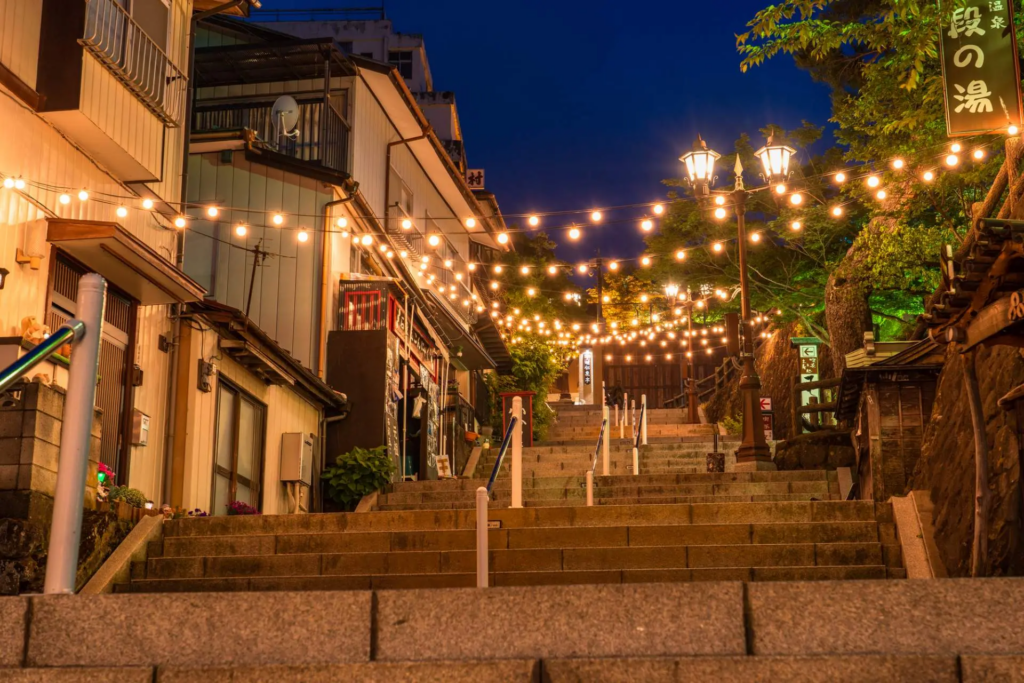
Ikaho Onsen is known for its atmospheric stone stairway lined with ryokan and shops, as well as its distinctive iron-rich “golden” hot spring water.
Meanwhile, Minakami Onsen offers a perfect balance of relaxation and adventure, allowing visitors to enjoy outdoor activities by day and soothing hot springs by night. Across the prefecture, onsen are not just places to bathe, but cultural spaces where time slows down and the body and mind are restored.
Breathtaking Natural Beauty
Gunma’s natural scenery changes dramatically with the seasons, offering year-round beauty.
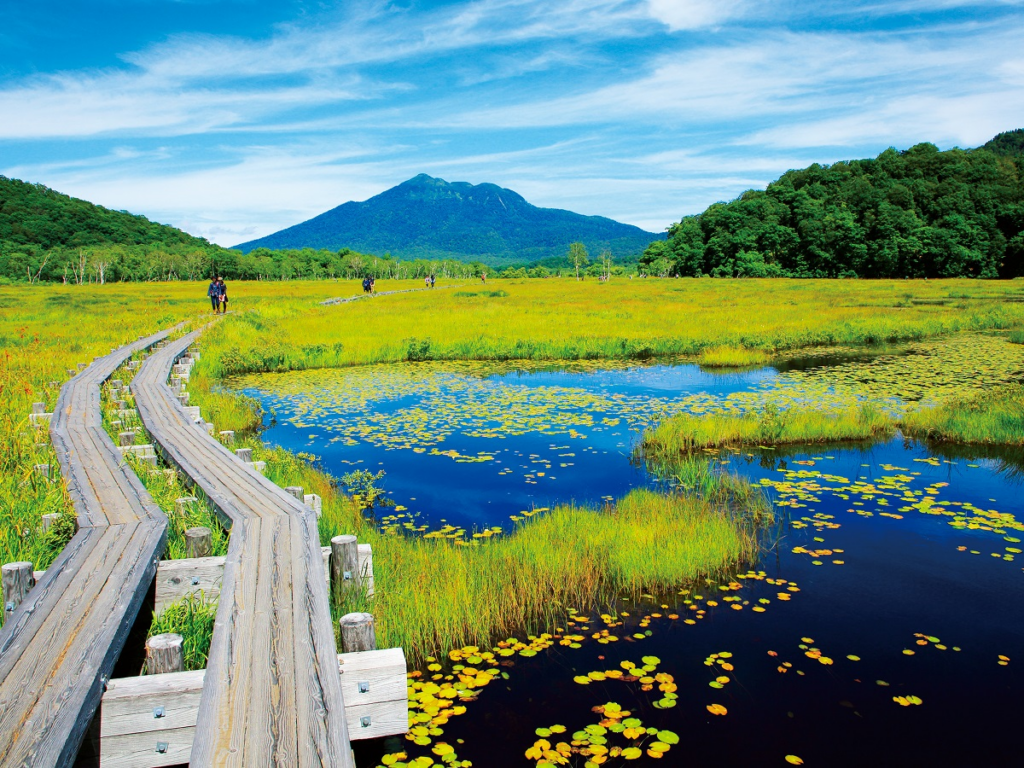
Oze National Park is one of Japan’s most treasured natural areas, famous for its vast alpine wetlands, wooden boardwalks, and seasonal flowers. Spring brings white skunk cabbage blooms, while summer and autumn transform the landscape with vibrant colors.
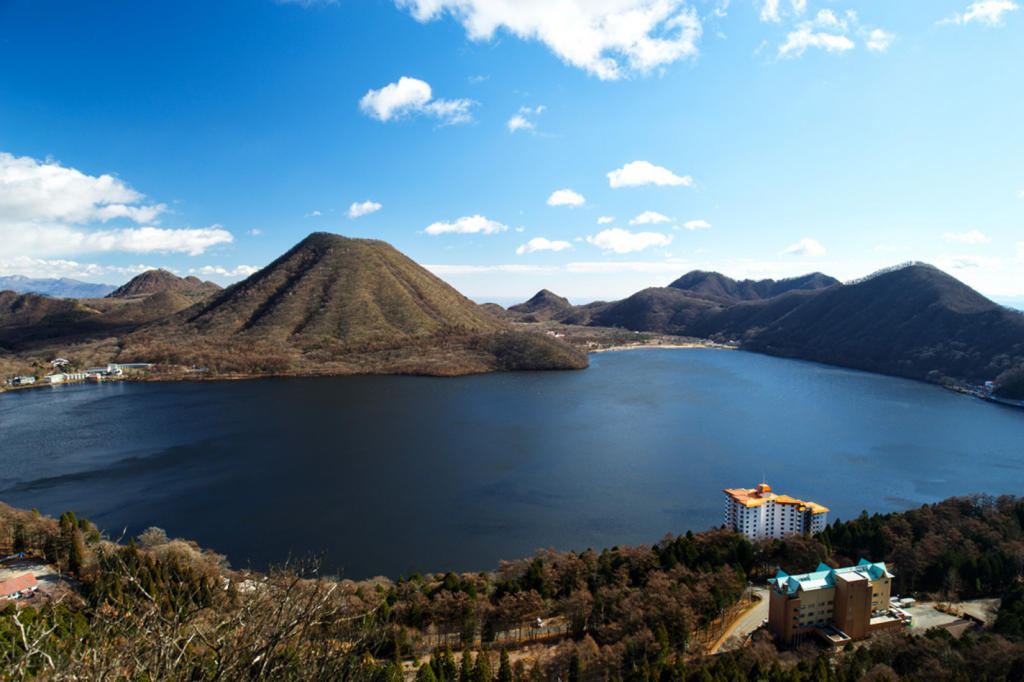
Volcanic mountains such as Mount Akagi and Mount Haruna dominate the skyline, creating dramatic views, crater lakes, and scenic hiking routes. In autumn, the mountains glow with red and gold foliage, while winter blankets the region in snow, turning Gunma into a serene winter wonderland ideal for skiing and snow-covered hot spring baths.
Cultural Heritage and Traditions
Beyond nature, Gunma offers deep cultural and historical experiences.
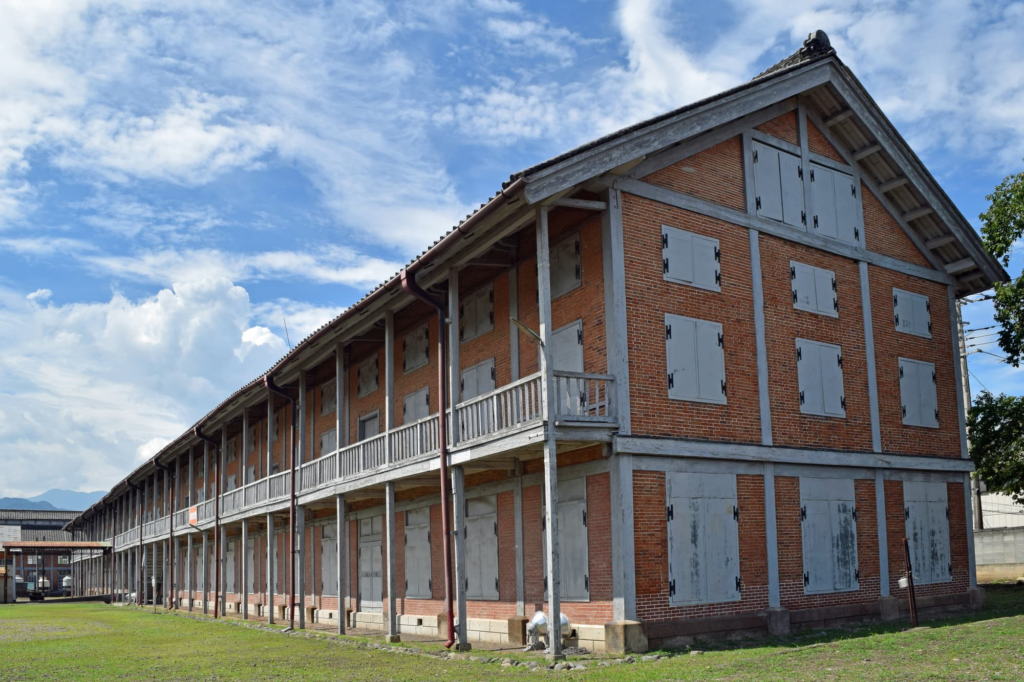
Tomioka Silk Mill, a UNESCO World Heritage Site, played a crucial role in Japan’s modernization. Established in 1872, it was Japan’s first modern silk-reeling factory and a symbol of the country’s industrial transformation during the Meiji era.
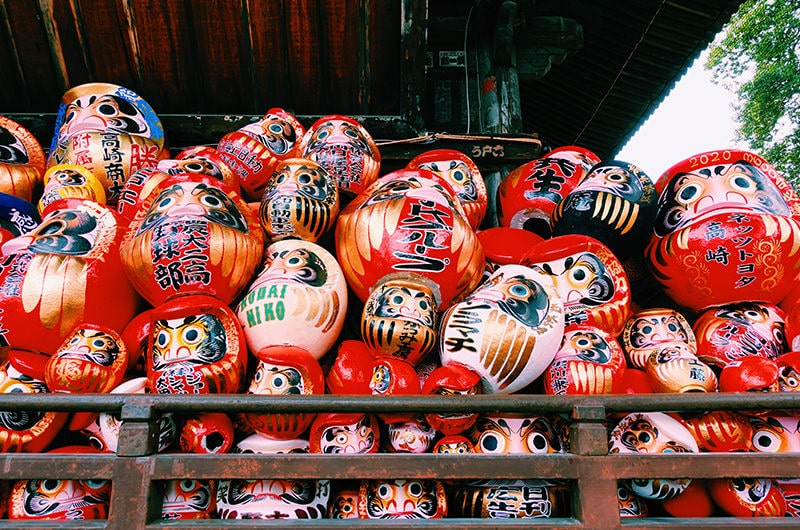
Gunma is also famous for its Daruma dolls, especially in Takasaki City, which produces the majority of Daruma in Japan. These symbolic figures represent perseverance and good fortune and remain deeply embedded in local life.
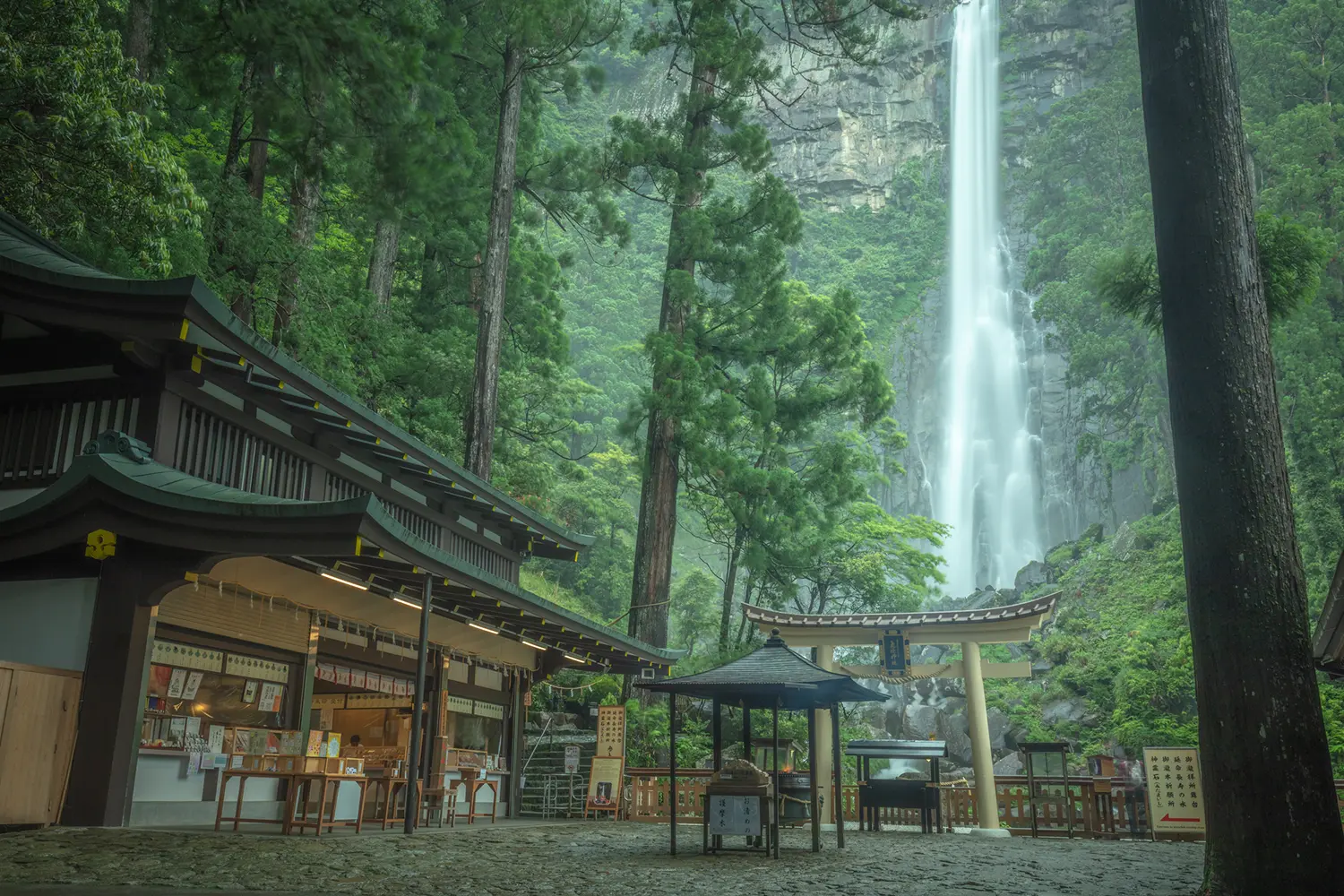
Sacred sites such as Haruna Shrine, nestled within towering cedar forests and massive rock formations, reflect Japan’s ancient Shinto beliefs and the spiritual connection between nature and worship.
Conclusion: Why Visit Gunma?
Gunma Prefecture is a destination that quietly delivers some of Japan’s most rewarding travel experiences. Easily accessible from Tokyo yet worlds apart in atmosphere, it offers a rare balance of relaxation, adventure, and cultural depth.
From soaking in legendary hot springs and hiking through pristine wetlands to exploring UNESCO-listed heritage sites and timeless traditions, Gunma invites travelers to slow down and reconnect—with nature, history, and themselves.
For those seeking an authentic Japan beyond the major cities, Gunma is not just a place to visit—it is a place to remember.