
Jan 26 ・ 3 min read
Green Tea vs Matcha Tea: What’s the Difference?
When people hear “Japanese tea,” they often think of green tea or matcha.
But what’s the real difference between green tea vs matcha tea?
Although both come from the same plant, their growing method, preparation, taste, and health benefits are very different.
This guide explains everything clearly—even if you’re new to Japanese tea culture.
What Is Green Tea?
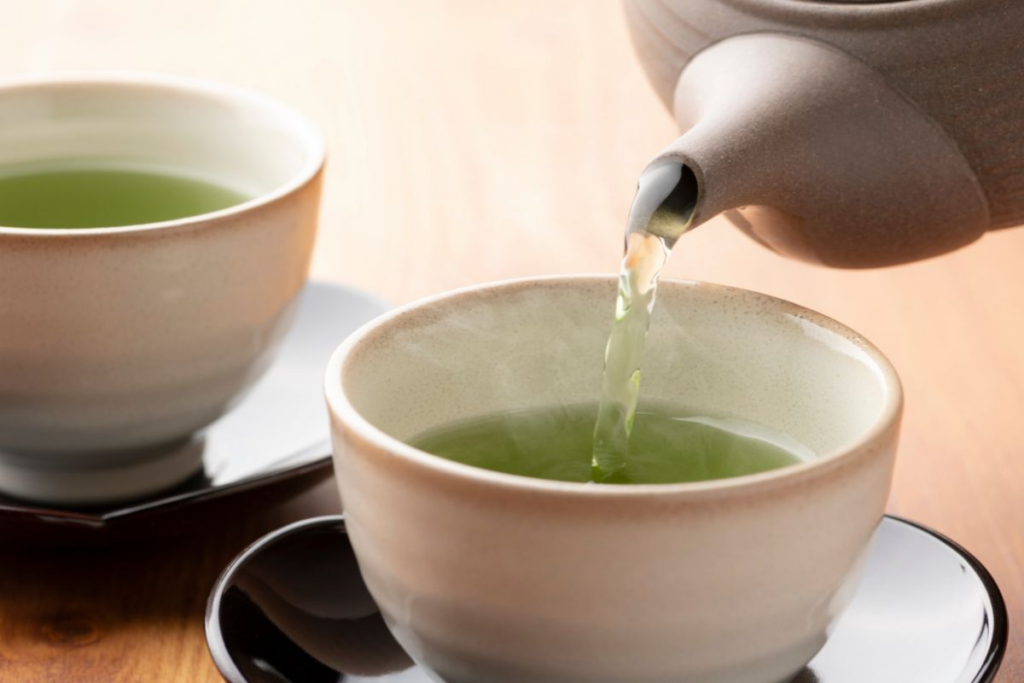
Green tea is a traditional Japanese tea made by steeping tea leaves in hot water.
How Green Tea Is Made
- Tea leaves are grown in direct sunlight
- Leaves are harvested, steamed, rolled, and dried
- The leaves are removed after brewing
Taste Profile
- Light and refreshing
- Slightly bitter or grassy
- Clean finish, easy to drink daily
In Japan, green tea is far more commonly consumed on a daily basis than matcha.
It is enjoyed at home, in offices, and in restaurants, making it an everyday beverage rather than something special.
Matcha, on the other hand, is typically reserved for tea ceremonies, special cultural experiences, or sweets, and is considered a more occasional or ceremonial tea.
What Is Matcha Tea?
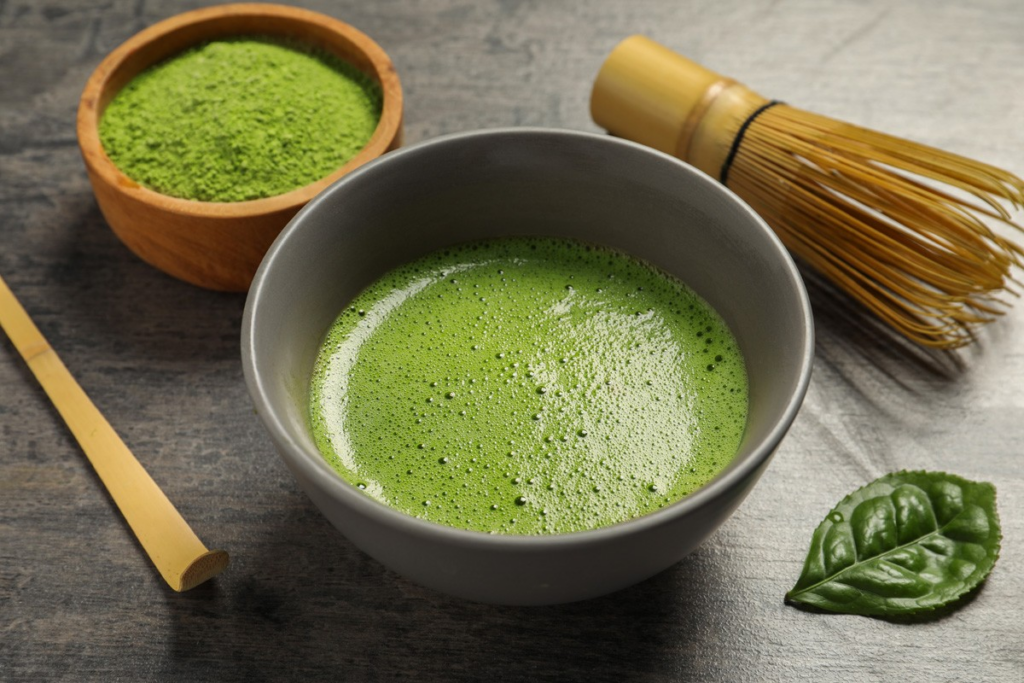
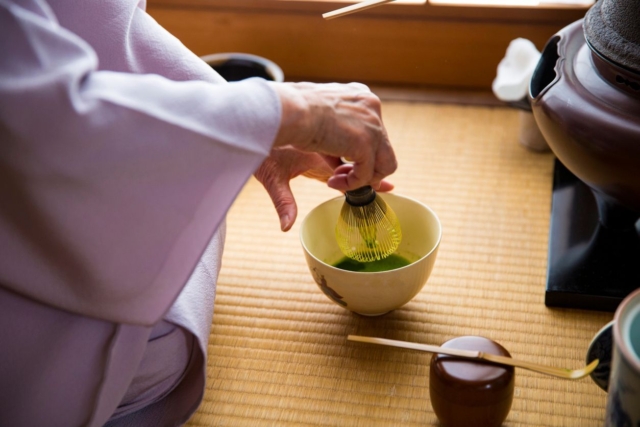
Matcha tea is a powdered form of green tea that you drink whole, not just as an infusion.
How Matcha Is Made
- Tea plants are shade-grown for about 3–4 weeks before harvest
- Leaves are stone-ground into a fine green powder
- The powder is whisked into water, and you consume the entire leaf
Taste Profile
- Rich and creamy
- Umami-forward
- Slight natural sweetness (high-quality matcha)
Health Benefits: Green Tea vs Matcha Tea
Both are healthy—but matcha is more concentrated.
Green Tea Benefits
- Antioxidants (catechins)
- Supports digestion
- Gentle energy boost
- Easy on the stomach
Matcha Tea Benefits
- Higher antioxidants (especially EGCG)
- Sustained energy (L-theanine + caffeine)
- Improved focus and calm alertness
- Popular among people who want a “coffee alternative”
Because you consume the whole leaf, matcha delivers more nutrients per cup.
Caffeine Comparison
- Green tea: ~20–40 mg per cup
- Matcha tea: ~60–70 mg per serving
However, matcha’s caffeine is released slowly, helping avoid the sudden crash often associated with coffee.
Which Should You Choose?
Choose green tea if you:
- Want a light, refreshing drink
- Prefer lower caffeine
- Enjoy traditional daily tea
Choose matcha tea if you:
- Want stronger health benefits
- Need focused energy
- Enjoy bold, creamy flavors
- Like matcha lattes or desserts
Final Thoughts: Green Tea vs Matcha Tea
When it comes to green tea vs matcha tea, neither is better—they simply serve different roles.
- Green tea is an everyday companion in Japanese life
- Matcha is a concentrated, cultural, and often special experience
Understanding this difference allows you to appreciate Japanese tea culture more authentically.