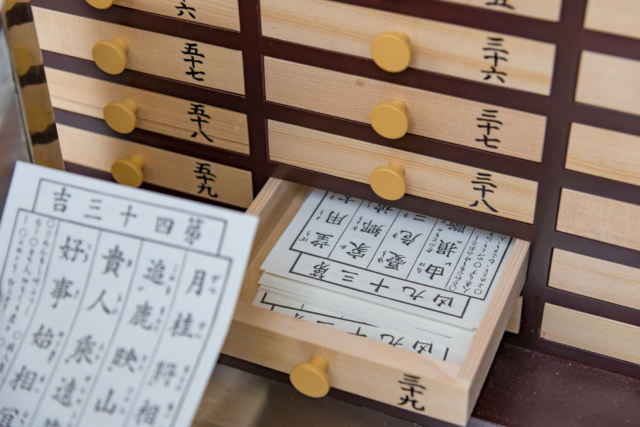

Dec 22 ・ 4 min read
Omikuji Fortunes: Understanding Japan’s Sacred Shrine Predictions and Their Cultural Meaning
When visiting a Japanese shrine or temple, many people are drawn to one of Japan’s most fascinating spiritual traditions: omikuji fortunes. These small slips of paper offer guidance, inspiration, and reflection, providing insight into health, love, work, travel, and future luck. Far more than simple fortune-telling, omikuji connect visitors to centuries of Japanese spirituality, ritual, and cultural wisdom.
What Are Omikuji and Their Purpose?
Omikuji are sacred fortune slips found at Shinto shrines and Buddhist temples across Japan. Visitors draw them to receive divine guidance from the kami (deities) or buddhas. Rather than predicting fate absolutely, omikuji fortunes encourage reflection, personal awareness, and mindfulness about life’s direction.
People often draw omikuji during:
- Hatsumode (New Year shrine visits)
- Before important life decisions
- During travel or spiritual reflection
- Times of uncertainty or renewal
Each fortune includes:
- An overall luck ranking (such as Daikichi or Kyo)
- A poetic message
- Specific guidance on areas like love, work, health, or wishes
The deeper purpose of omikuji is not to control destiny, but to help people reflect, reset, and move forward consciously.
A Brief History of Omikuji Fortunes
The origins of omikuji fortunes trace back to ancient divination practices in Japan, where natural signs were interpreted as messages from the gods. Over time, Buddhist and Chinese influences shaped more structured fortune systems.
A key development came in the Heian period (794–1185), when written fortunes became more common. The Tendai monk Ryōgen created one of the earliest known structured systems, leading to what we recognize today.
During the Edo period (1603–1868), omikuji became widely accessible to the public. Paper slips with standardized luck rankings and detailed guidance began appearing in temples and shrines nationwide. Since then, omikuji has become a beloved and enduring aspect of Japanese spiritual culture.
Types of Omikuji: How They Are Drawn
There are several traditional and modern ways to draw omikuji fortunes. The core idea is always the same: to randomly receive a message of guidance.
1. Kuji-Bō (Fortune Stick Method)
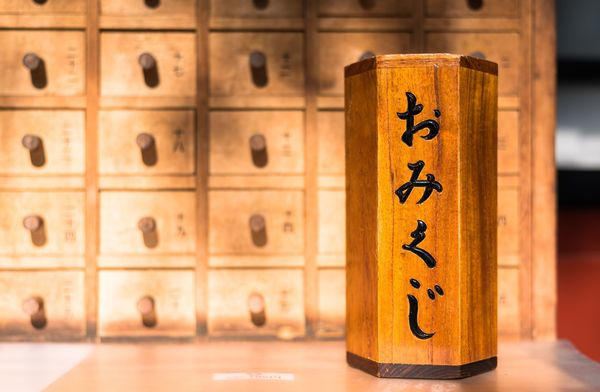
This is the most traditional method.
- Shake a wooden box filled with numbered sticks
- Draw one stick
- Match the number to a drawer or receive a corresponding slip from a shrine attendant
2. Direct Selection from a Box
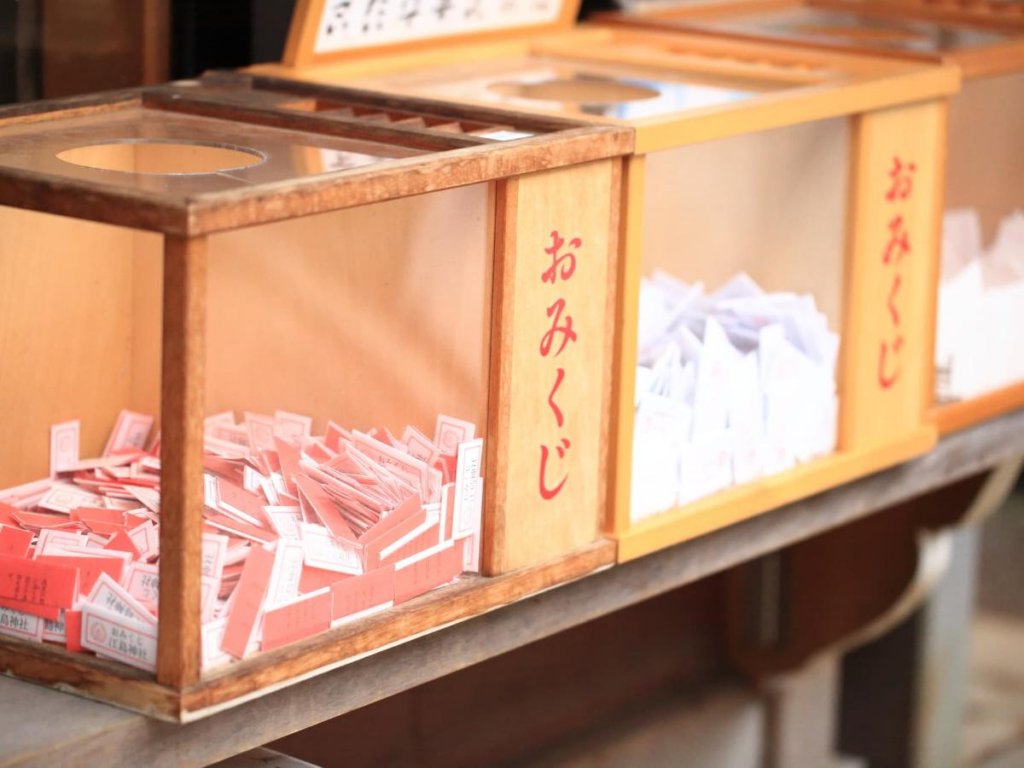
Pre-folded omikuji slips are placed in a container.
- Make your offering
- Randomly select a slip
- Open and read your fortune
The Spectrum of Luck: From Daikichi to Daikyo
Omikuji fortunes are ranked in levels of luck. While phrasing may vary, the commonly recognized order is:
- 大吉 (Daikichi) – Great Blessing / Excellent Luck
- 中吉 (Chūkichi) – Middle Blessing / Very Good Luck
- 小吉 (Shōkichi) – Small Blessing / Good Luck
- 吉 (Kichi) – Blessing / General Good Luck
- 半吉 (Hankichi) – Half Blessing / Mixed but Mostly Positive
- 末吉 (Suekichi) – Future Blessing / Luck Will Improve Later
- 凶 (Kyō) – Bad Luck
- 大凶 (Daikyō) – Great Misfortune
Even great luck does not guarantee automatic success—it often comes with messages encouraging humility and effort.
Likewise, bad luck is not doom. It is seen as guidance and an opportunity to improve choices, behavior, and mindset.
What to Do After Drawing Omikuji Fortunes
What happens after you receive your fortune is an important part of the experience.
1.Keeping Your Fortune
If you receive good luck such as Daikichi or Kichi, you may:
- Keep it in your wallet
- Place it in your bag or diary
This symbolizes carrying positive guidance into daily life.
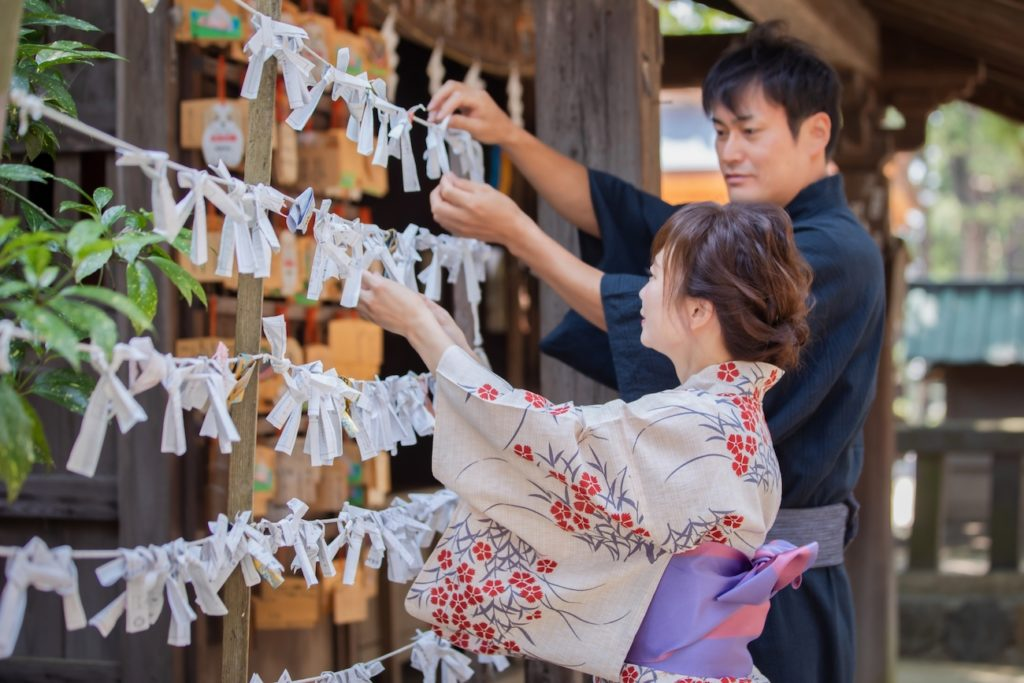
2.Tying Your Fortune
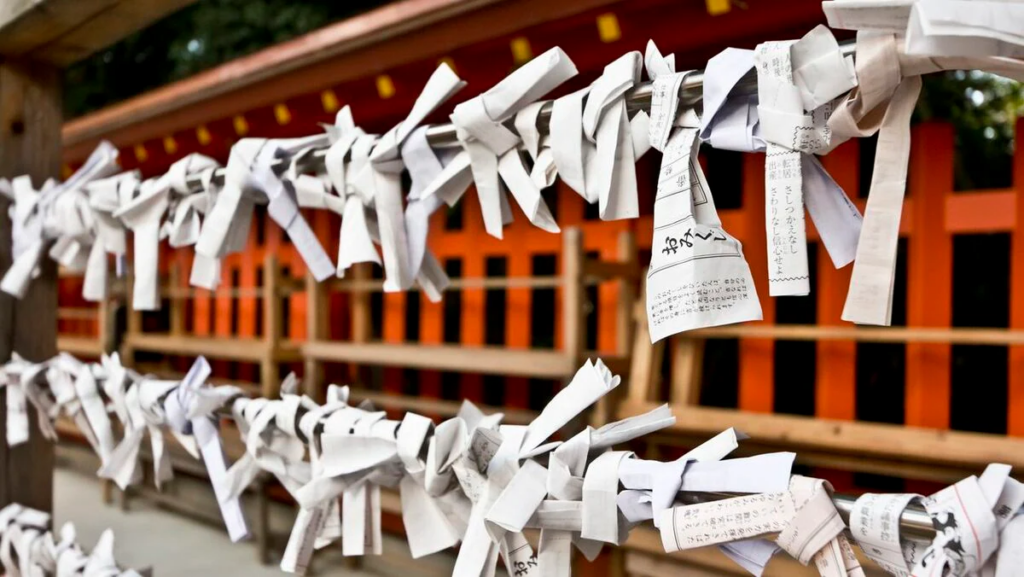
Shrines provide special racks or ropes where omikuji may be tied.
- Good fortune tied: asking the kami to help it come true
- Bad fortune tied: symbolically leaving misfortune behind and allowing it to be purified
Avoid tying omikuji to trees or unauthorized locations to protect the environment and respect shrine etiquette.
The Cultural Significance of Omikuji Fortunes
Beyond prediction, omikuji fortunes hold deep cultural meaning in Japan.
1.Spiritual Connection
They strengthen the connection between humans and divine spirits, providing comfort, reassurance, or challenge.
2.Tradition
Especially during New Year and important life transitions, omikuji reinforce shared cultural identity and continuity.
3.Personal Reflection
They encourage people to rethink their lives, relationships, goals, and attitudes.
4.Emotional Impact
Even difficult fortunes are framed as warnings that inspire resilience, patience, and growth.
5.Community Experience
Drawing omikuji is a shared ritual—families, friends, and travelers experience it together, creating meaningful memories.
Conclusion
Omikuji fortunes are much more than random slips of paper. They represent centuries of Japanese spirituality, culture, and wisdom. Whether you receive great blessing or a warning, each omikuji is an invitation to pause, reflect, and realign your path.
By embracing omikuji with respect and openness, visitors connect not only with Japanese tradition but also with themselves—making omikuji an unforgettable and meaningful part of any shrine or temple visit in Japan.