
Jan 8 ・ 12 min read
Is All Wagyu Kobe Beef? The Truth About Kobe Beef vs Wagyu
Is all Wagyu Kobe beef? This article demystifies the world of premium Japanese beef, explaining the distinct origins, strict criteria, and unique qualities that set Wagyu apart from the ultra-exclusive Kobe beef. Discover how to identify authentic products and understand their true value.
1.Understanding Wagyu What It Truly Means
1.1 The Four Breeds of Japanese Wagyu Cattle
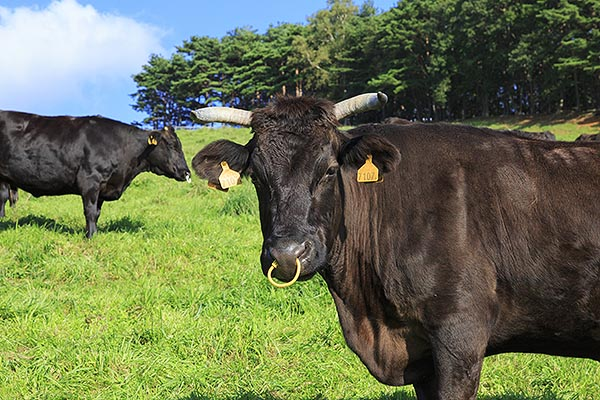
The term “Wagyu” (和牛) literally translates to “Japanese cattle”, encompassing several distinct breeds native to Japan. Far from being just a type of beef, Wagyu represents a culmination of centuries of selective breeding, meticulous care, and a unique genetic predisposition that results in a culinary experience unlike any other.
While often mistakenly used interchangeably with “Kobe beef,” Wagyu is the broader category. Think of it this way: all Kobe beef is Wagyu, but not all Wagyu is Kobe beef. This foundational understanding is crucial for appreciating the nuances of this highly prized meat.
The distinctive qualities of Japanese Wagyu originate from four native cattle breeds, developed through decades of careful selection. Following the Meiji Restoration, as meat consumption became more common in Japan, native cattle were selectively crossbred with Western breeds. Once superior traits were identified, these bloodlines were isolated and refined, forming the foundation of modern Wagyu.
The most important of these breeds is Japanese Black, which accounts for over 90% of all Wagyu cattle today. It is prized for its exceptionally fine and abundant marbling, which gives Wagyu its rich flavor and signature melt-in-the-mouth tenderness. Most of Japan’s famous Wagyu brands—such as Kobe, Matsusaka, and Ohmi—are derived from this breed.
Japanese Brown (Akaushi) offers a contrasting profile, with leaner meat and lighter marbling. It is valued for its clean, savory flavor, balanced richness, and firm yet tender texture.
The remaining breeds, Japanese Shorthorn and Japanese Polled, are produced in very limited quantities and are rarely encountered in the broader Wagyu market. As a result, they play only a minor role in Wagyu production compared to Japanese Black and Japanese Brown.
1.2 The Origins and History of Wagyu Beef
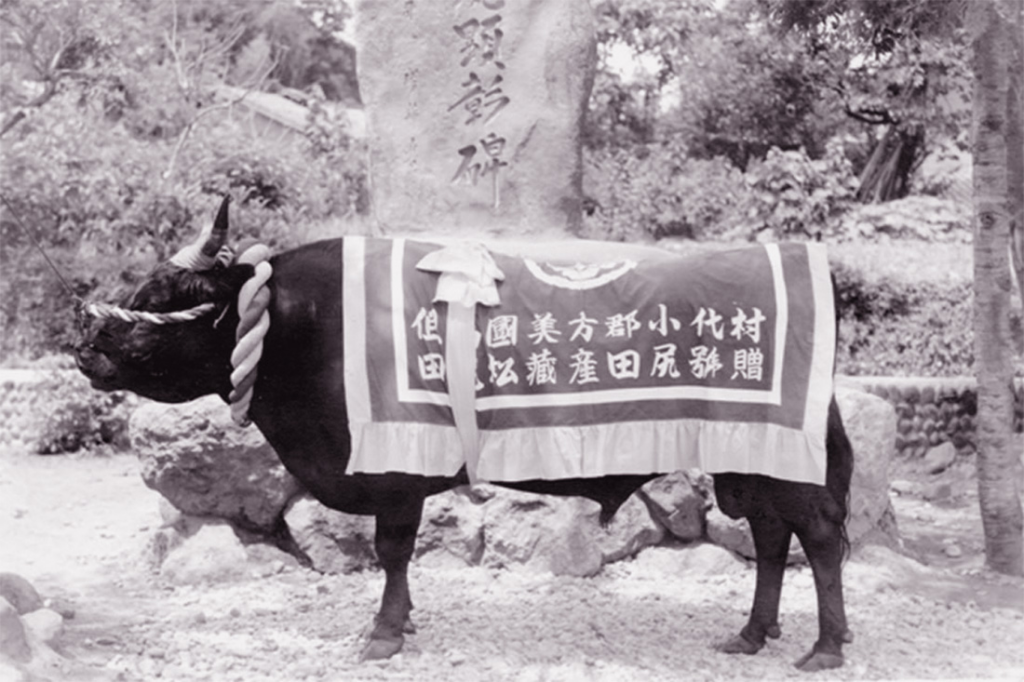
The journey of Wagyu beef from draft animal to global delicacy is a fascinating one, deeply rooted in Japanese history and culture. For centuries, cattle in Japan were primarily utilized for agricultural labor, with the consumption of meat being largely prohibited due to Buddhist influences. This changed dramatically with the Meiji Restoration in 1868, which opened Japan to Western influences and lifted the ban on meat consumption.
Following this period, various European breeds such as Devon, Shorthorn, and Simmental were introduced and crossbred with native Japanese cattle to enhance their size, strength, and meat quality. However, by the early 20th century, the Japanese government recognized the importance of preserving and developing distinct native strains. A policy of genetic isolation was implemented around 1910, effectively halting further crossbreeding with foreign cattle and leading to the stabilization of the four distinct Wagyu breeds we know today. This strategic decision was pivotal in safeguarding the unique genetic characteristics that define Wagyu.
1.3 What Makes Wagyu So Special
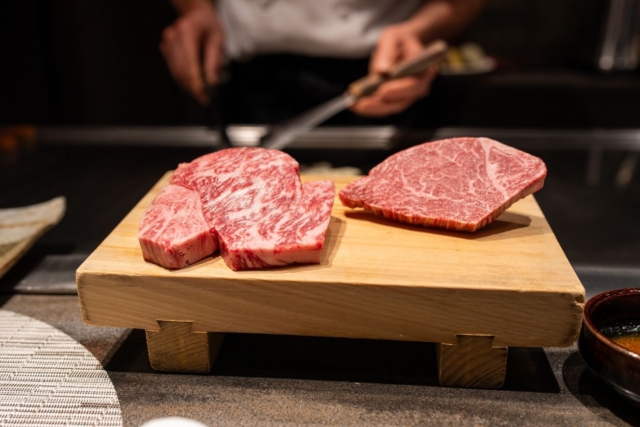
The allure of Wagyu lies in a combination of unique genetic traits and meticulous rearing practices, culminating in an unparalleled sensory experience. At its core, Wagyu cattle possess a genetic predisposition to store fat intramuscularly rather than subcutaneously (under the skin). This results in the hallmark feature of Wagyu: intense marbling.
- Exceptional Marbling (Sashi): Unlike conventional beef, Wagyu exhibits a delicate, intricate web of monounsaturated fat woven throughout the muscle fibers. This “sashi” is not just about fat content; it’s about the fine distribution and quality of the fat, which is responsible for the meat’s legendary tenderness and juiciness.
- Unique Fat Composition: The intramuscular fat in Wagyu is rich in monounsaturated fatty acids (MUFAs), particularly oleic acid. This gives Wagyu its distinctively low melting point – often melting at room temperature or even from the heat of your hand. This low melting point contributes to the meat’s buttery texture and exquisite, lingering flavor. Furthermore, MUFAs are considered healthier fats, adding to Wagyu’s appeal.
- Rich Umami Flavor: Beyond tenderness and juiciness, Wagyu is celebrated for its deep, savory flavor, often described as having significant umami. This is attributed to the presence of specific amino acids and nucleotides, such as inosinic acid and glutamic acid, which are enhanced by the unique fat composition.
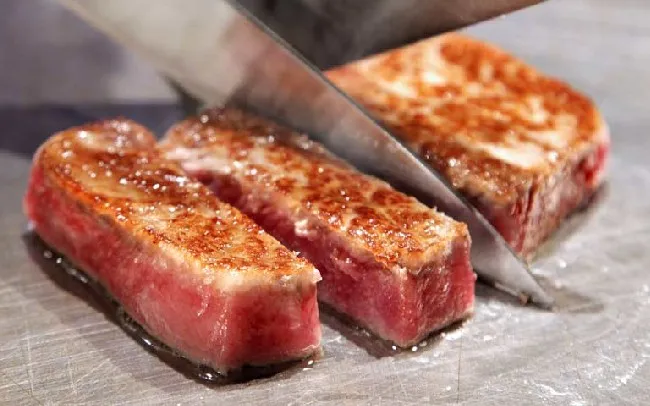
- Melt-in-Your-Mouth Texture: The combination of fine marbling and the low melting point of the fat results in a texture that is incredibly tender, almost dissolving on the palate. This is a primary reason why Wagyu is often served in smaller portions, as its richness and intensity are profoundly satisfying.
These intrinsic qualities, developed over generations, ensure that authentic Japanese Wagyu offers a dining experience that is truly in a class of its own.
2.Unpacking Kobe Beef The Elite of Wagyu
2.1 The Strict Criteria for Authentic Kobe Beef
While all Kobe Beef is Wagyu, not all Wagyu is Kobe Beef. Kobe Beef represents the pinnacle of Japanese beef, a highly exclusive and rigorously regulated product that has achieved legendary status among gourmands worldwide. It is a specific type of Wagyu, distinguished by an extraordinarily strict set of criteria that dictate everything from the cattle’s lineage to its processing location and final meat quality.
To be officially designated as Kobe Beef, the cattle and its resulting meat must meet an exacting list of standards enforced by the Kobe Beef Marketing & Distribution Promotion Association. These regulations ensure its unparalleled quality and authenticity, making it one of the most exclusive food products globally. Only a tiny fraction of Wagyu cattle ultimately qualifies as Kobe Beef.
Here are the non-negotiable criteria:
| Criterion | Description |
|---|---|
| Cattle Breed | Must be a purebred Tajima-gyu (Tajima cattle), a specific strain of Japanese Black cattle. |
| Birthplace & Rearing | Born and raised exclusively within Hyogo Prefecture, Japan, where Kobe is the capital city. |
| Slaughter Location | Slaughtered at designated abattoirs within Hyogo Prefecture (e.g., Kobe, Himeji, Kakogawa, Sanda, etc.). |
| Carcass Weight | The gross weight of the beef carcass must be between 260 kg and 499.9 kg. |
| Meat Quality Score | Achieve a meat quality score of 4 or 5 according to the Japanese Meat Grading Association (JMGA) standards. |
| Beef Marbling Standard (BMS) | Possess a Beef Marbling Standard (BMS) score of 6 or higher, indicating superior marbling. |
| Fine Meat Texture | Must exhibit excellent firmness and texture, a hallmark of its quality. |
Failure to meet even one of these stringent requirements means the beef cannot be certified as authentic Kobe Beef, regardless of its quality or origin. This rigorous selection process is fundamental to maintaining its elite reputation and consistent excellence.
2.2 The Significance of Tajima Cattle
At the heart of Kobe Beef’s distinctiveness lies the Tajima-gyu cattle. These are not just any Japanese Black cattle; they are a unique, ancient lineage that has been selectively bred and isolated in the mountainous regions of Hyogo Prefecture for centuries. Their genetic purity and specific characteristics are crucial for producing the signature qualities of Kobe Beef.
- Genetic Purity: Tajima cattle possess a genetic predisposition for developing extraordinarily fine-grained intramuscular fat, known as “sashi.” This marbling melts at a lower temperature, contributing to the melt-in-your-mouth texture and rich flavor.
- Unique Rearing Environment: Raised in the mild climate and natural environment of Hyogo, Tajima cattle benefit from local feed and traditional farming methods passed down through generations.
- Tradition and Heritage: The lineage is carefully preserved, with meticulous records kept to ensure the authenticity and genetic integrity of each animal. This long history of selective breeding has refined their ability to produce superior beef.
It is the combination of these specific genetics, coupled with the precise rearing and processing conditions within Hyogo Prefecture, that elevates Tajima cattle to the exclusive status of being the only breed capable of yielding authentic Kobe Beef.
2.3 Why Kobe Beef Commands Such a High Price
The astronomical price tag associated with Kobe Beef is not merely a matter of hype; it is a direct reflection of its extreme rarity, the intensive labor involved in its production, and its unparalleled quality. Several factors contribute to its status as one of the world’s most expensive meats:
- Extreme Rarity and Limited Supply: As detailed, the strict criteria drastically limit the number of cattle that can qualify as Kobe Beef. Annually, only a few thousand cattle meet these standards, making it incredibly scarce.
- Labor-Intensive Rearing: The traditional methods of raising Tajima cattle are demanding. Farmers often employ specialized feeding regimens, providing high-quality grains, fresh water, and sometimes even beer or sake mash to stimulate appetite. The cattle are also given ample space and a stress-free environment, which is believed to contribute to the meat’s tenderness. This meticulous care requires significant time, resources, and expertise.
- Unrivaled Quality: The resulting beef is renowned for its exquisite marbling, buttery texture, and rich, umami-laden flavor that is distinct from other Wagyu. This consistent, superior quality commands a premium.
- Certification and Branding Costs: The rigorous certification process and the maintenance of the Kobe Beef brand’s integrity involve significant administrative and marketing costs, which are factored into the final price. The Kobe Beef Marketing & Distribution Promotion Association oversees this entire process, ensuring authenticity and protecting the brand’s value.
- Global Demand: Despite its high price, there is immense global demand for authentic Kobe Beef, particularly in luxury dining establishments and among discerning consumers, further driving up its market value.
These combined elements solidify Kobe Beef’s position as a luxury product, justifying its premium price point and ensuring its continued reputation as the “elite of Wagyu.”
3.Avoiding Misleading Labels on Wagyu Products
3.1 Common misleading labels and what they really mean
The popularity and premium price of Japanese Wagyu, especially Kobe Beef, have led to a proliferation of misleading labeling practices globally. Understanding these deceptive terms is crucial for making an informed purchase.
- “American Wagyu” or “Australian Wagyu”: These terms refer to beef from cattle that are crossbred with Japanese Wagyu genetics, typically with Angus or other local breeds. While often high-quality and flavorful, they are not purebred Japanese Wagyu and certainly not Kobe Beef. Their flavor profile and marbling can differ significantly from their Japanese counterparts.
- “Kobe-style Beef” or “Wagyu-style Beef”: These are marketing terms with no official definition or regulation. They often refer to beef from crossbred cattle or even conventional beef raised using similar feeding practices, but they do not meet the stringent criteria of authentic Japanese Wagyu or Kobe Beef. These labels are a red flag.
- Geographical Misnomers: Be wary of terms like “Idaho Wagyu” or “Texas Kobe.” While these regions may produce excellent local beef, they cannot produce genuine Japanese Wagyu or Kobe Beef due to geographical restrictions and breed purity requirements.
- Price Discrepancy: Authentic Kobe Beef and high-grade Japanese Wagyu are inherently expensive due to their rarity, meticulous rearing, and import costs. If a price seems too good to be true for “Kobe” or “A5 Wagyu,” it almost certainly is. Expect to pay a premium for the genuine article.
- Lack of Documentation: As mentioned, authentic Japanese Wagyu and especially Kobe Beef come with detailed traceability information and certificates. If a seller cannot provide this documentation, it’s a strong indication that the product is not authentic.
In summary, while all Kobe Beef is Wagyu, not all Wagyu is Kobe. Kobe Beef represents the pinnacle of a specific type of Japanese Wagyu, distinguished by its geographical origin, Tajima lineage, and rigorous certification process. By diligently checking for official seals, traceability numbers, and understanding the differences in labeling, consumers can confidently navigate the market and experience the unparalleled quality of real Japanese Wagyu and the legendary Kobe Beef. An informed choice ensures a truly exceptional culinary experience, honoring the tradition and meticulous care behind these world-renowned meats.
3.2 The Certified Kobe Beef Seal

Kobe Beef is not just any Wagyu; it is an elite designation reserved for Wagyu that meets incredibly strict criteria. To be considered authentic Kobe Beef, the cattle must be of the Tajima strain of Japanese Black cattle, born and raised in Hyogo Prefecture, Japan. Furthermore, they must meet specific weight, marbling, and quality standards established by the Kobe Beef Marketing & Distribution Promotion Association.
The definitive proof of authentic Kobe Beef is the official seal and certificate:
| Feature | Description |
|---|---|
| Official Seal | Look for the distinctive chrysanthemum-shaped logo of the Kobe Beef Marketing & Distribution Promotion Association. This seal features the word “KOBE BEEF” and is a protected trademark. |
| Certification Paper | Legitimate Kobe Beef will always come with a certificate of authenticity. This document details the animal’s individual identification number, farm of origin, date of slaughter, and confirmation that it meets all Kobe Beef standards. |
| Individual ID Number | Similar to general Japanese Wagyu, authentic Kobe Beef will have a 10-digit ID number. |
| Designated Retailers/Restaurants | The Kobe Beef Marketing & Distribution Promotion Association maintains a list of authorized retailers and restaurants worldwide. If you are unsure, check their official website for a list of certified establishments. |
Without these explicit markers, any claim of “Kobe Beef” should be treated with skepticism.
4.Conclusion
Wagyu and Kobe beef are often confused, but they are not the same.
All Kobe beef is Wagyu, but not all Wagyu is Kobe beef.
Wagyu refers to Japan’s four native cattle breeds, prized for their rich marbling, tenderness, and deep umami flavor. Kobe beef, by contrast, represents the highest tier of Wagyu—produced exclusively from Tajima cattle raised in Hyogo Prefecture and certified under exceptionally strict standards for marbling, quality, and weight.
Authentic Japanese Wagyu and Kobe beef are always accompanied by official certification, including individual identification numbers and recognized seals. While Wagyu offers a broad spectrum of premium beef, Kobe beef stands apart as its most refined and exclusive expression.
Experience the finest Wagyu and Kobe beef Japan has to offer.