
Dec 18 ・ 5 min read
Mizuhiki: Discover the Elegant Art of Japanese Knot Tying
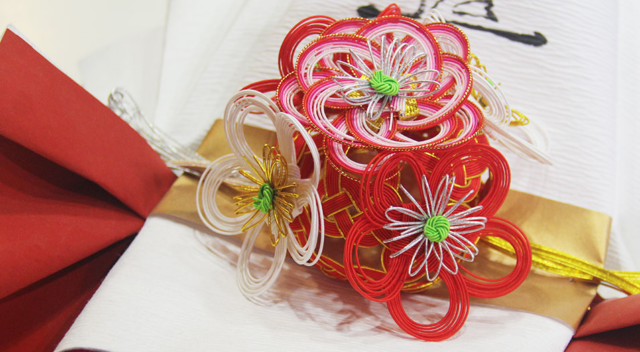
Mizuhiki is a traditional Japanese decorative art that uses intricately tied paper cords to convey meaning. In Japan, mizuhiki has long been used in important moments of life—such as on celebratory money envelopes, condolence envelopes, gift wrapping, and ceremonial decorations. The way the cords are tied and the colors chosen are never random; each combination communicates sentiments such as celebration, gratitude, respect, or mourning without the use of words.
At first glance, mizuhiki may appear to be simply a beautiful embellishment for gifts. However, behind its delicate appearance lies a deep cultural system that has been carefully preserved for centuries. Mizuhiki is not merely decoration—it is a symbolic expression of Japanese etiquette, values, and interpersonal consideration.
In recent years, mizuhiki has attracted renewed attention beyond traditional ceremonies, finding new expression in modern fields such as jewelry, fashion, and interior design. This article explores the history of mizuhiki, its materials, the meanings behind its knots, and how this timeless art continues to evolve today.
1.The History of Mizuhiki
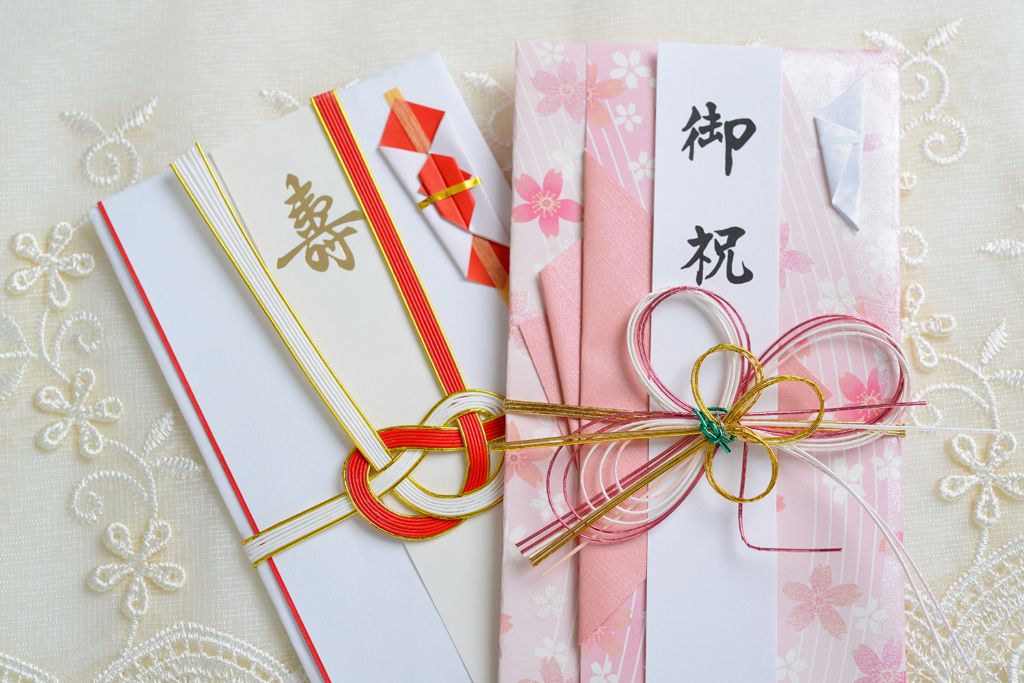
The origins of mizuhiki date back more than 1,000 years to Japan’s Asuka period. According to historical records, mizuhiki was introduced in 607 AD when a Japanese envoy returned from China with gifts tied using red and white cords. These cords were used to distinguish official offerings from personal belongings, marking them as objects of respect.
Over time, this practical function evolved into a refined cultural practice. During the Heian period (794–1185), mizuhiki became closely associated with the imperial court and aristocracy, used in formal gift-giving and ceremonial occasions. The samurai class later adopted mizuhiki as well, incorporating decorative knots into armor and weapons as symbols of honor and discipline.
By the Edo period (1603–1868), mizuhiki had become firmly established in everyday Japanese culture. Distinct knot styles and color combinations were standardized, forming a sophisticated system of non-verbal communication. Even today, mizuhiki remains an essential element of Japanese etiquette, especially in celebrations and rituals.
2.Materials Used in Mizuhiki
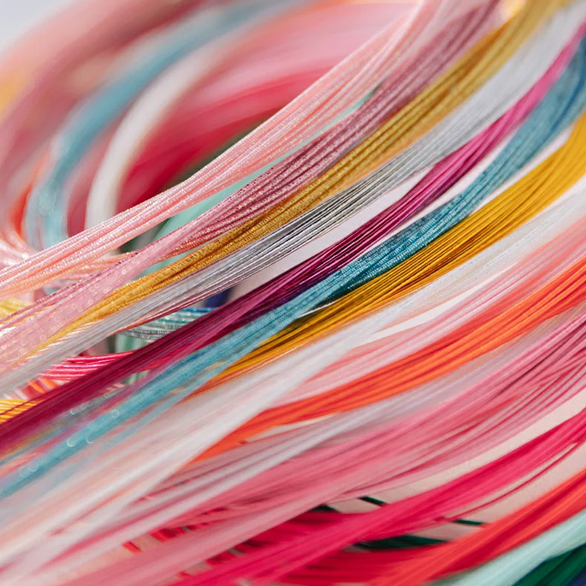
One of the defining characteristics of mizuhiki is its unique material. Traditional mizuhiki cords are made from washi, a strong and flexible Japanese paper. The paper is tightly twisted into thin strands and then coated with starch-based glue to give it firmness and durability.
Once dried, the cords may be left in natural tones or dyed in vibrant colors. In modern mizuhiki, cords are often wrapped with silk, rayon, or even metallic threads, giving them a refined sheen while maintaining their structural integrity.
Despite its delicate appearance, mizuhiki is surprisingly strong. This balance of strength and elegance allows artisans to create intricate, three-dimensional knots that retain their shape over time. The simplicity of the materials—paper, glue, and color—reflects a core Japanese aesthetic: finding beauty and meaning in modest, natural elements.
3.The Meaning Behind Mizuhiki Knots
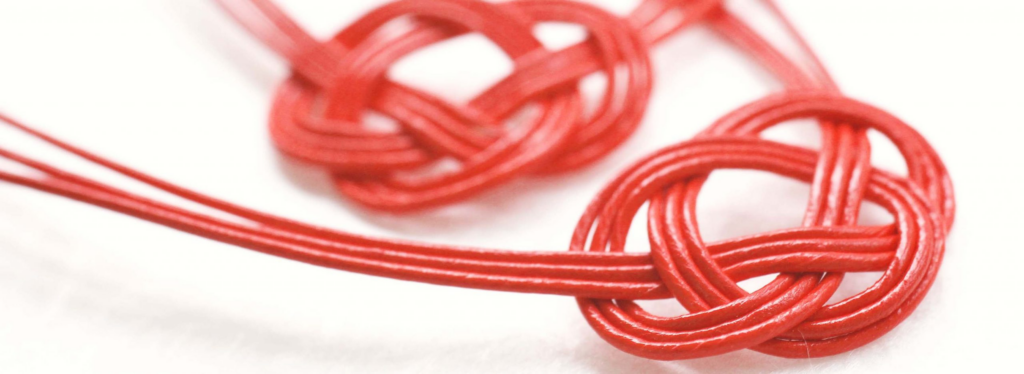
In mizuhiki, knots are never chosen at random. Each knot carries a specific meaning, making mizuhiki a symbolic language rather than mere decoration.
One of the most common knots is the Awaji musubi, a symmetrical knot that is difficult to untie. It symbolizes long-lasting relationships, strong bonds, and continuity, making it ideal for weddings, births, and housewarmings.
Another important knot is Musubi-kiri, a tight knot that cannot be untied without cutting. This knot represents finality and is used for events that should not be repeated, such as funerals or recovery from serious illness.
In contrast, the Cho musubi (butterfly knot) can be easily untied and retied. It expresses the wish for happiness or celebration to happen again and is commonly used for birthdays, school milestones, and gifts for children.
Through these knots, mizuhiki communicates intentions such as hope, respect, gratitude, and remembrance—without a single word being spoken.
4.Modern Uses of Mizuhiki
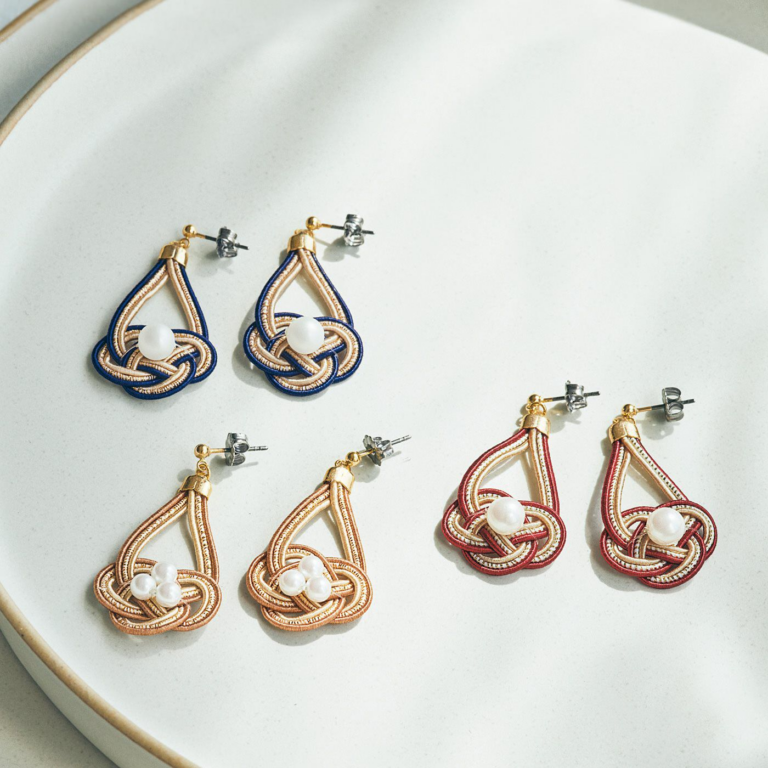
While deeply rooted in tradition, mizuhiki has found new life in contemporary culture. Today, it is widely appreciated as a modern craft that bridges heritage and design.
One of the most popular modern applications of mizuhiki is jewelry, including earrings, necklaces, and brooches. Its lightweight nature and sculptural quality make it ideal for wearable art. Designers often combine traditional knot forms with bold colors or metallic finishes to create pieces that feel both Japanese and modern.
Mizuhiki is also used in fashion accessories, such as bag charms, hair ornaments, and kimono embellishments. In interior design, large-scale mizuhiki installations appear as wall art, lighting elements, or decorative sculptures.
Additionally, mizuhiki has become accessible as a DIY craft. Kits, workshops, and online tutorials allow beginners around the world to learn basic knots and create their own designs. This hands-on engagement has contributed to mizuhiki’s global revival as a mindful, creative hobby.
Conclusion
Mizuhiki is far more than decorative paper cord—it is a living art form that embodies Japanese values of connection, intention, and respect. From its ancient ceremonial origins to its modern expressions in jewelry and design, mizuhiki continues to evolve while preserving its symbolic depth.
Each knot and color tells a story, transforming simple materials into meaningful expressions of human relationships. Whether encountered on a celebratory envelope, admired as contemporary art, or crafted by hand, mizuhiki offers a unique window into Japanese culture.
As interest in traditional crafts and mindful creativity grows worldwide, mizuhiki stands as a timeless example of how tradition and innovation can coexist beautifully—quietly tying the past, present, and future together.