
Jan 26 ・ 5 min read
Sushi vs. Sashimi vs. Nigiri: Understanding the Delicious Differences
Japanese cuisine has captivated food lovers around the world with its refined flavors, precision, and deep respect for ingredients. Among its most iconic dishes are Sushi, Sashimi, and Nigiri.
These terms are often used interchangeably, especially outside Japan, yet they represent distinct culinary traditions, each with its own purpose, structure, and way of being enjoyed.
Understanding the differences between nigiri, sashimi, and sushi not only prevents confusion—it dramatically enhances your dining experience. This article breaks down each dish clearly, explores how they are traditionally eaten.
What Is Sushi? The Foundation of Vinegared Rice
At its core, sushi is defined by vinegared rice, known as shari.
Contrary to popular belief, sushi does not mean raw fish. While raw seafood is commonly used, the rice is the essential element that defines sushi.
Originally developed as a method of preserving fish, sushi has evolved over centuries into a diverse culinary category, encompassing both simple and highly elaborate forms.
Representative Types of Sushi
Sushi includes a wide range of styles, all built around seasoned vinegared rice. Below are some of the most representative and widely enjoyed types of sushi, including nigiri.
Nigiri Sushi
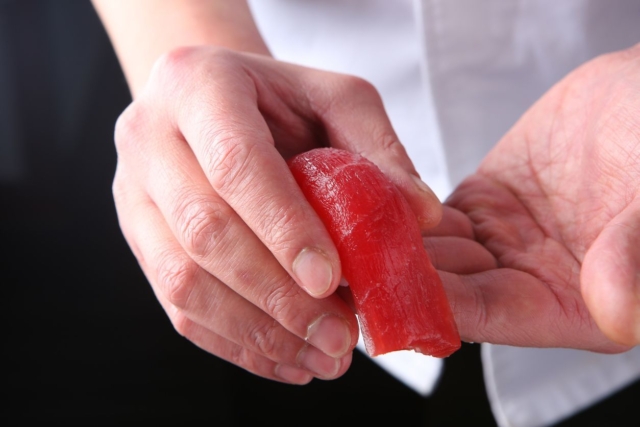
Nigiri is one of the most fundamental and iconic forms of sushi.
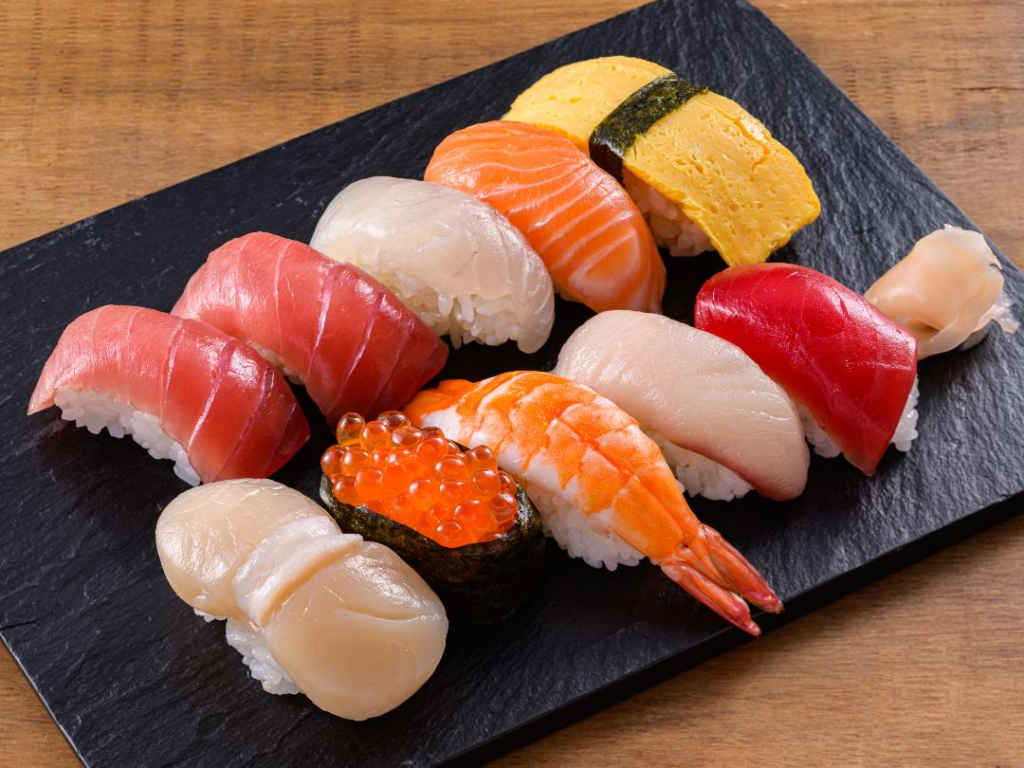
It consists of a small, hand-pressed mound of vinegared rice topped with a single slice of fish or other ingredients. Because of its simplicity, nigiri showcases the sushi chef’s skill most clearly—from the seasoning of the rice to the cut and temperature of the topping.
In some cases, a thin strip of nori is used to secure delicate toppings such as sea urchin or egg omelet.
Maki Rolls
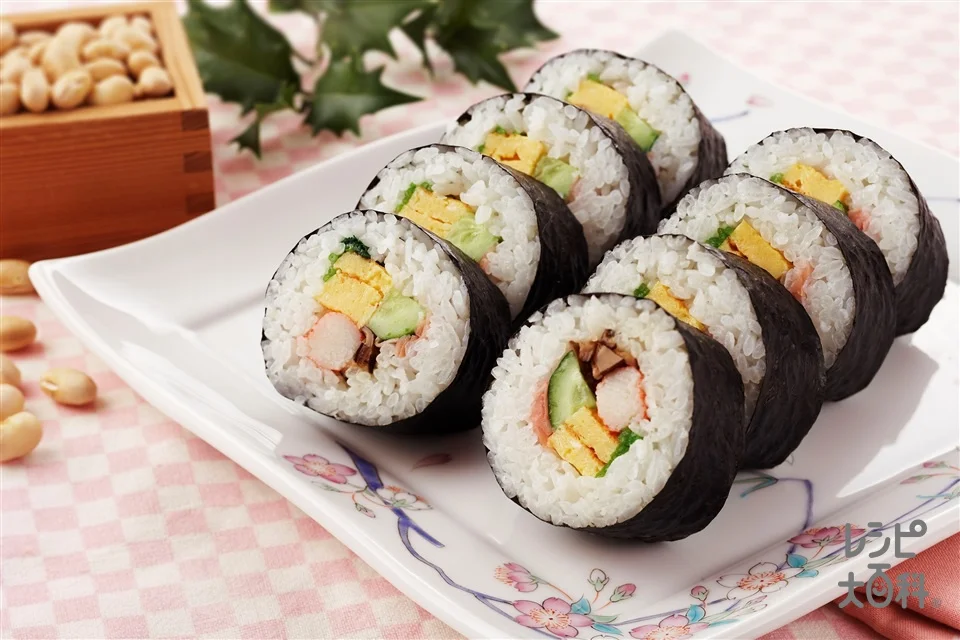
Maki sushi is made by rolling rice and fillings in a sheet of nori (seaweed), then slicing it into bite-sized pieces. Maki offers great variety depending on the ingredients used.
Uramaki (Inside-Out Rolls)
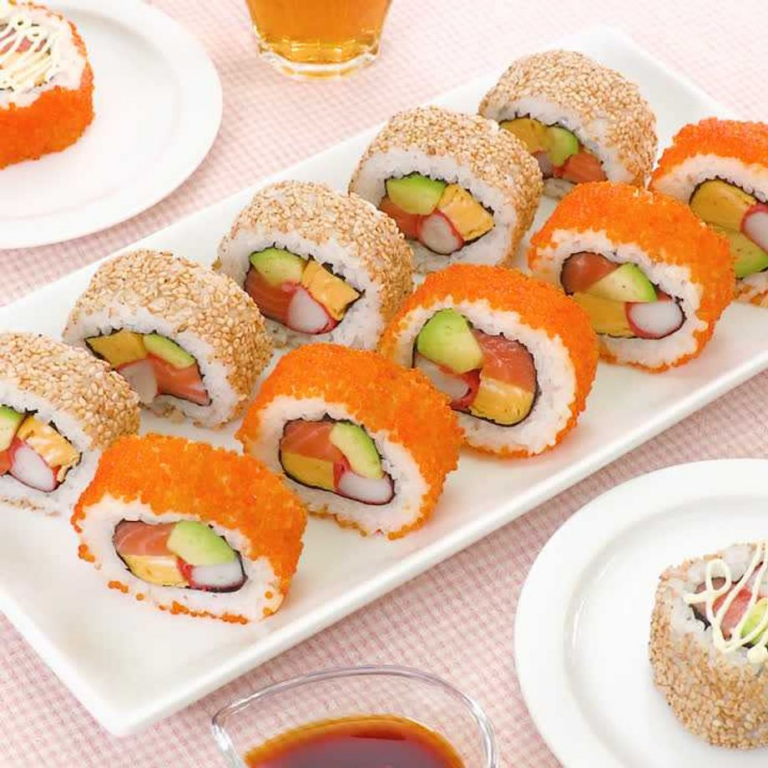
Uramaki features rice on the outside and nori and fillings on the inside.
This style became especially popular outside Japan, with the California Roll being the most famous example. The outer layer of rice is often coated with sesame seeds or fish roe.
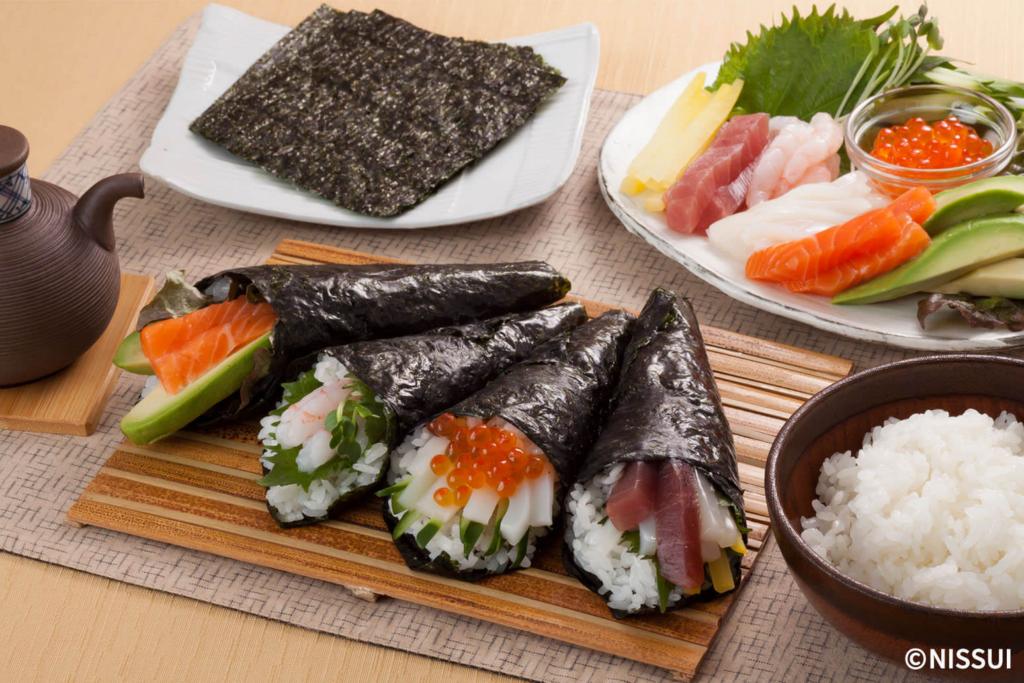
Temaki (Hand Rolls)
Temaki are cone-shaped sushi rolls meant to be eaten by hand.
They are prepared fresh and enjoyed immediately to preserve the crispness of the nori. Temaki offers a casual, interactive way to enjoy sushi and allows for flexible ingredient combinations.
Chirashi Sushi
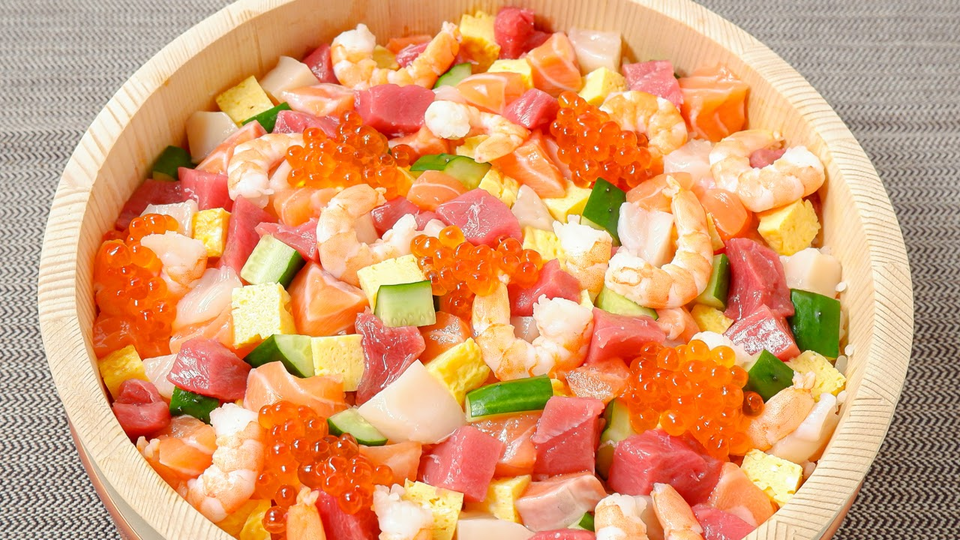
Chirashi, meaning “scattered sushi,” consists of a bowl of vinegared rice topped with an assortment of fish, seafood, and garnishes.
It allows diners to enjoy a wide variety of flavors in a single dish. Regional styles include more artistically arranged Edo-style chirashi and mixed versions with cooked ingredients.Chirashi, meaning “scattered sushi,” consists of a bowl of vinegared rice topped with an assortment of fish, seafood, and garnishes.
It allows diners to enjoy a wide variety of flavors in a single dish. Regional styles include more artistically arranged Edo-style chirashi and mixed versions with cooked ingredients.
What Is Sashimi? The Pure Art of Raw Fish
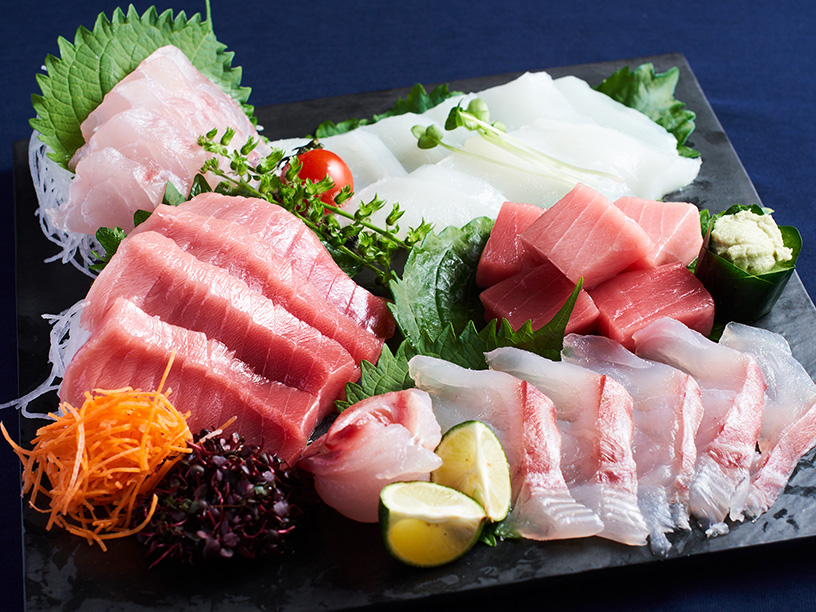
Sashimi is not sushi. It is a dish consisting solely of raw fish or seafood served without rice, allowing the natural freshness, flavor, and texture of the ingredient to be fully appreciated.
The quality and freshness of the fish are paramount, and skilled knife work plays a crucial role in achieving the ideal mouthfeel. Garnishes are kept minimal so as not to distract from the fish itself.
Traditionally, sashimi is beautifully arranged on shredded daikon radish and served with soy sauce, wasabi, and pickled ginger. The fish is lightly dipped into soy sauce, and it is commonly enjoyed from lighter, more delicate flavors to richer, fattier varieties.
What Is Nigiri? The Perfect Balance
Nigiri is a specific type of sushi and one of its most refined expressions. As a form of sushi, it is defined by the presence of vinegared rice, which is hand-shaped into a small mound and topped with a single slice of fish or other ingredients.
Nigiri represents balance—between fish and rice, texture and temperature, simplicity and technique. Unlike rolls, it offers an unfiltered experience of the topping, supported by subtly seasoned rice rather than additional ingredients or sauces. Because of this simplicity, even small differences in technique—such as the pressure used to shape the rice or the way the fish is cut—can dramatically affect the final result.
Conclusion
While often grouped together, Sushi, Sashimi, and Nigiri represent clearly distinct culinary traditions.
- Sushi is the broad category defined by vinegared rice.
- Sashimi is the pure celebration of raw fish, served without rice.
- Nigiri is a refined form of sushi, combining rice and topping in perfect balance.
Recognizing these differences allows you to make informed choices, deepen your appreciation of Japanese cuisine, and fully enjoy the artistry behind every carefully prepared dish. Embrace the distinctions—and savor the journey.