
Dec 15 ・ 3 min read
Shrine vs Temple in Japan: What’s the Difference?
If you’re traveling in Japan, you’ll often see shrines and temples—sometimes even in the same neighborhood. While they may look similar at first glance, they belong to different religions and serve distinct cultural roles. Understanding the difference between a Shinto shrine and a Buddhist temple will deepen your appreciation of Japanese history, spirituality, and daily life.
This guide explains the key differences clearly and simply, making it perfect for first-time visitors and culture enthusiasts alike.
The Fundamental Difference Between Shrines and Temples
The most important distinction is religion.
- Shrines are part of Shinto, Japan’s indigenous belief system
- Temples belong to Buddhism, which was introduced from China and Korea in the 6th century
From this difference stem variations in architecture, worship style, and purpose.
What Is a Shinto Shrine?
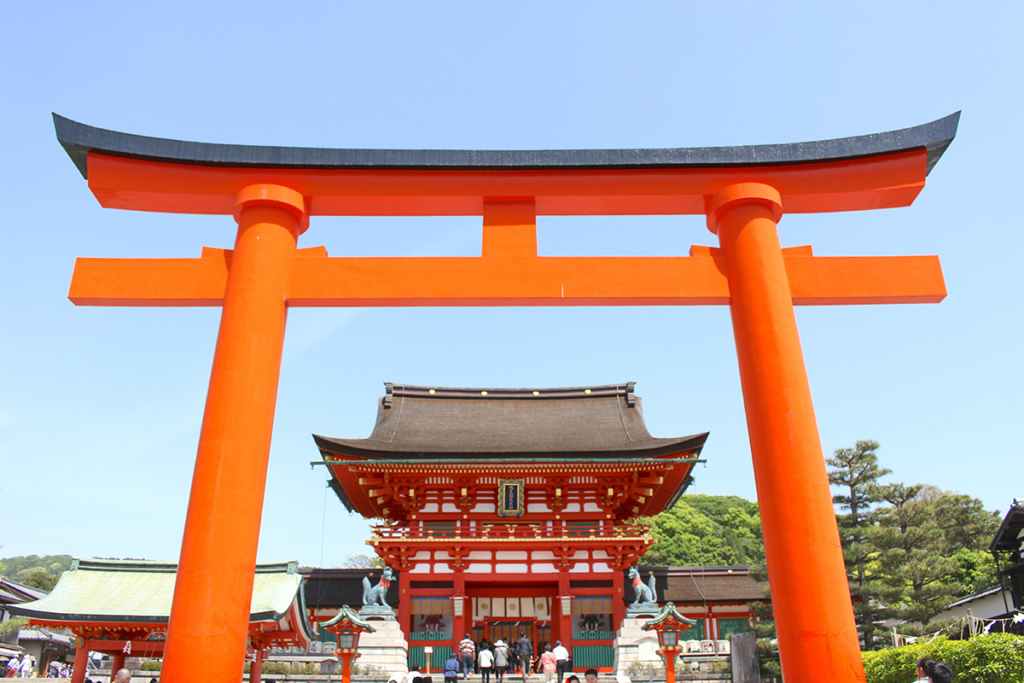
A Shinto shrine is a sacred space dedicated to kami, the gods or spirits of nature, ancestors, and places.
―Key Features of Shrines―
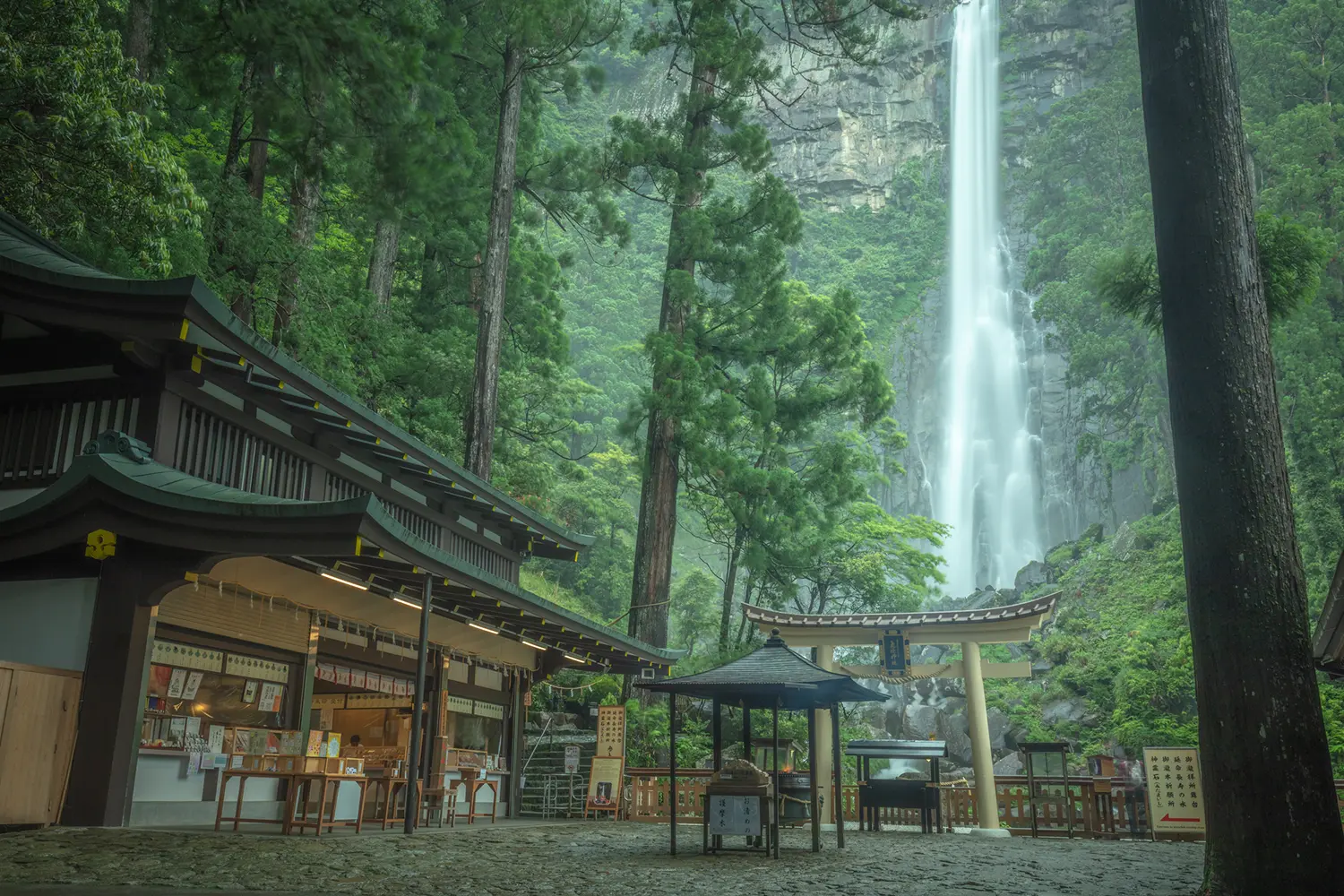
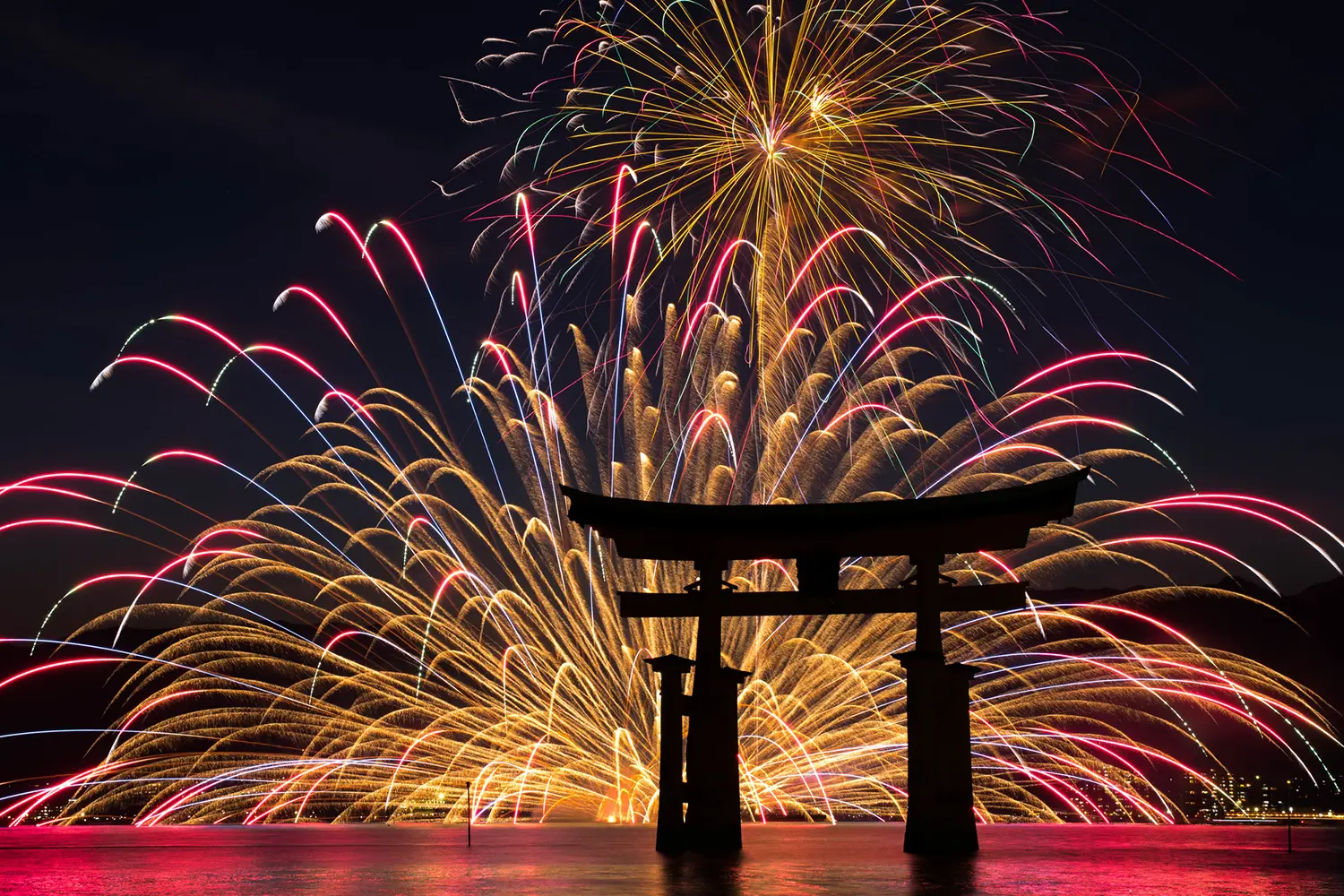
- Torii gate marking the entrance to sacred ground
- No statues of gods; kami are believed to reside invisibly
- Often located near forests, mountains, rivers, or the sea
- Guardians such as komainu (lion-dog statues)
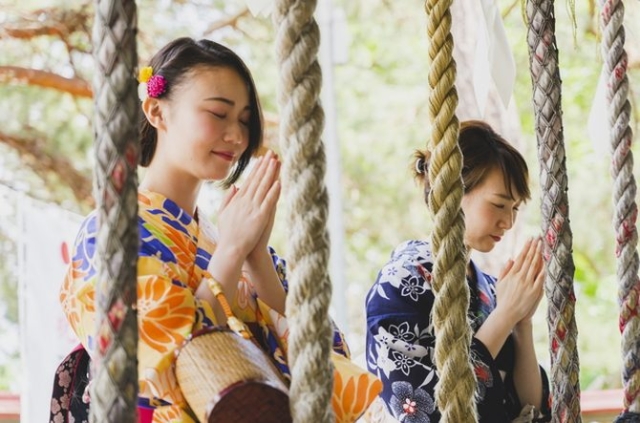
―How to Pray at a Shrine―
- Bow twice
- Clap your hands twice
- Bow once more
―Role in Daily Life―
Shrines are closely tied to everyday Japanese culture. People visit them for:
- New Year prayers (Hatsumode)
- Good luck, health, and success
- Life events such as births, coming-of-age ceremonies, and weddings
What Is a Buddhist Temple?
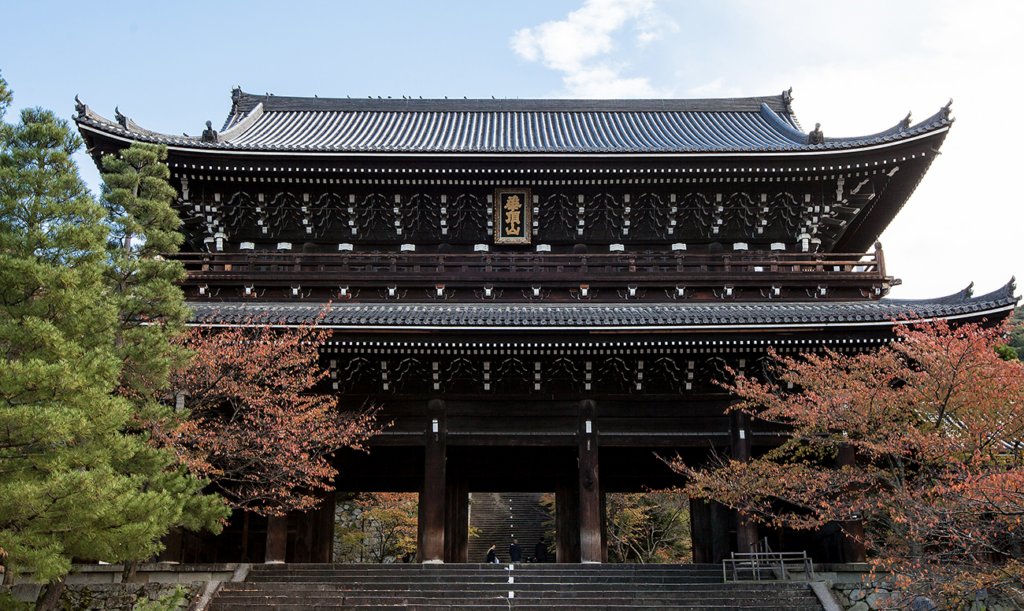
A Buddhist temple is a place for honoring the Buddha and seeking enlightenment through Buddhist teachings.
―Key Features of Temples―
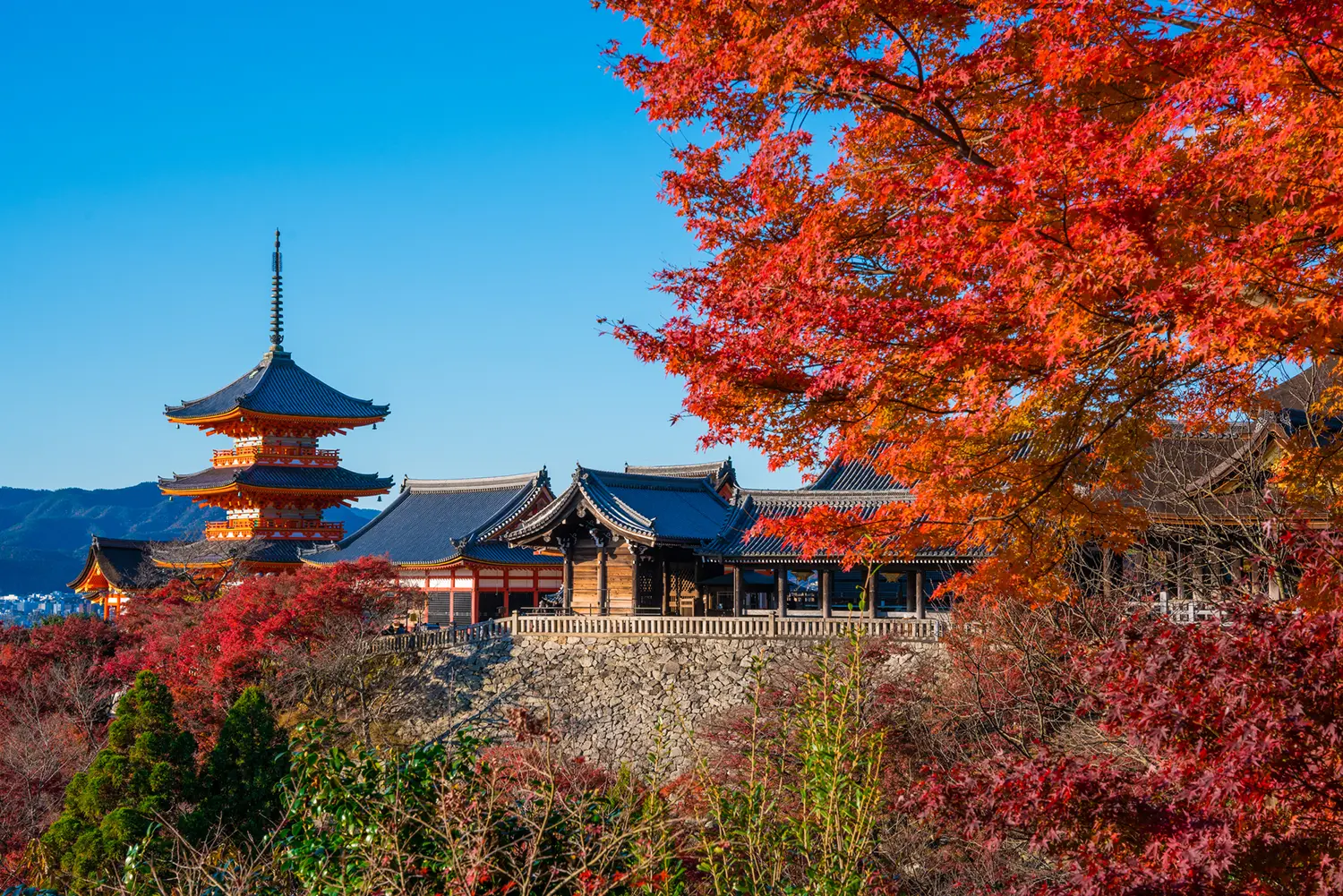
- Main hall (Hondo) with statues of the Buddha or bodhisattvas
- Large entrance gates called Sanmon
- Incense burners and temple bells
- Often associated with graveyards and memorial services
―How to Pray at a Temple―
- Join your hands quietly and bow
- No clapping
―Spiritual Purpose―
Temples emphasize:
- Meditation and reflection
- Funerals and ancestor memorials
- Teachings on suffering, impermanence, and compassion
Shrine vs Temple: Quick Comparison
| Category | Shrine | Temple |
|---|---|---|
| Religion | Shinto | Buddhism |
| Object of Worship | Kami (gods/spirits) | Buddha |
| Entrance | Torii gate | Temple gate (Sanmon) |
| Statues | None | Buddha statues |
| Prayer Style | Bow, clap, bow | Join hands, bow |
Which Should You Visit?
There is no need to choose just one. In Japan, visiting both is completely natural.
- Visit a shrine when you want to make a wish or celebrate a milestone
- Visit a temple when you seek calm, reflection, or cultural depth
Many Japanese people visit shrines and temples at different times of their lives without seeing any contradiction.
Final Thoughts
Shrines and temples together form the spiritual foundation of Japan. Shrines connect people to nature and the present moment, while temples encourage reflection on life and eternity. By understanding the difference, your visit to Japan becomes not just sightseeing—but a meaningful cultural experience.
If you’re planning a trip, make time for both. Each offers a unique window into the Japanese way of life.