
Dec 4 ・ 4 min read
What is the Maneki Neko Meaning? Understanding the Iconic Japanese Lucky Cat
Originating from legends at Gotokuji Temple and Imado Shrine, the Maneki Neko’s features each carry symbolic meaning. The raised paw, its color, and the objects it holds can all represent different types of good fortune—whether inviting more customers, improving financial luck, offering protection, or bringing general prosperity. More than just a decorative figure, the Maneki Neko is treasured as a talisman believed to bring luck, success, and harmony to those who welcome it into their space. Now, let’s take a closer look at what each feature represents.
The Origins and Legends of the Maneki Neko
While the Maneki Neko is widely known as a symbol of luck, its true origins are linked to charming Edo-period legends. Two of the most famous stories come from Tokyo, both emphasizing the cat’s ability to bring fortune.
1.Gotokuji Temple Legend
A poor monk at Gotokuji Temple cared for a cat named Tama. One day, samurai lord Ii Naotaka took shelter near the temple during a storm. Tama raised its paw as if beckoning him, so he approached the temple — just before lightning struck the tree he stood under. Grateful for being saved, the lord became a patron, helping the temple prosper. After Tama’s death, it was honored with statues, and today Gotokuji is famous for its countless Maneki Neko offerings.
2.Imado Shrine Legend
Another story from Imado Shrine (located in Asakusa, Tokyo)tells of a poor elderly woman who, after abandoning her beloved cat, dreamed it told her to make a clay cat figure. When she did, the figurines sold well and brought her wealth. Because of this, Imado Shrine is now known for matchmaking and often features paired Maneki Neko figures.
What the Raised Paw Means
| Paw Position | Meaning |
|---|---|
| Left Paw Raised | A Maneki Neko with its left paw raised is traditionally believed to attract customers and guests. This makes it a popular choice for businesses, shops, restaurants, and other establishments looking to increase foot traffic and patronage. |
| Right Paw Raised | Conversely, a Maneki Neko raising its right paw is said to invite money, good fortune, and wealth. This variant is often favored by individuals seeking personal financial prosperity and general good luck in their lives. |
| Both Paws Raised | While less common and sometimes considered less traditional, a Maneki Neko with both paws raised is meant to offer protection or to attract both wealth and customers simultaneously. Some interpret it as a symbol of “reaching for everything,” though it can also be playfully seen as a sign of being overly eager for luck. |
The Significance of Maneki Neko Colors
| Color | Meaning |
|---|---|
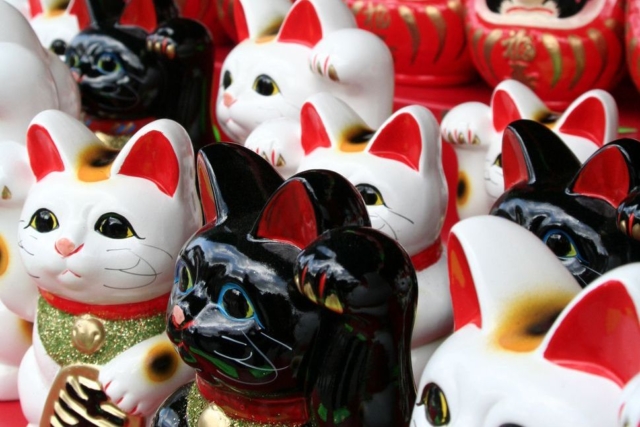
| White | The most common color, white Maneki Neko symbolizes purity, happiness, and overall good luck. It’s a versatile choice for general well-being. |
| Gold | Often associated with prosperity, a gold Maneki Neko is believed to attract wealth, financial success, and good fortune in business ventures. |
| Black | A black Maneki Neko is a powerful guardian, believed to ward off evil spirits, protect against bad luck, and ensure safety. It’s often chosen for protection. |
| Red | The red Maneki Neko offers protection from illness and evil. It’s thought to bring good health and ward off malevolent forces. |
| Green | For those seeking academic achievement, good health, or safety in travel, the green Maneki Neko is the ideal choice. |
| Pink | A more modern addition to the color palette, the pink Maneki Neko is associated with love, romance, and successful relationships. |
| Blue | The blue Maneki Neko is believed to bring good fortune in education, safe journeys, and the realization of dreams. |
Optimal Placement for Maneki Neko
| Location Type | Specific Placement | Intended Benefit |
|---|---|---|
| Businesses (Shops, Restaurants, Offices) | Near the entrance, facing outwards; by the cash register; in a prominent display window. | Attracting customers, increasing sales, business prosperity, financial success. The raised paw ‘beckons’ patrons and wealth. |
| Homes | At the main entrance, facing the door; in the living room; in a home office or study. | Welcoming good fortune into the household, promoting family harmony, enhancing career success or academic achievement. |
| Personal Use (Desk, Car) | On a desk at work or home; dashboard of a car. | Personal luck, safe travels, focus, and motivation. |
Wrapping Up
The Maneki Neko is more than just a lucky charm — it’s a symbol of Japanese culture, filled with hopes and blessings.
When you visit Japan, be sure to stop by temples and shrines to discover its origins, and choose a Maneki Neko that matches your wishes.
It just might invite wonderful good fortune into your life.