
Feb 3 ・ 4 min read
Where is Kyushu Island? Locating Japan’s Southernmost Major Island
If you’re wondering where Kyushu Island is, you’re not alone. Kyushu is one of Japan’s most fascinating yet often overlooked regions, offering dramatic volcanoes, relaxing hot springs, vibrant cities, and a deep international history. Located in the southern part of Japan, Kyushu plays a crucial role in shaping the country’s climate, culture, and connections with Asia.
This guide explains where Kyushu Island is located, why its position matters, and why it makes an ideal starting point for exploring southern Japan.
Where Is Kyushu Island Located?
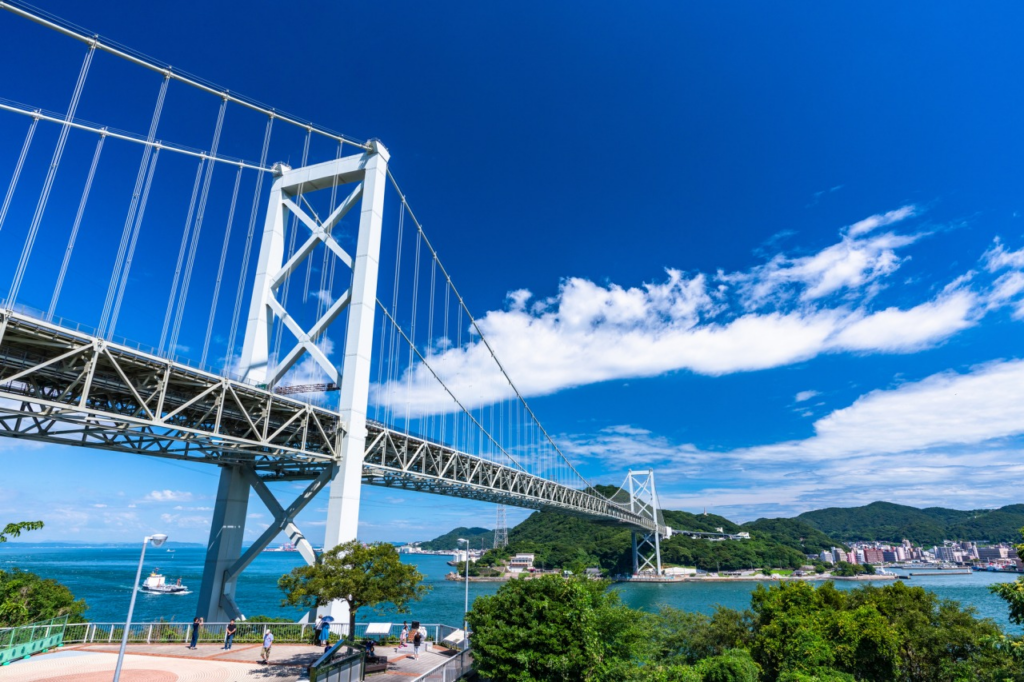
The name Kyushu literally means “nine provinces,” reflecting its historical administrative divisions. Today, Kyushu is Japan’s third-largest island and the southernmost of Japan’s four main islands.
Kyushu lies southwest of Honshu, Japan’s main island, forming part of the Japanese archipelago. Among Japan’s major islands, it is the closest to the Asian mainland, which has made it a historic gateway for trade, cultural exchange, and new ideas.
Geographically, Kyushu is located at approximately 31°–34° north latitude and 129°–132° east longitude.
- To the northeast, it is separated from Honshu by the Kanmon Straits
- To the east, it faces Shikoku across the Bungo Channel
- To the west, it opens onto the East China Sea, directly facing the Korean Peninsula and China
Because of this southwestern position, Kyushu has long held strategic importance within East Asia, influencing Japan’s history, economy, and cultural development.
Major Cities on Kyushu Island

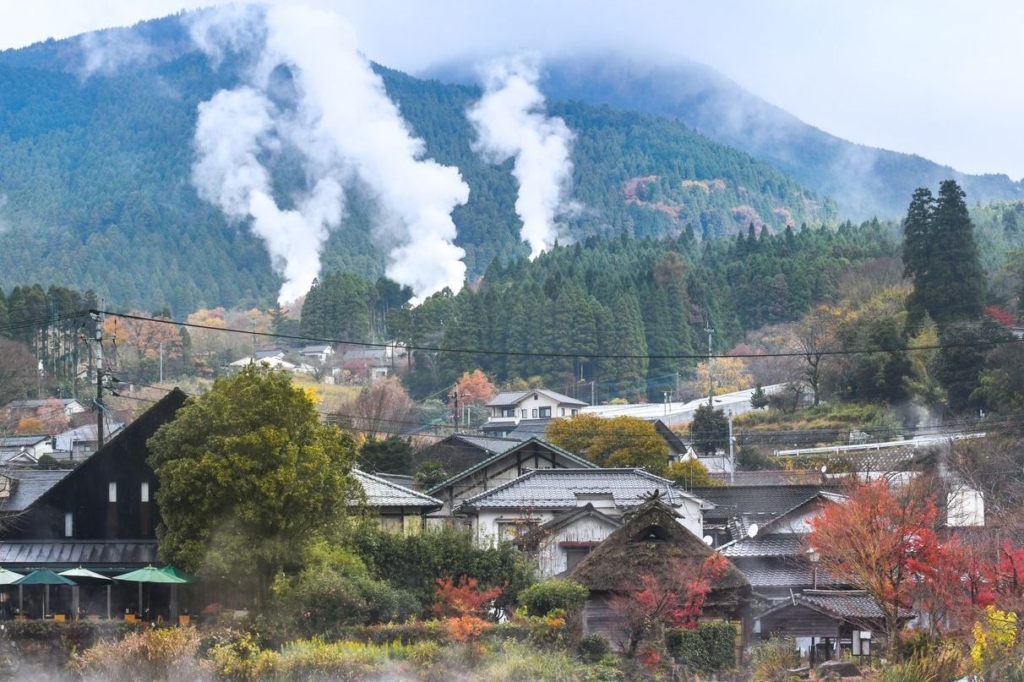
Kyushu is home to several important cities, each with its own character and regional role:
- Fukuoka – The largest city on Kyushu and its main transportation hub. Known for its modern cityscape, food culture, and international accessibility.
- Kumamoto – Located in central Kyushu, surrounded by fertile plains and close to Mount Aso’s volcanic landscape.
- Nagasaki – A historic port city with deep international roots and a unique blend of Japanese and Western heritage.
- Kagoshima – Situated in southern Kyushu, famous for its dramatic views of Sakurajima, one of Japan’s most active volcanoes.
- Oita – Known as the gateway to Japan’s most famous hot spring areas, including Beppu and Yufuin.
These cities serve as cultural, economic, and transportation anchors across the island.
Volcanoes and Hot Springs
One of the defining features of Kyushu’s geography is its volcanic activity. The island sits on an active tectonic zone, resulting in some of Japan’s most dramatic natural landscapes.
Mount Aso, with one of the world’s largest volcanic calderas, dominates central Kyushu, while Sakurajima continues to shape daily life in Kagoshima. This volcanic energy has also created an abundance of hot springs, making Kyushu a paradise for onsen lovers.
Famous hot spring destinations such as Beppu, Yufuin, and Kurokawa Onsen attract visitors from around the world seeking relaxation and natural healing.
Climate and Agriculture

Kyushu’s southern location gives it a warmer and more humid climate than much of Japan. Influenced by ocean currents and seasonal monsoons, the island enjoys long growing seasons and rich rainfall.
This climate supports a wide range of agriculture, from green tea and rice to sweet potatoes and citrus fruits. In the southern parts of Kyushu, subtropical conditions even allow for the cultivation of tropical fruits, contributing to the region’s distinctive food culture.
Access to Kyushu: Why Start from Fukuoka?
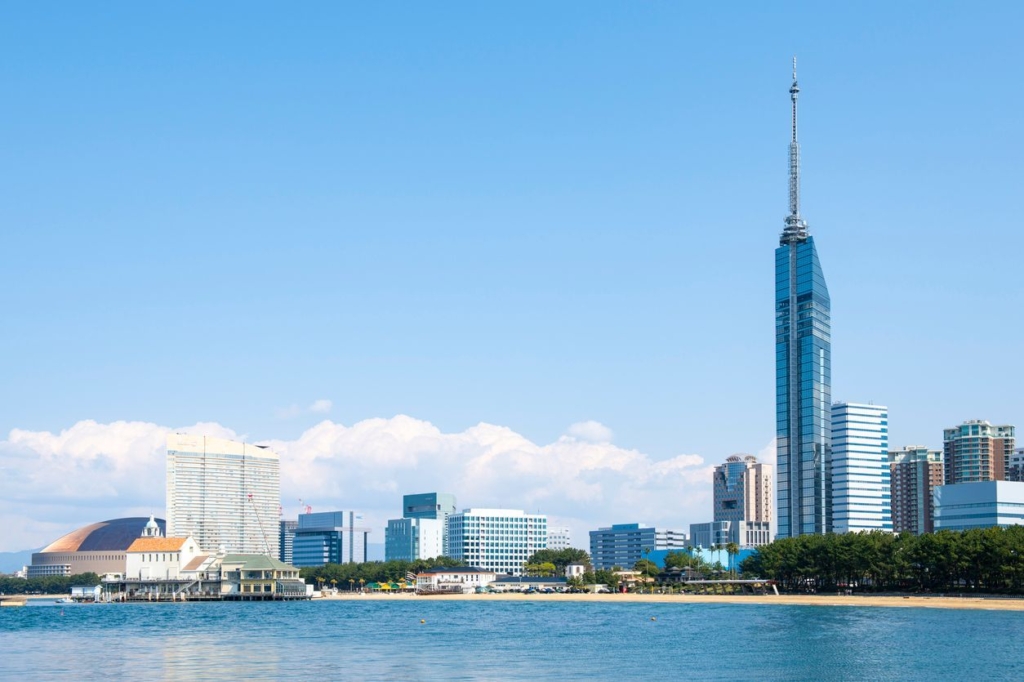
When planning a trip, the easiest way to reach Kyushu is through Fukuoka Airport, one of Japan’s most convenient and well-connected airports. Located close to the city center, it offers frequent domestic flights from Tokyo and Osaka, as well as international routes across Asia.
Because of its excellent transportation links, starting your Kyushu journey from Fukuoka is the best option. From Fukuoka, travelers can easily explore the rest of the island by Shinkansen, limited express trains, buses, or rental cars, making it an ideal base for both short visits and extended trips.
Conclusion
So, where is Kyushu Island?
Kyushu is Japan’s third-largest and southernmost major island, strategically located at the southwestern edge of the country, facing the Asian mainland. Bordered by multiple seas and shaped by volcanic forces, its geography has created a region rich in natural beauty, cultural depth, and historical significance.
From the energetic streets of Fukuoka and the global history of Nagasaki to the volcanic landscapes of Mount Aso and the soothing hot springs of Beppu, Kyushu offers a compact yet incredibly diverse travel experience. Its location is more than a point on the map—it is the foundation of Kyushu’s unique identity and enduring appeal.
For travelers seeking a deeper, more varied side of Japan, Kyushu is not just where it is—it’s where your journey should begin.