Dec 15 ・ 4 min read
Why Visit Kyoto in February? Embrace Winter’s Serenity & Authentic Japan
February is one of Kyoto’s most underrated seasons. While spring and autumn draw massive crowds, Kyoto in February offers something far more intimate: fewer tourists, seasonal traditions, and breathtaking winter scenery. From ancient rituals marking the arrival of spring to snow-dusted temples and early plum blossoms, this is a month for travelers who value depth over spectacle.
Below are five unforgettable experiences that make Kyoto in February truly special.
1.Setsubun Festivals at Yoshida Shrine and Yasaka Shrine
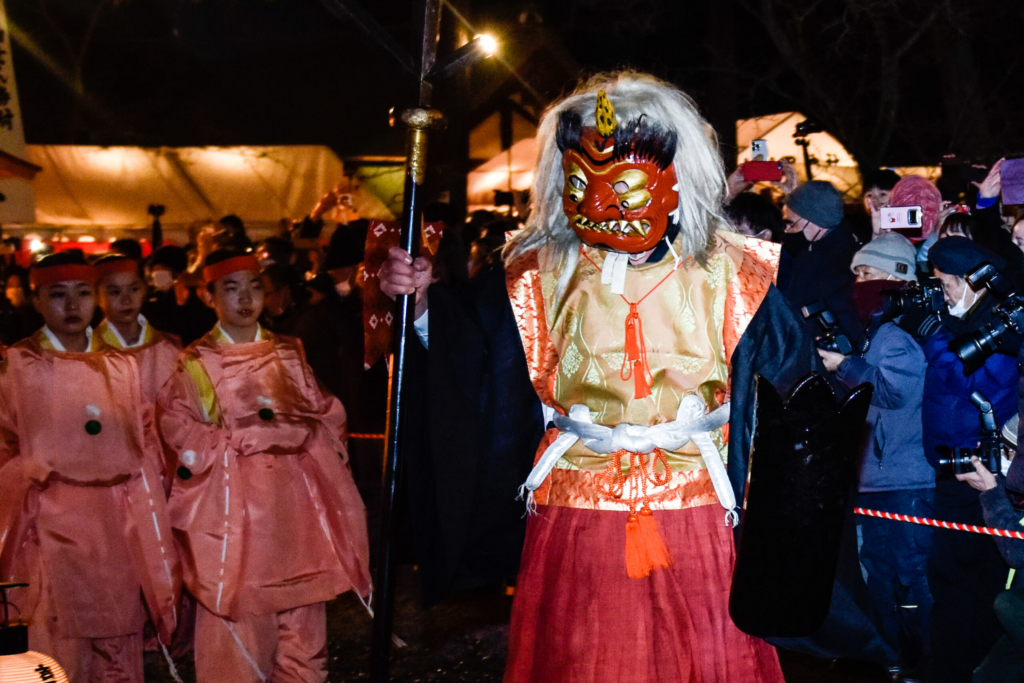
February begins with Setsubun, a traditional event held around February 3rd that symbolically drives away evil spirits and welcomes good fortune. In Kyoto, two of the most atmospheric celebrations take place at Yoshida Shrine and Yasaka Shrine.
At Yoshida Shrine, one of the oldest Setsubun rituals in Japan unfolds over several days, featuring sacred bonfires, food stalls, and ancient Shinto ceremonies. Yasaka Shrine, located in the Gion area, offers a more accessible yet equally meaningful experience, where visitors can participate in bean-throwing rituals (mamemaki) and receive lucky charms.
These events provide a rare opportunity to witness Kyoto’s living traditions—something that makes Kyoto in February culturally rich and deeply authentic. In addition, many other shrines throughout Kyoto also host Setsubun festivals during early February, each with its own customs and atmosphere, making it worthwhile to check local event schedules and explore beyond the city’s most famous sites.
2.Plum Blossoms at Kitano Tenmangu Shrine
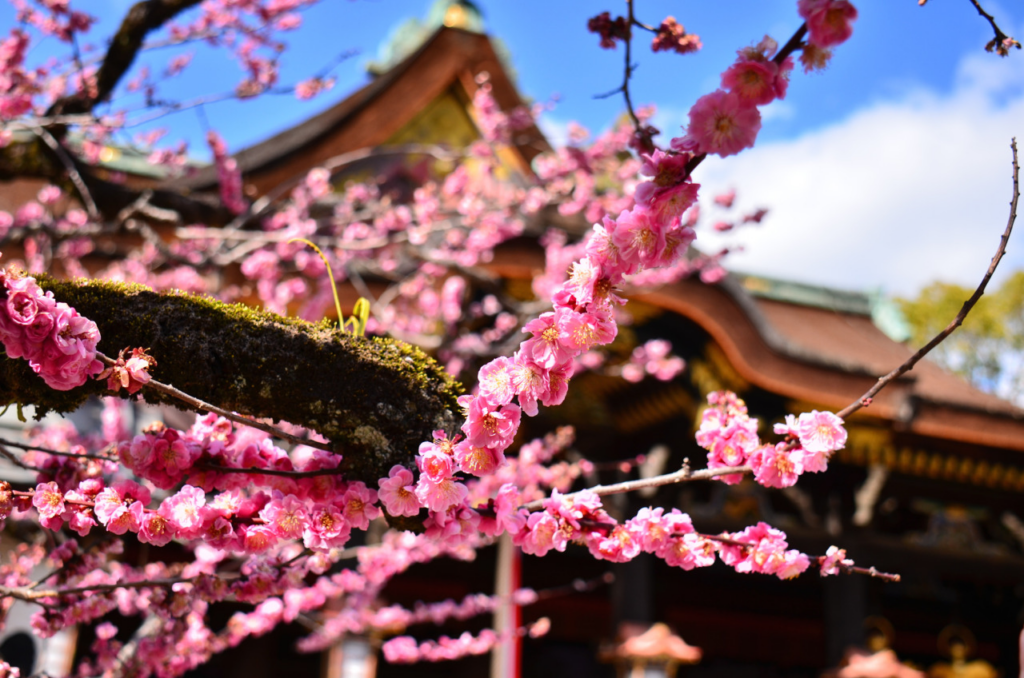
While cherry blossoms dominate spring headlines, plum blossoms (ume) quietly announce the coming of warmer days in February. Kitano Tenmangu Shrine, dedicated to the deity of learning, is Kyoto’s most famous plum blossom spot.
Thousands of plum trees bloom in shades of white, pink, and red, filling the air with a delicate fragrance. Around late February, the shrine hosts the Baikasai Plum Blossom Festival, which includes an outdoor tea ceremony performed by geiko and maiko—an experience rarely available to visitors at other times of year.
For travelers seeking seasonal beauty without crowds, this is one of the highlights of Kyoto in February.
3.Snow-Covered Kinkaku-ji (The Golden Pavilion)
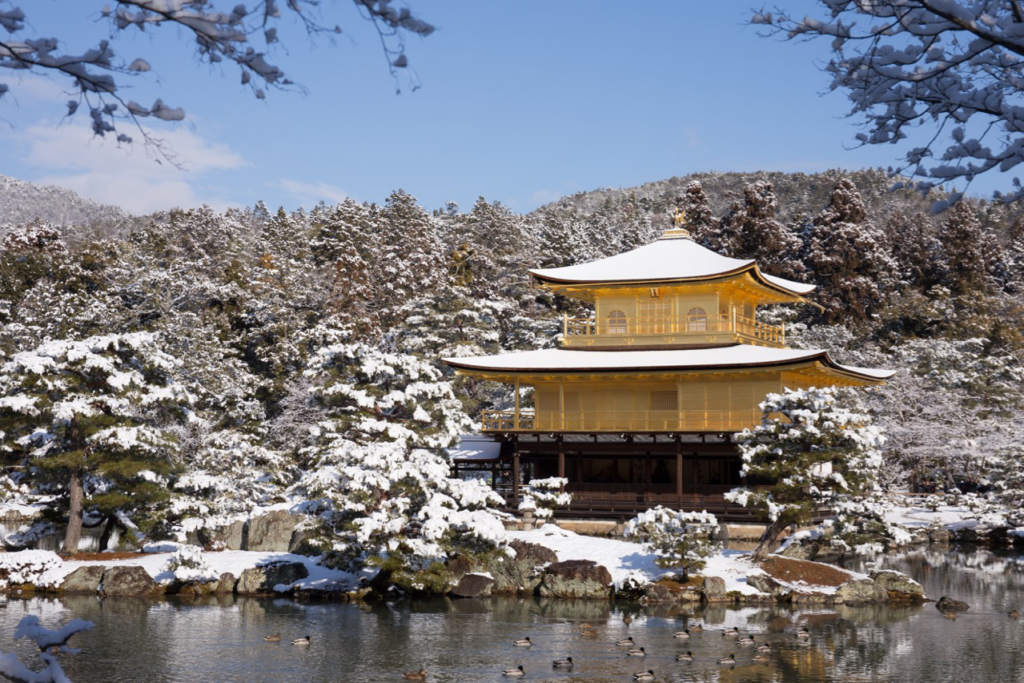
Seeing Kinkaku-ji under a layer of snow is one of Kyoto’s most iconic winter scenes—and February offers the best chance to experience it. The gold-leaf-covered pavilion reflecting off the still pond, framed by white snow, creates a scene of extraordinary contrast and calm.
Snowfall in Kyoto is not guaranteed, but when it happens, the atmosphere is unforgettable. Even on clear winter days, the crisp air and smaller crowds allow for a more peaceful visit than during peak seasons.
This quiet elegance is exactly what makes Kyoto in February so appealing.
4.The Serene Winter Atmosphere of Kifune Shrine
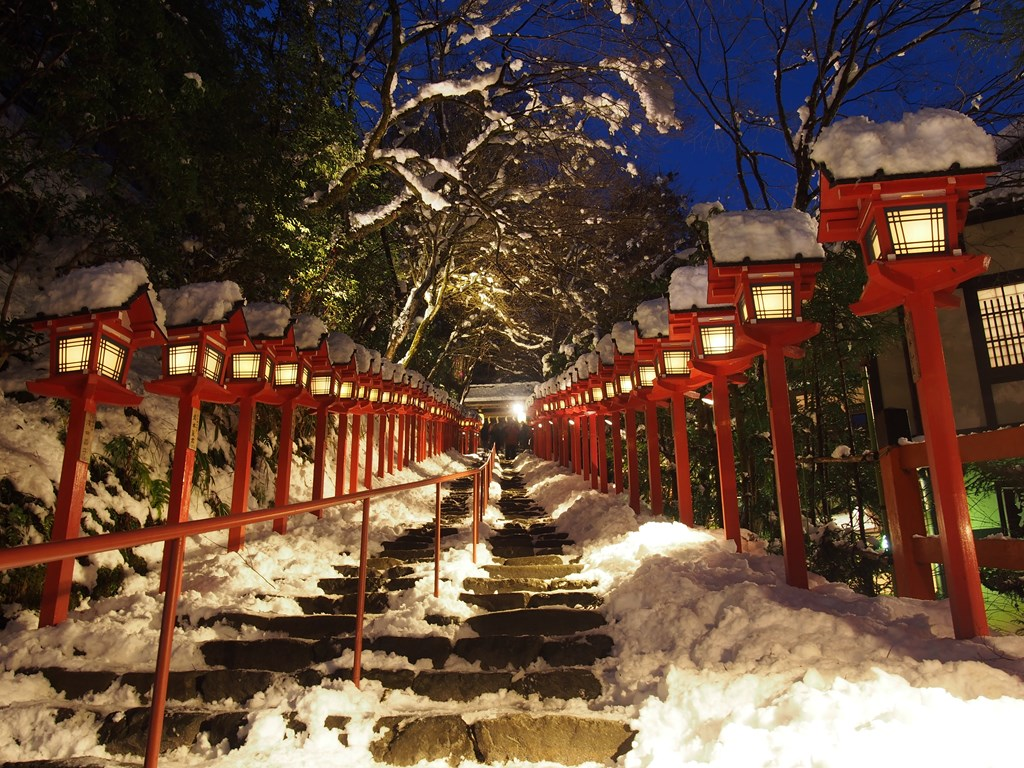
Tucked away in the mountains north of the city, Kifune Shrine feels almost otherworldly in winter. The stone stairway lined with red lanterns, occasionally blanketed in snow, creates one of Kyoto’s most photogenic scenes.
February enhances Kifune’s sense of isolation and spirituality. Fewer visitors make it easier to enjoy the shrine in silence, and the cold mountain air adds to the mystical atmosphere. It’s an ideal destination for travelers who want to step away from the city and experience Kyoto’s natural and spiritual side.
5.Fushimi Inari Taisha: Fewer Crowds, Better Photo Opportunities
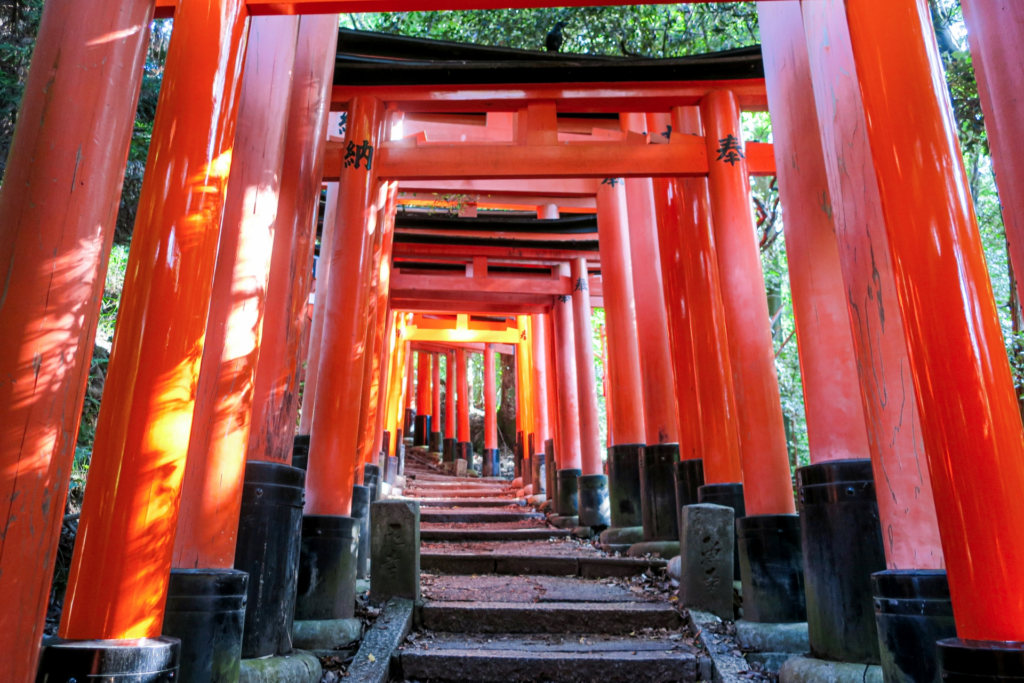
Fushimi Inari Taisha is famous year-round for its thousands of vermilion torii gates—but it’s also one of Kyoto’s most crowded sites. Kyoto in February offers a rare advantage: noticeably fewer tourists.
With cooler temperatures and shorter lines, visitors can explore deeper into the shrine’s mountain trails and capture photos without crowds in the background. Early mornings in February are especially rewarding, offering quiet paths, soft winter light, and a more personal connection with this iconic shrine.
Conclusion: Why Kyoto in February Is Worth the Trip
Kyoto in February is not about grand festivals or peak-season blossoms—it’s about subtle beauty, tradition, and space to breathe. From Setsubun rituals and early plum blossoms to snow-dusted temples and crowd-free shrines, this month reveals a calmer, more contemplative Kyoto.
For travelers seeking authenticity, photography opportunities, and a deeper cultural experience, February may be one of the best times to visit Kyoto—quiet, refined, and unforgettable.