
Nov 6 ・ 5 min read
Why Visit Sendai City, Japan?
Planning your next unforgettable journey to Japan?
This comprehensive guide to Sendai City is your ultimate resource for discovering why this captivating destination, often called the ‘City of Trees,’ perfectly blends rich samurai history, vibrant urban culture, and breathtaking natural landscapes. By the end of this article, you will gain a deep understanding of Sendai’s unique appeal, from exploring iconic landmarks like the Sendai Castle Ruins and Zuihoden Mausoleum to savoring its renowned local cuisine, including the famous Gyutan and delightful Zunda Mochi. We’ll ensuring you’re fully prepared to experience the very best of Sendai and the Tohoku region.
1.Why Sendai City Should Be Your Next Japan Destination
Nestled in the heart of the Tohoku region, Sendai City, Japan, offers a captivating blend of rich history, modern vibrancy, and breathtaking natural beauty. Often referred to as the “City of Trees” (Mori no Miyako), Sendai provides a refreshing contrast to Japan’s more crowded metropolises, making it an ideal choice for travelers seeking an authentic and diverse Japanese experience. From its feudal past shaped by a legendary samurai lord to its contemporary role as a thriving urban center and gateway to stunning landscapes, Sendai promises an unforgettable journey.
1.The Rich History of Sendai Japan
Sendai’s story is deeply etched into the fabric of Japan’s feudal era, offering visitors a fascinating glimpse into the nation’s past. The city’s strategic location and fertile lands made it a significant stronghold, and its development was spearheaded by one of Japan’s most iconic figures.
2.Sendai’s Vibrant Urban Charm
Beyond its rich history, Sendai stands out as a modern city that blends urban sophistication with abundant greenery. It’s a comfortable, easy-to-explore destination that offers a warm welcome to all visitors. As the largest city in the Tohoku region, Sendai is its economic and cultural hub. The city features vibrant shopping arcades, diverse dining, and an active arts scene. What truly sets it apart, however, is its commitment to nature. Tree-lined streets and parks are woven into the cityscape, earning it the nickname “City of Trees” (Mori no Miyako), where modern life and natural beauty coexist in harmony.
3.Natural Beauty Surrounding Sendai
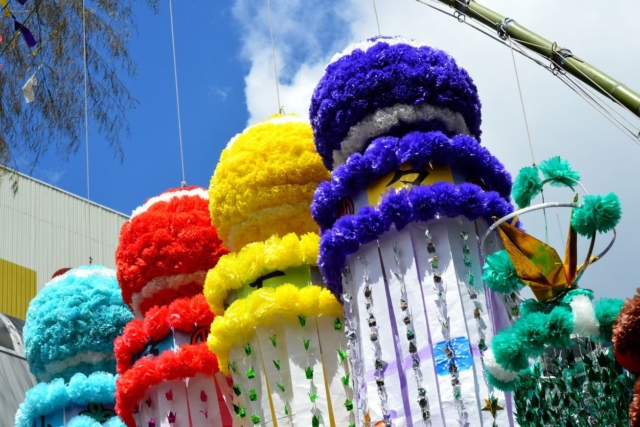
Sendai’s prime location makes it a perfect base for exploring Japan’s natural beauty. Surrounded by the Ou Mountains to the west and the Pacific Ocean to the east, it offers easy access to outdoor adventures and stunning scenery. Each season brings its own charm—from spring’s fresh greenery and summer festivals to autumn’s vivid foliage and winter’s peaceful snow. Nearby mountains provide hiking, skiing, and hot spring retreats, while the coast offers fresh seafood and ocean views. This seamless blend of city life and nature makes Sendai an ideal all-in-one destination for travelers seeking both culture and the great outdoors.
2. Must-See Attractions in Sendai City
Delve into the heart of Miyagi Prefecture’s capital by exploring its most captivating sites. From ancient samurai strongholds to serene green avenues, Sendai offers a diverse array of attractions that cater to history buffs, culture enthusiasts, and those seeking urban tranquility.
1.Sendai Castle Ruins
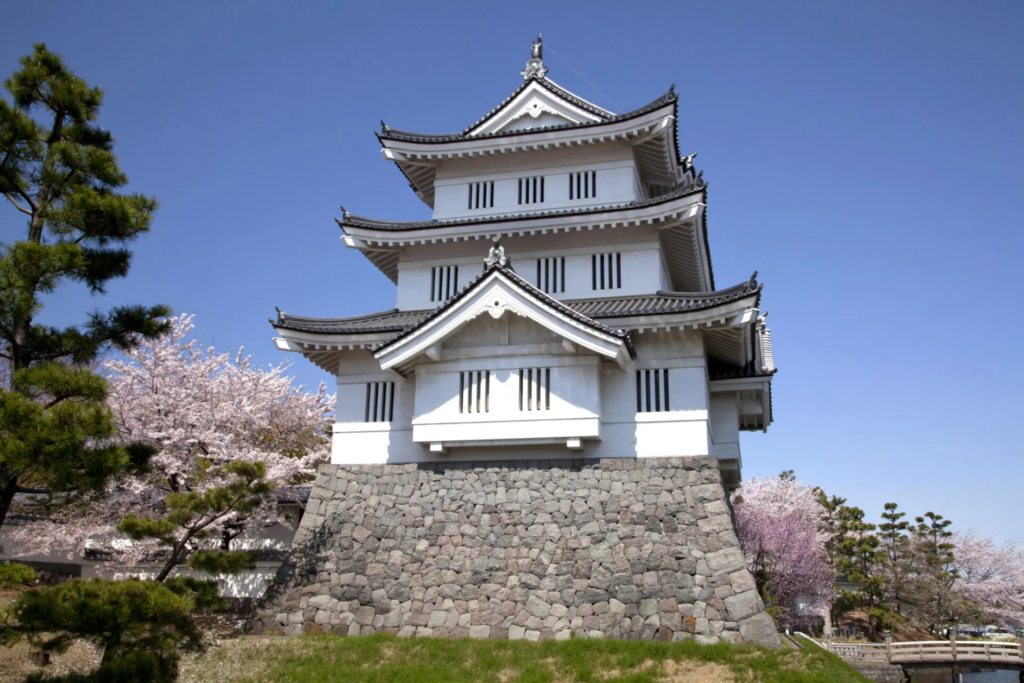
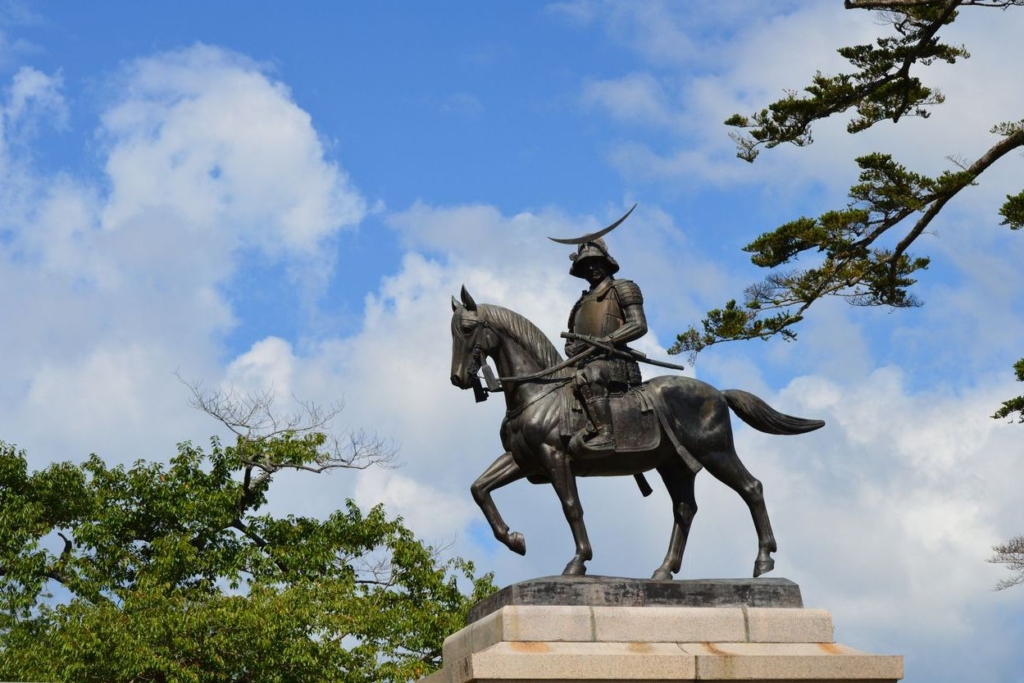
Perched atop Mount Aoba, the Sendai Castle Ruins, also known as Aoba Castle (青葉城, Aoba-jō), offer more than just remnants of a fortress. Though the original castle buildings were lost to time and conflict, the site remains a powerful testament to the vision of Date Masamune, the legendary one-eyed samurai lord who founded Sendai in the early 17th century. Visitors can walk along the impressive stone walls, which once formed the formidable defenses of this strategic stronghold.
The highlight for many is the equestrian statue of Date Masamune, gazing out over the city he created. From this vantage point, you’ll be treated to breathtaking panoramic views of Sendai City, extending to the Pacific Ocean on clear days. Within the castle grounds, the Aoba Castle Museum provides insights into the castle’s history and the Date clan, showcasing artifacts and digital reconstructions of the original structure.
2.Zuihoden Mausoleum
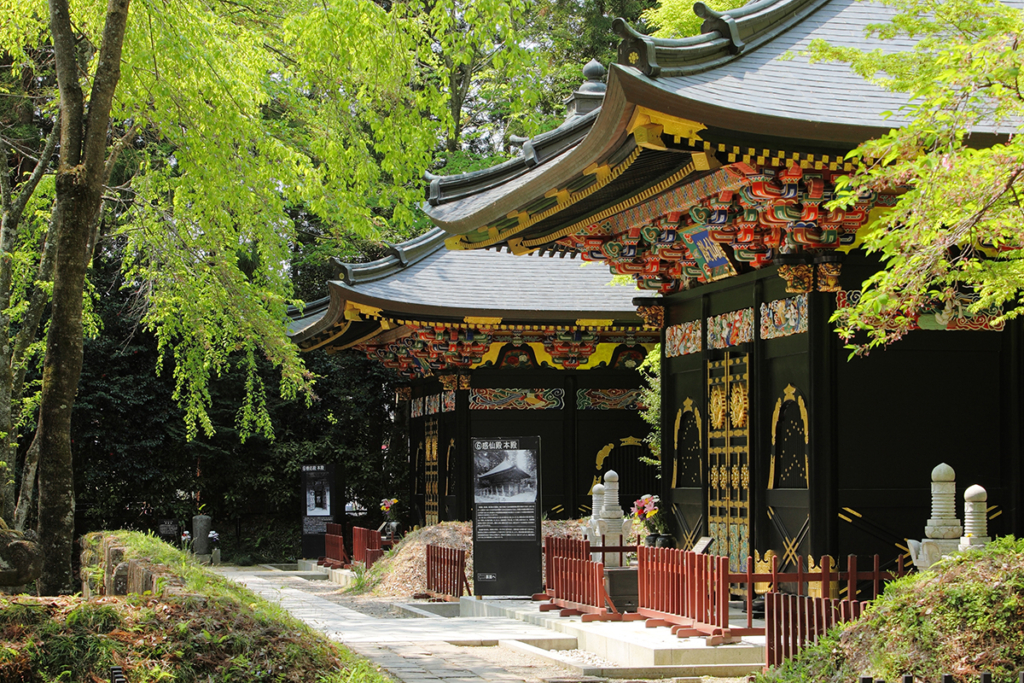
A short distance from the city center lies Zuihoden Mausoleum (瑞鳳殿), the ornate resting place of Date Masamune. Constructed in 1637, this lavish mausoleum exemplifies the opulent Momoyama architectural style, characterized by vibrant colors, intricate carvings, and extensive use of gold leaf. After its destruction during World War II, Zuihoden was meticulously reconstructed to its original grandeur, preserving its historical and artistic significance. The complex also houses the mausoleums of Masamune’s successors, Date Tadamune and Date Tsunamune, known as Kansenden and Zennoden, respectively. Surrounded by a serene cedar forest, a visit to Zuihoden offers a peaceful retreat and a deep dive into the spiritual and artistic heritage of the Date clan.
3.Jozenji-dori Avenue
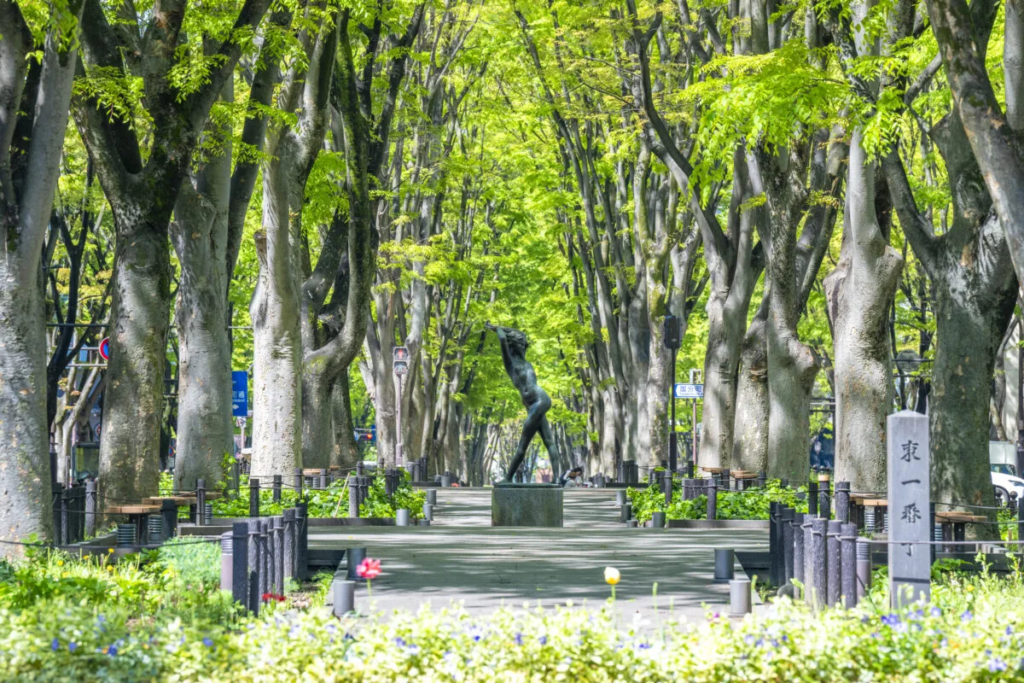
Jozenji-dori Avenue (定禅寺通り) is Sendai’s iconic tree-lined boulevard, a true urban oasis that embodies the city’s nickname. This picturesque street is famous for its rows of zelkova trees that form a lush canopy, creating a refreshing atmosphere throughout the year. The avenue is adorned with elegant sculptures by renowned artists, including Emilio Greco and Giacomo Manzù, lending it a sophisticated, European feel.
3. Summary
Sendai is one of the best places to experience Japan’s hidden charm. It blends samurai history, a welcoming green cityscape, and easy access to nature, making it a refreshing and memorable destination for any traveler.
If you’re ready to dive even deeper into what makes Sendai unforgettable, the next step is exploring its incredible local cuisine. From its legendary gyutan to sweet and comforting zunda mochi, Sendai’s food scene is packed with flavors you won’t want to miss.
Next…
explore what to eat in Sendai City, and taste the flavors that define the city👉What to eat in Sendai, Japan city?