Suwa Lake and ‘Your Name’: Unveiling the Anime’s Real-Life Inspiration
Located in the heart of Nagano Prefecture, Suwa Lake is one of Japan’s most atmospheric inland lakes. Known for its dramatic seasonal scenery, deep spiritual traditions, and its connection to the globally loved anime Your Name (Kimi no Na wa.), Suwa Lake offers a rare blend of nature, culture, and modern pop-culture appeal.
Whether you are planning a relaxing lakeside getaway, exploring traditional Japan, or embarking on an anime pilgrimage, Suwa Lake is a destination that rewards visitors year-round.
Where Is Suwa Lake? Location and Geography
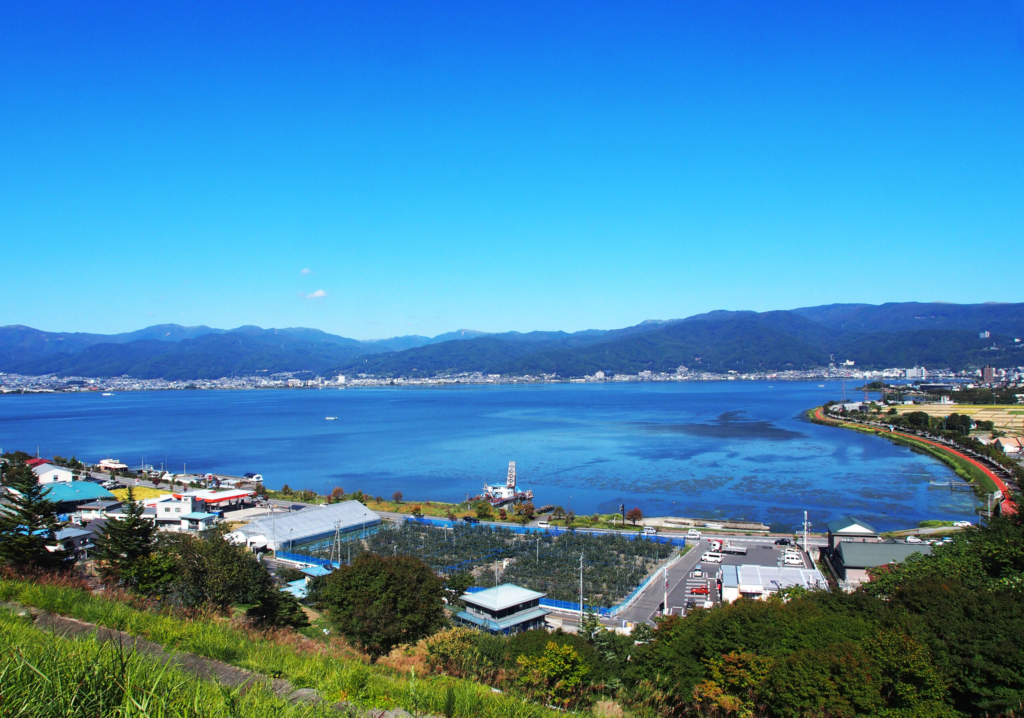
Suwa Lake is situated in central Honshu, Japan’s main island, within mountainous Nagano Prefecture. At an elevation of approximately 759 meters (2,490 feet) above sea level, it is the largest lake in Nagano and one of the most prominent highland lakes in Japan.
Surrounded by the Japanese Alps, Suwa Lake is relatively shallow but wide, creating expansive views that shift dramatically with the seasons. Several rivers flow into the lake, while the Tenryu River serves as its only outflow, eventually reaching the Pacific Ocean.
This unique geographic setting—mountains, water, and open sky—gives Suwa Lake its iconic panoramic appearance and plays a key role in its visual resemblance to the fictional Itomori Lake in Your Name.
Omiwatari: The Sacred Ice Phenomenon of Suwa Lake
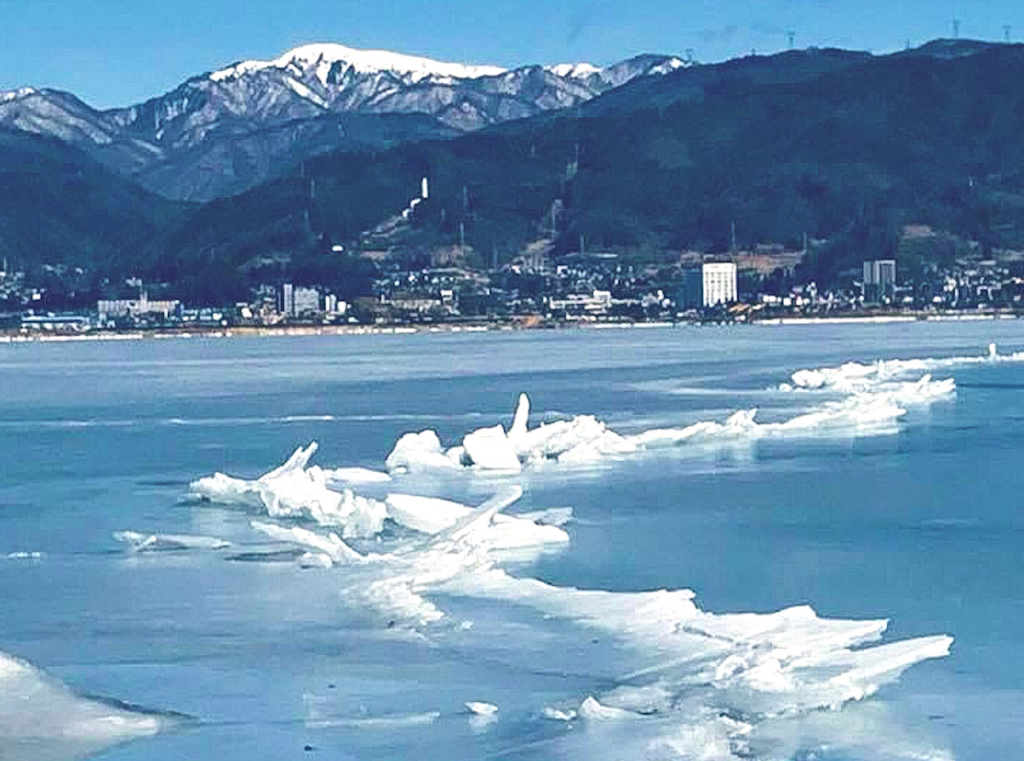
One of the most extraordinary features of Suwa Lake is Omiwatari, a rare winter phenomenon that occurs when the lake freezes completely. As temperatures fluctuate, the ice expands and cracks, forming long ridges that appear to “walk” across the lake’s surface.
According to Shinto belief, Omiwatari represents the path taken by a god crossing the frozen lake to visit another shrine. Priests from Suwa Taisha traditionally observe the ice formations and interpret them as omens for the coming year.
Due to climate change, Omiwatari has become increasingly rare, making any occurrence a highly anticipated event. For visitors, it adds a layer of mysticism and spiritual depth that few natural attractions can match.
Cultural Sites Around Suwa Lake
Beyond its natural beauty, Suwa Lake is surrounded by historically significant landmarks that reveal the region’s spiritual and feudal past.
Suwa Taisha Grand Shrine
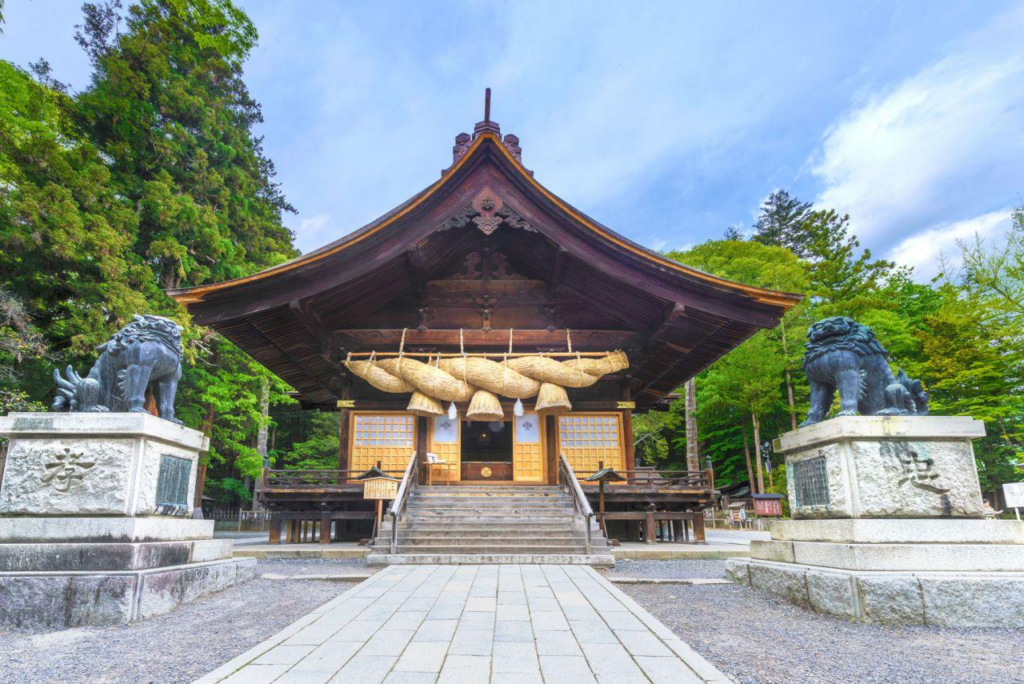
Suwa Taisha is one of Japan’s oldest Shinto shrine complexes, consisting of four main shrines located on opposite sides of the lake. Unlike most shrines, it does not have a traditional main hall; instead, sacred mountains and trees serve as objects of worship.
Every six years, Suwa Taisha hosts the dramatic Onbashira Festival, during which massive logs are transported from mountains and erected at the shrine corners—a ritual that attracts national attention.
Takashima Castle
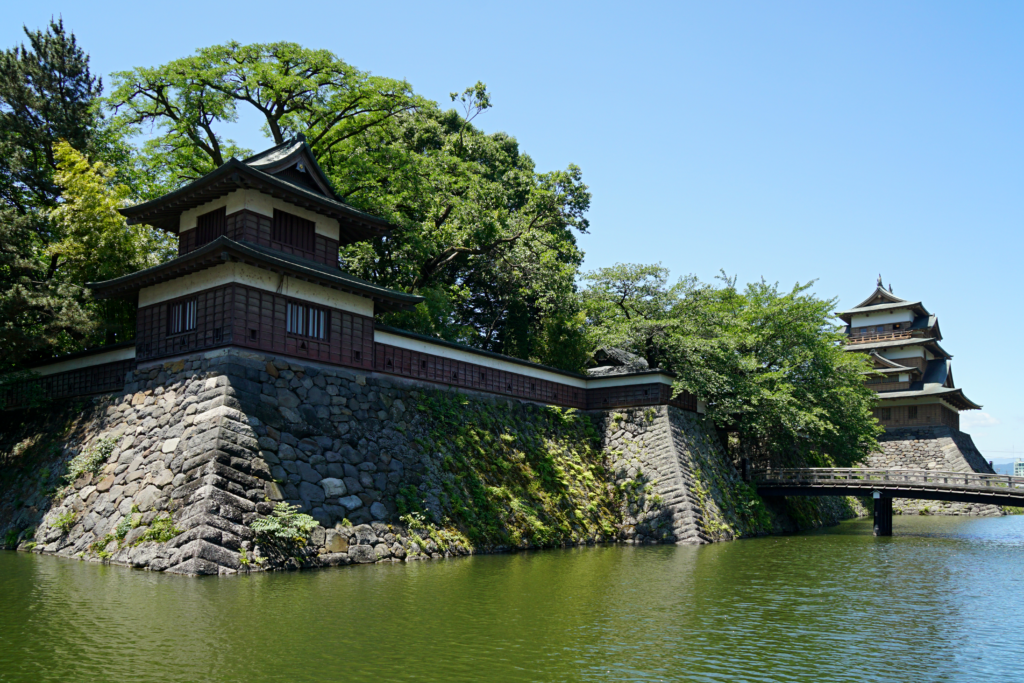
Often called the “Floating Castle of Suwa,” Takashima Castle once stood on a peninsula extending into the lake. Though reconstructed, the castle offers insight into the Edo period and provides beautiful views, especially during cherry blossom season.
Suwa Lake and Your Name: Visual Similarities and Tateishi Park Observatory
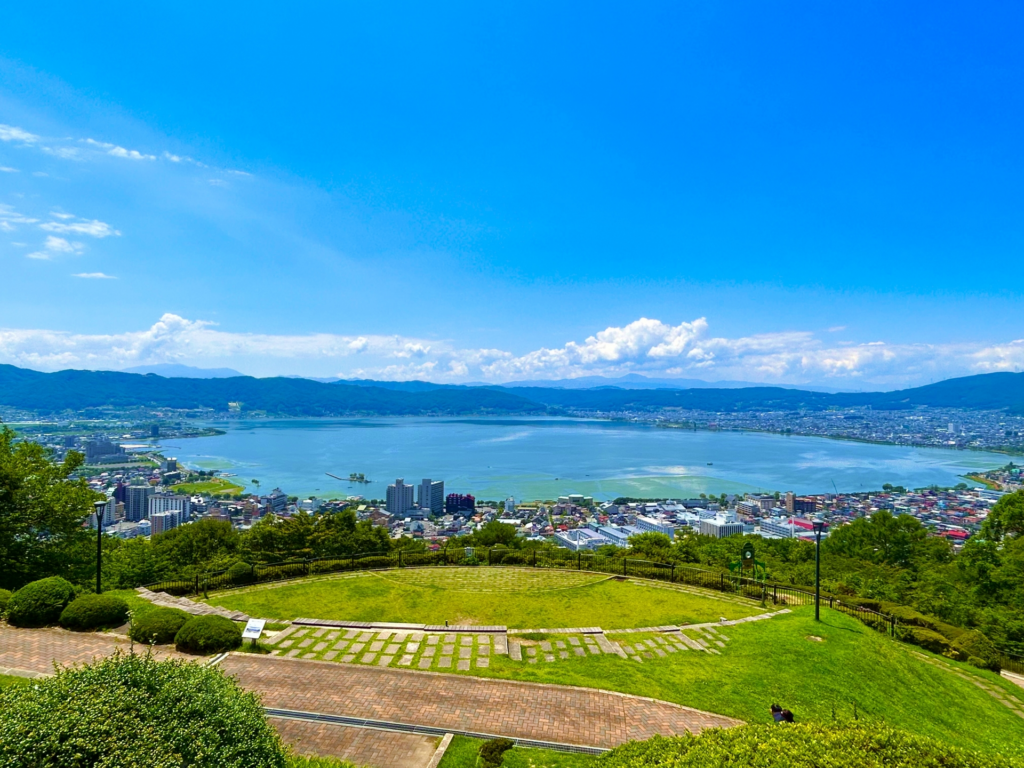
For fans of Your Name, Suwa Lake holds special significance as the real-world inspiration for the fictional Itomori Lake.
The most striking similarity lies in the lake’s shape and scale, particularly when viewed from above. The way Suwa Lake rests among rolling hills strongly resembles the anime’s crater-like lake setting, even though Itomori Lake is fictional.
The best place to experience this connection is Tateishi Park Observatory. From this viewpoint, visitors can enjoy a sweeping panorama of Suwa Lake that closely matches the iconic aerial shots seen in the film.
This visual alignment has made Tateishi Park a must-visit spot for anime fans, photographers, and travelers seeking one of the best sunset views in Nagano.
Conclusion
Suwa Lake is far more than a scenic body of water. It is a place where nature, spirituality, history, and modern storytelling intersect. From its alpine geography and sacred Omiwatari ice phenomenon to its ancient shrines and cinematic influence on Your Name, Suwa Lake offers a deeply layered travel experience.
Whether you come to explore traditional Japanese culture, relax by the water, or trace the real-world inspiration behind an iconic anime, Suwa Lake stands out as one of Japan’s most memorable and meaningful destinations.
If you are searching for a place that feels both timeless and emotionally resonant, Suwa Lake deserves a place on your Japan itinerary.
If you’re wondering where Kyushu Island is, you’re not alone. Kyushu is one of Japan’s most fascinating yet often overlooked regions, offering dramatic volcanoes, relaxing hot springs, vibrant cities, and a deep international history. Located in the southern part of Japan, Kyushu plays a crucial role in shaping the country’s climate, culture, and connections with Asia.
This guide explains where Kyushu Island is located, why its position matters, and why it makes an ideal starting point for exploring southern Japan.
Where Is Kyushu Island Located?
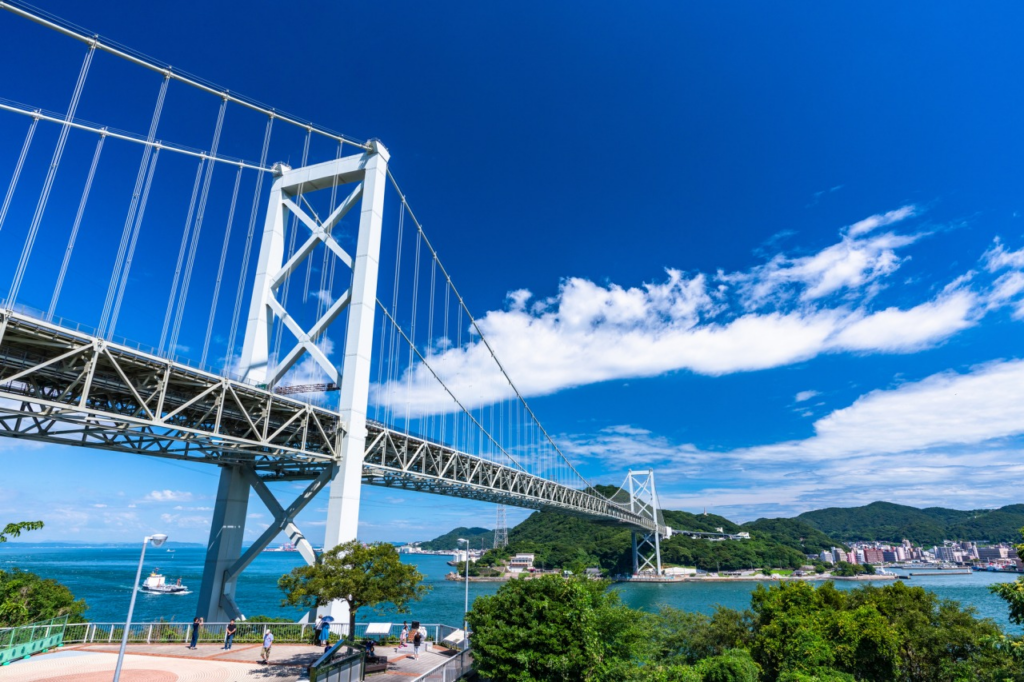
The name Kyushu literally means “nine provinces,” reflecting its historical administrative divisions. Today, Kyushu is Japan’s third-largest island and the southernmost of Japan’s four main islands.
Kyushu lies southwest of Honshu, Japan’s main island, forming part of the Japanese archipelago. Among Japan’s major islands, it is the closest to the Asian mainland, which has made it a historic gateway for trade, cultural exchange, and new ideas.
Geographically, Kyushu is located at approximately 31°–34° north latitude and 129°–132° east longitude.
- To the northeast, it is separated from Honshu by the Kanmon Straits
- To the east, it faces Shikoku across the Bungo Channel
- To the west, it opens onto the East China Sea, directly facing the Korean Peninsula and China
Because of this southwestern position, Kyushu has long held strategic importance within East Asia, influencing Japan’s history, economy, and cultural development.
Major Cities on Kyushu Island

Kyushu is home to several important cities, each with its own character and regional role:
- Fukuoka – The largest city on Kyushu and its main transportation hub. Known for its modern cityscape, food culture, and international accessibility.
- Kumamoto – Located in central Kyushu, surrounded by fertile plains and close to Mount Aso’s volcanic landscape.
- Nagasaki – A historic port city with deep international roots and a unique blend of Japanese and Western heritage.
- Kagoshima – Situated in southern Kyushu, famous for its dramatic views of Sakurajima, one of Japan’s most active volcanoes.
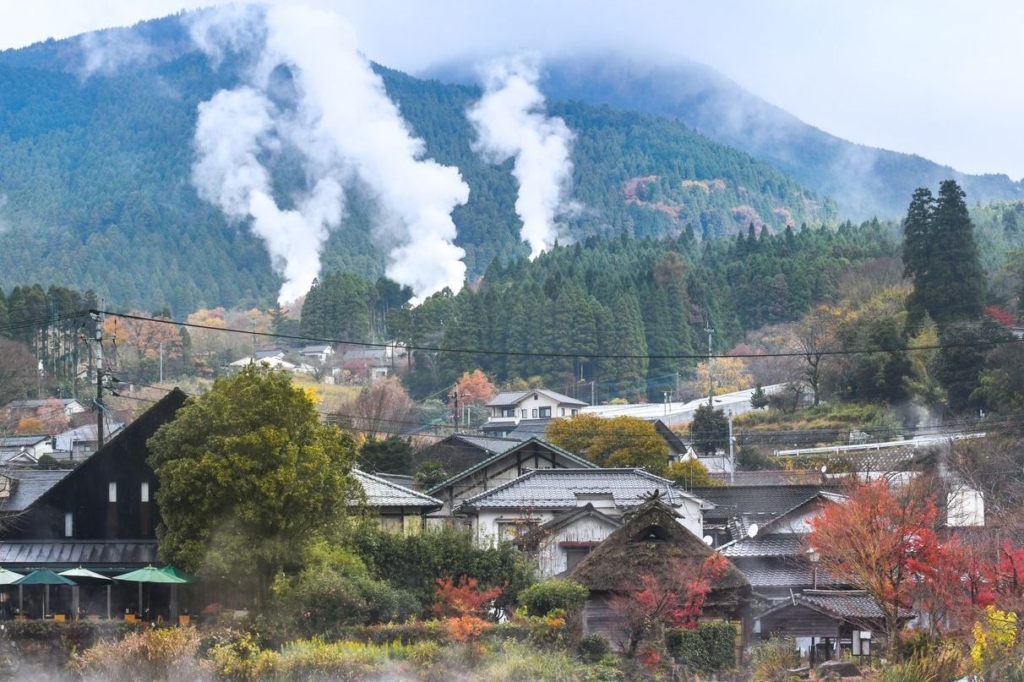
- Oita – Known as the gateway to Japan’s most famous hot spring areas, including Beppu and Yufuin.
These cities serve as cultural, economic, and transportation anchors across the island.
Volcanoes and Hot Springs
One of the defining features of Kyushu’s geography is its volcanic activity. The island sits on an active tectonic zone, resulting in some of Japan’s most dramatic natural landscapes.
Mount Aso, with one of the world’s largest volcanic calderas, dominates central Kyushu, while Sakurajima continues to shape daily life in Kagoshima. This volcanic energy has also created an abundance of hot springs, making Kyushu a paradise for onsen lovers.
Famous hot spring destinations such as Beppu, Yufuin, and Kurokawa Onsen attract visitors from around the world seeking relaxation and natural healing.
Climate and Agriculture

Kyushu’s southern location gives it a warmer and more humid climate than much of Japan. Influenced by ocean currents and seasonal monsoons, the island enjoys long growing seasons and rich rainfall.
This climate supports a wide range of agriculture, from green tea and rice to sweet potatoes and citrus fruits. In the southern parts of Kyushu, subtropical conditions even allow for the cultivation of tropical fruits, contributing to the region’s distinctive food culture.
Access to Kyushu: Why Start from Fukuoka?
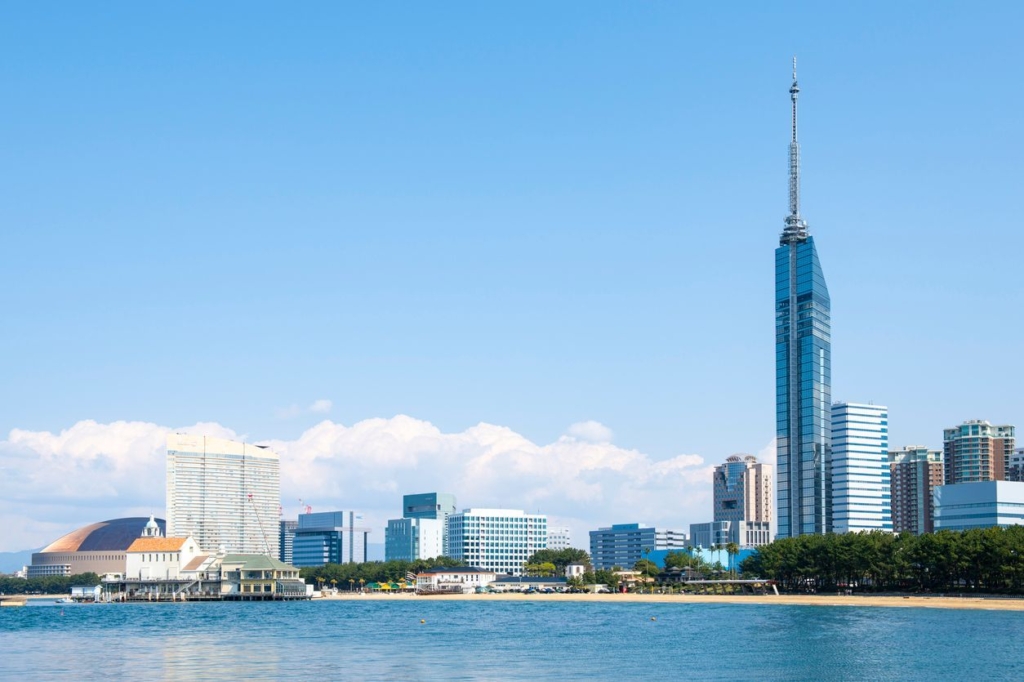
When planning a trip, the easiest way to reach Kyushu is through Fukuoka Airport, one of Japan’s most convenient and well-connected airports. Located close to the city center, it offers frequent domestic flights from Tokyo and Osaka, as well as international routes across Asia.
Because of its excellent transportation links, starting your Kyushu journey from Fukuoka is the best option. From Fukuoka, travelers can easily explore the rest of the island by Shinkansen, limited express trains, buses, or rental cars, making it an ideal base for both short visits and extended trips.
Conclusion
So, where is Kyushu Island?
Kyushu is Japan’s third-largest and southernmost major island, strategically located at the southwestern edge of the country, facing the Asian mainland. Bordered by multiple seas and shaped by volcanic forces, its geography has created a region rich in natural beauty, cultural depth, and historical significance.
From the energetic streets of Fukuoka and the global history of Nagasaki to the volcanic landscapes of Mount Aso and the soothing hot springs of Beppu, Kyushu offers a compact yet incredibly diverse travel experience. Its location is more than a point on the map—it is the foundation of Kyushu’s unique identity and enduring appeal.
For travelers seeking a deeper, more varied side of Japan, Kyushu is not just where it is—it’s where your journey should begin.
When people hear “Japanese tea,” they often think of green tea or matcha.
But what’s the real difference between green tea vs matcha tea?
Although both come from the same plant, their growing method, preparation, taste, and health benefits are very different.
This guide explains everything clearly—even if you’re new to Japanese tea culture.
What Is Green Tea?
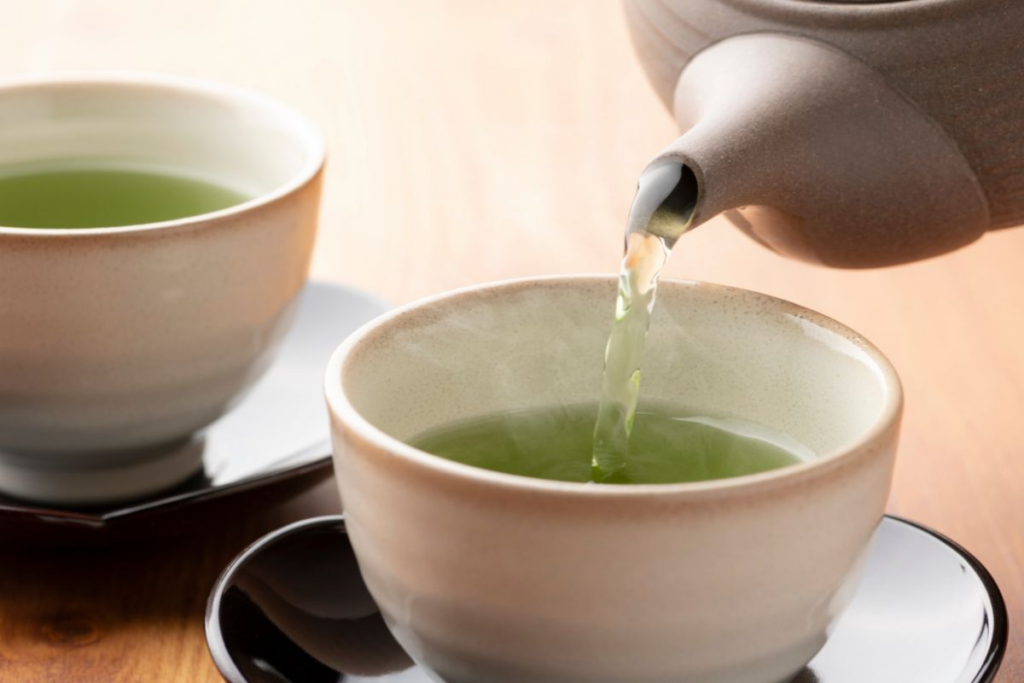
Green tea is a traditional Japanese tea made by steeping tea leaves in hot water.
How Green Tea Is Made
- Tea leaves are grown in direct sunlight
- Leaves are harvested, steamed, rolled, and dried
- The leaves are removed after brewing
Taste Profile
- Light and refreshing
- Slightly bitter or grassy
- Clean finish, easy to drink daily
In Japan, green tea is far more commonly consumed on a daily basis than matcha.
It is enjoyed at home, in offices, and in restaurants, making it an everyday beverage rather than something special.
Matcha, on the other hand, is typically reserved for tea ceremonies, special cultural experiences, or sweets, and is considered a more occasional or ceremonial tea.
What Is Matcha Tea?
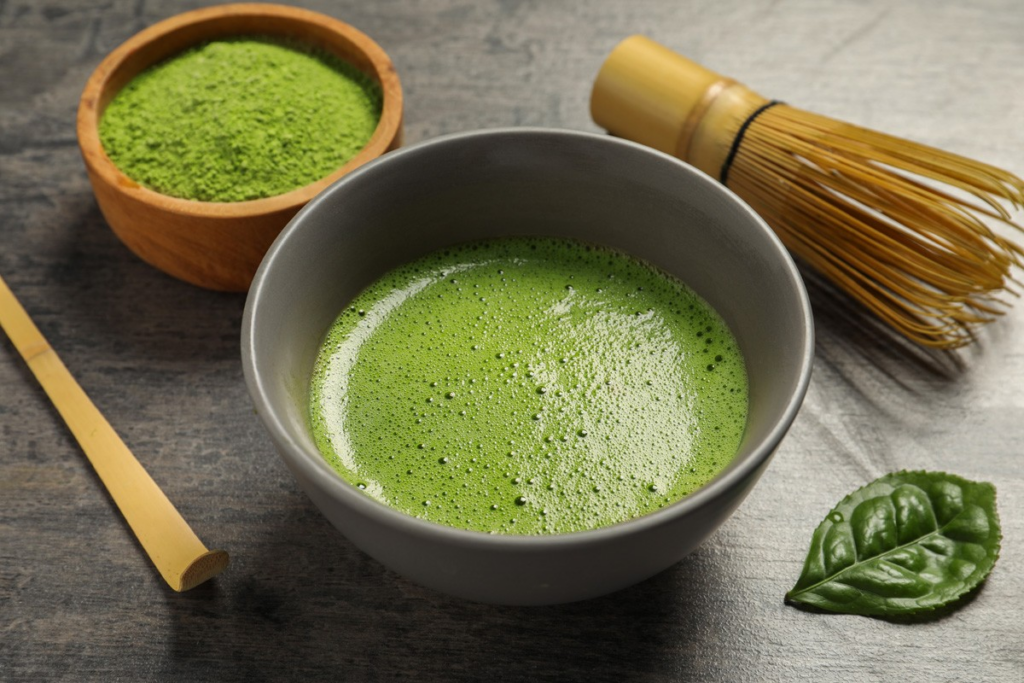
Matcha tea is a powdered form of green tea that you drink whole, not just as an infusion.
How Matcha Is Made
- Tea plants are shade-grown for about 3–4 weeks before harvest
- Leaves are stone-ground into a fine green powder
- The powder is whisked into water, and you consume the entire leaf
Taste Profile
- Rich and creamy
- Umami-forward
- Slight natural sweetness (high-quality matcha)
Health Benefits: Green Tea vs Matcha Tea
Both are healthy—but matcha is more concentrated.
Green Tea Benefits
- Antioxidants (catechins)
- Supports digestion
- Gentle energy boost
- Easy on the stomach
Matcha Tea Benefits
- Higher antioxidants (especially EGCG)
- Sustained energy (L-theanine + caffeine)
- Improved focus and calm alertness
- Popular among people who want a “coffee alternative”
Because you consume the whole leaf, matcha delivers more nutrients per cup.
Caffeine Comparison
- Green tea: ~20–40 mg per cup
- Matcha tea: ~60–70 mg per serving
However, matcha’s caffeine is released slowly, helping avoid the sudden crash often associated with coffee.
Which Should You Choose?
Choose green tea if you:
- Want a light, refreshing drink
- Prefer lower caffeine
- Enjoy traditional daily tea
Choose matcha tea if you:
- Want stronger health benefits
- Need focused energy
- Enjoy bold, creamy flavors
- Like matcha lattes or desserts
Final Thoughts: Green Tea vs Matcha Tea
When it comes to green tea vs matcha tea, neither is better—they simply serve different roles.
- Green tea is an everyday companion in Japanese life
- Matcha is a concentrated, cultural, and often special experience
Understanding this difference allows you to appreciate Japanese tea culture more authentically.
Japanese cuisine has captivated food lovers around the world with its refined flavors, precision, and deep respect for ingredients. Among its most iconic dishes are Sushi, Sashimi, and Nigiri.
These terms are often used interchangeably, especially outside Japan, yet they represent distinct culinary traditions, each with its own purpose, structure, and way of being enjoyed.
Understanding the differences between nigiri, sashimi, and sushi not only prevents confusion—it dramatically enhances your dining experience. This article breaks down each dish clearly, explores how they are traditionally eaten.
What Is Sushi? The Foundation of Vinegared Rice
At its core, sushi is defined by vinegared rice, known as shari.
Contrary to popular belief, sushi does not mean raw fish. While raw seafood is commonly used, the rice is the essential element that defines sushi.
Originally developed as a method of preserving fish, sushi has evolved over centuries into a diverse culinary category, encompassing both simple and highly elaborate forms.
Representative Types of Sushi
Sushi includes a wide range of styles, all built around seasoned vinegared rice. Below are some of the most representative and widely enjoyed types of sushi, including nigiri.
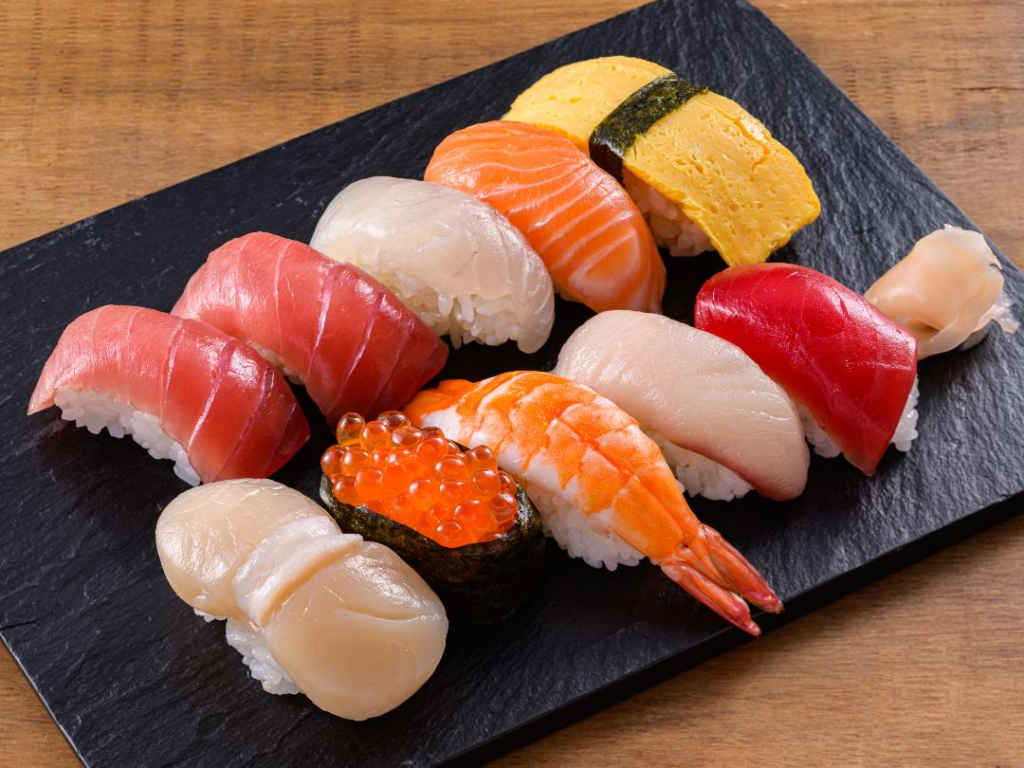
Nigiri Sushi
Nigiri is one of the most fundamental and iconic forms of sushi.
It consists of a small, hand-pressed mound of vinegared rice topped with a single slice of fish or other ingredients. Because of its simplicity, nigiri showcases the sushi chef’s skill most clearly—from the seasoning of the rice to the cut and temperature of the topping.
In some cases, a thin strip of nori is used to secure delicate toppings such as sea urchin or egg omelet.
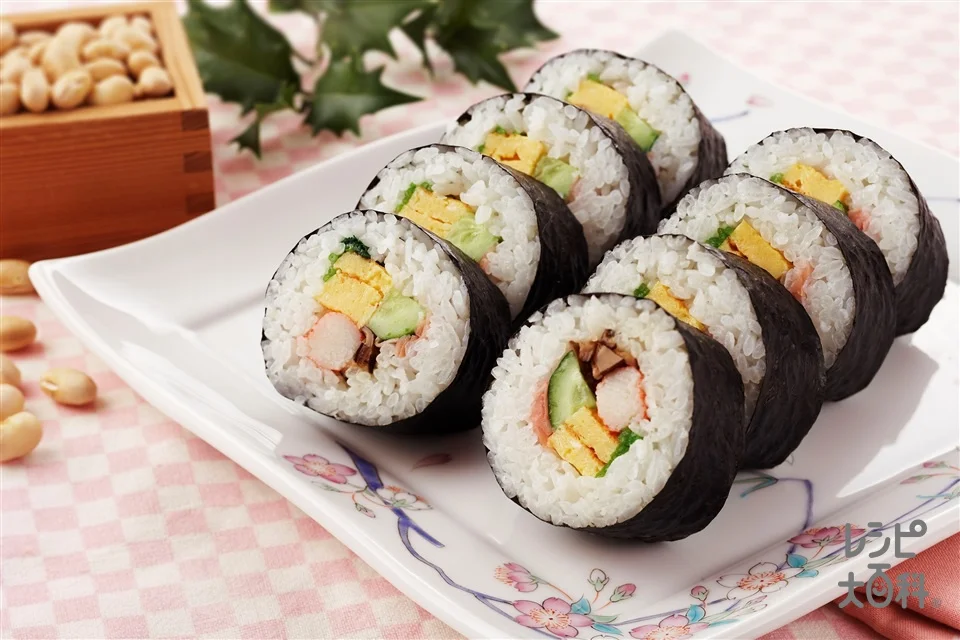
Maki Rolls
Maki sushi is made by rolling rice and fillings in a sheet of nori (seaweed), then slicing it into bite-sized pieces. Maki offers great variety depending on the ingredients used.
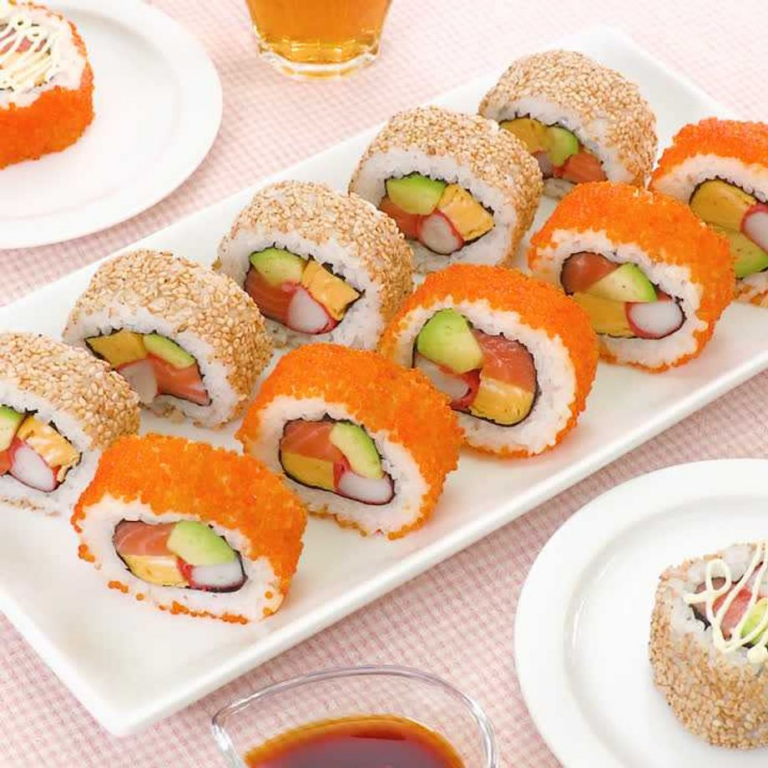
Uramaki (Inside-Out Rolls)
Uramaki features rice on the outside and nori and fillings on the inside.
This style became especially popular outside Japan, with the California Roll being the most famous example. The outer layer of rice is often coated with sesame seeds or fish roe.
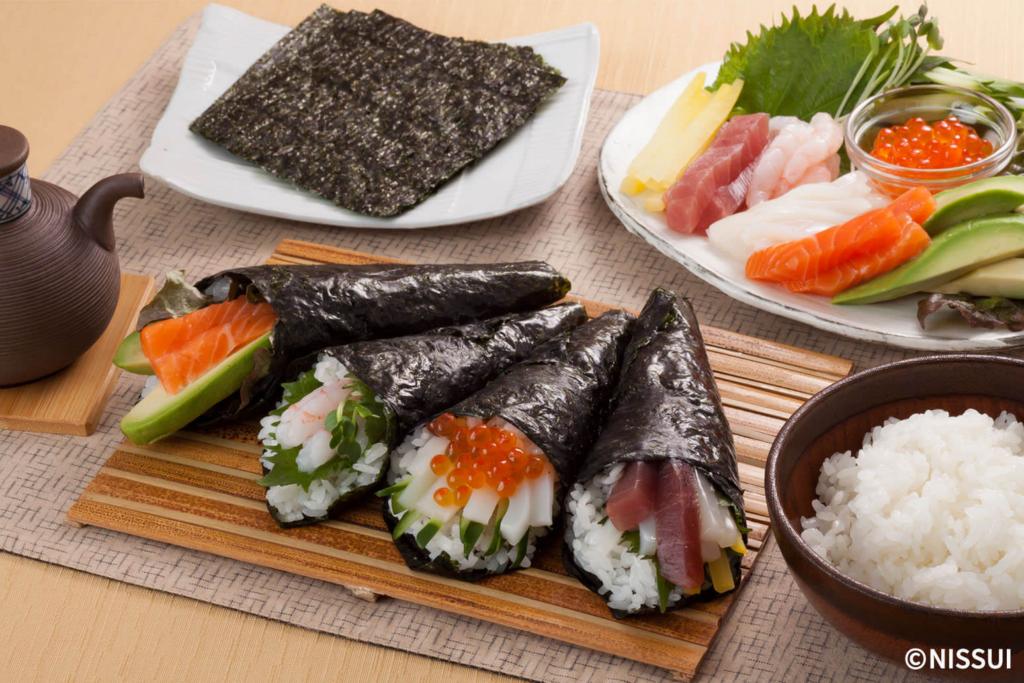
Temaki (Hand Rolls)
Temaki are cone-shaped sushi rolls meant to be eaten by hand.
They are prepared fresh and enjoyed immediately to preserve the crispness of the nori. Temaki offers a casual, interactive way to enjoy sushi and allows for flexible ingredient combinations.
Chirashi Sushi
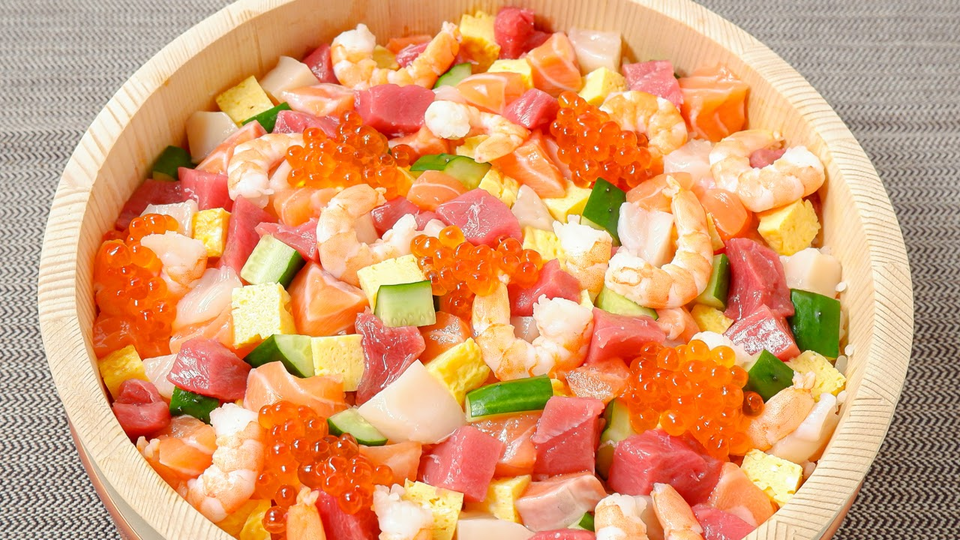
Chirashi, meaning “scattered sushi,” consists of a bowl of vinegared rice topped with an assortment of fish, seafood, and garnishes.
It allows diners to enjoy a wide variety of flavors in a single dish. Regional styles include more artistically arranged Edo-style chirashi and mixed versions with cooked ingredients.Chirashi, meaning “scattered sushi,” consists of a bowl of vinegared rice topped with an assortment of fish, seafood, and garnishes.
It allows diners to enjoy a wide variety of flavors in a single dish. Regional styles include more artistically arranged Edo-style chirashi and mixed versions with cooked ingredients.
What Is Sashimi? The Pure Art of Raw Fish
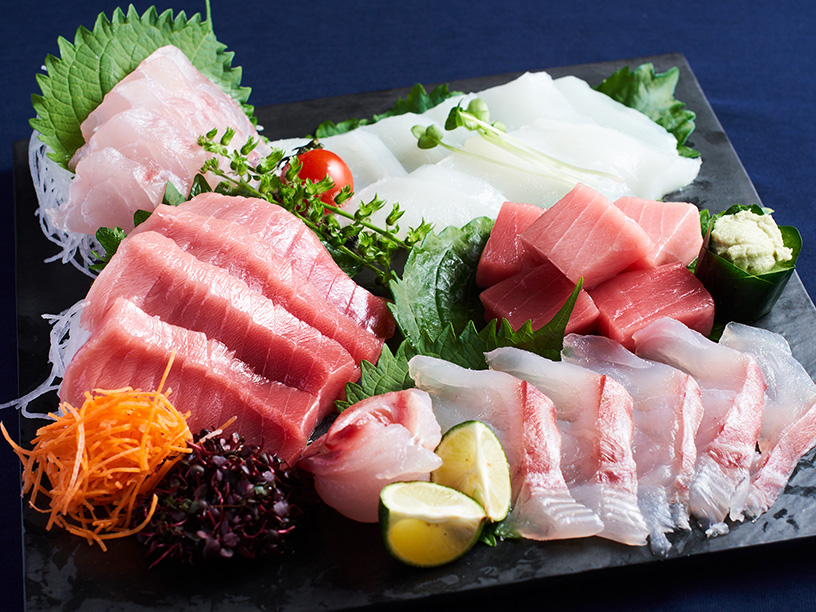
Sashimi is not sushi. It is a dish consisting solely of raw fish or seafood served without rice, allowing the natural freshness, flavor, and texture of the ingredient to be fully appreciated.
The quality and freshness of the fish are paramount, and skilled knife work plays a crucial role in achieving the ideal mouthfeel. Garnishes are kept minimal so as not to distract from the fish itself.
Traditionally, sashimi is beautifully arranged on shredded daikon radish and served with soy sauce, wasabi, and pickled ginger. The fish is lightly dipped into soy sauce, and it is commonly enjoyed from lighter, more delicate flavors to richer, fattier varieties.
What Is Nigiri? The Perfect Balance
Nigiri is a specific type of sushi and one of its most refined expressions. As a form of sushi, it is defined by the presence of vinegared rice, which is hand-shaped into a small mound and topped with a single slice of fish or other ingredients.
Nigiri represents balance—between fish and rice, texture and temperature, simplicity and technique. Unlike rolls, it offers an unfiltered experience of the topping, supported by subtly seasoned rice rather than additional ingredients or sauces. Because of this simplicity, even small differences in technique—such as the pressure used to shape the rice or the way the fish is cut—can dramatically affect the final result.
Conclusion
While often grouped together, Sushi, Sashimi, and Nigiri represent clearly distinct culinary traditions.
- Sushi is the broad category defined by vinegared rice.
- Sashimi is the pure celebration of raw fish, served without rice.
- Nigiri is a refined form of sushi, combining rice and topping in perfect balance.
Recognizing these differences allows you to make informed choices, deepen your appreciation of Japanese cuisine, and fully enjoy the artistry behind every carefully prepared dish. Embrace the distinctions—and savor the journey.
Where Is Gunma Prefecture?
Gunma Prefecture is located in the northwestern part of Japan’s Kanto region, just inland from Tokyo. Despite being less than two hours from the capital, Gunma feels like a completely different world—mountainous, spacious, and deeply connected to nature.
As a landlocked prefecture surrounded by mountains, Gunma is known for its clean air, abundant water sources, and dramatic landscapes shaped by volcanic activity. Its excellent rail and road connections make it an easy yet rewarding escape for travelers looking to experience a more authentic and tranquil side of Japan.
World-Class Hot Springs (Onsen)
Gunma is one of Japan’s most renowned onsen prefectures, home to several of the country’s most famous hot spring resorts.
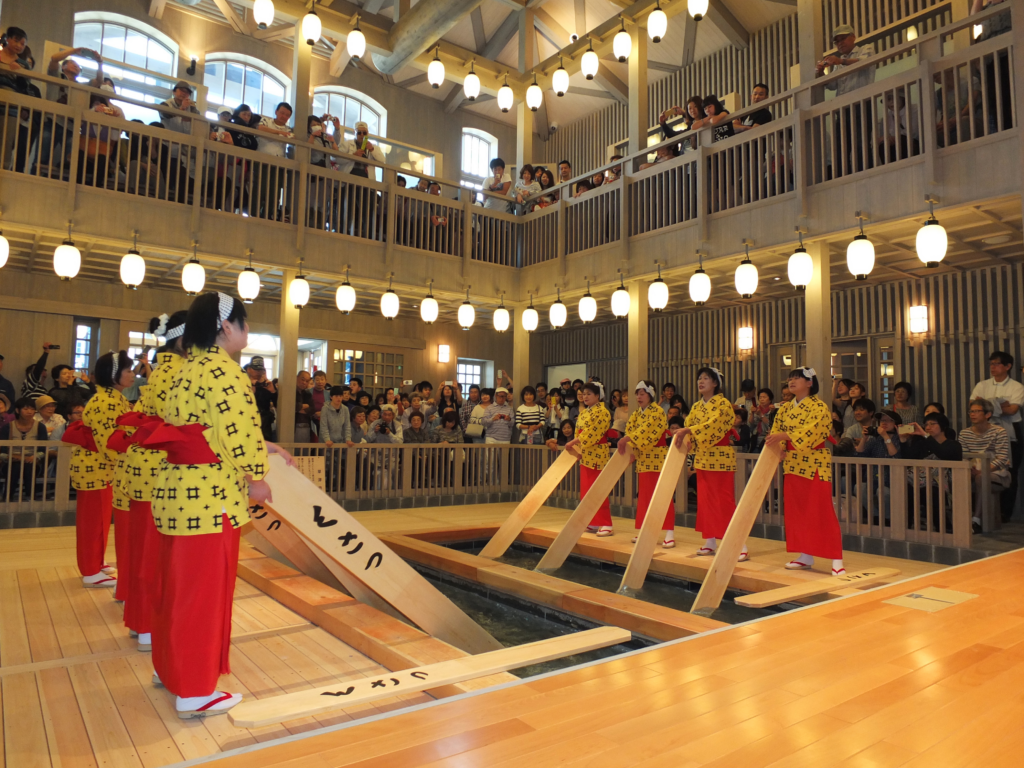
Kusatsu Onsen is often ranked as Japan’s top onsen destination, celebrated for its highly acidic, mineral-rich waters believed to have exceptional healing properties. The iconic Yubatake (hot water field) and traditional Yumomi performance embody centuries of bathing culture.
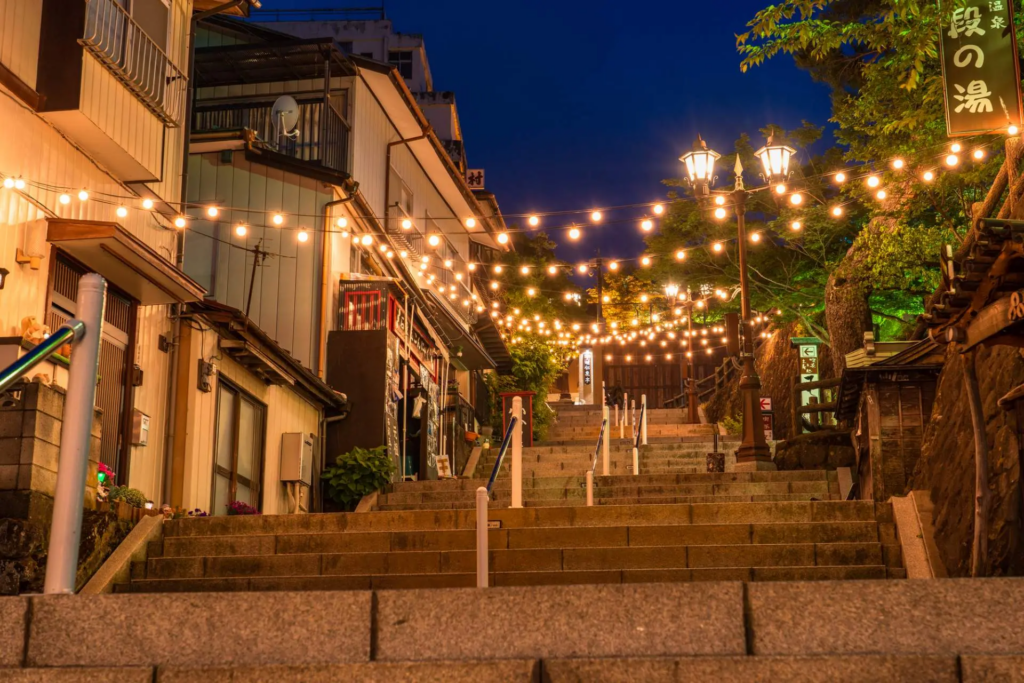
Ikaho Onsen is known for its atmospheric stone stairway lined with ryokan and shops, as well as its distinctive iron-rich “golden” hot spring water.
Meanwhile, Minakami Onsen offers a perfect balance of relaxation and adventure, allowing visitors to enjoy outdoor activities by day and soothing hot springs by night. Across the prefecture, onsen are not just places to bathe, but cultural spaces where time slows down and the body and mind are restored.
Breathtaking Natural Beauty
Gunma’s natural scenery changes dramatically with the seasons, offering year-round beauty.
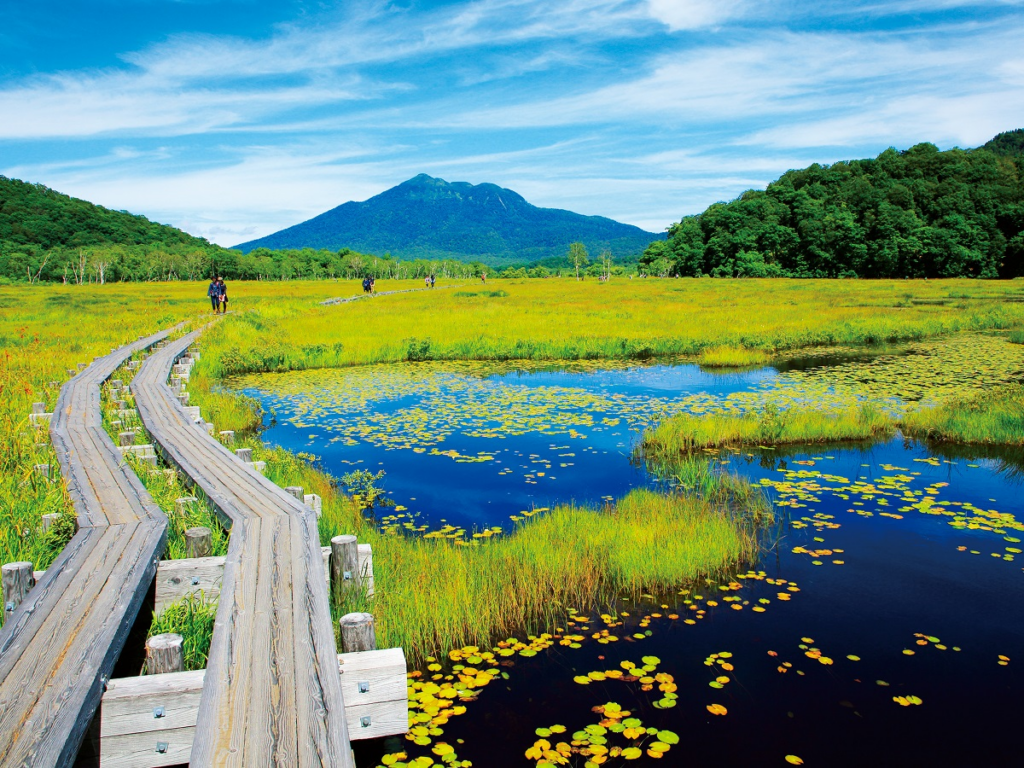
Oze National Park is one of Japan’s most treasured natural areas, famous for its vast alpine wetlands, wooden boardwalks, and seasonal flowers. Spring brings white skunk cabbage blooms, while summer and autumn transform the landscape with vibrant colors.
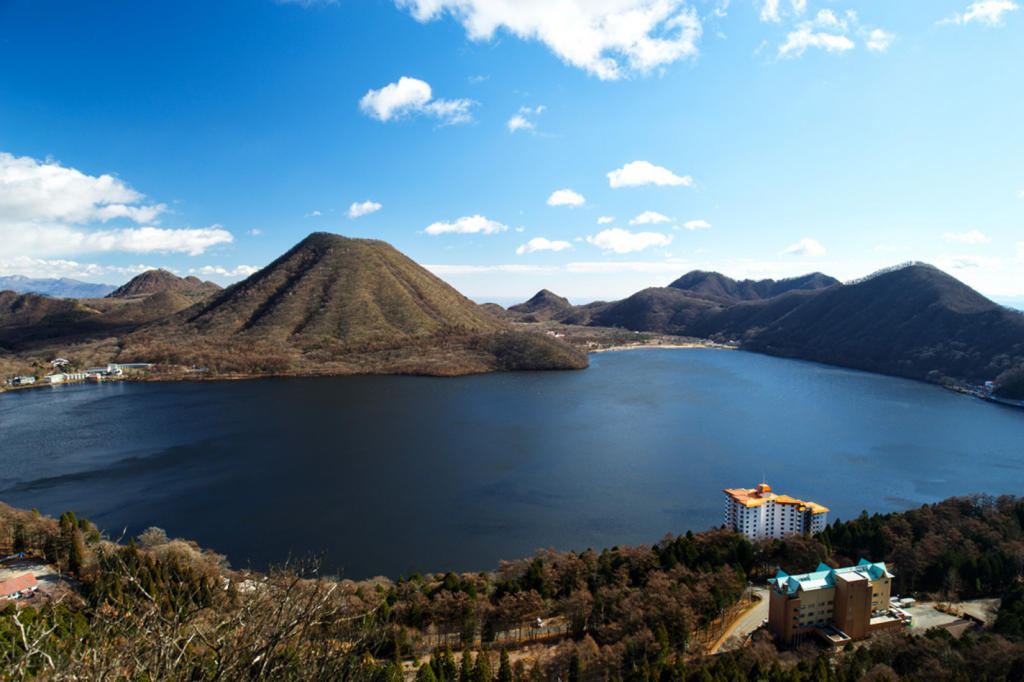
Volcanic mountains such as Mount Akagi and Mount Haruna dominate the skyline, creating dramatic views, crater lakes, and scenic hiking routes. In autumn, the mountains glow with red and gold foliage, while winter blankets the region in snow, turning Gunma into a serene winter wonderland ideal for skiing and snow-covered hot spring baths.
Cultural Heritage and Traditions
Beyond nature, Gunma offers deep cultural and historical experiences.
Tomioka Silk Mill, a UNESCO World Heritage Site, played a crucial role in Japan’s modernization. Established in 1872, it was Japan’s first modern silk-reeling factory and a symbol of the country’s industrial transformation during the Meiji era.
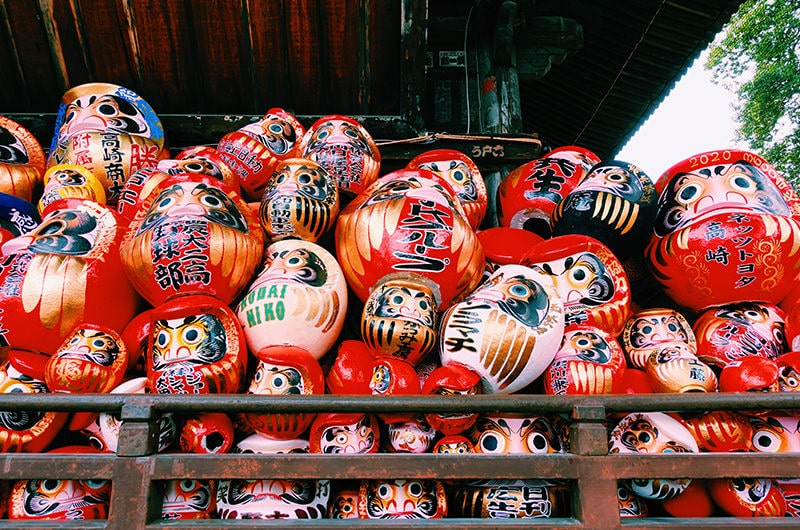
Gunma is also famous for its Daruma dolls, especially in Takasaki City, which produces the majority of Daruma in Japan. These symbolic figures represent perseverance and good fortune and remain deeply embedded in local life.
Sacred sites such as Haruna Shrine, nestled within towering cedar forests and massive rock formations, reflect Japan’s ancient Shinto beliefs and the spiritual connection between nature and worship.

Conclusion: Why Visit Gunma?
Gunma Prefecture is a destination that quietly delivers some of Japan’s most rewarding travel experiences. Easily accessible from Tokyo yet worlds apart in atmosphere, it offers a rare balance of relaxation, adventure, and cultural depth.
From soaking in legendary hot springs and hiking through pristine wetlands to exploring UNESCO-listed heritage sites and timeless traditions, Gunma invites travelers to slow down and reconnect—with nature, history, and themselves.
For those seeking an authentic Japan beyond the major cities, Gunma is not just a place to visit—it is a place to remember.
1. Unveiling the Spiritual Essence of Ise, Mie Japan
Nestled in the heart of Mie Prefecture, Ise stands as the spiritual heartland of Japan, a destination steeped in ancient tradition and profound reverence. Far more than just a city, Ise is synonymous with its unparalleled spiritual significance, drawing millions of visitors annually seeking a deeper connection to Japan’s indigenous Shinto faith.
At its core lies the Ise Grand Shrine (Ise Jingu), considered the most sacred Shinto shrine in the entire country. This isn’t merely a tourist attraction; it’s a living testament to Japan’s imperial history and spiritual heritage, dedicated to Amaterasu Omikami, the Sun Goddess and revered ancestress of the Imperial Family. The atmosphere here is one of serene purity and timeless devotion, offering a unique glimpse into the soul of Japan.
Beyond the grandeur of its shrines, Ise, Mie Japan, offers a holistic experience. The region’s natural beauty, from its lush forests to its rugged coastlines, perfectly complements the spiritual journey. Visitors will discover a blend of solemn pilgrimage, historical exploration, and cultural immersion, all contributing to an unforgettable encounter with Japan’s deepest traditions.
Preparing for a visit to Ise means understanding its unique place in Japanese culture. It’s a journey into the origins of Shintoism, a chance to witness rituals unchanged for centuries, and an opportunity to experience a profound sense of tranquility. Whether you’re drawn by religious devotion, historical curiosity, or a desire for peaceful reflection, Ise promises an enriching and deeply spiritual encounter.
2. The Sacred History and Significance of Ise
2.1 Ancient Origins of Ise Jingu
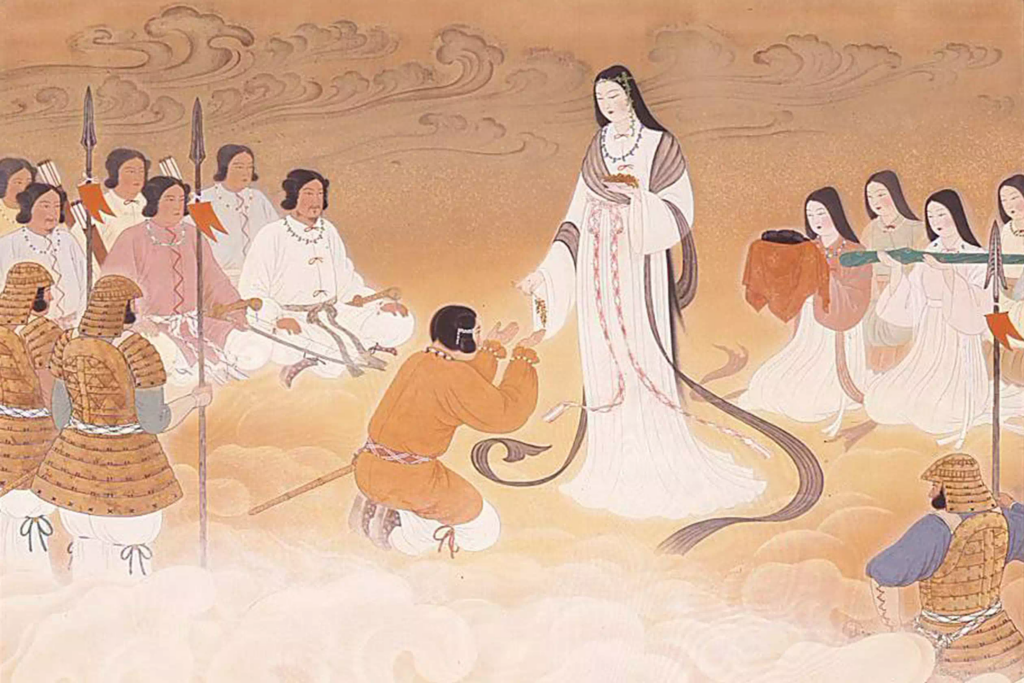
The history of Ise Jingu, often referred to as the Ise Grand Shrine, is deeply interwoven with the very fabric of Japanese mythology and imperial lineage. Its origins are not merely historical but legendary, tracing back over 2,000 years. The central deity enshrined here is Amaterasu Omikami, the Sun Goddess and ancestress of the Imperial Family, making Ise the most revered and sacred site in Shintoism.
According to ancient texts such as the Kojiki and Nihon Shoki, Amaterasu Omikami was initially worshipped within the Imperial Palace. However, fear that her divine power might be too overwhelming led to the decision to find a permanent, external dwelling for her. This sacred quest was undertaken by Princess Yamato Hime-no-mikoto, daughter of Emperor Suinin. For over two decades, she journeyed across the land, seeking the most fitting location. It was in Ise that Amaterasu Omikami herself is said to have declared, “This is a secluded and pleasant land. In this land, I wish to dwell.” Thus, the Naiku (Inner Shrine), dedicated to Amaterasu Omikami, was established.
The establishment of Ise Jingu marked a pivotal moment, shifting the worship of the Sun Goddess from a private imperial ritual to a more public, albeit exclusive, institution. This act solidified the shrine’s unique status as the paramount spiritual guardian of Japan, directly linked to the legitimacy and divinity of the Imperial line.
2.2 The Enduring Legacy of Ise
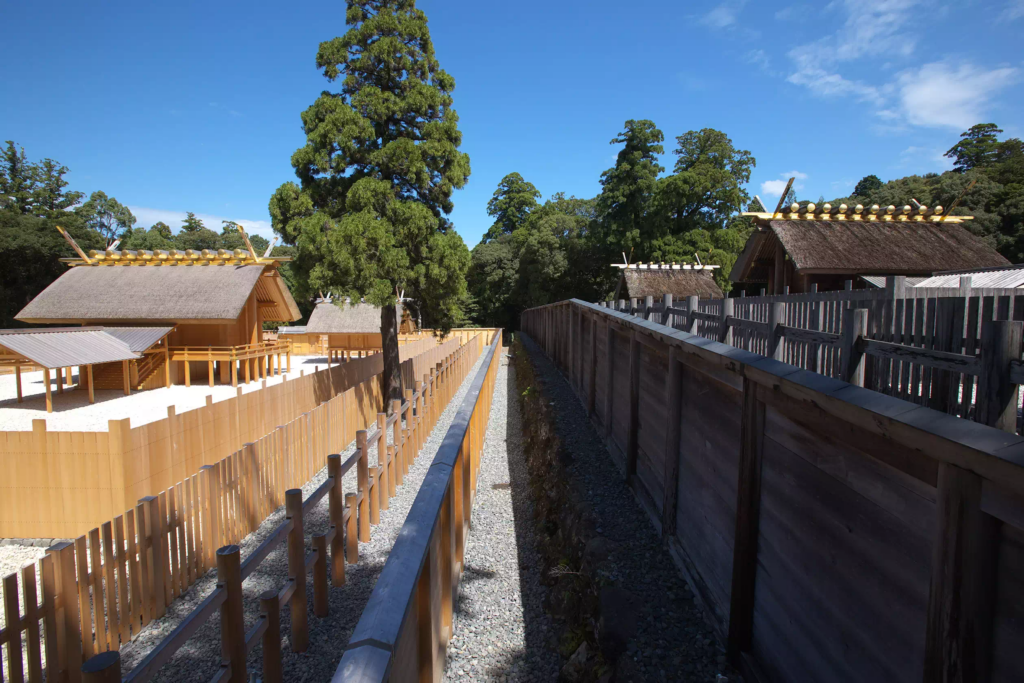
The significance of Ise Jingu extends far beyond its ancient origins, sustained by traditions that have remained unbroken for millennia. Central to this enduring legacy is the practice of Shikinen Sengu, the ritual rebuilding of the entire shrine complex every 20 years. This extraordinary tradition, which has been performed for over 1,300 years, involves constructing new shrine buildings on an adjacent site, moving the sacred objects to the new structures, and then dismantling the old ones. It is a profound embodiment of Shinto principles of purity, renewal, and the cyclical nature of life. This meticulous process also ensures that ancient architectural techniques and craftsmanship are passed down through generations, preserving invaluable cultural heritage.
Ise Jingu has always held an unparalleled position in Japan’s spiritual landscape. Unlike other shrines, it traditionally did not accept offerings from the general public until the Meiji Restoration, emphasizing its exclusive connection to the Imperial Family. Historically, it was the only shrine permitted to house the sacred mirror, one of the Three Imperial Regalia of Japan, symbolizing the direct lineage from Amaterasu Omikami to the Emperor.
Even today, Ise remains the spiritual heart of Japan, a place where the Emperor and Empress make special visits and offerings. It serves as a powerful symbol of national identity, continuity, and the profound respect for tradition that defines Japanese culture. The enduring legacy of Ise is a testament to its unchanging role as the most sacred sanctuary, continuously purifying and renewing the spirit of the nation.
3. Ise Grand Shrine A Pilgrimage Guide
The Ise Grand Shrine, or Ise Jingu, is not a single shrine but a complex of over 125 shrines, with its two principal shrines, Naiku (Inner Shrine) and Geku (Outer Shrine), standing as the spiritual heart of Japan. A visit here is more than just sightseeing; it’s a profound journey into the origins of Shinto, Japan’s indigenous religion.
3.1 Visiting Naiku The Inner Shrine
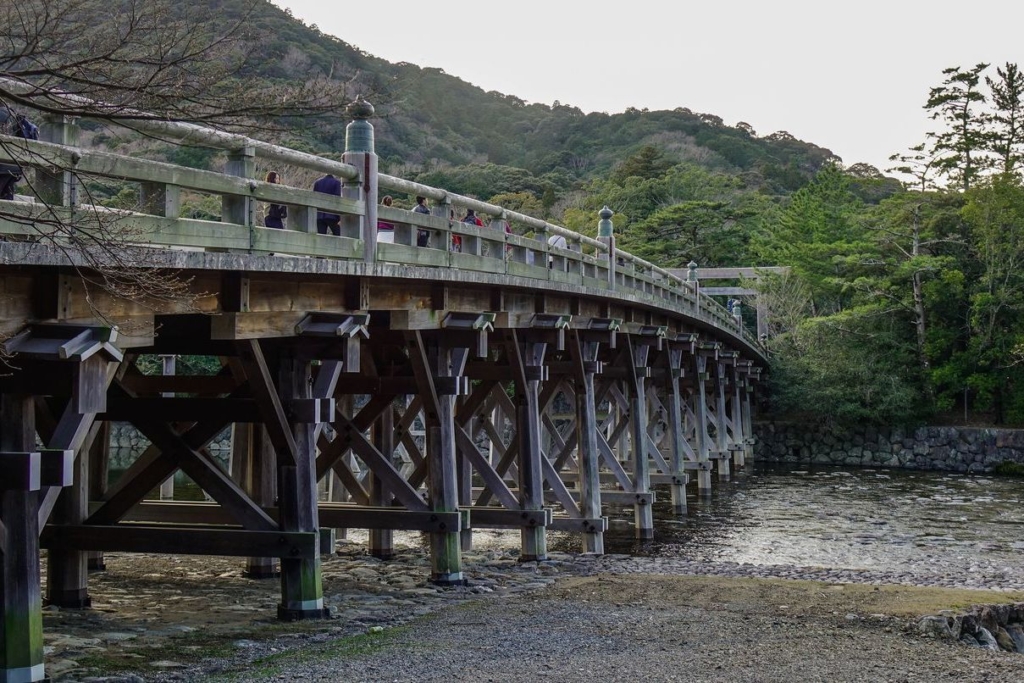
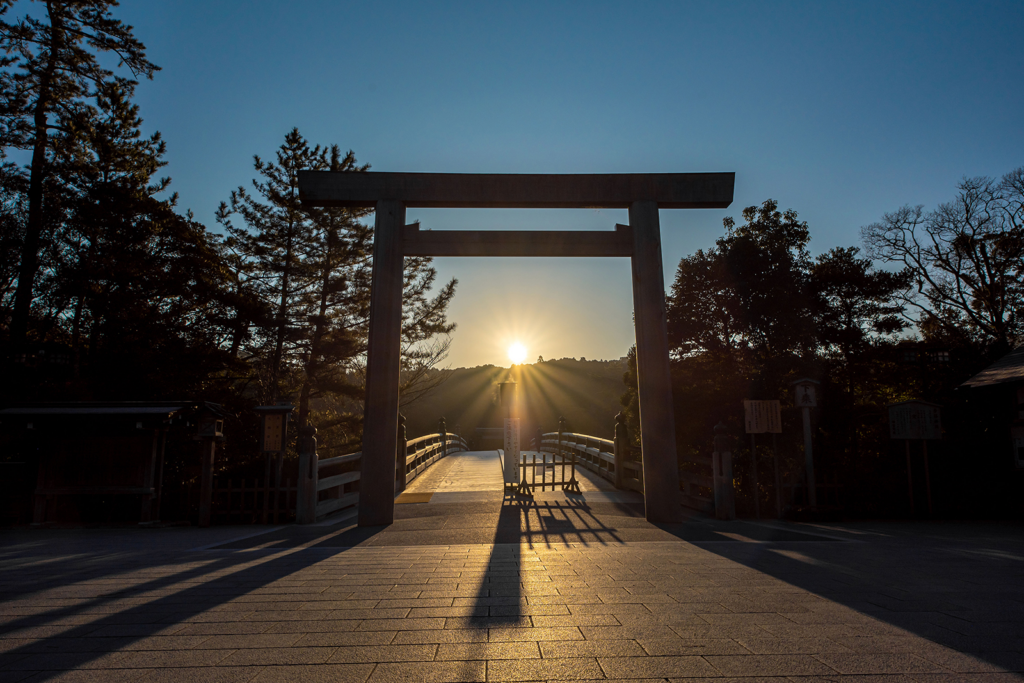
Naiku, officially known as Kotai Jingu, is the most sacred site in Japan, dedicated to Amaterasu Omikami, the Sun Goddess and ancestress of the Imperial Family. It is believed to house the sacred mirror, one of the Three Imperial Regalia of Japan. The approach to Naiku begins with crossing the iconic Uji Bridge, which spans the Isuzu River and symbolically separates the sacred from the secular world. After crossing, visitors are encouraged to perform a purification ritual by washing their hands and rinsing their mouths at the Mitarashi-ba, a natural purification spot along the Isuzu River, or at the designated temizuya.
The path through Naiku is a serene journey under ancient cedar trees, leading to the main sanctuary. While the main sanctuary itself is largely hidden behind several fences and cannot be directly viewed by the public, the atmosphere of reverence is palpable. Visitors can offer prayers at the outer gates. The architecture, known as Shinmei-zukuri, is characterized by its ancient, simple, and elegant style, reflecting purity and tradition. Surrounding Naiku are numerous smaller shrines and sacred sites, each contributing to the profound spiritual experience.
3.2 Exploring Geku The Outer Shrine
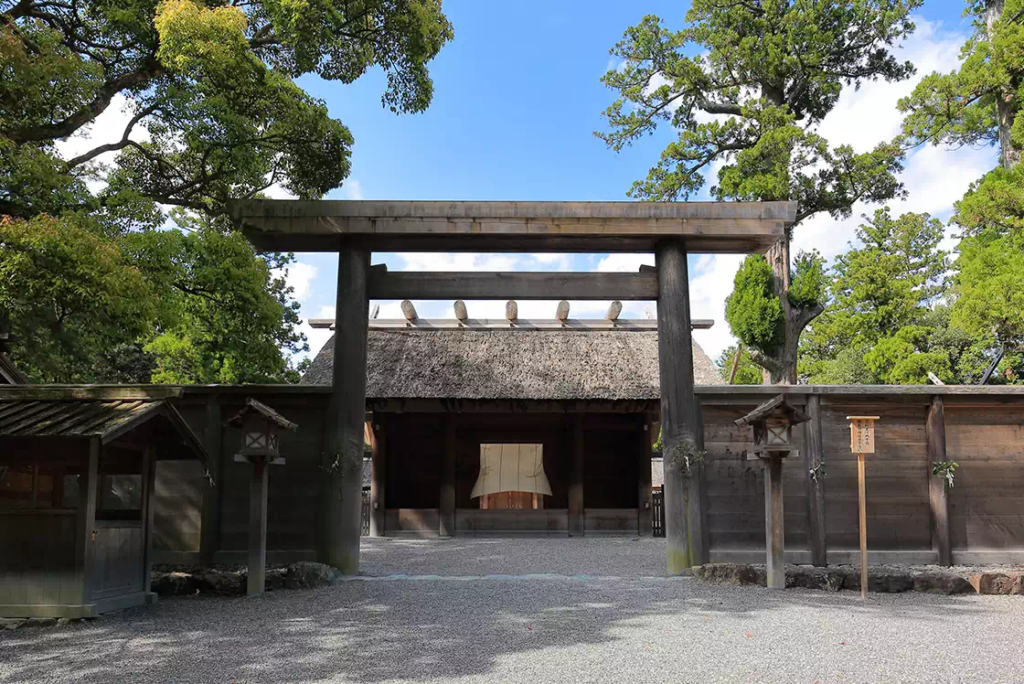
Geku, or Toyouke Daijingu, is dedicated to Toyouke Omikami, the deity of food, clothing, and housing, who is believed to serve Amaterasu Omikami. It is customary to visit Geku before Naiku, symbolizing the proper order of showing respect to the deities. Located a short distance from Ise-shi Station, Geku offers a similar tranquil and forested approach, though often considered slightly less grand than Naiku, it holds immense spiritual importance.
Like Naiku, Geku features the distinctive Shinmei-zukuri architecture and is surrounded by a peaceful forest. Visitors can purify themselves at the temizuya near the entrance before proceeding along the gravel paths. The main sanctuary at Geku, similar to Naiku, is also largely obscured from direct view, but its presence is deeply felt. The shrine complex includes various sub-shrines dedicated to other deities, emphasizing the interconnectedness of daily life with the divine.
3.3 Etiquette and Respect at Ise Jingu
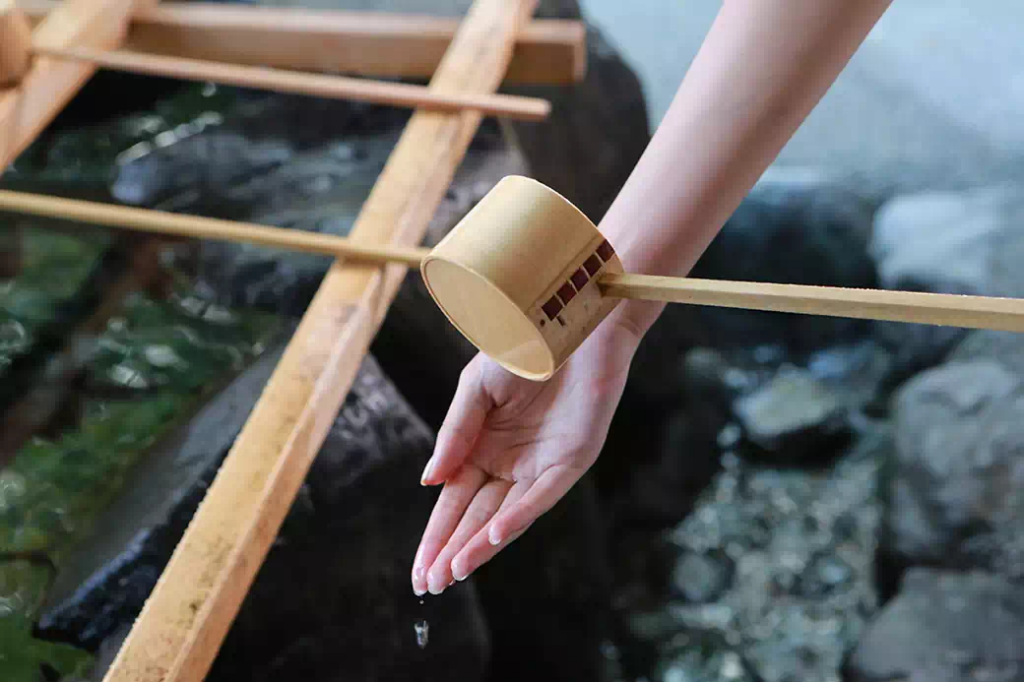
A visit to Ise Jingu is a sacred experience, and observing proper etiquette is crucial to showing respect for the deities and the spiritual significance of the site. The following guidelines will help ensure a reverent and meaningful visit:
| Aspect of Etiquette | Guidance for Visitors |
|---|---|
| Purification (Temizuya) | Before entering the main sanctuary grounds, purify yourself at the temizuya. Use the ladle to rinse your left hand, then your right hand, pour water into your left palm to rinse your mouth, and finally rinse the ladle handle before returning it. |
| Walking Paths | Always walk on the left side of the main path (sando). The center is reserved for the deities. |
| Photography | Photography is generally permitted in the outer areas of the shrine grounds. However, it is strictly prohibited inside the inner sanctuary areas and near the main shrine buildings. Look for signs indicating photography restrictions. |
| Dress Code | While there is no strict dress code, respectful attire is encouraged. Avoid overly casual clothing, such as swimwear or revealing outfits. |
| Behavior | Maintain a quiet and reverent demeanor throughout your visit. Avoid loud conversations, running, or any disruptive behavior. Turn off or silence mobile phones. |
| Offerings and Prayer | When offering prayers, a common practice is to bow twice, clap twice, and then bow once more. Coins can be placed in the offering box (saisenbako). |
| Shikinen Sengu | Be aware of the Shikinen Sengu, the ritual rebuilding of the main shrines every 20 years. This ancient tradition ensures the transfer of building techniques and the renewal of spiritual energy. You may observe the empty adjacent plots where the shrines will be rebuilt. |
4.Conclusion
Ise is not just a place to visit, but a place to feel.
Rooted in ancient tradition and quiet spirituality, it reveals the heart of Japanese culture.
For those seeking meaning beyond sightseeing, Ise offers a timeless and deeply memorable experience.
Is all Wagyu Kobe beef? This article demystifies the world of premium Japanese beef, explaining the distinct origins, strict criteria, and unique qualities that set Wagyu apart from the ultra-exclusive Kobe beef. Discover how to identify authentic products and understand their true value.
1.Understanding Wagyu What It Truly Means
1.1 The Four Breeds of Japanese Wagyu Cattle
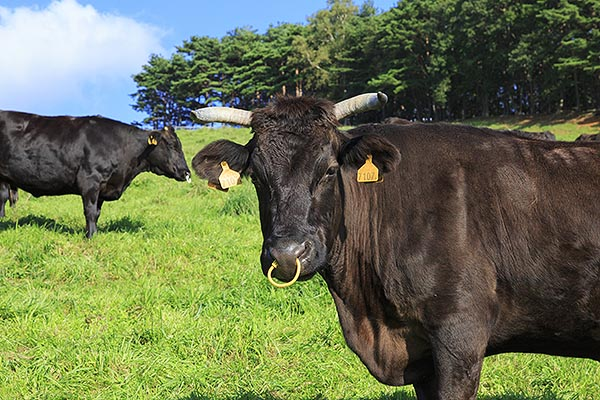
The term “Wagyu” (和牛) literally translates to “Japanese cattle”, encompassing several distinct breeds native to Japan. Far from being just a type of beef, Wagyu represents a culmination of centuries of selective breeding, meticulous care, and a unique genetic predisposition that results in a culinary experience unlike any other.
While often mistakenly used interchangeably with “Kobe beef,” Wagyu is the broader category. Think of it this way: all Kobe beef is Wagyu, but not all Wagyu is Kobe beef. This foundational understanding is crucial for appreciating the nuances of this highly prized meat.
The distinctive qualities of Japanese Wagyu originate from four native cattle breeds, developed through decades of careful selection. Following the Meiji Restoration, as meat consumption became more common in Japan, native cattle were selectively crossbred with Western breeds. Once superior traits were identified, these bloodlines were isolated and refined, forming the foundation of modern Wagyu.
The most important of these breeds is Japanese Black, which accounts for over 90% of all Wagyu cattle today. It is prized for its exceptionally fine and abundant marbling, which gives Wagyu its rich flavor and signature melt-in-the-mouth tenderness. Most of Japan’s famous Wagyu brands—such as Kobe, Matsusaka, and Ohmi—are derived from this breed.
Japanese Brown (Akaushi) offers a contrasting profile, with leaner meat and lighter marbling. It is valued for its clean, savory flavor, balanced richness, and firm yet tender texture.
The remaining breeds, Japanese Shorthorn and Japanese Polled, are produced in very limited quantities and are rarely encountered in the broader Wagyu market. As a result, they play only a minor role in Wagyu production compared to Japanese Black and Japanese Brown.
1.2 The Origins and History of Wagyu Beef
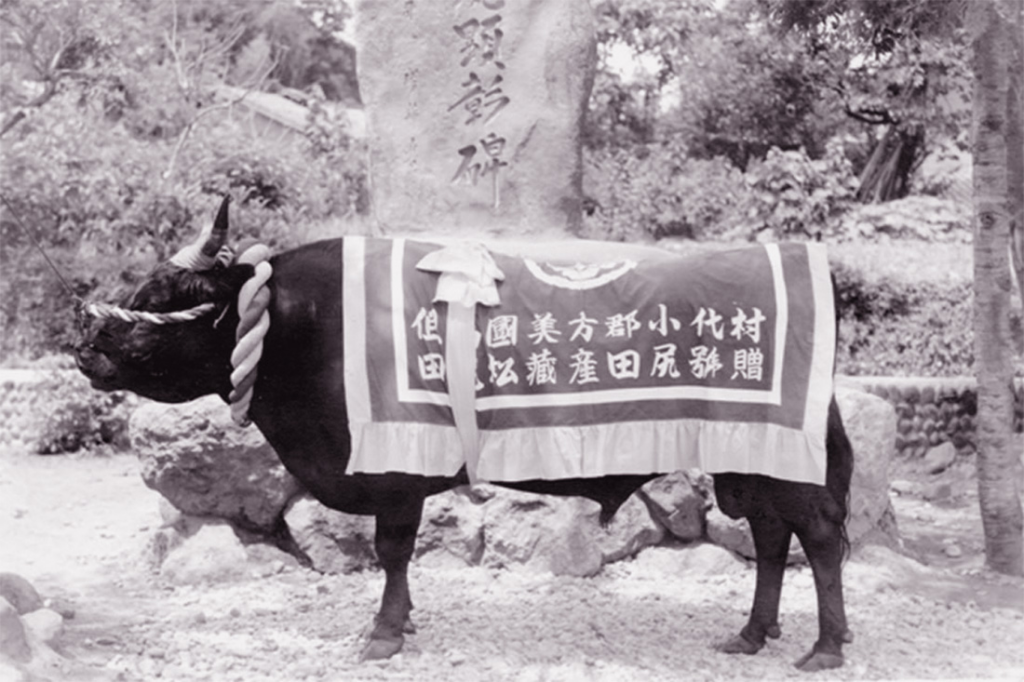
The journey of Wagyu beef from draft animal to global delicacy is a fascinating one, deeply rooted in Japanese history and culture. For centuries, cattle in Japan were primarily utilized for agricultural labor, with the consumption of meat being largely prohibited due to Buddhist influences. This changed dramatically with the Meiji Restoration in 1868, which opened Japan to Western influences and lifted the ban on meat consumption.
Following this period, various European breeds such as Devon, Shorthorn, and Simmental were introduced and crossbred with native Japanese cattle to enhance their size, strength, and meat quality. However, by the early 20th century, the Japanese government recognized the importance of preserving and developing distinct native strains. A policy of genetic isolation was implemented around 1910, effectively halting further crossbreeding with foreign cattle and leading to the stabilization of the four distinct Wagyu breeds we know today. This strategic decision was pivotal in safeguarding the unique genetic characteristics that define Wagyu.
1.3 What Makes Wagyu So Special
The allure of Wagyu lies in a combination of unique genetic traits and meticulous rearing practices, culminating in an unparalleled sensory experience. At its core, Wagyu cattle possess a genetic predisposition to store fat intramuscularly rather than subcutaneously (under the skin). This results in the hallmark feature of Wagyu: intense marbling.
- Exceptional Marbling (Sashi): Unlike conventional beef, Wagyu exhibits a delicate, intricate web of monounsaturated fat woven throughout the muscle fibers. This “sashi” is not just about fat content; it’s about the fine distribution and quality of the fat, which is responsible for the meat’s legendary tenderness and juiciness.
- Unique Fat Composition: The intramuscular fat in Wagyu is rich in monounsaturated fatty acids (MUFAs), particularly oleic acid. This gives Wagyu its distinctively low melting point – often melting at room temperature or even from the heat of your hand. This low melting point contributes to the meat’s buttery texture and exquisite, lingering flavor. Furthermore, MUFAs are considered healthier fats, adding to Wagyu’s appeal.
- Rich Umami Flavor: Beyond tenderness and juiciness, Wagyu is celebrated for its deep, savory flavor, often described as having significant umami. This is attributed to the presence of specific amino acids and nucleotides, such as inosinic acid and glutamic acid, which are enhanced by the unique fat composition.
- Melt-in-Your-Mouth Texture: The combination of fine marbling and the low melting point of the fat results in a texture that is incredibly tender, almost dissolving on the palate. This is a primary reason why Wagyu is often served in smaller portions, as its richness and intensity are profoundly satisfying.
These intrinsic qualities, developed over generations, ensure that authentic Japanese Wagyu offers a dining experience that is truly in a class of its own.
2.Unpacking Kobe Beef The Elite of Wagyu
2.1 The Strict Criteria for Authentic Kobe Beef
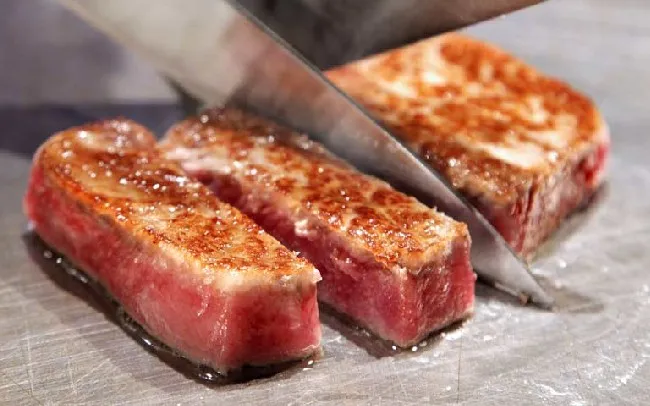
While all Kobe Beef is Wagyu, not all Wagyu is Kobe Beef. Kobe Beef represents the pinnacle of Japanese beef, a highly exclusive and rigorously regulated product that has achieved legendary status among gourmands worldwide. It is a specific type of Wagyu, distinguished by an extraordinarily strict set of criteria that dictate everything from the cattle’s lineage to its processing location and final meat quality.
To be officially designated as Kobe Beef, the cattle and its resulting meat must meet an exacting list of standards enforced by the Kobe Beef Marketing & Distribution Promotion Association. These regulations ensure its unparalleled quality and authenticity, making it one of the most exclusive food products globally. Only a tiny fraction of Wagyu cattle ultimately qualifies as Kobe Beef.
Here are the non-negotiable criteria:
| Criterion | Description |
|---|---|
| Cattle Breed | Must be a purebred Tajima-gyu (Tajima cattle), a specific strain of Japanese Black cattle. |
| Birthplace & Rearing | Born and raised exclusively within Hyogo Prefecture, Japan, where Kobe is the capital city. |
| Slaughter Location | Slaughtered at designated abattoirs within Hyogo Prefecture (e.g., Kobe, Himeji, Kakogawa, Sanda, etc.). |
| Carcass Weight | The gross weight of the beef carcass must be between 260 kg and 499.9 kg. |
| Meat Quality Score | Achieve a meat quality score of 4 or 5 according to the Japanese Meat Grading Association (JMGA) standards. |
| Beef Marbling Standard (BMS) | Possess a Beef Marbling Standard (BMS) score of 6 or higher, indicating superior marbling. |
| Fine Meat Texture | Must exhibit excellent firmness and texture, a hallmark of its quality. |
Failure to meet even one of these stringent requirements means the beef cannot be certified as authentic Kobe Beef, regardless of its quality or origin. This rigorous selection process is fundamental to maintaining its elite reputation and consistent excellence.
2.2 The Significance of Tajima Cattle
At the heart of Kobe Beef’s distinctiveness lies the Tajima-gyu cattle. These are not just any Japanese Black cattle; they are a unique, ancient lineage that has been selectively bred and isolated in the mountainous regions of Hyogo Prefecture for centuries. Their genetic purity and specific characteristics are crucial for producing the signature qualities of Kobe Beef.
- Genetic Purity: Tajima cattle possess a genetic predisposition for developing extraordinarily fine-grained intramuscular fat, known as “sashi.” This marbling melts at a lower temperature, contributing to the melt-in-your-mouth texture and rich flavor.
- Unique Rearing Environment: Raised in the mild climate and natural environment of Hyogo, Tajima cattle benefit from local feed and traditional farming methods passed down through generations.
- Tradition and Heritage: The lineage is carefully preserved, with meticulous records kept to ensure the authenticity and genetic integrity of each animal. This long history of selective breeding has refined their ability to produce superior beef.
It is the combination of these specific genetics, coupled with the precise rearing and processing conditions within Hyogo Prefecture, that elevates Tajima cattle to the exclusive status of being the only breed capable of yielding authentic Kobe Beef.
2.3 Why Kobe Beef Commands Such a High Price
The astronomical price tag associated with Kobe Beef is not merely a matter of hype; it is a direct reflection of its extreme rarity, the intensive labor involved in its production, and its unparalleled quality. Several factors contribute to its status as one of the world’s most expensive meats:
- Extreme Rarity and Limited Supply: As detailed, the strict criteria drastically limit the number of cattle that can qualify as Kobe Beef. Annually, only a few thousand cattle meet these standards, making it incredibly scarce.
- Labor-Intensive Rearing: The traditional methods of raising Tajima cattle are demanding. Farmers often employ specialized feeding regimens, providing high-quality grains, fresh water, and sometimes even beer or sake mash to stimulate appetite. The cattle are also given ample space and a stress-free environment, which is believed to contribute to the meat’s tenderness. This meticulous care requires significant time, resources, and expertise.
- Unrivaled Quality: The resulting beef is renowned for its exquisite marbling, buttery texture, and rich, umami-laden flavor that is distinct from other Wagyu. This consistent, superior quality commands a premium.
- Certification and Branding Costs: The rigorous certification process and the maintenance of the Kobe Beef brand’s integrity involve significant administrative and marketing costs, which are factored into the final price. The Kobe Beef Marketing & Distribution Promotion Association oversees this entire process, ensuring authenticity and protecting the brand’s value.
- Global Demand: Despite its high price, there is immense global demand for authentic Kobe Beef, particularly in luxury dining establishments and among discerning consumers, further driving up its market value.
These combined elements solidify Kobe Beef’s position as a luxury product, justifying its premium price point and ensuring its continued reputation as the “elite of Wagyu.”
3.Avoiding Misleading Labels on Wagyu Products
3.1 Common misleading labels and what they really mean
The popularity and premium price of Japanese Wagyu, especially Kobe Beef, have led to a proliferation of misleading labeling practices globally. Understanding these deceptive terms is crucial for making an informed purchase.
- “American Wagyu” or “Australian Wagyu”: These terms refer to beef from cattle that are crossbred with Japanese Wagyu genetics, typically with Angus or other local breeds. While often high-quality and flavorful, they are not purebred Japanese Wagyu and certainly not Kobe Beef. Their flavor profile and marbling can differ significantly from their Japanese counterparts.
- “Kobe-style Beef” or “Wagyu-style Beef”: These are marketing terms with no official definition or regulation. They often refer to beef from crossbred cattle or even conventional beef raised using similar feeding practices, but they do not meet the stringent criteria of authentic Japanese Wagyu or Kobe Beef. These labels are a red flag.
- Geographical Misnomers: Be wary of terms like “Idaho Wagyu” or “Texas Kobe.” While these regions may produce excellent local beef, they cannot produce genuine Japanese Wagyu or Kobe Beef due to geographical restrictions and breed purity requirements.
- Price Discrepancy: Authentic Kobe Beef and high-grade Japanese Wagyu are inherently expensive due to their rarity, meticulous rearing, and import costs. If a price seems too good to be true for “Kobe” or “A5 Wagyu,” it almost certainly is. Expect to pay a premium for the genuine article.
- Lack of Documentation: As mentioned, authentic Japanese Wagyu and especially Kobe Beef come with detailed traceability information and certificates. If a seller cannot provide this documentation, it’s a strong indication that the product is not authentic.
In summary, while all Kobe Beef is Wagyu, not all Wagyu is Kobe. Kobe Beef represents the pinnacle of a specific type of Japanese Wagyu, distinguished by its geographical origin, Tajima lineage, and rigorous certification process. By diligently checking for official seals, traceability numbers, and understanding the differences in labeling, consumers can confidently navigate the market and experience the unparalleled quality of real Japanese Wagyu and the legendary Kobe Beef. An informed choice ensures a truly exceptional culinary experience, honoring the tradition and meticulous care behind these world-renowned meats.
3.2 The Certified Kobe Beef Seal

Kobe Beef is not just any Wagyu; it is an elite designation reserved for Wagyu that meets incredibly strict criteria. To be considered authentic Kobe Beef, the cattle must be of the Tajima strain of Japanese Black cattle, born and raised in Hyogo Prefecture, Japan. Furthermore, they must meet specific weight, marbling, and quality standards established by the Kobe Beef Marketing & Distribution Promotion Association.
The definitive proof of authentic Kobe Beef is the official seal and certificate:
| Feature | Description |
|---|---|
| Official Seal | Look for the distinctive chrysanthemum-shaped logo of the Kobe Beef Marketing & Distribution Promotion Association. This seal features the word “KOBE BEEF” and is a protected trademark. |
| Certification Paper | Legitimate Kobe Beef will always come with a certificate of authenticity. This document details the animal’s individual identification number, farm of origin, date of slaughter, and confirmation that it meets all Kobe Beef standards. |
| Individual ID Number | Similar to general Japanese Wagyu, authentic Kobe Beef will have a 10-digit ID number. |
| Designated Retailers/Restaurants | The Kobe Beef Marketing & Distribution Promotion Association maintains a list of authorized retailers and restaurants worldwide. If you are unsure, check their official website for a list of certified establishments. |
Without these explicit markers, any claim of “Kobe Beef” should be treated with skepticism.
4.Conclusion
Wagyu and Kobe beef are often confused, but they are not the same.
All Kobe beef is Wagyu, but not all Wagyu is Kobe beef.
Wagyu refers to Japan’s four native cattle breeds, prized for their rich marbling, tenderness, and deep umami flavor. Kobe beef, by contrast, represents the highest tier of Wagyu—produced exclusively from Tajima cattle raised in Hyogo Prefecture and certified under exceptionally strict standards for marbling, quality, and weight.
Authentic Japanese Wagyu and Kobe beef are always accompanied by official certification, including individual identification numbers and recognized seals. While Wagyu offers a broad spectrum of premium beef, Kobe beef stands apart as its most refined and exclusive expression.
Experience the finest Wagyu and Kobe beef Japan has to offer.
If you’re planning a trip to Japan and looking for a destination where history, culture, and nature beautifully intertwine, Nara Park—known locally as Nara Koen—should be at the top of your list. The Nara Koen deer are among Japan’s most iconic and beloved attractions, captivating millions of visitors each year with their gentle presence and charming behavior. These free-roaming deer are more than just animals in a park—they are living symbols of Japan’s ancient traditions, spirituality, and deep respect for nature. This guide will help you appreciate their cultural significance, teach you how to interact with them safely and respectfully, and introduce nearby attractions that make Nara Park a truly unforgettable destination.
The History and Sacred Status of the Nara Koen Deer
The Nara Koen deer have been revered for more than 1,200 years. According to Shinto legend, a deity from Kashima Shrine arrived in Nara riding a white deer to protect the former capital. From that moment on, the deer were regarded as sacred messengers of the gods.
For centuries, harming a deer in Nara was strictly forbidden and once considered a grave offense. Though they are no longer classified as divine beings today, they remain protected and deeply respected. The deer of Nara Park are officially designated as a National Natural Monument of Japan, ensuring legal protection and preservation. Their continued presence represents the harmonious coexistence between humans, nature, and spirituality—something uniquely preserved in Nara.
How to Properly Feed the Nara Koen Deer
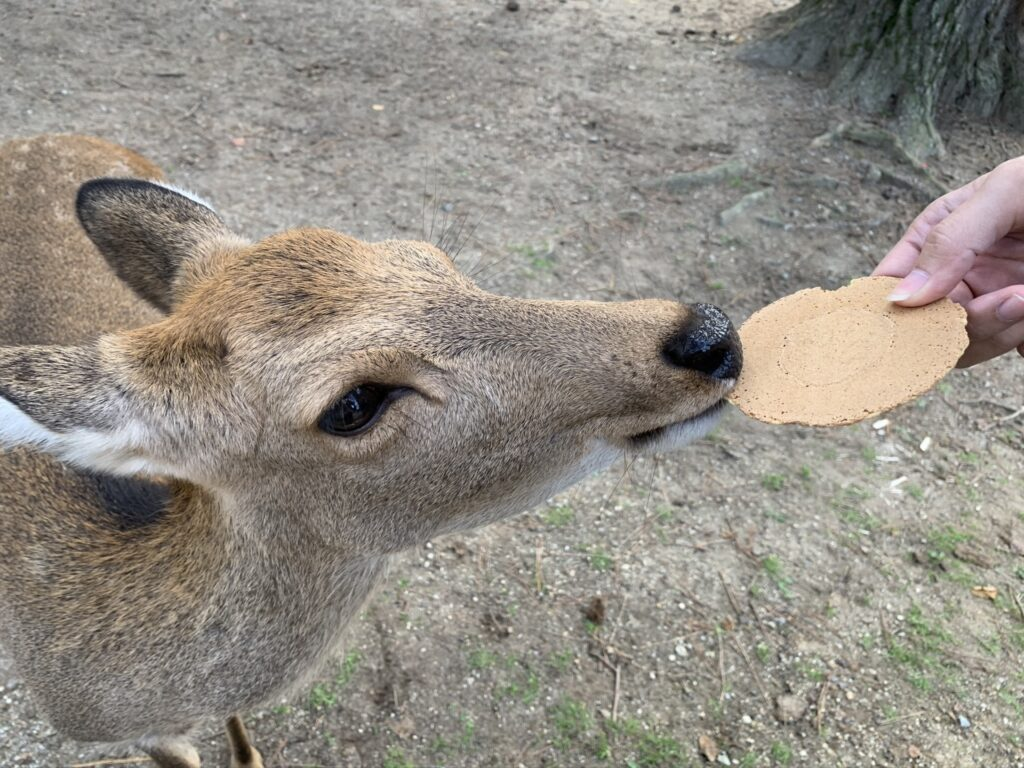
Feeding the Nara Koen deer is one of the highlights of visiting the park, but it must be done responsibly to ensure the animals’ health and safety.
- Only feed Shika Senbei, the official deer crackers sold in the park.
- Break the crackers into smaller pieces to avoid overwhelming the deer.
- Hold crackers low and steady, keeping calm movements.
- After feeding, show your empty hands to signal you have no more food.
- Avoid teasing the deer or pulling crackers away, as this can lead to aggressive behavior.
These special crackers are made from ingredients safe for deer, unlike human food, which can seriously harm them. Feeding the deer correctly not only keeps them healthy but also allows you to enjoy a meaningful and respectful interaction.
Safety Tips for Interacting with Nara Koen Deer
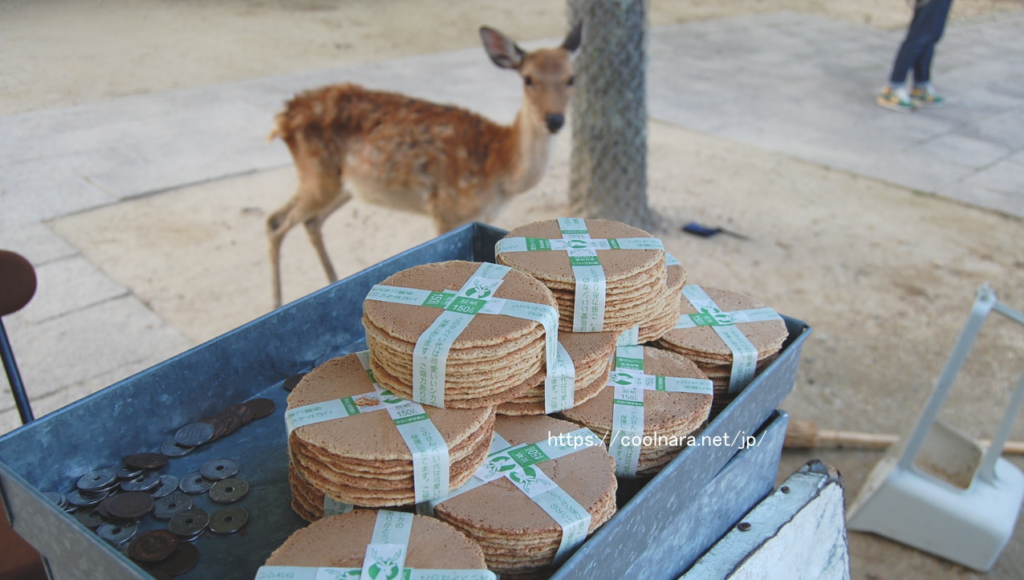
While the Nara Koen deer are generally friendly, they are still wild animals. Knowing how to behave around them ensures both your safety and theirs.
- Maintain a safe distance, especially from male deer with antlers or mother deer with fawns.
- Keep bags, maps, and paper items secure—deer often mistake them for food.
- Stay aware of your surroundings; deer may approach from any direction.
- If a deer becomes persistent, calmly step away and avoid running.
- Supervise children closely and explain that deer should be treated gently.
Understanding their body language is also important. Stomping hooves, flicking tails, or lowered heads can signal agitation. When you recognize these signs, simply move away calmly and respectfully.
What NOT to Do Around the Deer
To protect the Nara Koen deer and maintain a safe environment, certain actions are strictly discouraged:
- Do not feed them human food, plastic, or garbage.
- Do not tease, provoke, or corner them.
- Do not attempt to pull their antlers or grab them.
- Do not chase or ride them.
- Do not litter, as deer may accidentally ingest dangerous materials.
- Do not approach or touch unattended fawns.
Following these rules helps maintain the delicate balance that allows humans and deer to coexist in such a unique and culturally meaningful space.
Beyond the Deer: Must-See Attractions Around Nara Koen
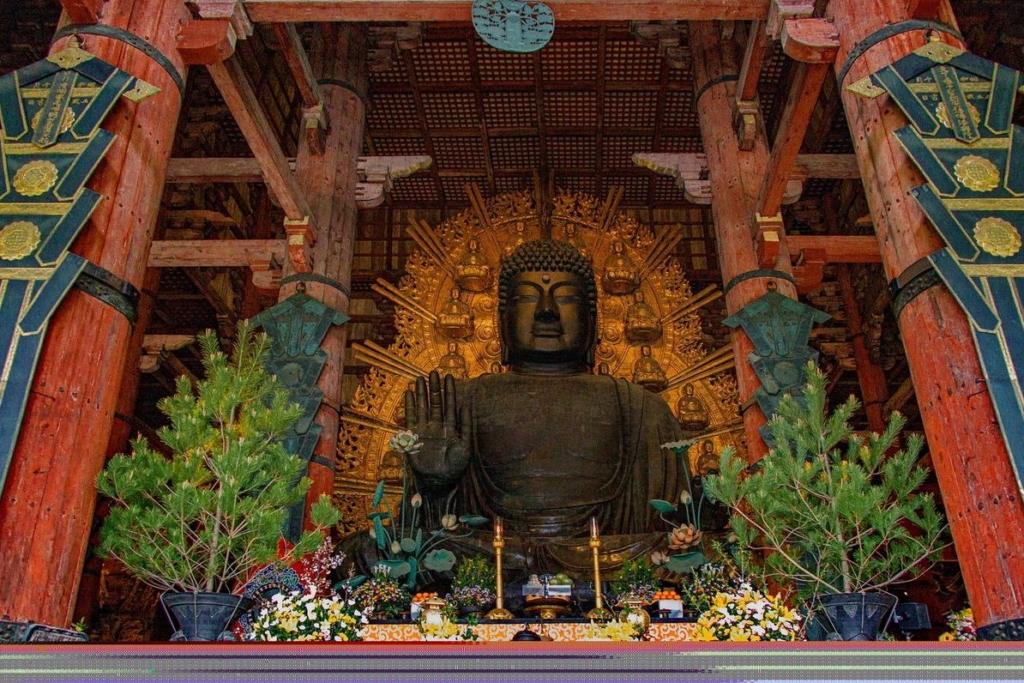
While the Nara Koen deer are the star attraction, Nara Park is also home to some of Japan’s most historically significant landmarks:
- Todai-ji Temple – A UNESCO World Heritage Site, home to the massive Great Buddha statue and one of the world’s largest wooden structures.
- Kasuga Taisha Shrine – Famous for its thousands of stone and bronze lanterns and deep spiritual heritage.
- Kofuku-ji Temple – Known for its elegant five-story pagoda and impressive Buddhist art collection.
Exploring these sites alongside the deer enhances your experience, offering a deeper connection to Japan’s ancient capital and its rich heritage.
Conclusion
The Nara Koen deer are more than simply a tourist attraction—they are guardians of tradition, symbols of devotion, and ambassadors of Japan’s cultural soul. Meeting these gentle animals, learning their history, feeding them respectfully, and exploring the historic treasures surrounding them creates a travel experience unlike any other in Japan.
By interacting responsibly and appreciating their sacred past, you help preserve the harmony between humans and deer for future generations. Whether you’re visiting for photography, cultural exploration, or simply the magic of walking alongside freely roaming deer, Nara Park promises an unforgettable journey into Japan’s spirit of respect, beauty, and timeless wonder.
Nestled among the towering peaks of the Southern Japanese Alps, Kofu, Yamanashi Prefecture, Japan offers the perfect blend of natural beauty, cultural depth, and accessibility. Despite its breathtaking landscapes and historical significance, Kofu remains far less crowded than major tourist hubs—yet it is conveniently located just 1.5–2 hours from Tokyo by train. This makes it an ideal destination for travelers seeking authentic Japanese experiences without the overwhelming crowds.
Why Visit Kofu in Yamanashi Prefecture Japan
Kofu attracts visitors for three core reasons: its powerful samurai history, stunning natural scenery, and world-class food and wine culture. From legendary figures like Takeda Shingen to dramatic mountain views and award-winning vineyards, this region offers a remarkably diverse travel experience. Whether you’re a history enthusiast, outdoor adventurer, or culinary traveler, Kofu, Yamanashi Prefecture, Japan delivers something memorable for everyone.
1.History — The Samurai Legacy of Kofu
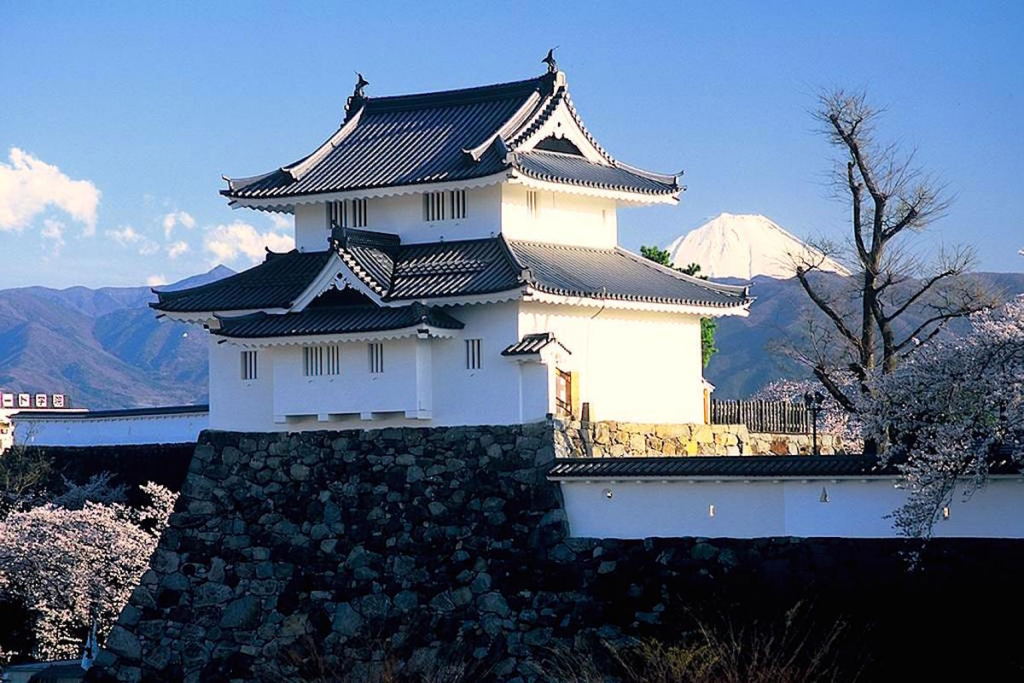
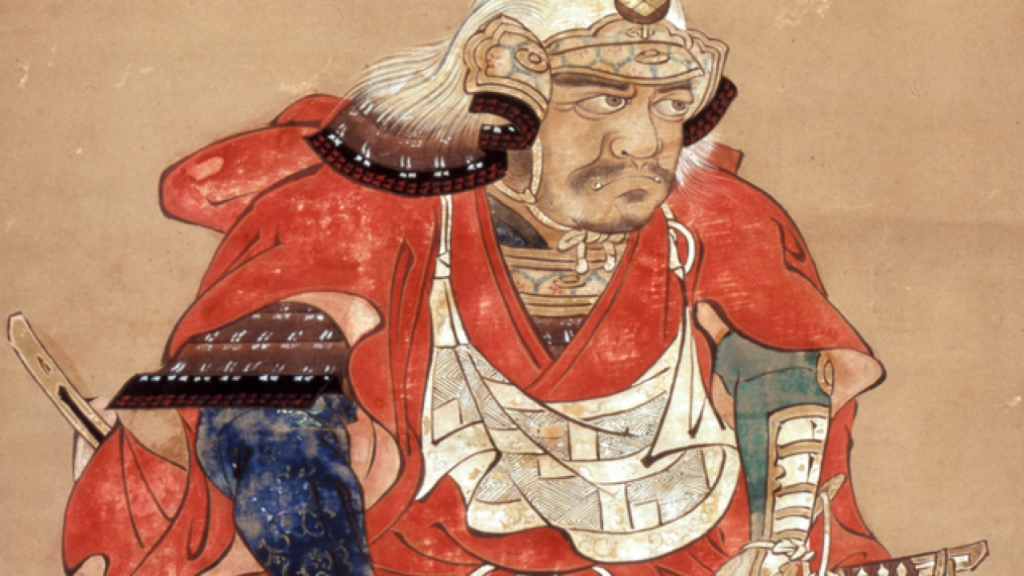
Kofu is deeply tied to the legacy of Takeda Shingen, one of Japan’s most celebrated samurai warlords. His leadership transformed the region into a powerful political and military center during the Sengoku period. Today, visitors can explore Takeda Shrine, built on the site of his former residence, and learn about his strategies, governance, and cultural influence.
Another highlight is Kofu Castle (Maizuru Castle Park), a key stronghold built in the late 16th century. Visitors can walk through impressive stone walls, reconstructed gates, and elevated viewpoints that overlook the city and distant mountain ranges. In spring, the park becomes one of the best cherry blossom viewing spots in Yamanashi Prefecture, Japan.
2.Nature — Mountains, Gorges, and Fuji Views
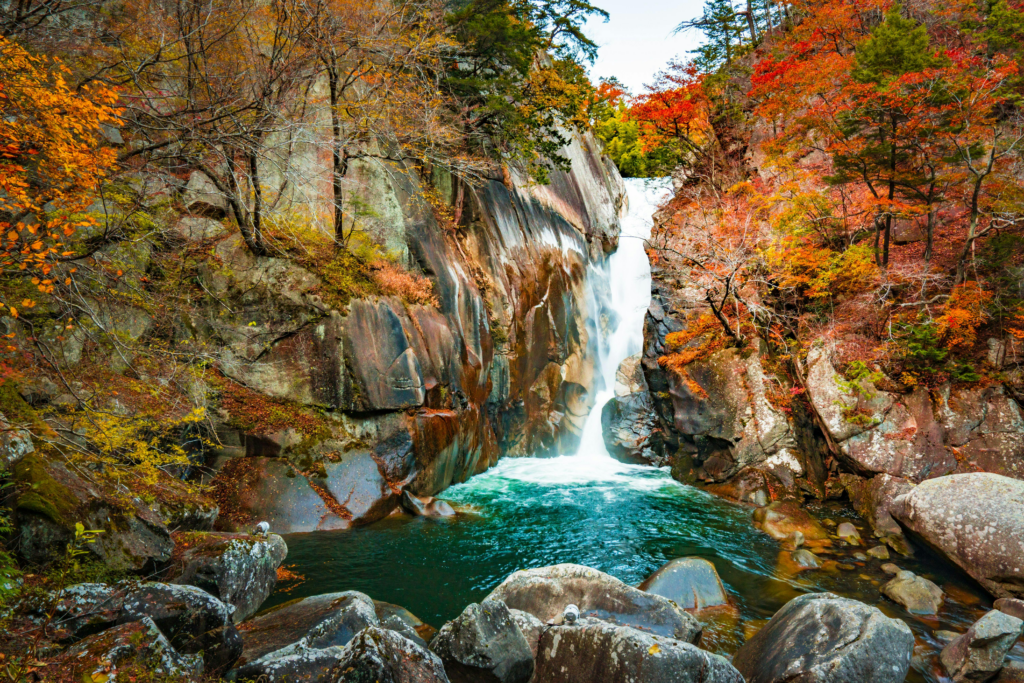
Nature is one of the defining characteristics of Kofu, Yamanashi Prefecture, Japan. Just outside the city lies Shosenkyo Gorge, often praised as one of Japan’s most beautiful gorges. With dramatic granite cliffs, crystal-clear rivers, and spectacular autumn foliage, it is a must-visit for hikers and photographers.
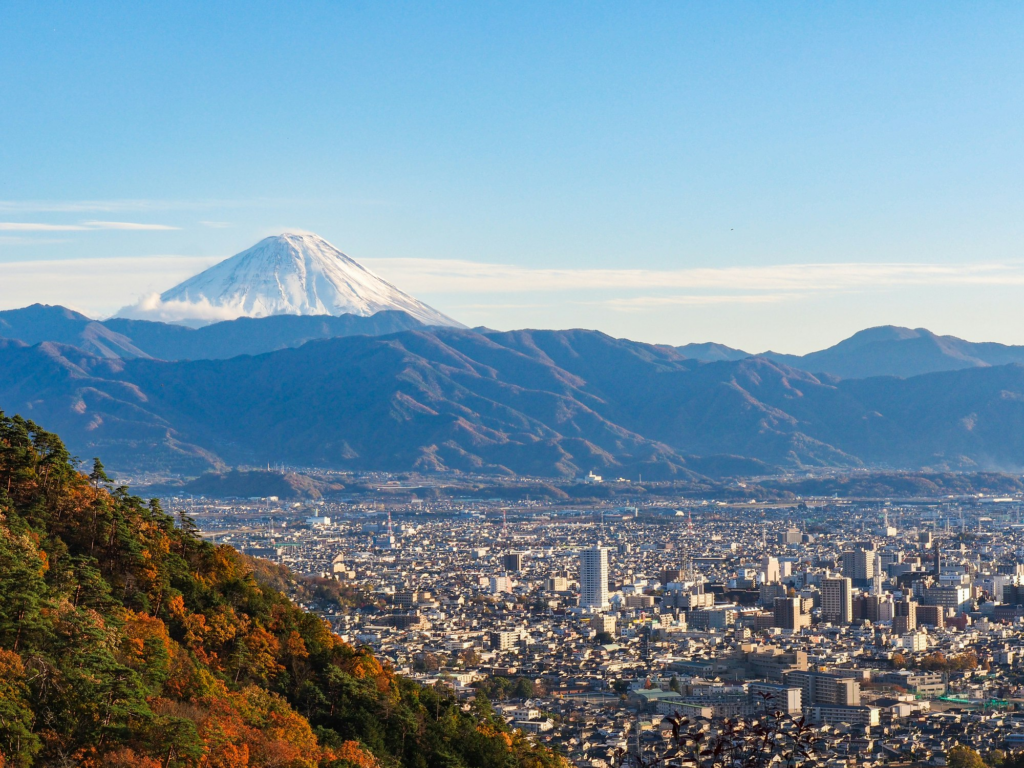
Kofu also offers beautiful vantage points to admire Mount Fuji, especially on clear days. Seasonal landscapes—from spring blossoms to golden autumn mountains—make every visit visually stunning. Whether you prefer leisurely walks, scenic drives, or mountain adventures, Kofu brings you closer to Japan’s iconic natural beauty.
3.Food and Wine — A Taste of Yamanashi
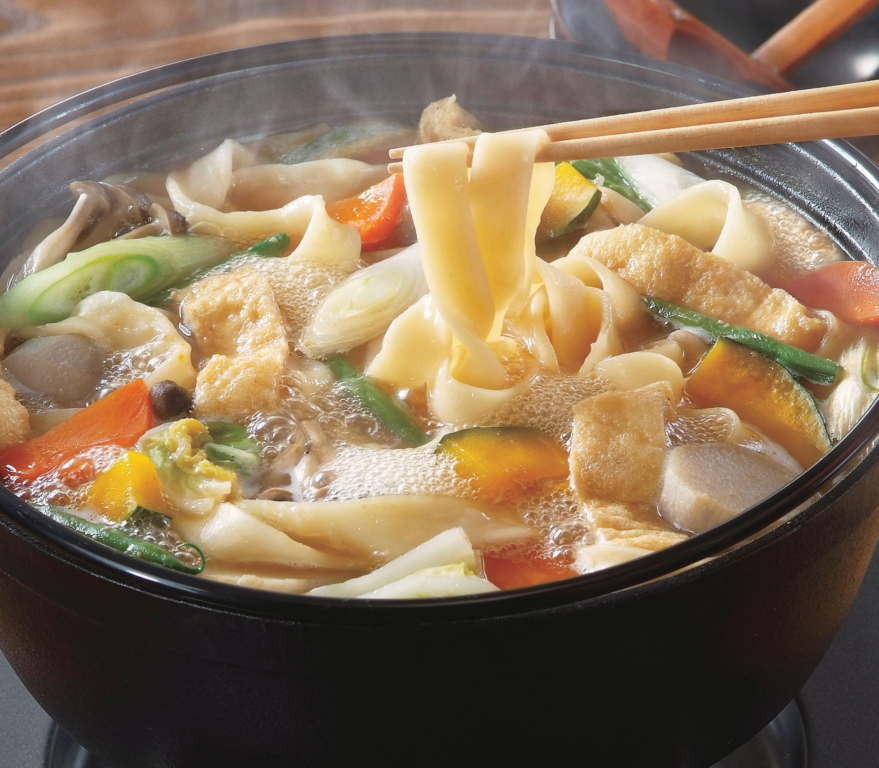
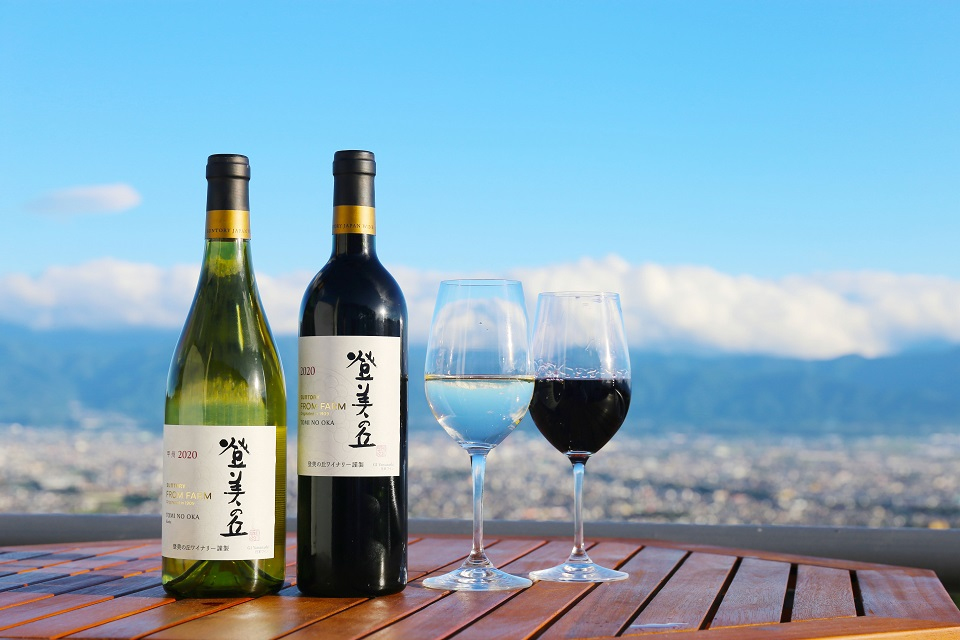
No visit to Kofu, Yamanashi Prefecture, Japan is complete without indulging in its regional flavors. The city is famous for Hoto noodles, a hearty dish of thick flat noodles simmered in miso broth with seasonal vegetables—perfect comfort food after a day of sightseeing.
Yamanashi is also Japan’s premier wine region, often compared to Napa Valley. Local wineries produce exceptional Koshu white wine and rich red varieties, offering wine tasting, vineyard tours, and gourmet dining experiences. In addition, the region is celebrated for its peaches and grapes, with fruit-picking experiences available during the harvest seasons.
Best Time to Visit Kofu, Japan
Kofu offers something unique in every season:
- Spring (March–May): Cherry blossoms at Maizuru Castle Park and mild weather
- Summer (June–August): Lush mountain scenery, peach and grape season
- Autumn (September–November): Spectacular foliage, especially in Shosenkyo Gorge, plus wine season
- Winter (December–February): Crisp skies with incredible Mount Fuji visibility and relaxing hot springs
There is truly no wrong time to visit Kofu, Yamanashi Prefecture, Japan.
Conclusion
Kofu stands as one of the most rewarding destinations in Yamanashi Prefecture, Japan, combining history, nature, and culinary excellence in one remarkable location. From the echoes of samurai history and the breathtaking views of Shosenkyo Gorge to flavorful Hoto noodles and world-class wine, Kofu delivers an unforgettable travel experience.
If you’re planning a trip beyond Tokyo and searching for authenticity, scenic beauty, and cultural richness, Kofu, Yamanashi Prefecture, Japan deserves a top place on your travel list.
When visiting a Japanese shrine or temple, many people are drawn to one of Japan’s most fascinating spiritual traditions: omikuji fortunes. These small slips of paper offer guidance, inspiration, and reflection, providing insight into health, love, work, travel, and future luck. Far more than simple fortune-telling, omikuji connect visitors to centuries of Japanese spirituality, ritual, and cultural wisdom.
What Are Omikuji and Their Purpose?
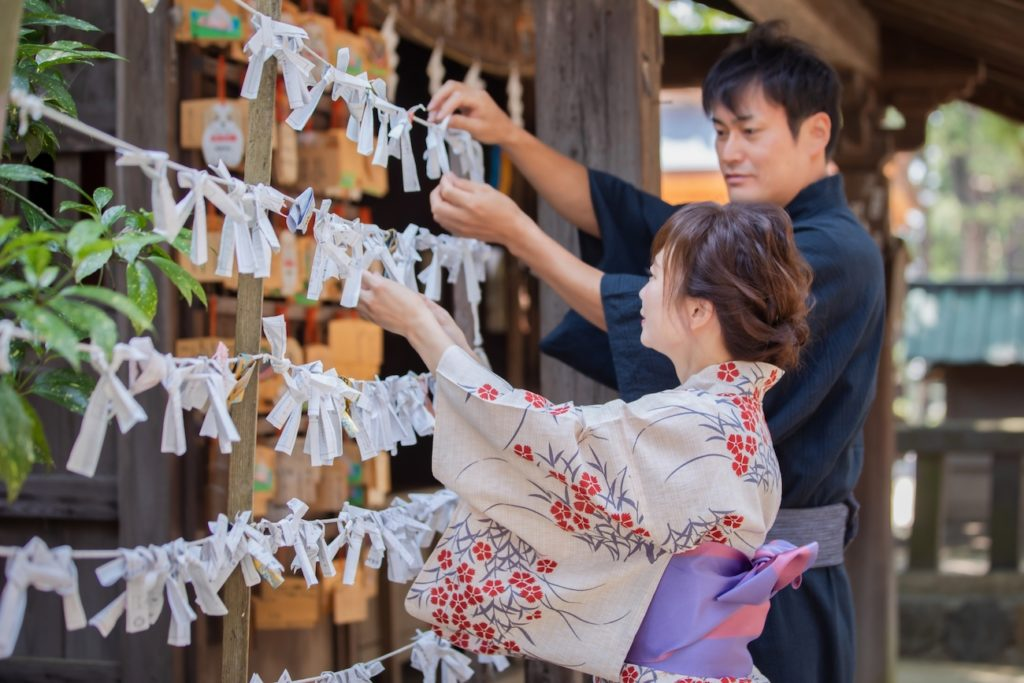
Omikuji are sacred fortune slips found at Shinto shrines and Buddhist temples across Japan. Visitors draw them to receive divine guidance from the kami (deities) or buddhas. Rather than predicting fate absolutely, omikuji fortunes encourage reflection, personal awareness, and mindfulness about life’s direction.
People often draw omikuji during:
- Hatsumode (New Year shrine visits)
- Before important life decisions
- During travel or spiritual reflection
- Times of uncertainty or renewal
Each fortune includes:
- An overall luck ranking (such as Daikichi or Kyo)
- A poetic message
- Specific guidance on areas like love, work, health, or wishes
The deeper purpose of omikuji is not to control destiny, but to help people reflect, reset, and move forward consciously.
A Brief History of Omikuji Fortunes
The origins of omikuji fortunes trace back to ancient divination practices in Japan, where natural signs were interpreted as messages from the gods. Over time, Buddhist and Chinese influences shaped more structured fortune systems.
A key development came in the Heian period (794–1185), when written fortunes became more common. The Tendai monk Ryōgen created one of the earliest known structured systems, leading to what we recognize today.
During the Edo period (1603–1868), omikuji became widely accessible to the public. Paper slips with standardized luck rankings and detailed guidance began appearing in temples and shrines nationwide. Since then, omikuji has become a beloved and enduring aspect of Japanese spiritual culture.
Types of Omikuji: How They Are Drawn
There are several traditional and modern ways to draw omikuji fortunes. The core idea is always the same: to randomly receive a message of guidance.
1. Kuji-Bō (Fortune Stick Method)
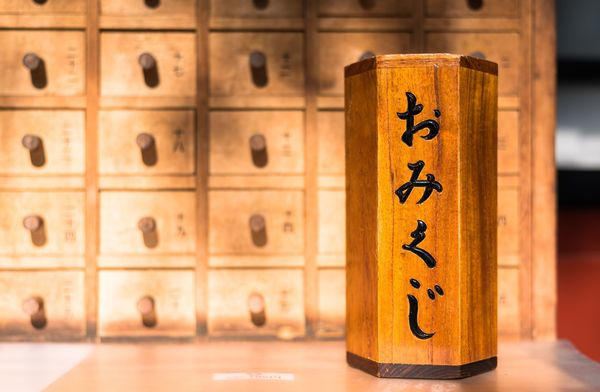
This is the most traditional method.
- Shake a wooden box filled with numbered sticks
- Draw one stick
- Match the number to a drawer or receive a corresponding slip from a shrine attendant
2. Direct Selection from a Box
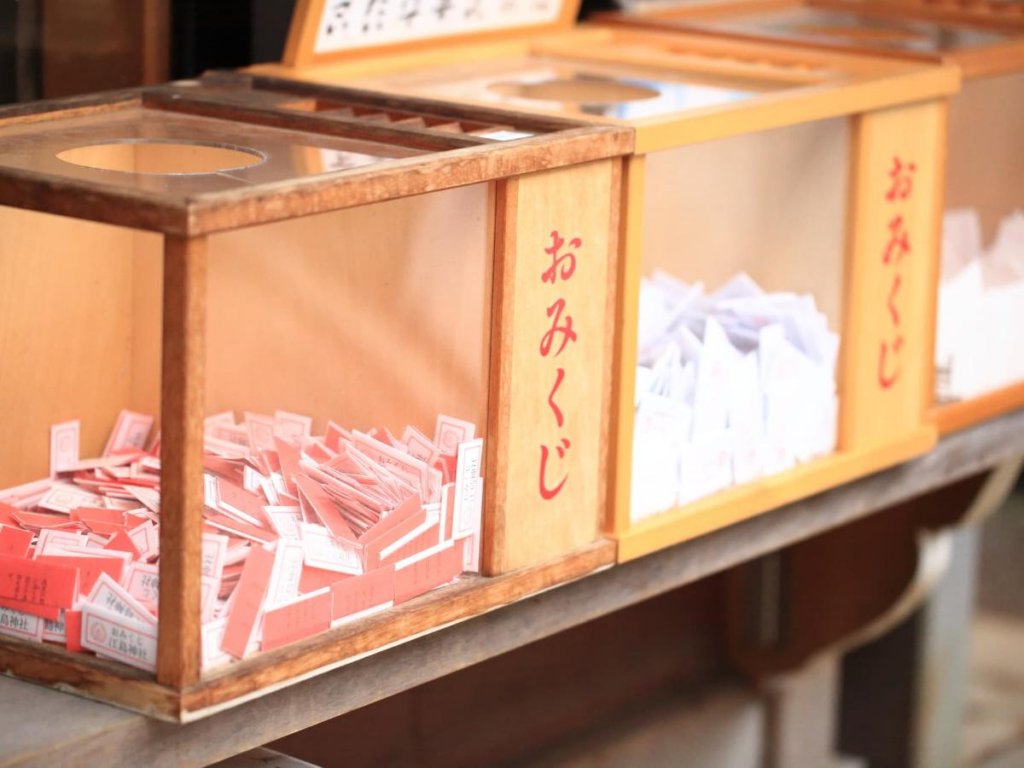
Pre-folded omikuji slips are placed in a container.
- Make your offering
- Randomly select a slip
- Open and read your fortune
The Spectrum of Luck: From Daikichi to Daikyo
Omikuji fortunes are ranked in levels of luck. While phrasing may vary, the commonly recognized order is:
- 大吉 (Daikichi) – Great Blessing / Excellent Luck
- 中吉 (Chūkichi) – Middle Blessing / Very Good Luck
- 小吉 (Shōkichi) – Small Blessing / Good Luck
- 吉 (Kichi) – Blessing / General Good Luck
- 半吉 (Hankichi) – Half Blessing / Mixed but Mostly Positive
- 末吉 (Suekichi) – Future Blessing / Luck Will Improve Later
- 凶 (Kyō) – Bad Luck
- 大凶 (Daikyō) – Great Misfortune
Even great luck does not guarantee automatic success—it often comes with messages encouraging humility and effort.
Likewise, bad luck is not doom. It is seen as guidance and an opportunity to improve choices, behavior, and mindset.
What to Do After Drawing Omikuji Fortunes
What happens after you receive your fortune is an important part of the experience.
1.Keeping Your Fortune
If you receive good luck such as Daikichi or Kichi, you may:
- Keep it in your wallet
- Place it in your bag or diary
This symbolizes carrying positive guidance into daily life.
2.Tying Your Fortune
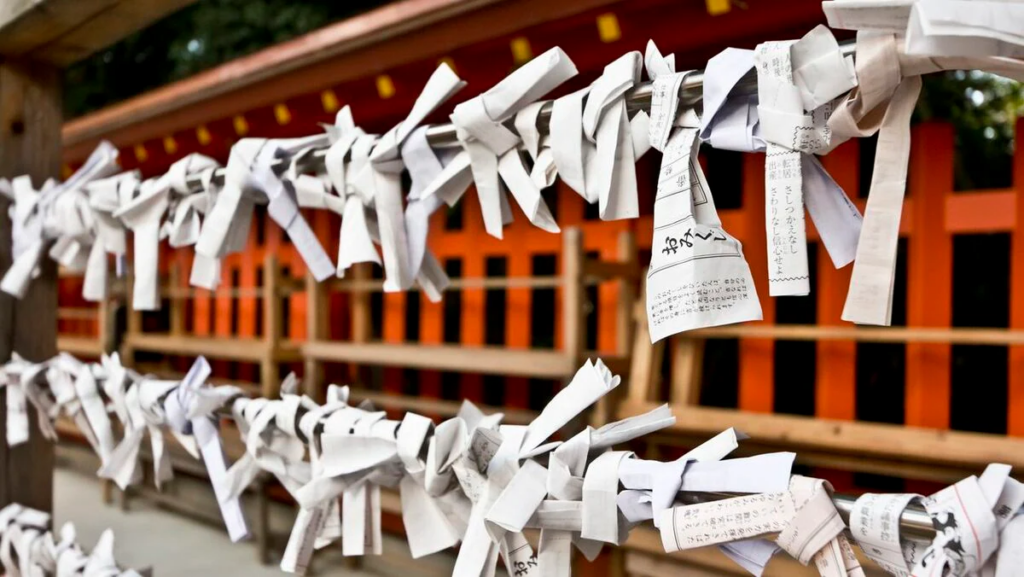
Shrines provide special racks or ropes where omikuji may be tied.
- Good fortune tied: asking the kami to help it come true
- Bad fortune tied: symbolically leaving misfortune behind and allowing it to be purified
Avoid tying omikuji to trees or unauthorized locations to protect the environment and respect shrine etiquette.
The Cultural Significance of Omikuji Fortunes
Beyond prediction, omikuji fortunes hold deep cultural meaning in Japan.
1.Spiritual Connection
They strengthen the connection between humans and divine spirits, providing comfort, reassurance, or challenge.
2.Tradition
Especially during New Year and important life transitions, omikuji reinforce shared cultural identity and continuity.
3.Personal Reflection
They encourage people to rethink their lives, relationships, goals, and attitudes.
4.Emotional Impact
Even difficult fortunes are framed as warnings that inspire resilience, patience, and growth.
5.Community Experience
Drawing omikuji is a shared ritual—families, friends, and travelers experience it together, creating meaningful memories.
Conclusion
Omikuji fortunes are much more than random slips of paper. They represent centuries of Japanese spirituality, culture, and wisdom. Whether you receive great blessing or a warning, each omikuji is an invitation to pause, reflect, and realign your path.
By embracing omikuji with respect and openness, visitors connect not only with Japanese tradition but also with themselves—making omikuji an unforgettable and meaningful part of any shrine or temple visit in Japan.