Mizuhiki: Discover the Elegant Art of Japanese Knot Tying
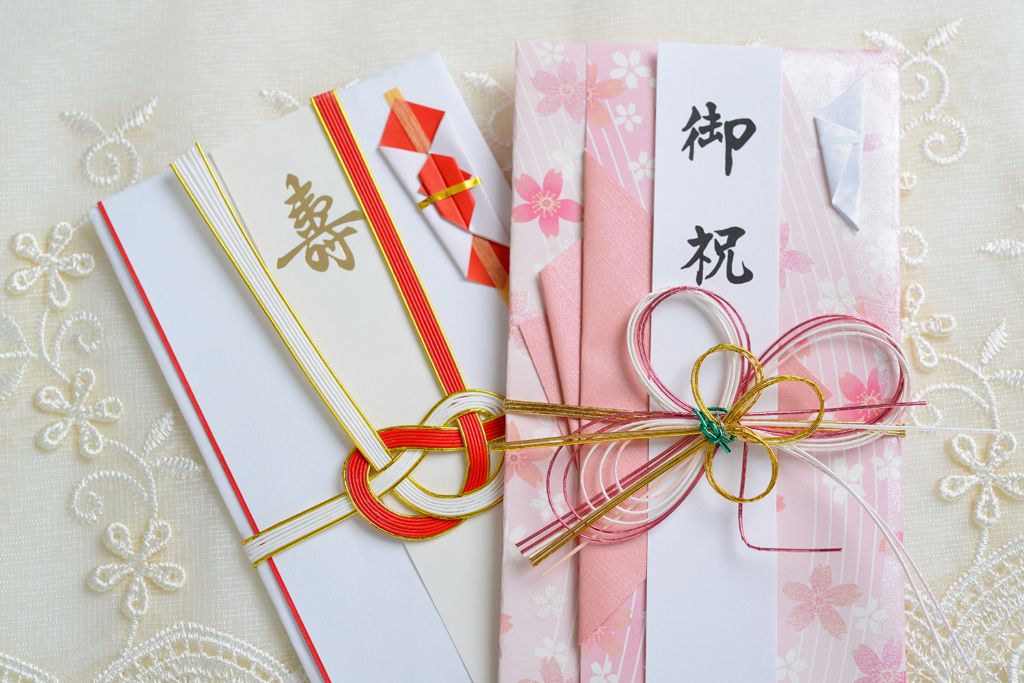
Mizuhiki is a traditional Japanese decorative art that uses intricately tied paper cords to convey meaning. In Japan, mizuhiki has long been used in important moments of life—such as on celebratory money envelopes, condolence envelopes, gift wrapping, and ceremonial decorations. The way the cords are tied and the colors chosen are never random; each combination communicates sentiments such as celebration, gratitude, respect, or mourning without the use of words.
At first glance, mizuhiki may appear to be simply a beautiful embellishment for gifts. However, behind its delicate appearance lies a deep cultural system that has been carefully preserved for centuries. Mizuhiki is not merely decoration—it is a symbolic expression of Japanese etiquette, values, and interpersonal consideration.
In recent years, mizuhiki has attracted renewed attention beyond traditional ceremonies, finding new expression in modern fields such as jewelry, fashion, and interior design. This article explores the history of mizuhiki, its materials, the meanings behind its knots, and how this timeless art continues to evolve today.
1.The History of Mizuhiki
The origins of mizuhiki date back more than 1,000 years to Japan’s Asuka period. According to historical records, mizuhiki was introduced in 607 AD when a Japanese envoy returned from China with gifts tied using red and white cords. These cords were used to distinguish official offerings from personal belongings, marking them as objects of respect.
Over time, this practical function evolved into a refined cultural practice. During the Heian period (794–1185), mizuhiki became closely associated with the imperial court and aristocracy, used in formal gift-giving and ceremonial occasions. The samurai class later adopted mizuhiki as well, incorporating decorative knots into armor and weapons as symbols of honor and discipline.
By the Edo period (1603–1868), mizuhiki had become firmly established in everyday Japanese culture. Distinct knot styles and color combinations were standardized, forming a sophisticated system of non-verbal communication. Even today, mizuhiki remains an essential element of Japanese etiquette, especially in celebrations and rituals.
2.Materials Used in Mizuhiki

One of the defining characteristics of mizuhiki is its unique material. Traditional mizuhiki cords are made from washi, a strong and flexible Japanese paper. The paper is tightly twisted into thin strands and then coated with starch-based glue to give it firmness and durability.
Once dried, the cords may be left in natural tones or dyed in vibrant colors. In modern mizuhiki, cords are often wrapped with silk, rayon, or even metallic threads, giving them a refined sheen while maintaining their structural integrity.
Despite its delicate appearance, mizuhiki is surprisingly strong. This balance of strength and elegance allows artisans to create intricate, three-dimensional knots that retain their shape over time. The simplicity of the materials—paper, glue, and color—reflects a core Japanese aesthetic: finding beauty and meaning in modest, natural elements.
3.The Meaning Behind Mizuhiki Knots

In mizuhiki, knots are never chosen at random. Each knot carries a specific meaning, making mizuhiki a symbolic language rather than mere decoration.
One of the most common knots is the Awaji musubi, a symmetrical knot that is difficult to untie. It symbolizes long-lasting relationships, strong bonds, and continuity, making it ideal for weddings, births, and housewarmings.
Another important knot is Musubi-kiri, a tight knot that cannot be untied without cutting. This knot represents finality and is used for events that should not be repeated, such as funerals or recovery from serious illness.
In contrast, the Cho musubi (butterfly knot) can be easily untied and retied. It expresses the wish for happiness or celebration to happen again and is commonly used for birthdays, school milestones, and gifts for children.
Through these knots, mizuhiki communicates intentions such as hope, respect, gratitude, and remembrance—without a single word being spoken.
4.Modern Uses of Mizuhiki
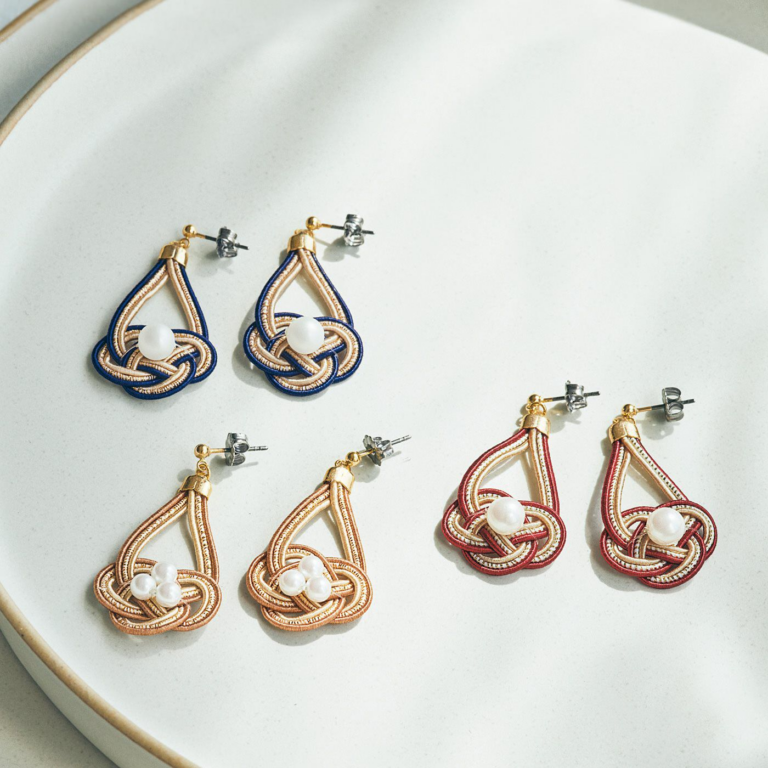
While deeply rooted in tradition, mizuhiki has found new life in contemporary culture. Today, it is widely appreciated as a modern craft that bridges heritage and design.
One of the most popular modern applications of mizuhiki is jewelry, including earrings, necklaces, and brooches. Its lightweight nature and sculptural quality make it ideal for wearable art. Designers often combine traditional knot forms with bold colors or metallic finishes to create pieces that feel both Japanese and modern.
Mizuhiki is also used in fashion accessories, such as bag charms, hair ornaments, and kimono embellishments. In interior design, large-scale mizuhiki installations appear as wall art, lighting elements, or decorative sculptures.
Additionally, mizuhiki has become accessible as a DIY craft. Kits, workshops, and online tutorials allow beginners around the world to learn basic knots and create their own designs. This hands-on engagement has contributed to mizuhiki’s global revival as a mindful, creative hobby.
Conclusion
Mizuhiki is far more than decorative paper cord—it is a living art form that embodies Japanese values of connection, intention, and respect. From its ancient ceremonial origins to its modern expressions in jewelry and design, mizuhiki continues to evolve while preserving its symbolic depth.
Each knot and color tells a story, transforming simple materials into meaningful expressions of human relationships. Whether encountered on a celebratory envelope, admired as contemporary art, or crafted by hand, mizuhiki offers a unique window into Japanese culture.
As interest in traditional crafts and mindful creativity grows worldwide, mizuhiki stands as a timeless example of how tradition and innovation can coexist beautifully—quietly tying the past, present, and future together.
When exploring traditional Japanese clothing, one question often arises: kimono vs yukata — what’s the difference?
At first glance, these garments may look similar, but they serve very different purposes in Japanese culture. From formality and fabric to layering and price, understanding the distinctions between a kimono and a yukata helps you choose the right attire for the right occasion.
In this guide, we’ll clearly explain what a kimono is, what a yukata is, and how they differ — so you can confidently appreciate and identify each garment.
1.What Is a Kimono?
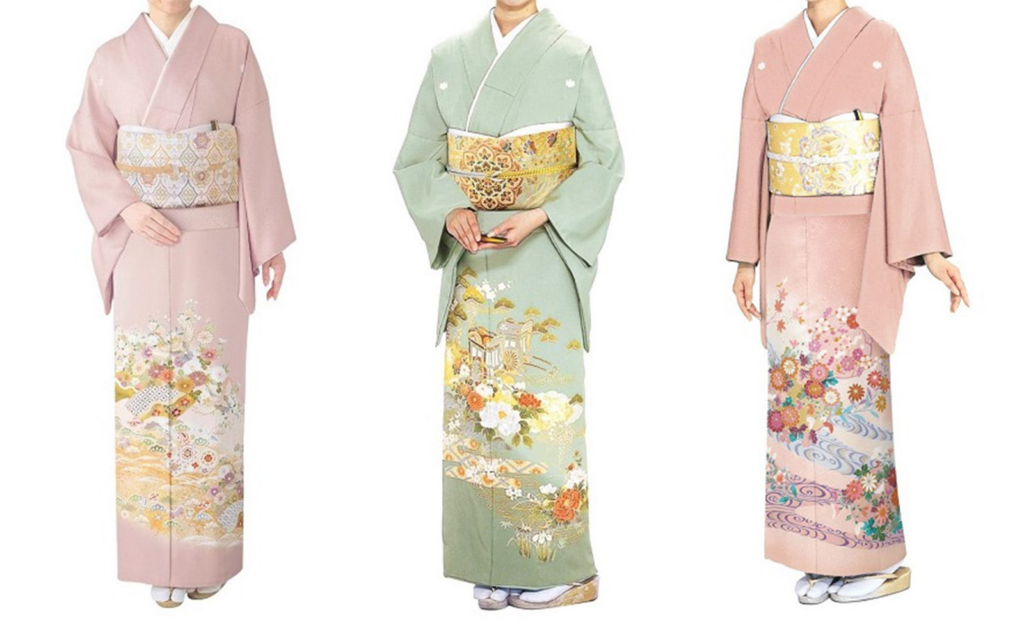
A kimono is Japan’s most iconic traditional garment and represents formality, tradition, and craftsmanship. The word “kimono” literally means “thing to wear,” but today it refers specifically to the long, T-shaped robe with wide sleeves that has been worn for centuries.
Historically, kimono were everyday clothing in Japan. However, after Western fashion became common in the modern era, kimono evolved into formal attire worn for special occasions such as weddings, ceremonies, graduations, and cultural events.
Kimonos are known for their elegant silhouette, structured appearance, and refined details. They are designed to convey dignity, beauty, and respect for tradition, making them a powerful symbol of Japanese culture.
2.What Is a Yukata?
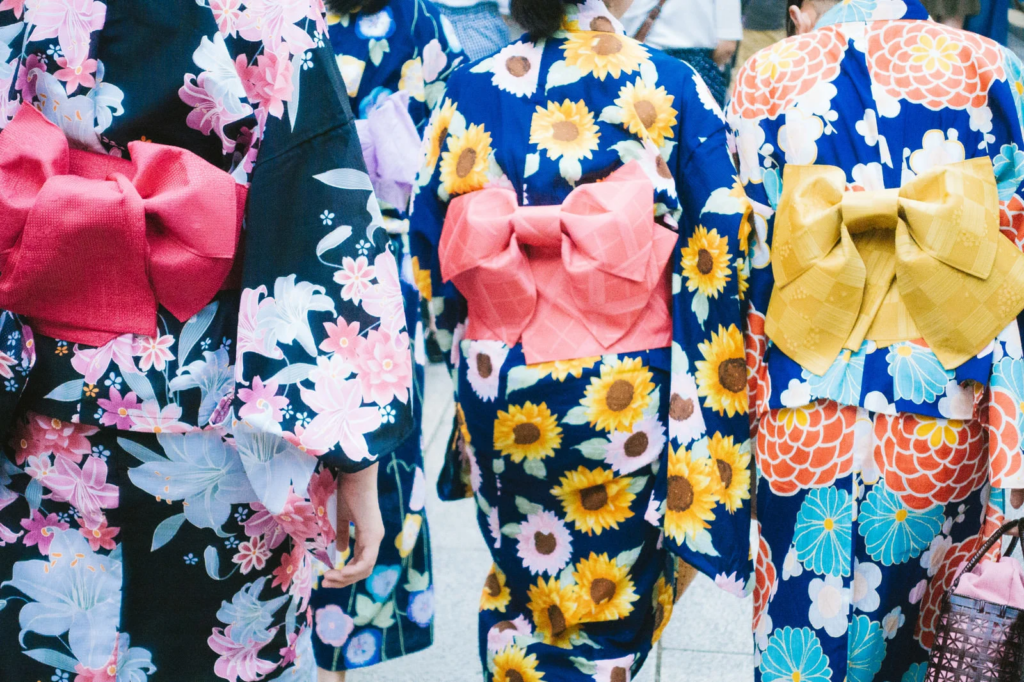
A yukata is a more casual form of traditional Japanese clothing. Originally worn after bathing at hot springs or bathhouses, the yukata developed as a lightweight, comfortable garment for relaxation.
Today, yukata are most commonly worn in summer. You’ll often see them at festivals, fireworks displays, hot spring towns, and traditional inns. Compared to kimono, yukata are simpler, easier to wear, and designed for comfort rather than formality.
The yukata represents a relaxed, approachable side of Japanese tradition — allowing both locals and visitors to enjoy Japanese style in everyday, informal settings.
3.Kimono vs Yukata: Key Differences Explained
Understanding kimono vs yukata becomes easier when comparing them across a few essential categories.
1.Fabric and Material
One of the clearest differences lies in the fabric.
Kimono are traditionally made from silk, wool, or linen, and modern versions may use high-quality synthetic fabrics. These materials provide structure, elegance, and durability, reflecting the garment’s formal nature.
Yukata are usually made from lightweight cotton or breathable blends. The focus is on airflow and comfort, making them ideal for hot, humid summers.
2.Layering and Structure
The reason kimono involve more layering is deeply tied to aesthetic design and practicality, not just tradition.
Kimono are layered to create a smooth, refined silhouette. The structure prevents the outer garment from clinging directly to the body, protects delicate fabrics from sweat and skin oils, and allows the shape of the garment to remain elegant and controlled. Layering also helps regulate temperature across seasons.
Yukata, by contrast, are designed for simplicity and ease. With minimal layering, they prioritize freedom of movement and cooling comfort, which is why they are ideal for summer wear.
3.Occasion and Formality
Formality is the most important factor in choosing between kimono and yukata.
Kimono are worn for formal and traditional occasions such as weddings, tea ceremonies, coming-of-age celebrations, and official cultural events.
Yukata are casual garments, suitable for summer festivals, fireworks, hot spring stays, or relaxed outings.
4.Price and Accessibility
The cost difference also reflects their roles.
Kimono can be expensive due to fine materials, craftsmanship, and time-intensive production. Many are treated as long-term investments or family heirlooms.
Yukata are far more affordable and widely available, making them accessible to beginners, tourists, and casual wearers.
Conclusion
When comparing kimono vs yukata, the key differences come down to formality, fabric, structure, and purpose.
The kimono embodies centuries of tradition, elegance, and craftsmanship, making it ideal for significant cultural and ceremonial moments. The yukata, on the other hand, offers a relaxed, seasonal way to enjoy Japanese tradition in everyday life.
Both garments play an important role in Japanese culture. Understanding their differences not only helps you choose the right attire, but also deepens your appreciation for the thought, design, and values woven into traditional Japanese clothing.
Why Visit Echizen, Fukui, Japan
Echizen, Fukui, Japan is a region where centuries of tradition continue to shape everyday life. Located along the Sea of Japan, Echizen offers a rare opportunity to experience an authentic side of Japan—far removed from crowded tourist centers, yet deeply connected to the country’s cultural roots.
Known for its world-class traditional crafts, powerful samurai history, and a natural environment that produces exceptional food, Echizen represents a harmonious balance between people, nature, and heritage. From ancient kilns and handmade paper workshops to historic castle towns and fertile seas, Echizen Fukui Japan invites travelers to slow down and discover the essence of Japanese culture.
1.Timeless Traditional Crafts of Echizen
Echizen Fukui Japan is internationally recognized as one of Japan’s most important craft regions. For over a thousand years, skilled artisans have preserved techniques that remain deeply embedded in daily life and modern design.
1.Echizen Pottery (Echizen-yaki)
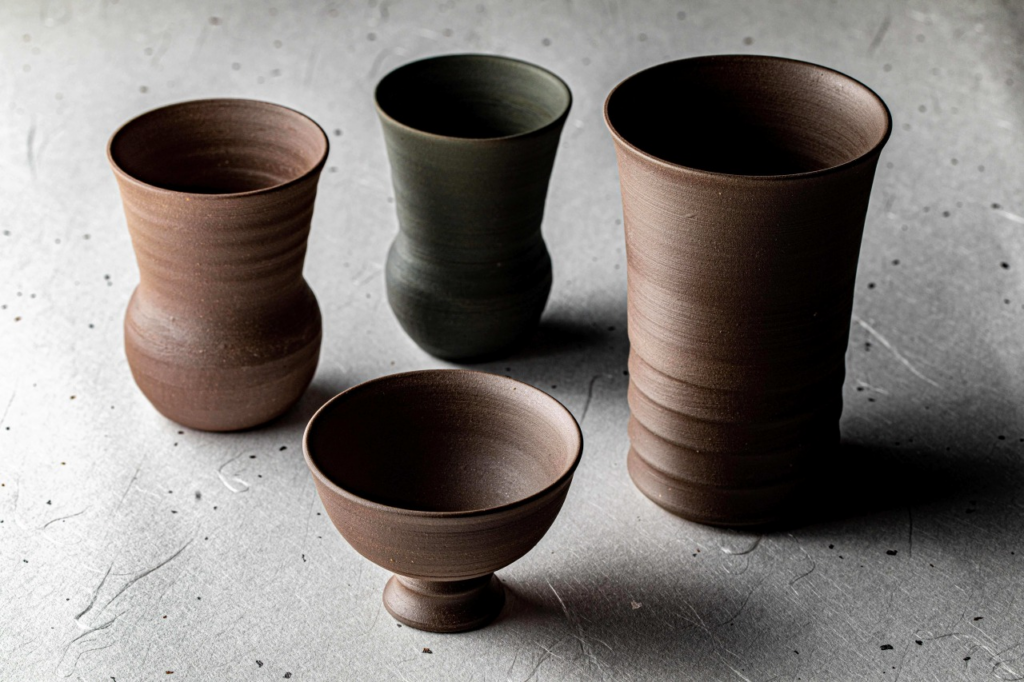
Echizen Pottery is one of Japan’s Six Ancient Kilns, with a history dating back over 800 years. Characterized by its unglazed surfaces, natural ash effects, and earthy tones, Echizen-yaki reflects a philosophy of simplicity and strength. Originally created for everyday storage vessels, today it is admired worldwide for tea ware, contemporary tableware, and sculptural art pieces.
2.Echizen Washi Paper
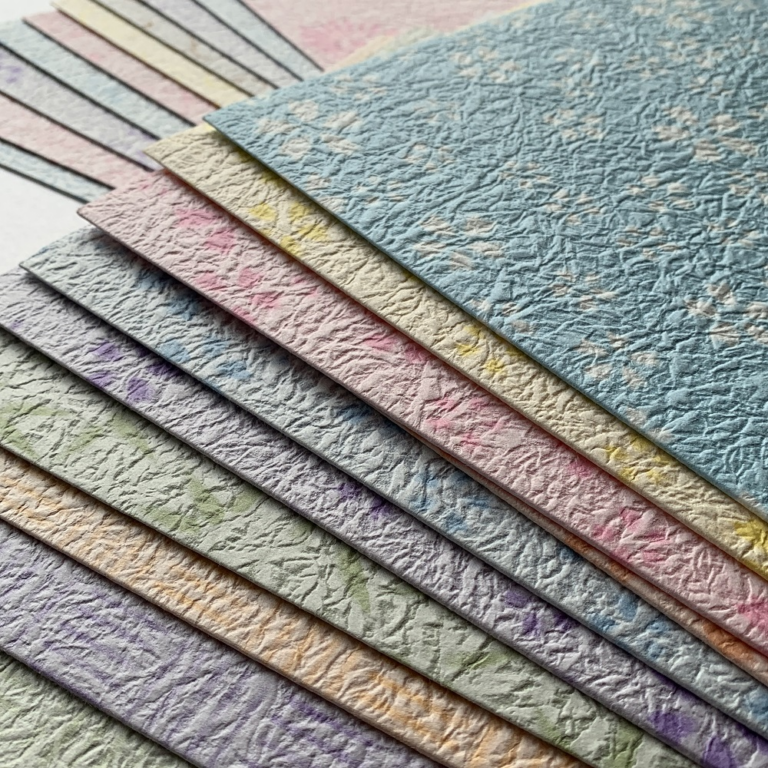
With a history of more than 1,500 years, Echizen Washi is among Japan’s finest handmade papers. Celebrated for its durability and texture, it has been used for official documents, Buddhist scriptures, fine art, and modern interior design. The papermaking villages of Echizen Fukui Japan continue to produce washi using traditional methods, preserving a craft that blends functionality with beauty.
3.Echizen Knives (Echizen Uchihamono)
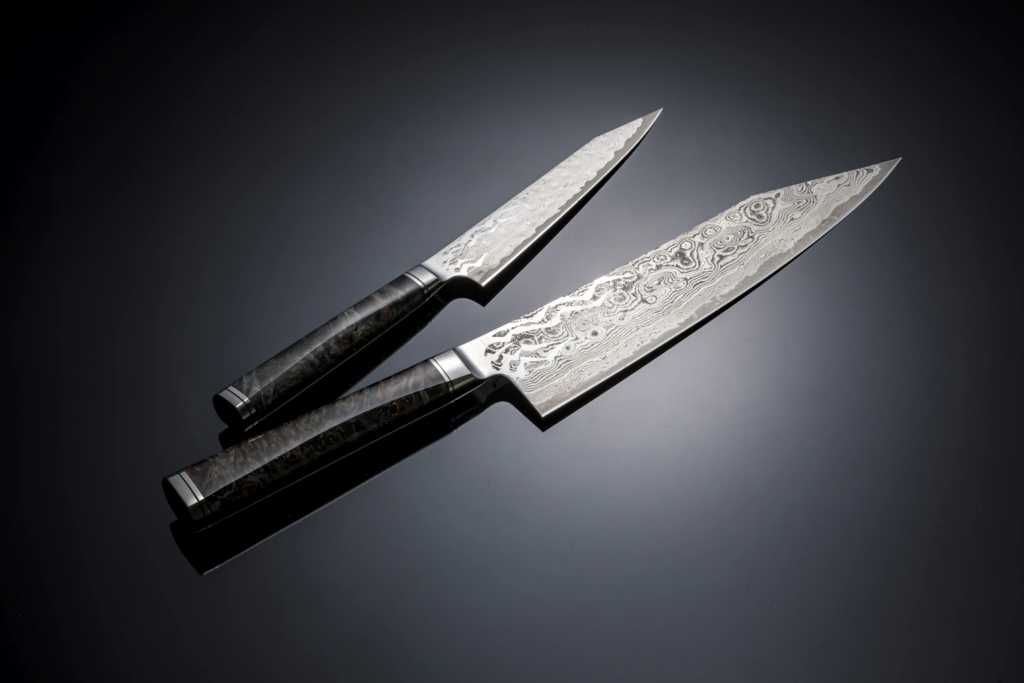
Echizen is also one of Japan’s premier knife-making regions. For over 700 years, blacksmiths have forged blades known for their exceptional sharpness, balance, and longevity. Today, Echizen knives are highly sought after by professional chefs around the world, representing the precision and craftsmanship that define Echizen Fukui Japan.
2.Samurai Culture and the Legacy of Ichijōdani
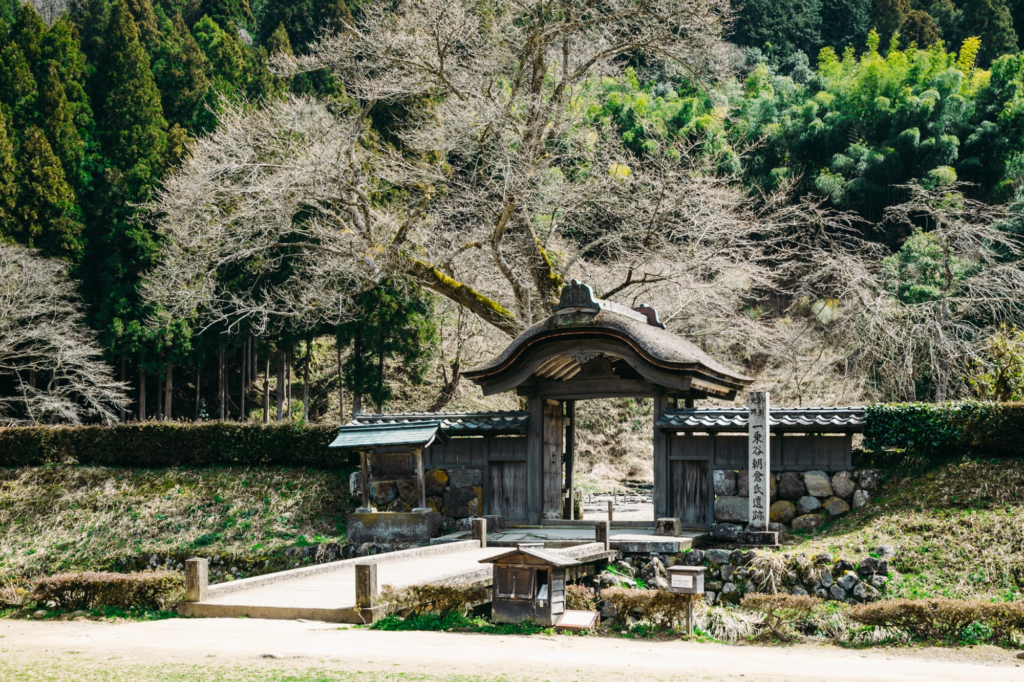
Beyond its crafts, Echizen Fukui Japan played a vital role in Japan’s feudal history. During the Sengoku period, the powerful Asakura clan ruled the region, transforming it into a political and cultural center.
The heart of this legacy lies at the Ichijōdani Asakura Clan Ruins, one of Japan’s most important historical sites. Once a flourishing castle town, Ichijōdani preserves reconstructed samurai residences, merchant homes, temples, and gardens. Walking through the site offers a rare glimpse into daily life during the 16th century, revealing how governance, culture, and aesthetics coexisted under samurai rule.
Unlike isolated castles, Ichijōdani presents an entire urban landscape, making it an essential destination for understanding the human side of samurai culture in Echizen Fukui Japan.
3.Nature and Abundance: The Land That Sustains Echizen
The natural environment of Echizen Fukui Japan is inseparable from its culture. The rugged Sea of Japan coastline, fertile plains, and forested mountains provide the foundation for both its cuisine and craftsmanship.
1.Echizen Crab and the Sea of Japan
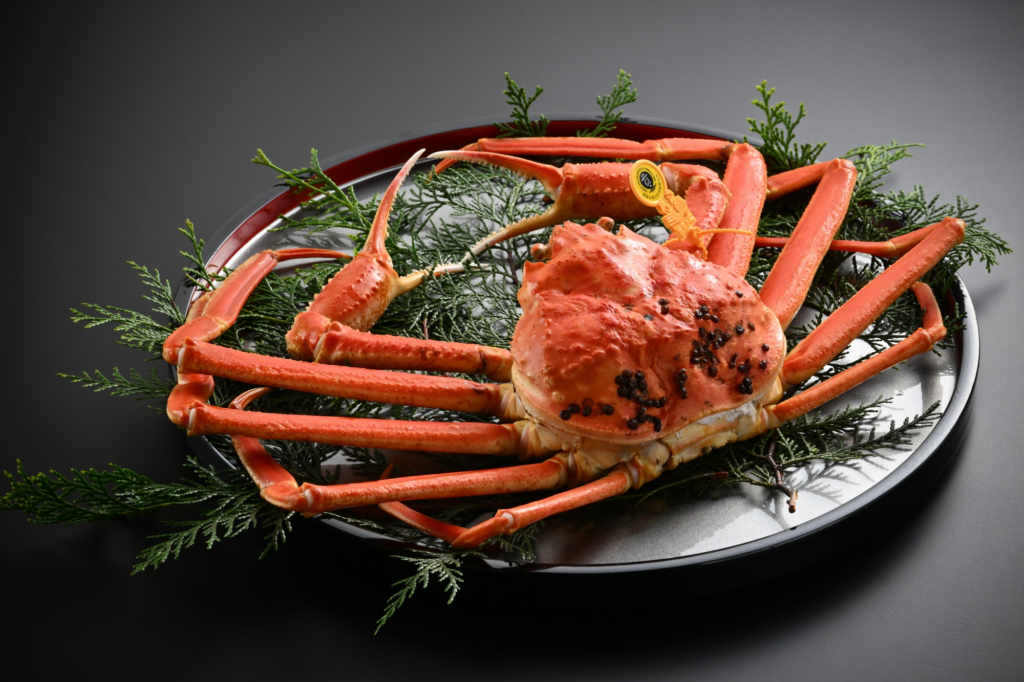
Echizen is especially famous for Echizen Crab, regarded as one of Japan’s most prized winter delicacies. Harvested from the cold waters of the Sea of Japan, the crab is renowned for its sweet meat and rich roe. The harsh marine environment that defines Echizen Fukui Japan is precisely what gives its seafood such exceptional quality.
2.Koshihikari Rice and Agricultural Richness
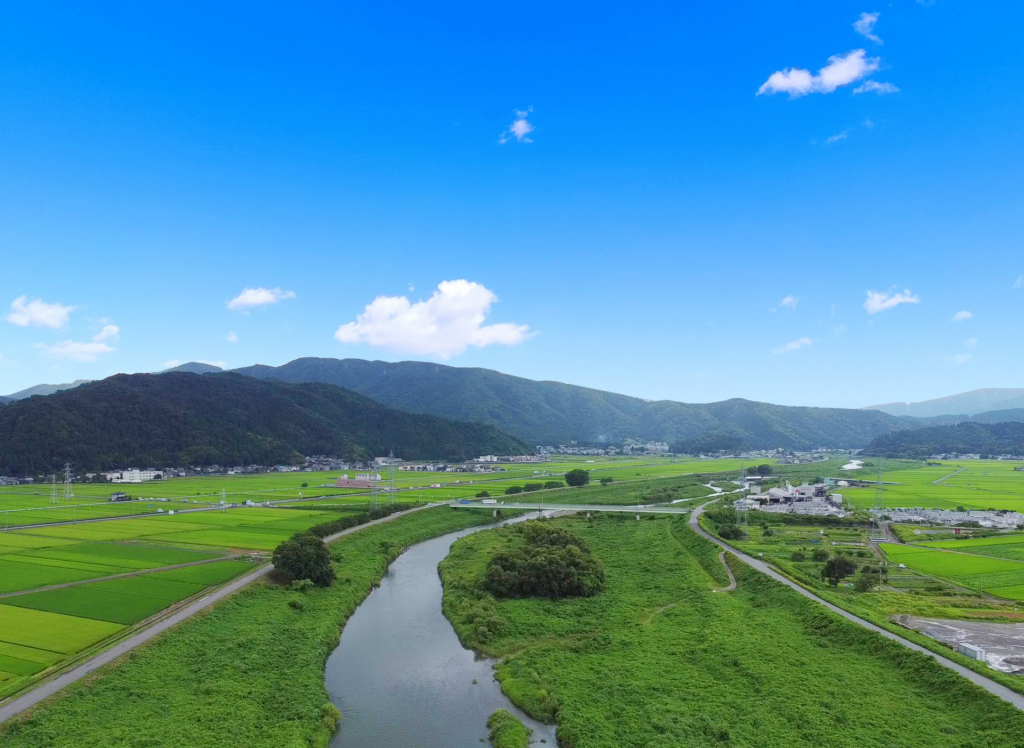
Inland, Fukui Prefecture is a leading producer of Koshihikari rice, considered one of Japan’s finest rice varieties. Pure water, clean air, and nutrient-rich soil contribute to its flavor and texture. Rice cultivation here reflects the deep connection between nature and daily life, forming the backbone of local cuisine and seasonal food culture.
Together, sea and land demonstrate how Echizen Fukui Japan thrives through harmony with nature, producing food that is both refined and deeply regional.
The Enduring Appeal of Echizen Fukui Japan
Echizen Fukui Japan is not defined by a single attraction, but by the seamless integration of tradition, history, and nature. Its crafts reflect centuries of human skill, its samurai sites preserve powerful historical narratives, and its natural environment sustains a cuisine rooted in place and season.
For travelers seeking an authentic and meaningful experience of Japan, Echizen offers something increasingly rare: a living cultural landscape where the past is not preserved behind glass, but continues to shape the present. To visit Echizen Fukui Japan is to understand how Japanese culture has endured—quietly, skillfully, and in harmony with nature.
Located along the Sea of Japan, Joetsu, Niigata, Japan is a destination where history, seasonal beauty, and traditional culture come together. Often overlooked in favor of larger cities, Joetsu rewards travelers with uncrowded landscapes, deep historical roots, and some of Niigata’s finest food and sake. Here are five highlights that define the charm of Joetsu.
1.Takada Castle Park: One of Japan’s Most Beautiful Sakura Spots
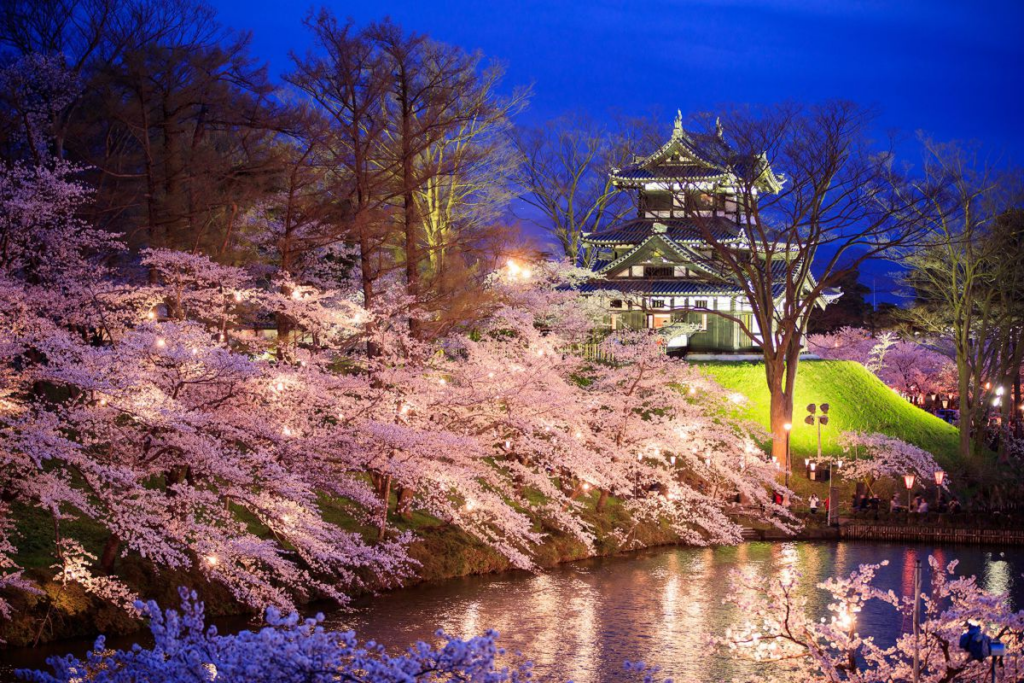
Takada Castle Park is the historical heart of Joetsu, Niigata, Japan and one of the country’s most celebrated cherry blossom destinations. Built during the Edo period, the castle grounds transform each spring as over 4,000 cherry trees bloom around the moats.
At night, illuminated sakura reflect on the water, creating an atmosphere often ranked among Japan’s top three cherry blossom views. Beyond spring, the park remains a peaceful place for walking, offering a glimpse into Joetsu’s samurai past throughout the year.
2.The Sea of Japan Coastline and Fresh Local Seafood
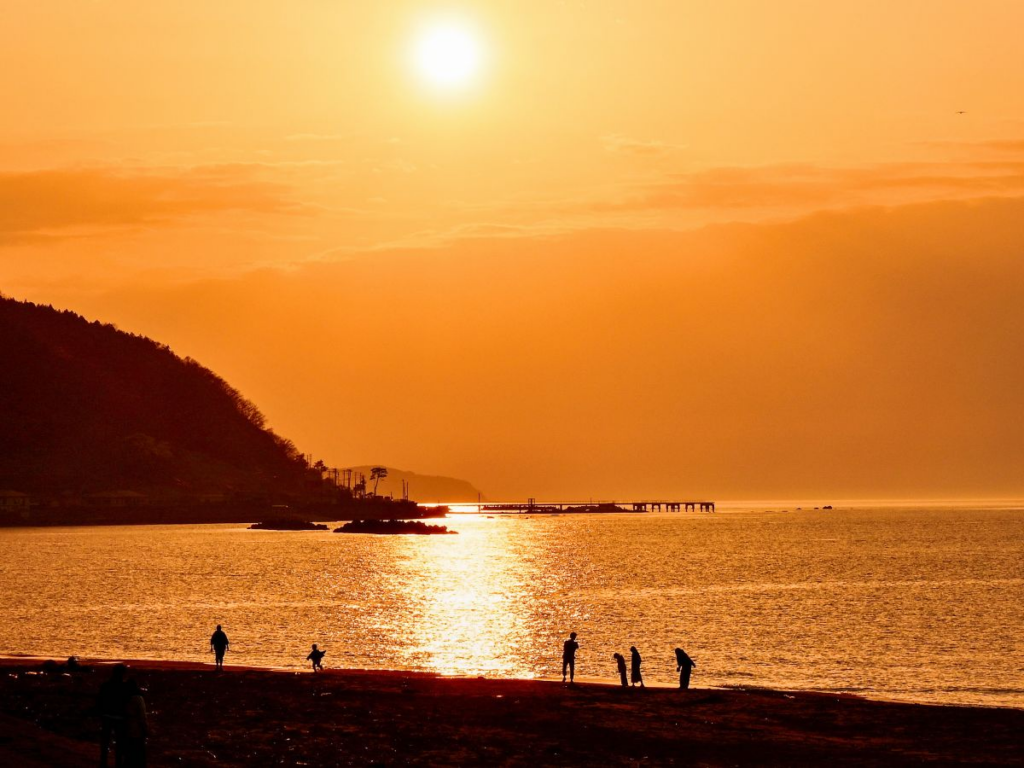
Joetsu’s coastline stretches along the Sea of Japan, providing dramatic ocean views and access to incredibly fresh seafood. Fishing ports such as Naoetsu supply local markets and restaurants with seasonal catches straight from the sea.
Visitors to Joetsu, Niigata, Japan can enjoy sweet shrimp, squid, yellowtail, and snow crab, prepared simply to highlight natural flavors. Whether dining at a local sushi counter or a family-run seaside restaurant, the region’s seafood reflects Niigata’s reputation as one of Japan’s great food regions.
3.Joetsu Myoko Ski Resorts: Powder Snow and Fewer Crowds
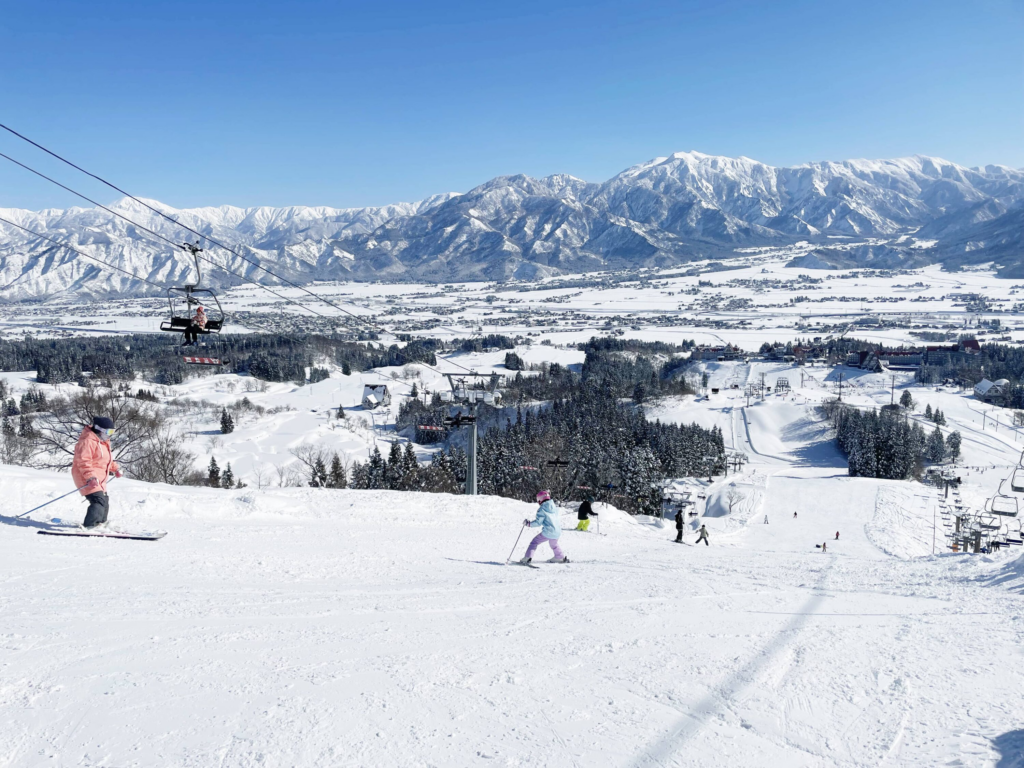
Winter brings another side of Joetsu to life. The Joetsu Myoko area is known for abundant snowfall and high-quality powder, attracting skiers and snowboarders who prefer a quieter, more authentic experience.
Compared to major ski hubs, resorts near Joetsu, Niigata, Japan offer excellent terrain with fewer crowds, making them ideal for both beginners and experienced skiers. After a day on the slopes, travelers can relax in nearby hot springs, completing a classic winter escape.
4.Japanese Sake: Pure Water, Perfect Rice
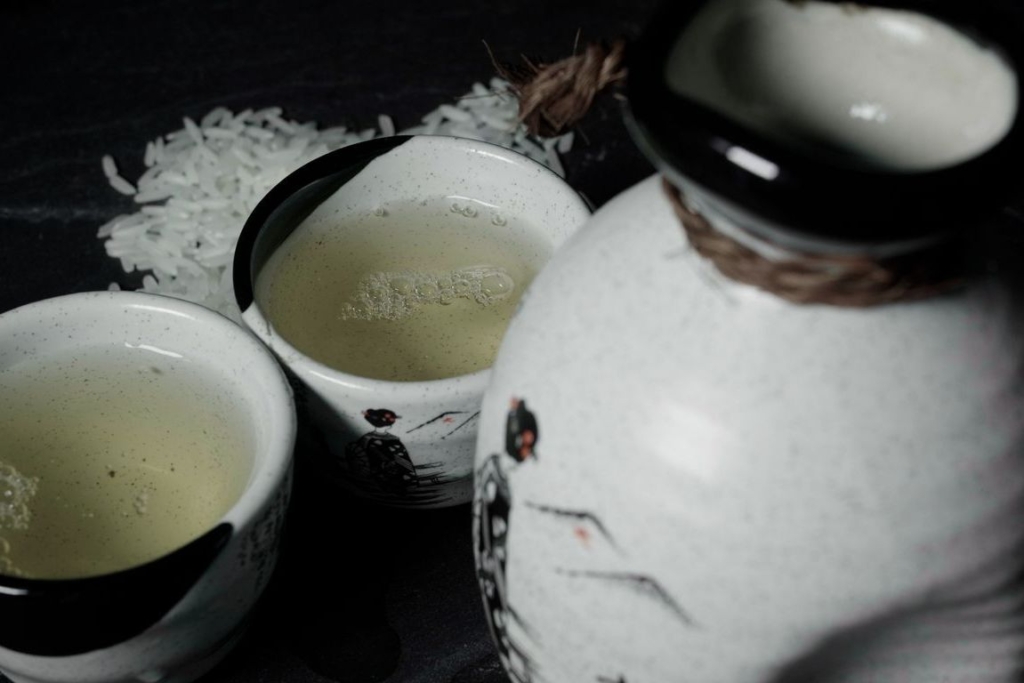
Niigata is synonymous with sake, and Joetsu is no exception. The region’s heavy snowfall creates exceptionally pure water, while the climate supports high-quality rice—two essential elements for premium sake brewing.
Sake from Joetsu, Niigata, Japan is often characterized by a clean, smooth, and dry profile. Many local breweries welcome visitors for tastings, offering insight into traditional brewing techniques that have been passed down for generations.
5.Satoyama Landscapes and Rinsen-ji Temple of Uesugi Kenshin
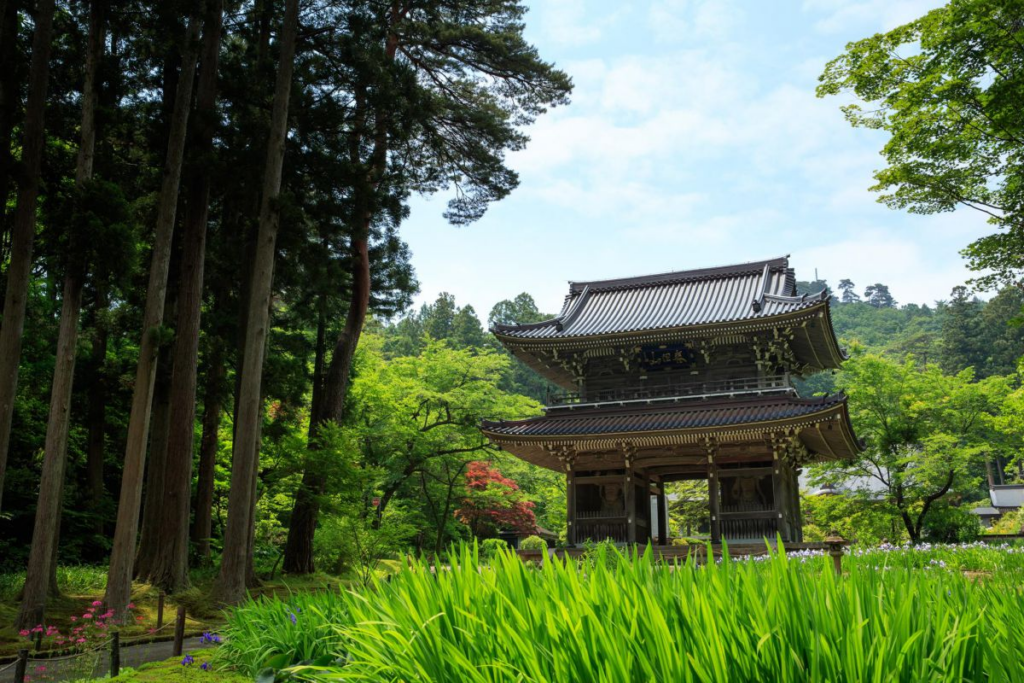
Beyond the coast and city center, Joetsu is surrounded by satoyama—traditional rural landscapes of forests, fields, and small villages. Among these tranquil settings stands Rinsen-ji Temple, closely associated with Uesugi Kenshin, one of Japan’s most revered samurai warlords.
Rinsen-ji offers a quiet, contemplative atmosphere where visitors can connect with both nature and history. Walking through the temple grounds provides a deeper understanding of the spiritual side of Joetsu, Niigata, Japan, far from the crowds of major tourist destinations.
Why Visit Joetsu, Niigata, Japan?
Located in the heart of Niigata Prefecture, Joetsu, Niigata, Japan offers a chance to step away from ordinary travel and experience the essence of Japan. Living traditions blend seamlessly with vast natural landscapes, revealing a side of the country that remains largely undiscovered.
Framed by the Japanese Alps to the east and the Sea of Japan to the west, Joetsu’s unique geography has shaped a rich history where nature and daily life exist in harmony. For travelers seeking a quiet, authentic journey, Joetsu is a destination that leaves a lasting impression.
Next…
After exploring the charm of Joetsu, Niigata, Japan, continue west to Echizen, Fukui, Japan👉
Echizen, Fukui, Japan: Unveiling the Authentic Heart of Japanese Culture
If you’re traveling in Japan, you’ll often see shrines and temples—sometimes even in the same neighborhood. While they may look similar at first glance, they belong to different religions and serve distinct cultural roles. Understanding the difference between a Shinto shrine and a Buddhist temple will deepen your appreciation of Japanese history, spirituality, and daily life.
This guide explains the key differences clearly and simply, making it perfect for first-time visitors and culture enthusiasts alike.
The Fundamental Difference Between Shrines and Temples
The most important distinction is religion.
- Shrines are part of Shinto, Japan’s indigenous belief system
- Temples belong to Buddhism, which was introduced from China and Korea in the 6th century
From this difference stem variations in architecture, worship style, and purpose.
What Is a Shinto Shrine?
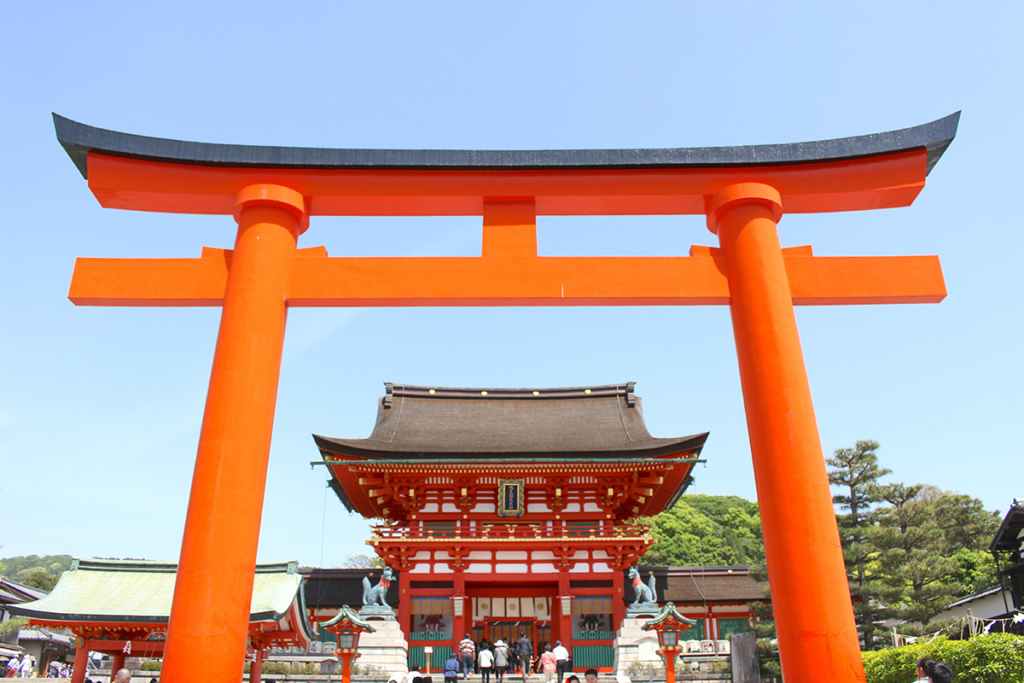
A Shinto shrine is a sacred space dedicated to kami, the gods or spirits of nature, ancestors, and places.
―Key Features of Shrines―
- Torii gate marking the entrance to sacred ground
- No statues of gods; kami are believed to reside invisibly
- Often located near forests, mountains, rivers, or the sea
- Guardians such as komainu (lion-dog statues)
―How to Pray at a Shrine―
- Bow twice
- Clap your hands twice
- Bow once more
―Role in Daily Life―
Shrines are closely tied to everyday Japanese culture. People visit them for:
- New Year prayers (Hatsumode)
- Good luck, health, and success
- Life events such as births, coming-of-age ceremonies, and weddings
What Is a Buddhist Temple?
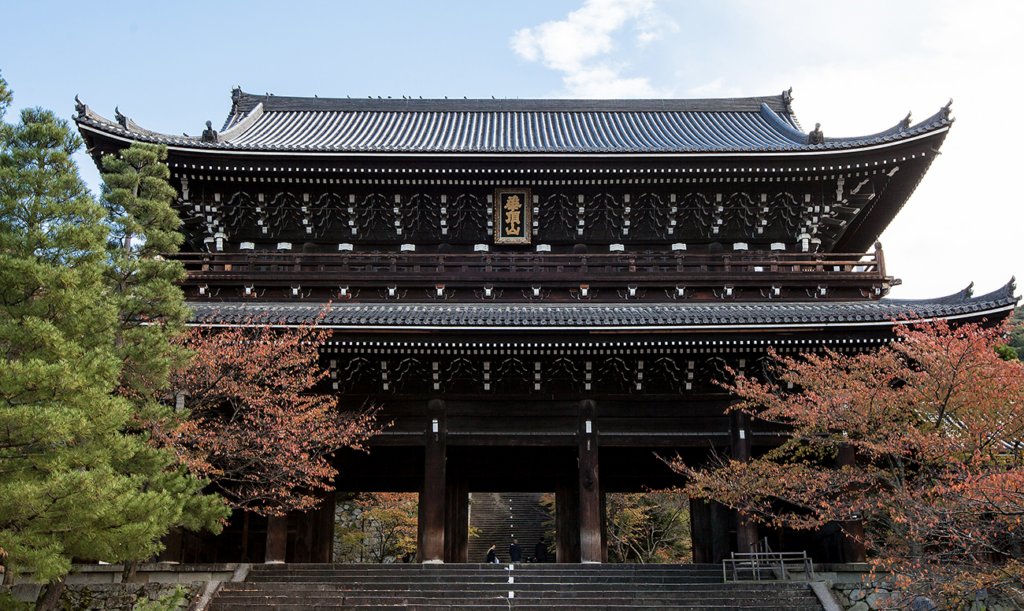
A Buddhist temple is a place for honoring the Buddha and seeking enlightenment through Buddhist teachings.
―Key Features of Temples―
- Main hall (Hondo) with statues of the Buddha or bodhisattvas
- Large entrance gates called Sanmon
- Incense burners and temple bells
- Often associated with graveyards and memorial services
―How to Pray at a Temple―
- Join your hands quietly and bow
- No clapping
―Spiritual Purpose―
Temples emphasize:
- Meditation and reflection
- Funerals and ancestor memorials
- Teachings on suffering, impermanence, and compassion
Shrine vs Temple: Quick Comparison
| Category | Shrine | Temple |
|---|---|---|
| Religion | Shinto | Buddhism |
| Object of Worship | Kami (gods/spirits) | Buddha |
| Entrance | Torii gate | Temple gate (Sanmon) |
| Statues | None | Buddha statues |
| Prayer Style | Bow, clap, bow | Join hands, bow |
Which Should You Visit?
There is no need to choose just one. In Japan, visiting both is completely natural.
- Visit a shrine when you want to make a wish or celebrate a milestone
- Visit a temple when you seek calm, reflection, or cultural depth
Many Japanese people visit shrines and temples at different times of their lives without seeing any contradiction.
Final Thoughts
Shrines and temples together form the spiritual foundation of Japan. Shrines connect people to nature and the present moment, while temples encourage reflection on life and eternity. By understanding the difference, your visit to Japan becomes not just sightseeing—but a meaningful cultural experience.
If you’re planning a trip, make time for both. Each offers a unique window into the Japanese way of life.
February is one of Kyoto’s most underrated seasons. While spring and autumn draw massive crowds, Kyoto in February offers something far more intimate: fewer tourists, seasonal traditions, and breathtaking winter scenery. From ancient rituals marking the arrival of spring to snow-dusted temples and early plum blossoms, this is a month for travelers who value depth over spectacle.
Below are five unforgettable experiences that make Kyoto in February truly special.
1.Setsubun Festivals at Yoshida Shrine and Yasaka Shrine
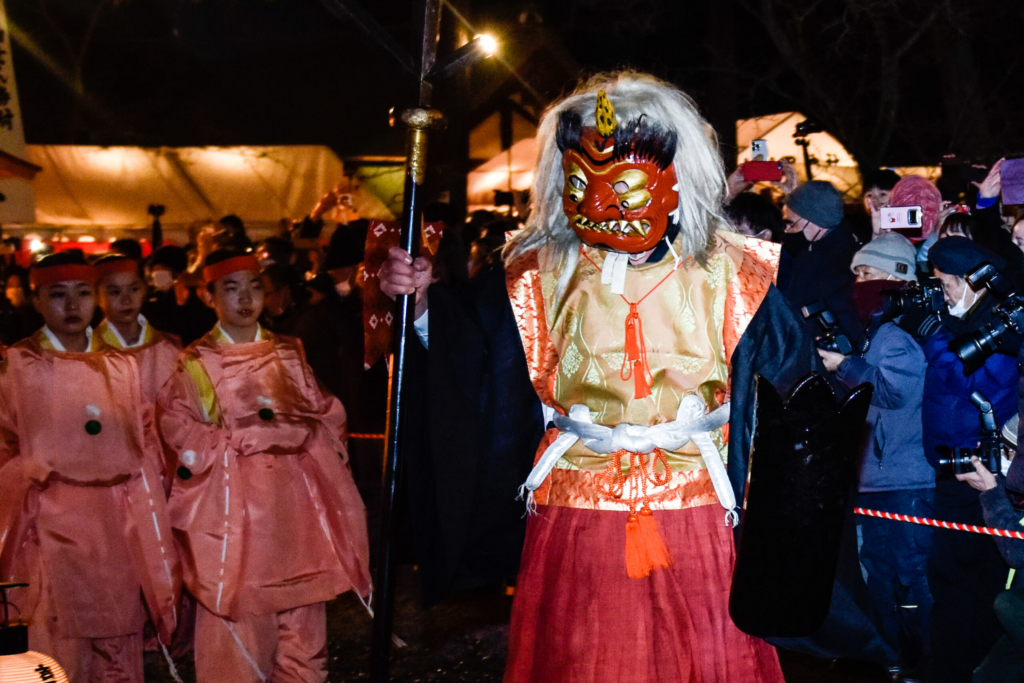
February begins with Setsubun, a traditional event held around February 3rd that symbolically drives away evil spirits and welcomes good fortune. In Kyoto, two of the most atmospheric celebrations take place at Yoshida Shrine and Yasaka Shrine.
At Yoshida Shrine, one of the oldest Setsubun rituals in Japan unfolds over several days, featuring sacred bonfires, food stalls, and ancient Shinto ceremonies. Yasaka Shrine, located in the Gion area, offers a more accessible yet equally meaningful experience, where visitors can participate in bean-throwing rituals (mamemaki) and receive lucky charms.
These events provide a rare opportunity to witness Kyoto’s living traditions—something that makes Kyoto in February culturally rich and deeply authentic. In addition, many other shrines throughout Kyoto also host Setsubun festivals during early February, each with its own customs and atmosphere, making it worthwhile to check local event schedules and explore beyond the city’s most famous sites.
2.Plum Blossoms at Kitano Tenmangu Shrine
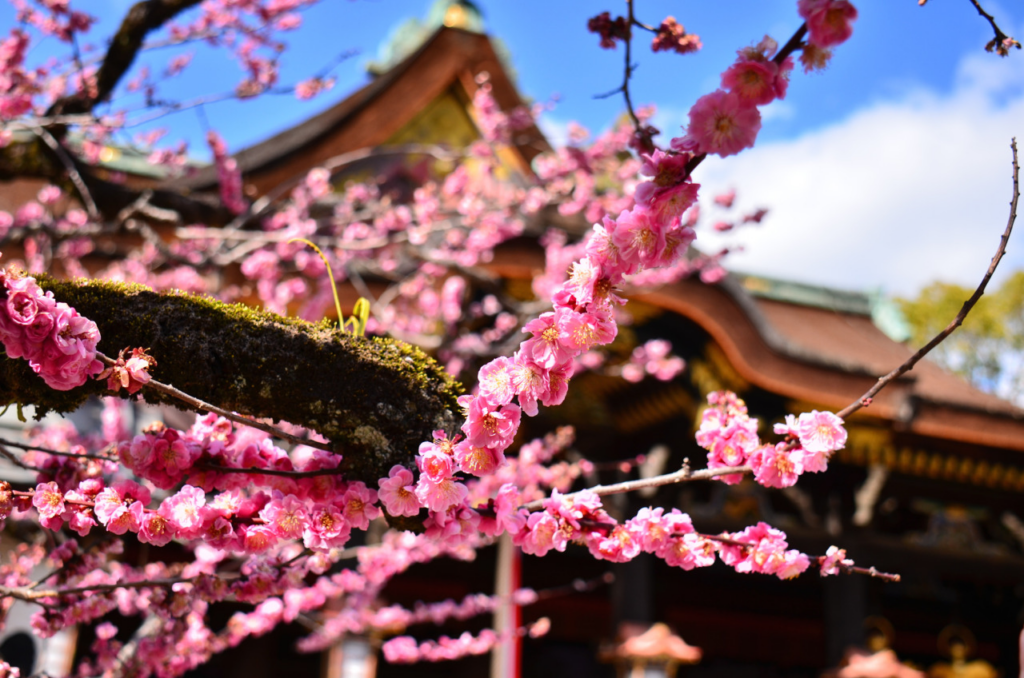
While cherry blossoms dominate spring headlines, plum blossoms (ume) quietly announce the coming of warmer days in February. Kitano Tenmangu Shrine, dedicated to the deity of learning, is Kyoto’s most famous plum blossom spot.
Thousands of plum trees bloom in shades of white, pink, and red, filling the air with a delicate fragrance. Around late February, the shrine hosts the Baikasai Plum Blossom Festival, which includes an outdoor tea ceremony performed by geiko and maiko—an experience rarely available to visitors at other times of year.
For travelers seeking seasonal beauty without crowds, this is one of the highlights of Kyoto in February.
3.Snow-Covered Kinkaku-ji (The Golden Pavilion)
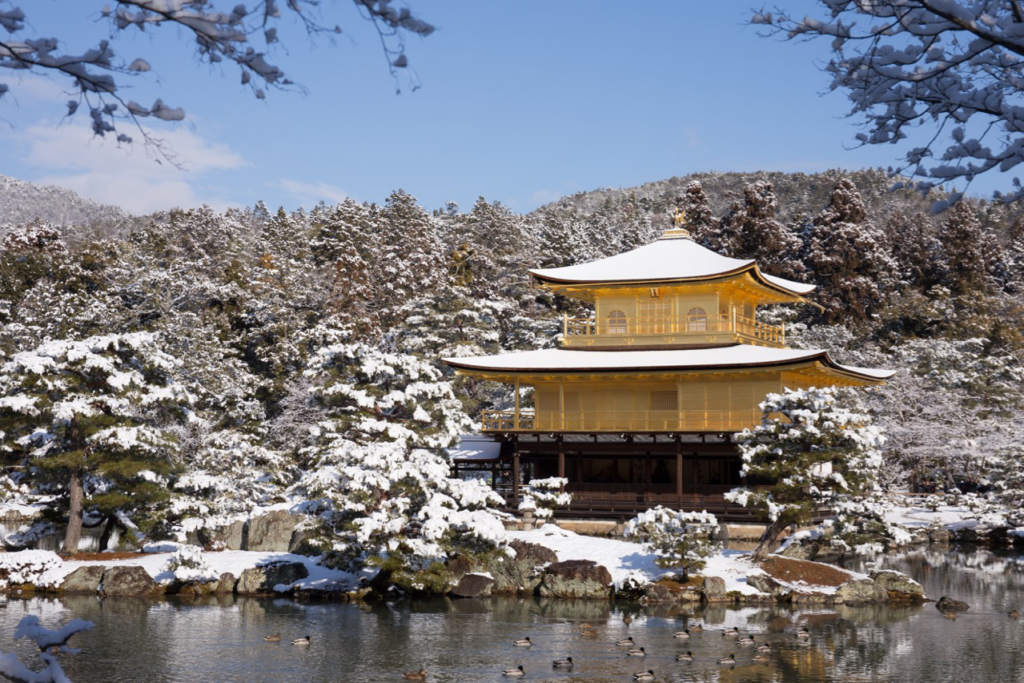
Seeing Kinkaku-ji under a layer of snow is one of Kyoto’s most iconic winter scenes—and February offers the best chance to experience it. The gold-leaf-covered pavilion reflecting off the still pond, framed by white snow, creates a scene of extraordinary contrast and calm.
Snowfall in Kyoto is not guaranteed, but when it happens, the atmosphere is unforgettable. Even on clear winter days, the crisp air and smaller crowds allow for a more peaceful visit than during peak seasons.
This quiet elegance is exactly what makes Kyoto in February so appealing.
4.The Serene Winter Atmosphere of Kifune Shrine
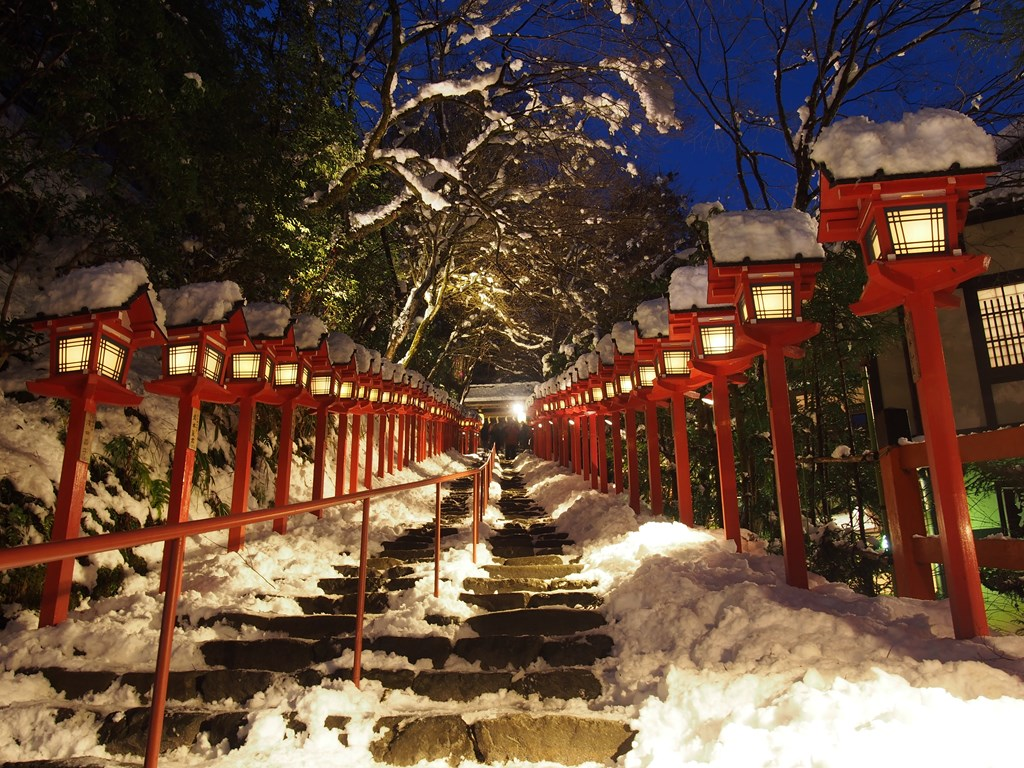
Tucked away in the mountains north of the city, Kifune Shrine feels almost otherworldly in winter. The stone stairway lined with red lanterns, occasionally blanketed in snow, creates one of Kyoto’s most photogenic scenes.
February enhances Kifune’s sense of isolation and spirituality. Fewer visitors make it easier to enjoy the shrine in silence, and the cold mountain air adds to the mystical atmosphere. It’s an ideal destination for travelers who want to step away from the city and experience Kyoto’s natural and spiritual side.
5.Fushimi Inari Taisha: Fewer Crowds, Better Photo Opportunities
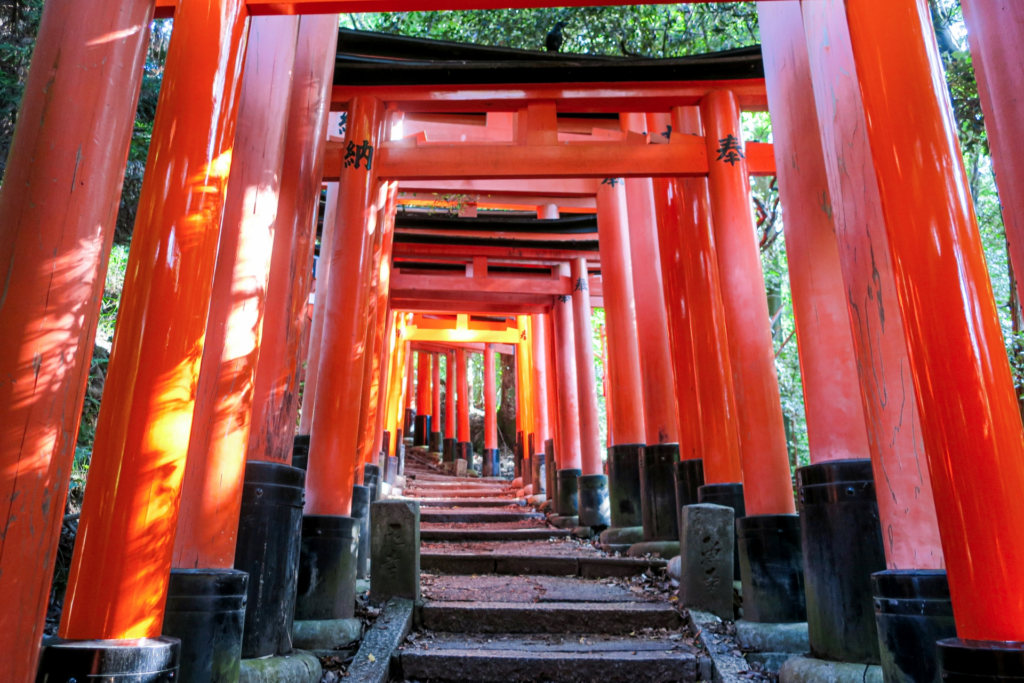
Fushimi Inari Taisha is famous year-round for its thousands of vermilion torii gates—but it’s also one of Kyoto’s most crowded sites. Kyoto in February offers a rare advantage: noticeably fewer tourists.
With cooler temperatures and shorter lines, visitors can explore deeper into the shrine’s mountain trails and capture photos without crowds in the background. Early mornings in February are especially rewarding, offering quiet paths, soft winter light, and a more personal connection with this iconic shrine.
Conclusion: Why Kyoto in February Is Worth the Trip
Kyoto in February is not about grand festivals or peak-season blossoms—it’s about subtle beauty, tradition, and space to breathe. From Setsubun rituals and early plum blossoms to snow-dusted temples and crowd-free shrines, this month reveals a calmer, more contemplative Kyoto.
For travelers seeking authenticity, photography opportunities, and a deeper cultural experience, February may be one of the best times to visit Kyoto—quiet, refined, and unforgettable.
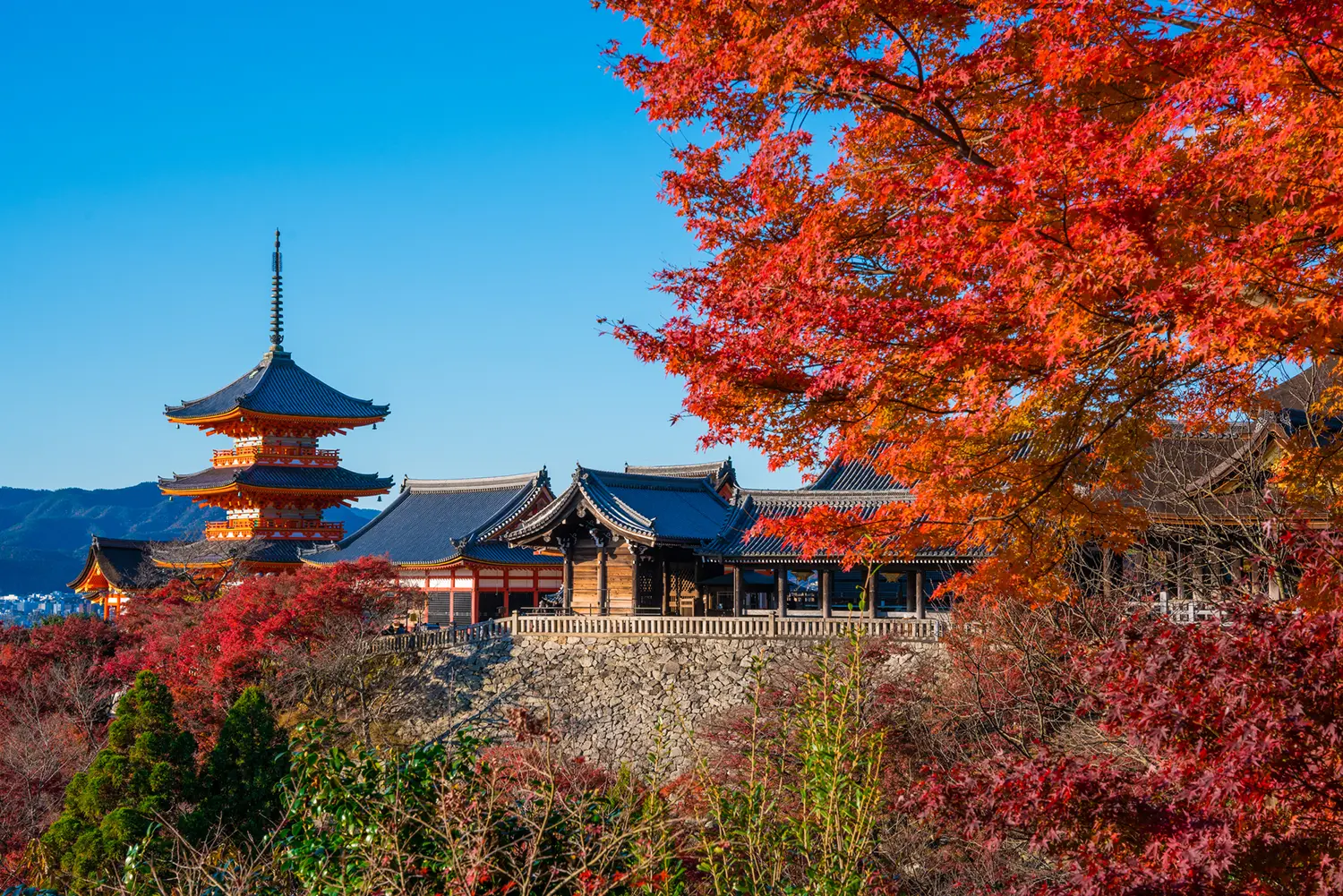
During autumn, Kyoto transforms into a breathtaking spectacle, attracting visitors from around the world. The city’s rich history and traditional architecture provide the perfect backdrop for the vibrant koyo (autumn leaves). From late October to early December, the landscape is filled with fiery reds, oranges, and golden yellows, primarily from maple and ginkgo trees. Picture ancient temples and serene gardens surrounded by brilliant foliage, creating a peaceful atmosphere. The crisp autumn air and clear skies enhance the beauty, making every view postcard-perfect. Kyoto’s natural beauty during this season perfectly complements its timeless charm, offering an unparalleled aesthetic experience. In this article, we will explore the top 5 spots in Kyoto to experience the most stunning autumn foliage.
1.Kiyomizu-dera Temple
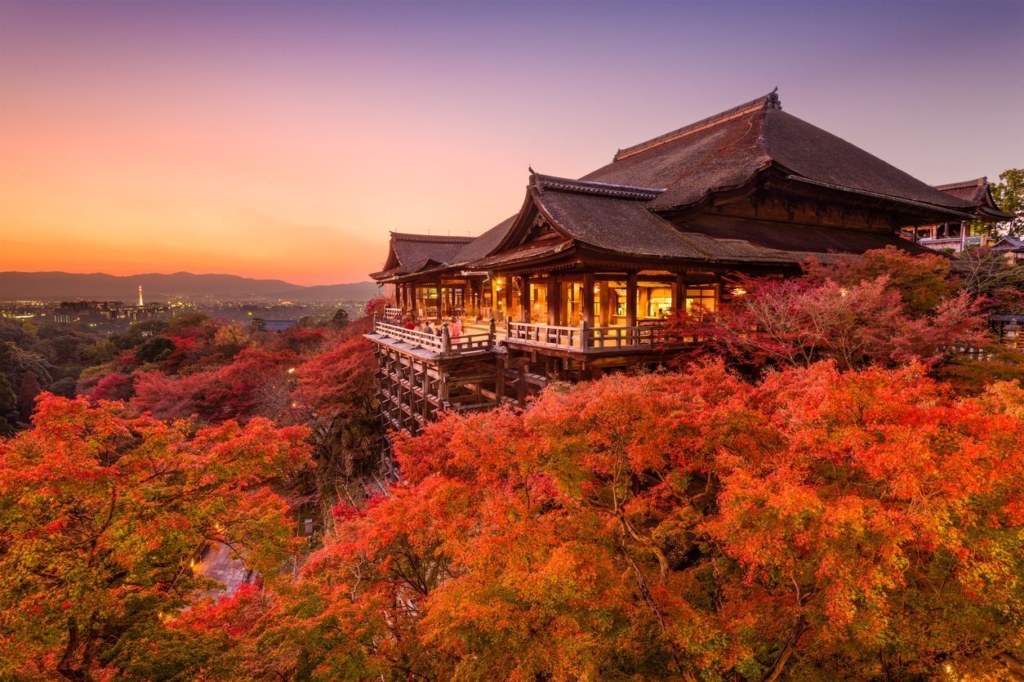
Kyoto, Japan – November 30, 2015: Tourists stand on the stage of Kiyomizudera Temple during the autumn season at dusk. The temple was founded in the 700’s and the present stage structure dates from 1633.
Kiyomizu-dera, a UNESCO World Heritage site, is one of Kyoto’s most famous landmarks. During autumn, the temple’s large wooden stage offers panoramic views of the surrounding forest, which bursts into a sea of red and orange hues. The contrast between the temple’s traditional architecture and the vibrant foliage makes for a postcard-perfect scene. Visiting Kiyomizu-dera during autumn also allows you to experience the temple’s seasonal illuminations, which create a magical atmosphere at night.
2.Kitano Tenmangu Shrine
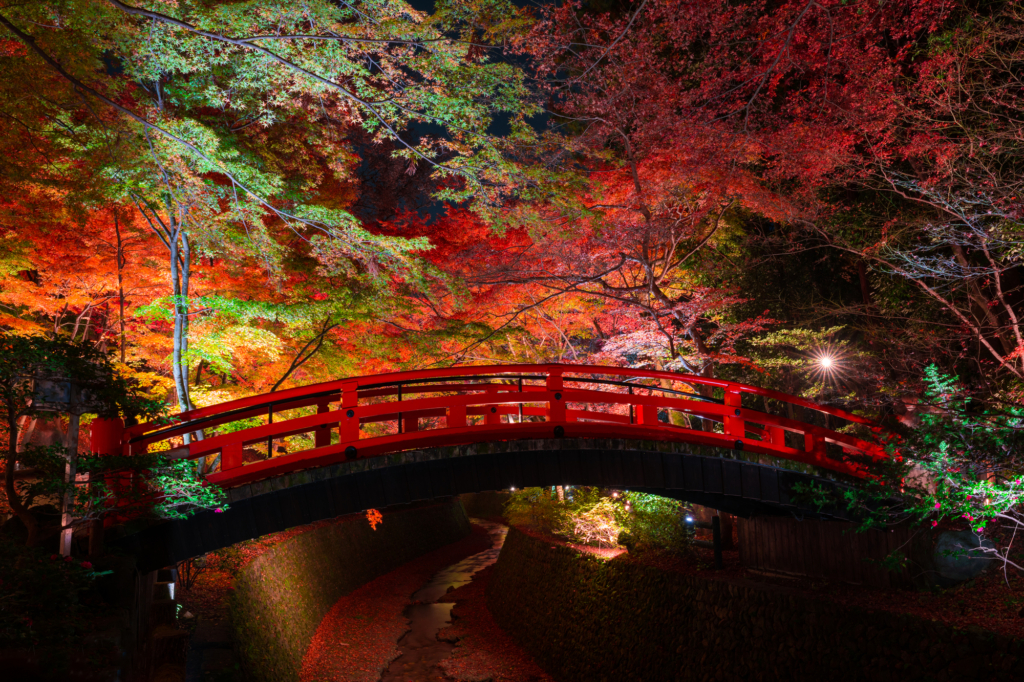
Kitano Tenmangu Shrine is a must-visit for those seeking an authentic Kyoto autumn experience. This historic shrine, dedicated to the scholar and poet Sugawara no Michizane, is surrounded by beautiful maple trees that display striking reds and yellows during the fall season. The serene atmosphere of the shrine, combined with the vivid autumn foliage, offers a peaceful retreat from the crowds. The shrine also holds the annual Toji Tenjin Festival in autumn, further enhancing its cultural charm.
3.Eikando Zenrin-ji Temple
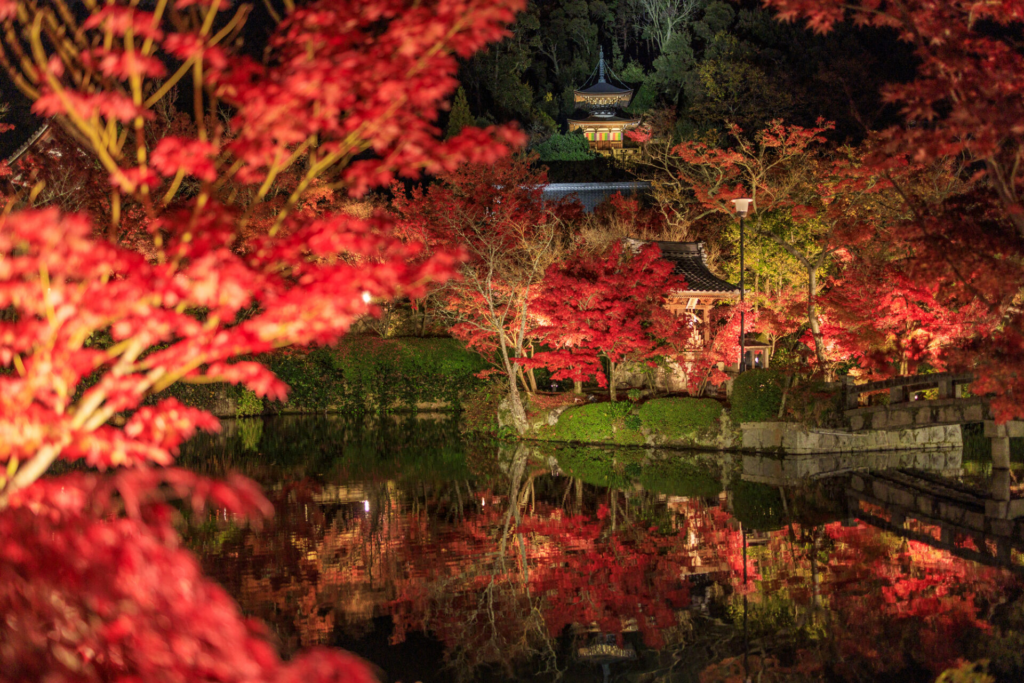
Eikando Zenrin-ji Temple, known for its stunning autumn colors, is often referred to as one of the best places to view momiji in Kyoto. The temple’s beautifully landscaped gardens are adorned with a variety of maple trees, creating a vibrant tunnel of red and gold. During autumn, Eikando is famous for its night illuminations, where the maple trees glow beautifully, reflecting in the temple’s pond. The combination of architecture, nature, and light offers an unforgettable autumn experience.
4.Arashiyama
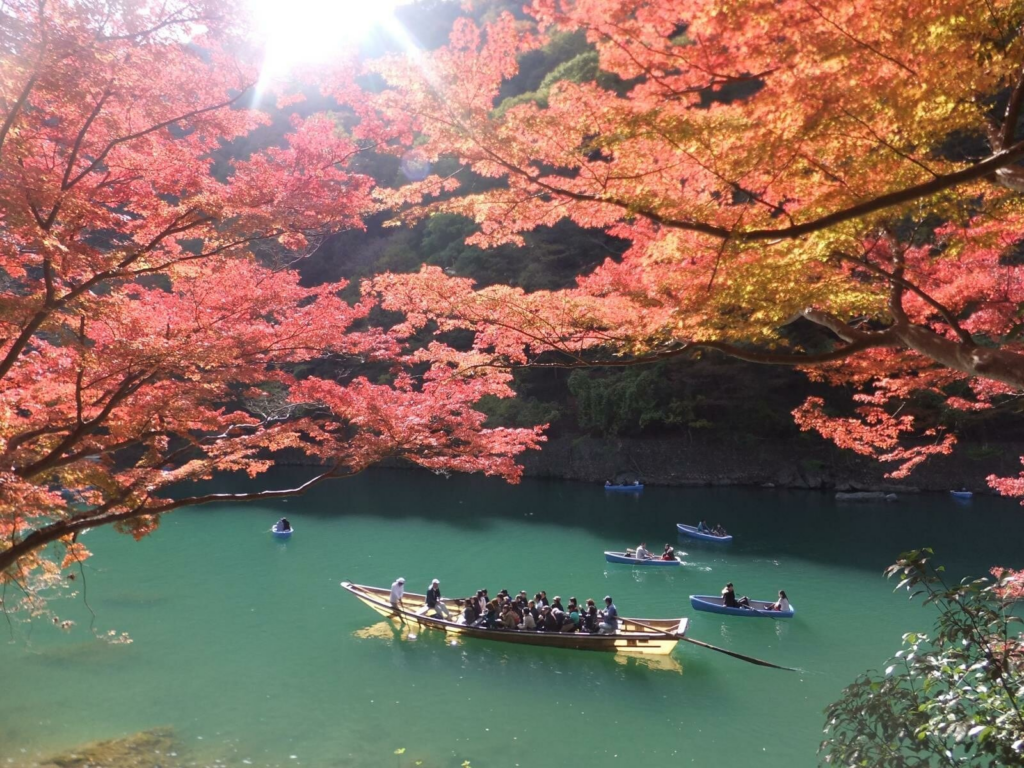
Arashiyama, a scenic district located on the outskirts of Kyoto, is renowned for its beautiful autumn foliage, especially around the Tenryu-ji Temple and the iconic Arashiyama Bamboo Grove. The fall colors in Arashiyama are complemented by the natural beauty of the bamboo forest, which provides a serene backdrop to the vibrant reds and oranges of the momiji trees. Visitors can also take a boat ride along the Hozu River to enjoy the autumn colors from a different perspective, offering a unique experience as you glide past the colorful landscape.
In addition to the riverboat ride, another popular way to experience the autumn beauty of Arashiyama is by taking a ride on the Sagano Scenic Railway (often referred to as the “Trollo”), a charming old-fashioned train that travels along the Hozu River. The train offers spectacular views of the surrounding mountains and forests, making it an excellent choice for those looking to take in the fall foliage from a cozy and unique vantage point. Whether by boat or by train, Arashiyama offers a perfect destination for autumn photography and a tranquil escape into nature.
5.Rurikouin Temple
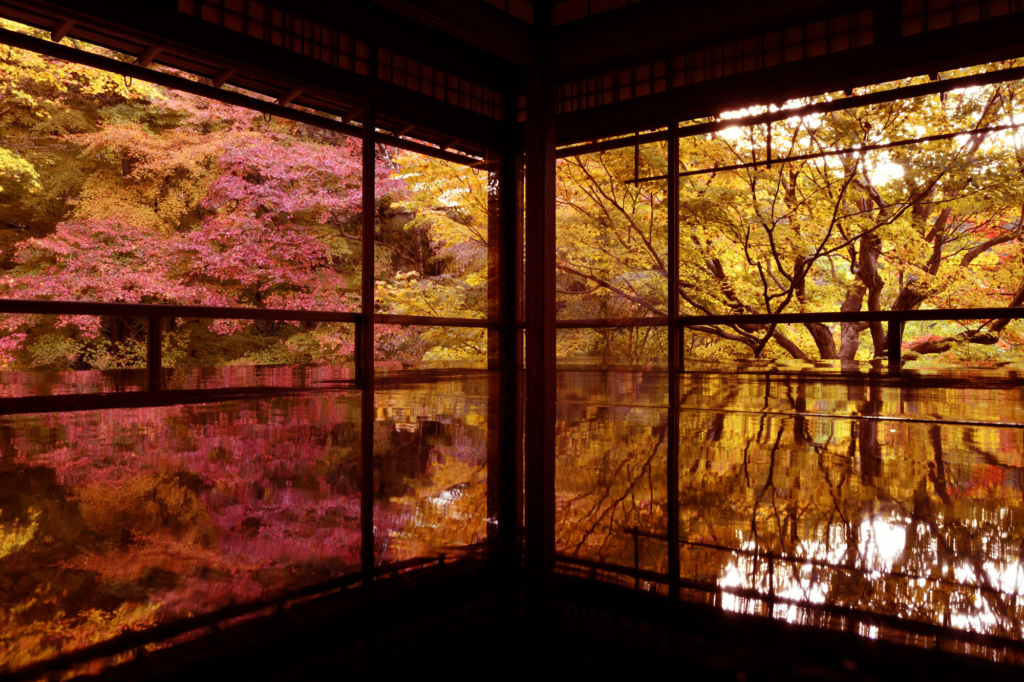
Rurikouin is located in the mountains, a bit away from the city center, and has recently become a rising star among Kyoto’s autumn foliage spots. What makes it particularly beautiful are the autumn leaves framed by the temple’s windows, resembling a picture frame, and the reflections of the vibrant foliage on the desk, like a mirror. It tends to be very crowded on weekends and during the day, so it’s best to experience the serene beauty of the leaves in the quiet morning.
When to Visit Kyoto for Peak Autumn Foliage
Kyoto’s autumn foliage, or koyo, is one of the city’s most captivating natural spectacles, attracting visitors from around the world. To ensure you experience the vibrant red, orange, and golden hues at their peak, it’s crucial to time your visit carefully. Here’s a guide to understanding the best times for autumn foliage in Kyoto, along with specific details on when to witness the stunning transformation of the city’s famous maple and ginkgo trees.
| Period | Foliage Status | Typical Daytime Temperatures (Celsius) |
|---|---|---|
| Late October | Early changes, with some color starting in the mountainous regions like Ohara and Arashiyama. | 15-20°C |
| Mid-November | Peak vibrant colors across most of Kyoto, especially at famous temples and gardens. This is often considered the ideal time for viewing. | 10-15°C |
| Late November – Early December | Past peak, but still beautiful with falling leaves (momiji-fubuki), especially in warmer city areas. Some late-blooming spots remain. | 5-10°C |
Conclusion
Autumn in Kyoto offers an unforgettable experience with its stunning foliage, rich culture, and serene temples and gardens. From iconic spots like Kiyomizu-dera and Arashiyama to hidden gems like Rurikouin Temple, Kyoto’s fall beauty is undeniable. By timing your visit to coincide with peak foliage and avoiding crowds, you can fully enjoy the autumn charm of Kyoto. Use this guide to make the most of your trip and create lasting memories of Kyoto’s autumn splendor.
Next…
Would you like to explore the beauty of Kyoto in other seasons as well?👉 Why Visit Kyoto in February? Embrace Winter’s Serenity & Authentic Japan
Each spring, Kyoto undergoes a spectacular transformation as its iconic cherry blossoms, known as sakura, bloom. This fleeting yet profound beauty is deeply rooted in Japanese culture, drawing visitors from around the world. The tradition of hanami in Kyoto offers a unique experience, with centuries-old temples, serene gardens, and riverside paths providing breathtaking backdrops for the delicate flowers. The cherry blossom season in Kyoto is not just a visual delight but a cultural experience, reflecting the transient nature of life, and is enriched by the city’s blend of historical architecture and natural beauty. In the following, we will explore the top 5 cherry blossom viewing spots in Kyoto and the best season to experience this enchanting spectacle.
Top5 Viewing Spots for Kyoto Cherry Blossoms
Kyoto offers an unparalleled array of cherry blossom viewing experiences, from historic temples to serene riverside paths. Here’s a guide to the most captivating locations to witness the ephemeral beauty of sakura.
1.Kiyomizu-dera Temple
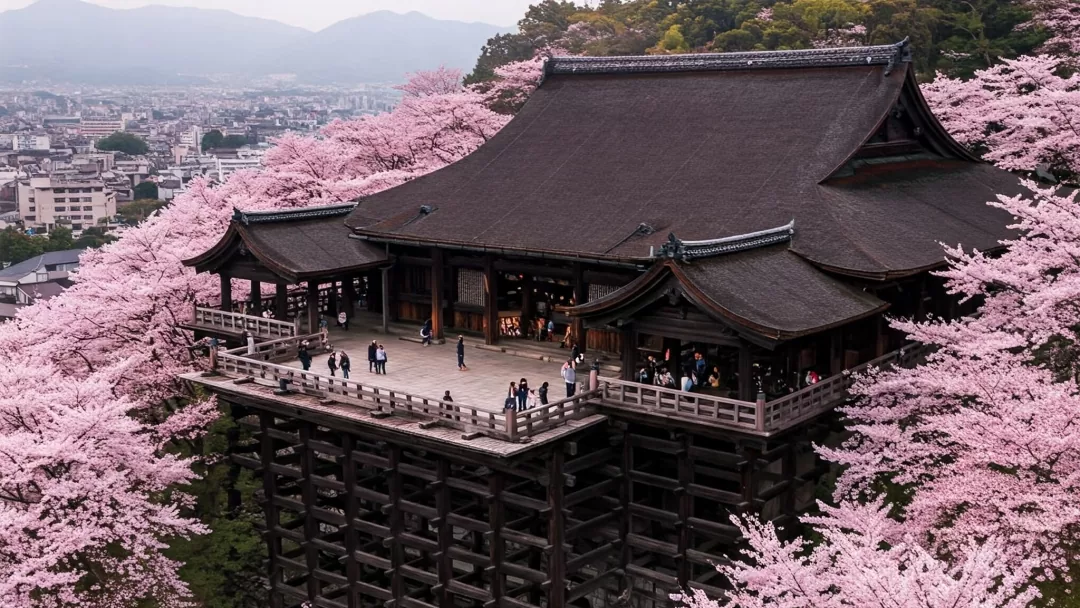
Perched on a hillside, Kiyomizu-dera Temple provides breathtaking panoramic views of Kyoto, framed by hundreds of cherry trees. The iconic wooden stage, built without nails, appears to float amidst a sea of pink during peak bloom, offering a truly unforgettable sight. It’s especially stunning at sunset when the city lights begin to twinkle.
2.Heian Jingu Shrine
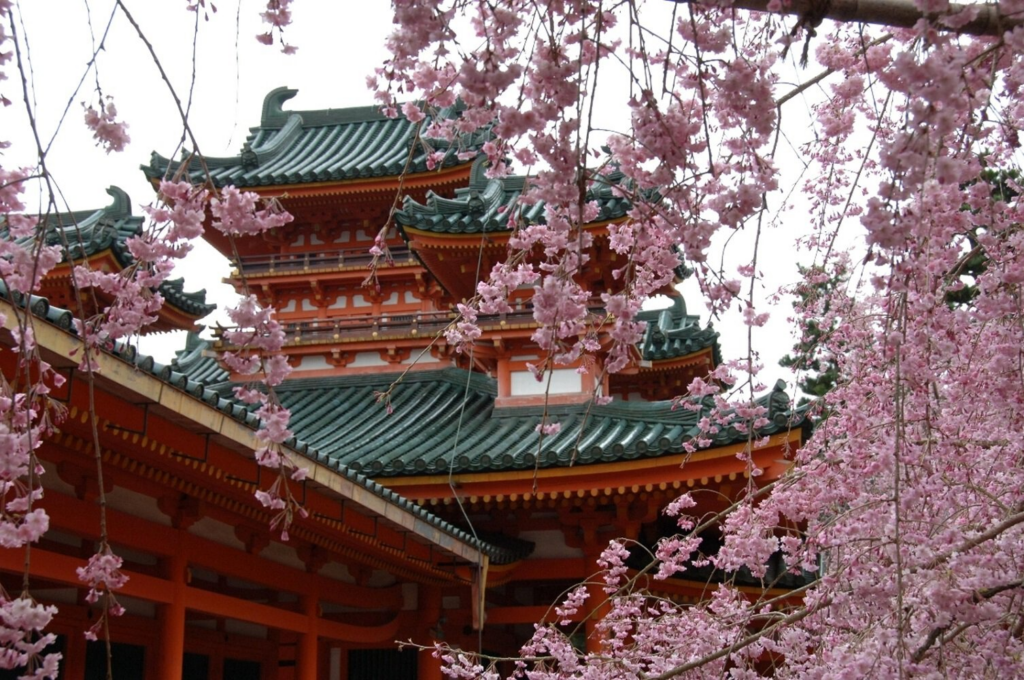
Known for its vibrant vermilion architecture and expansive grounds, Heian Jingu Shrine is particularly famous for its exquisite weeping cherry trees (shidarezakura). The trees around the serene pond garden create a delicate pink canopy, reflecting beautifully on the water’s surface. The contrast between the vivid shrine buildings and the soft blossoms is captivating.
3.Daigo-ji Temple
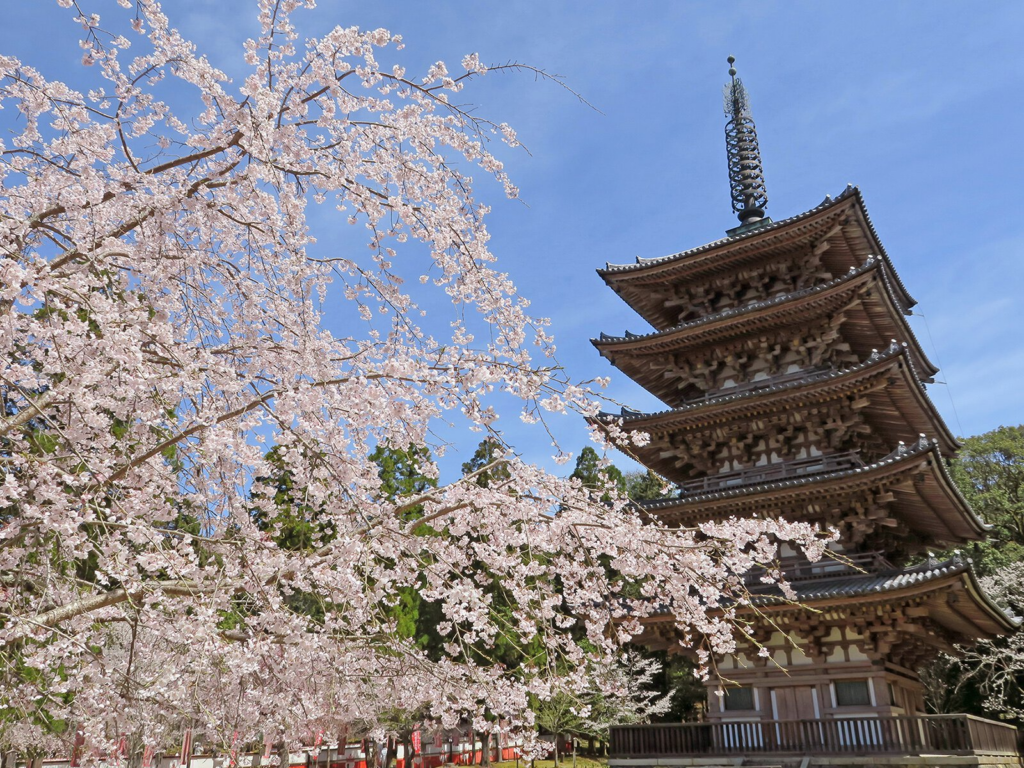
A UNESCO World Heritage site, Daigo-ji Temple boasts a rich history of cherry blossom viewing, famously associated with the warlord Toyotomi Hideyoshi’s grand “Daigo no Hanami” in 1598. The vast complex features a diverse collection of cherry varieties, ensuring a prolonged blooming season. Its Sansho-in Garden is a highlight, with various cherry types blooming sequentially, making it a must-visit for serious enthusiasts.
4.Ninna-ji Temple
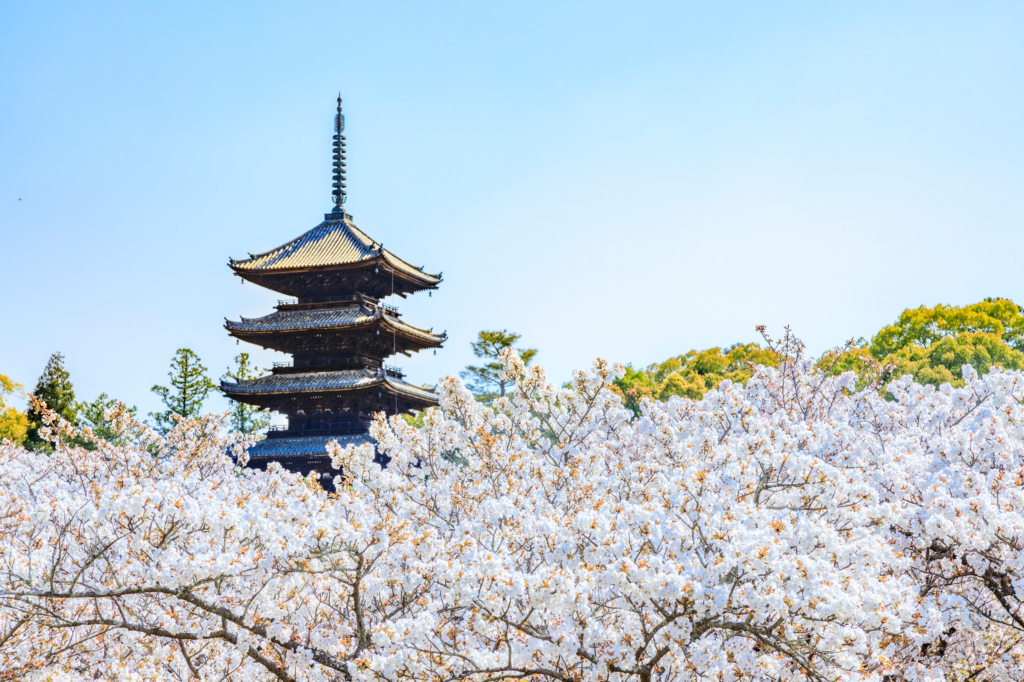
Another UNESCO site, Ninna-ji Temple is celebrated for its unique grove of late-blooming Omuro cherry trees. These shorter, multi-branched trees create a dense, low-hanging canopy of blossoms, often referred to as “Kyoto’s last blossoms.” Their slightly later bloom offers a chance to enjoy sakura even after other spots have peaked. The Goju-no-to pagoda provides a picturesque backdrop.
5.The Philosopher’s Path
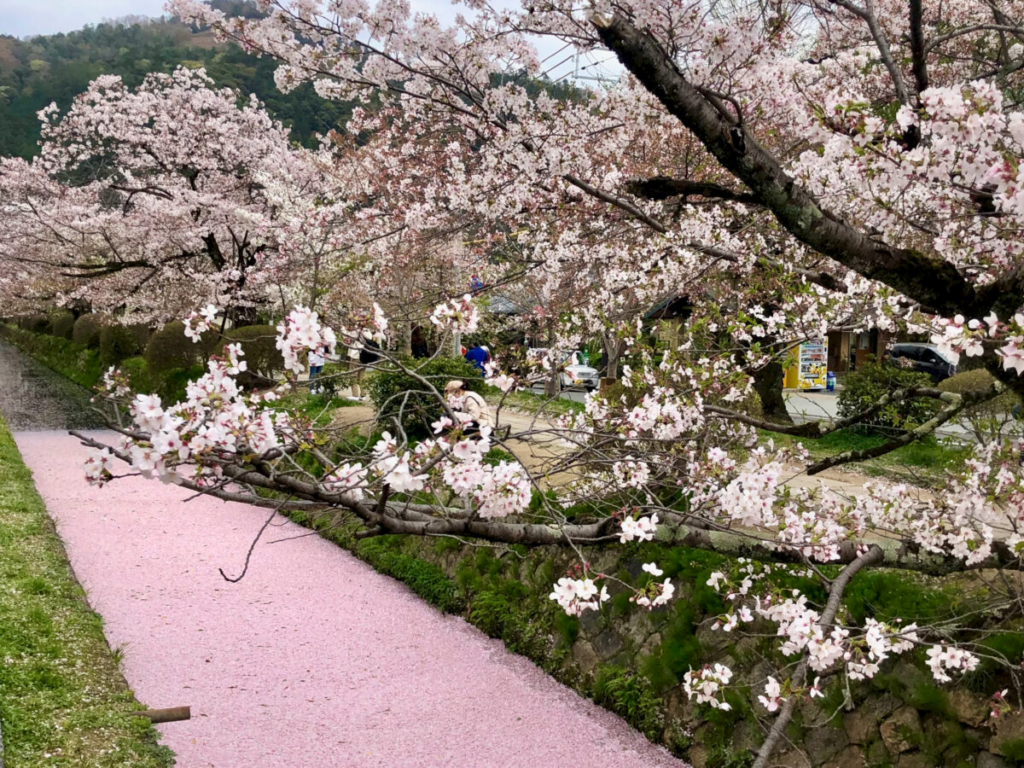
One of Kyoto’s most famous cherry blossom spots, the Philosopher’s Path (Tetsugaku-no-michi) is a stone path alongside a canal, lined with hundreds of cherry trees. The branches form a beautiful tunnel, with petals often floating gently on the water. It’s an ideal spot for a peaceful walk, connecting several temples and shrines.
When to See Kyoto Cherry Blossoms
Kyoto’s cherry blossom season typically spans from late March to mid-April. The iconic full bloom, or mankai, is remarkably brief, usually lasting about one week. Weather conditions like temperature, rain, and wind significantly influence the exact timing and duration each year, making precise planning essential. To experience the blossoms at their best, monitor annual forecasts closely. These predictions, often released from January and updated regularly, provide estimated dates for the first bloom (kaika) and peak bloom (mankai). Reliable sources include the Japan Meteorological Corporation (JMC) or Weather News Japan. Aiming for the forecasted peak offers the most spectacular viewing opportunities.
Conclusion
The cherry blossoms of Kyoto provide not only breathtaking beauty but also evoke deep emotions through their fleeting nature. These flowers are not just a natural spectacle but are deeply connected to Japanese culture, philosophy, and the concept of “impermanence.” Through the sight of these blossoms, we are reminded to pause, forget the rush of everyday life, and simply enjoy the present moment. We encourage you to visit Kyoto during cherry blossom season, to experience its beauty and to immerse yourself in the rich history and culture of Japan. At every viewing spot, the sakura will welcome you with open arms, offering an unforgettable experience.
Next…
Would you like to discover other beautiful seasons in Kyoto?👉Planning Your Magical Autumn Trip to Kyoto, Japan
Originating from legends at Gotokuji Temple and Imado Shrine, the Maneki Neko’s features each carry symbolic meaning. The raised paw, its color, and the objects it holds can all represent different types of good fortune—whether inviting more customers, improving financial luck, offering protection, or bringing general prosperity. More than just a decorative figure, the Maneki Neko is treasured as a talisman believed to bring luck, success, and harmony to those who welcome it into their space. Now, let’s take a closer look at what each feature represents.
The Origins and Legends of the Maneki Neko
While the Maneki Neko is widely known as a symbol of luck, its true origins are linked to charming Edo-period legends. Two of the most famous stories come from Tokyo, both emphasizing the cat’s ability to bring fortune.
1.Gotokuji Temple Legend
A poor monk at Gotokuji Temple cared for a cat named Tama. One day, samurai lord Ii Naotaka took shelter near the temple during a storm. Tama raised its paw as if beckoning him, so he approached the temple — just before lightning struck the tree he stood under. Grateful for being saved, the lord became a patron, helping the temple prosper. After Tama’s death, it was honored with statues, and today Gotokuji is famous for its countless Maneki Neko offerings.
2.Imado Shrine Legend
Another story from Imado Shrine (located in Asakusa, Tokyo)tells of a poor elderly woman who, after abandoning her beloved cat, dreamed it told her to make a clay cat figure. When she did, the figurines sold well and brought her wealth. Because of this, Imado Shrine is now known for matchmaking and often features paired Maneki Neko figures.
What the Raised Paw Means
| Paw Position | Meaning |
|---|---|
| Left Paw Raised | A Maneki Neko with its left paw raised is traditionally believed to attract customers and guests. This makes it a popular choice for businesses, shops, restaurants, and other establishments looking to increase foot traffic and patronage. |
| Right Paw Raised | Conversely, a Maneki Neko raising its right paw is said to invite money, good fortune, and wealth. This variant is often favored by individuals seeking personal financial prosperity and general good luck in their lives. |
| Both Paws Raised | While less common and sometimes considered less traditional, a Maneki Neko with both paws raised is meant to offer protection or to attract both wealth and customers simultaneously. Some interpret it as a symbol of “reaching for everything,” though it can also be playfully seen as a sign of being overly eager for luck. |
The Significance of Maneki Neko Colors
| Color | Meaning |
|---|---|
| White | The most common color, white Maneki Neko symbolizes purity, happiness, and overall good luck. It’s a versatile choice for general well-being. |
| Gold | Often associated with prosperity, a gold Maneki Neko is believed to attract wealth, financial success, and good fortune in business ventures. |
| Black | A black Maneki Neko is a powerful guardian, believed to ward off evil spirits, protect against bad luck, and ensure safety. It’s often chosen for protection. |
| Red | The red Maneki Neko offers protection from illness and evil. It’s thought to bring good health and ward off malevolent forces. |
| Green | For those seeking academic achievement, good health, or safety in travel, the green Maneki Neko is the ideal choice. |
| Pink | A more modern addition to the color palette, the pink Maneki Neko is associated with love, romance, and successful relationships. |
| Blue | The blue Maneki Neko is believed to bring good fortune in education, safe journeys, and the realization of dreams. |
Optimal Placement for Maneki Neko
| Location Type | Specific Placement | Intended Benefit |
|---|---|---|
| Businesses (Shops, Restaurants, Offices) | Near the entrance, facing outwards; by the cash register; in a prominent display window. | Attracting customers, increasing sales, business prosperity, financial success. The raised paw ‘beckons’ patrons and wealth. |
| Homes | At the main entrance, facing the door; in the living room; in a home office or study. | Welcoming good fortune into the household, promoting family harmony, enhancing career success or academic achievement. |
| Personal Use (Desk, Car) | On a desk at work or home; dashboard of a car. | Personal luck, safe travels, focus, and motivation. |
Wrapping Up
The Maneki Neko is more than just a lucky charm — it’s a symbol of Japanese culture, filled with hopes and blessings.
When you visit Japan, be sure to stop by temples and shrines to discover its origins, and choose a Maneki Neko that matches your wishes.
It just might invite wonderful good fortune into your life.
When you visit Hida Takayama Japan, located in the northern part of Gifu Prefecture, you will find a town where traditional architecture, living culture, and unforgettable cuisine come together in perfect harmony. Here are four immersive experiences that will help you fully appreciate the spirit of this mountain town.
1.Stroll Through the Historic Old Town and Step Back to the Edo Period
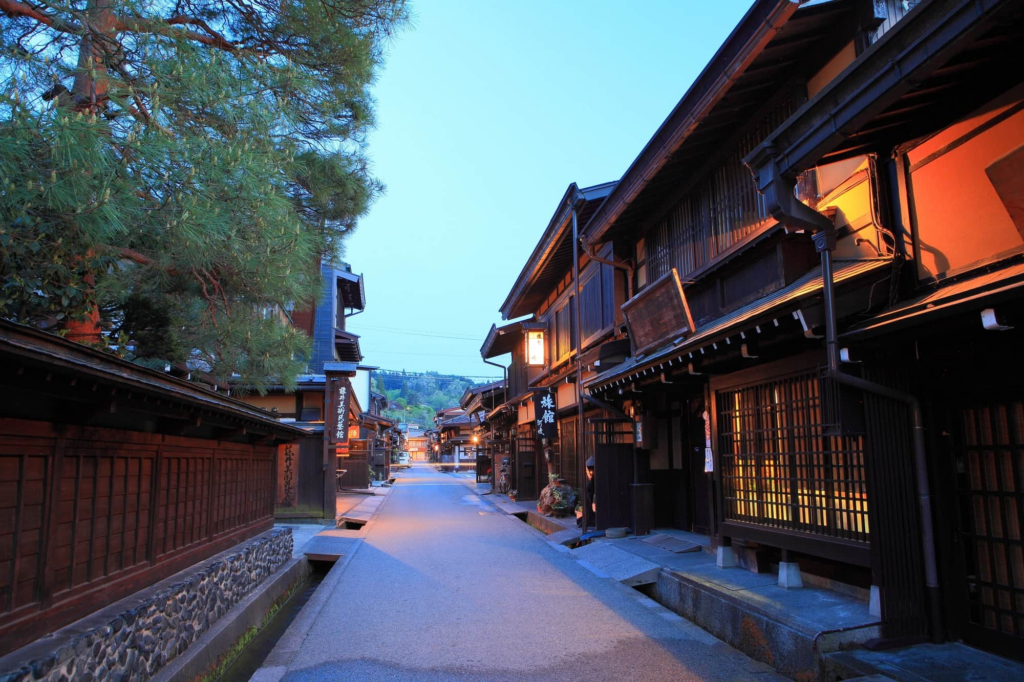
The historic district of Sanmachi Suji retains the authentic atmosphere of the Edo period, allowing visitors to feel as though they’ve slipped into the past. Along the narrow streets, rows of elegant wooden merchant houses feature traditional latticework, while the round cedar balls hanging in front of sake breweries sway gently in the breeze. Artisan workshops continue the legacy of Hida craftsmanship, and charming cafés and long-established sweet shops invite you in for a taste of local hospitality.
The soft glow of sunrise and sunset casts a magical light over the scene, making the area especially photogenic. Guided tours are also available for those who want a deeper understanding of the district’s history. As you walk slowly through this nostalgic townscape, you’ll discover why Hida Takayama Japan is known as a place where the old days truly come alive.
2.Discover History at Takayama Jinya
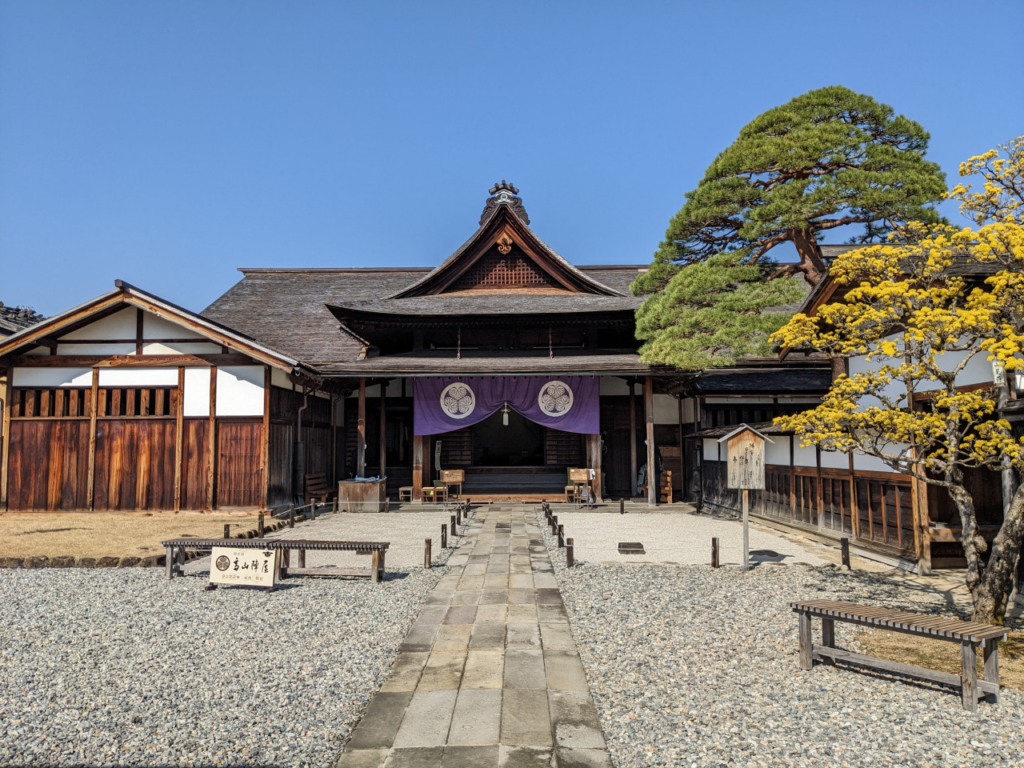
Takayama Jinya once served as the regional government office when the Tokugawa Shogunate directly controlled the resource-rich Hida region. Today, it remains the only building of its kind preserved in Japan. Inside, visitors can explore tatami-floored administrative rooms, former interrogation chambers, and exhibits featuring historical documents and tools used at the time.
A beautifully manicured Japanese garden adds to the experience, offering a serene atmosphere that reflects the dignity of the former government site. For anyone interested in Japanese history and culture, Takayama Jinya offers a powerful glimpse into the governance and daily life of the Edo period.
3.Experience Local Life at the Miyagawa Morning Market
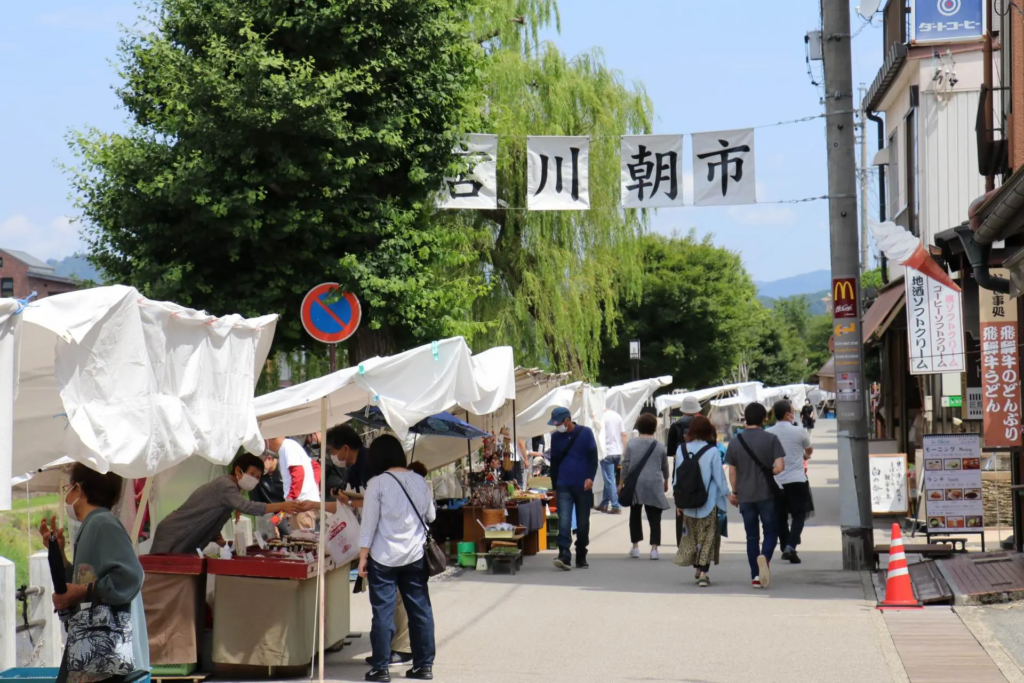
If you want to get closer to everyday life in Hida Takayama Japan, visit the Miyagawa Morning Market along the riverside. Established more than 200 years ago, this lively market brings together fresh produce from the mountains, handmade pickles and sweets, local miso, and a variety of charming folk crafts.
Friendly interactions with local farmers and artisans make the experience even more memorable, and the peaceful sound of the flowing river adds to the relaxed ambiance. The market is an ideal stop during your morning stroll, offering both delicious flavors and the warm hospitality of the local community.
4.Savor Exquisite Hida Beef
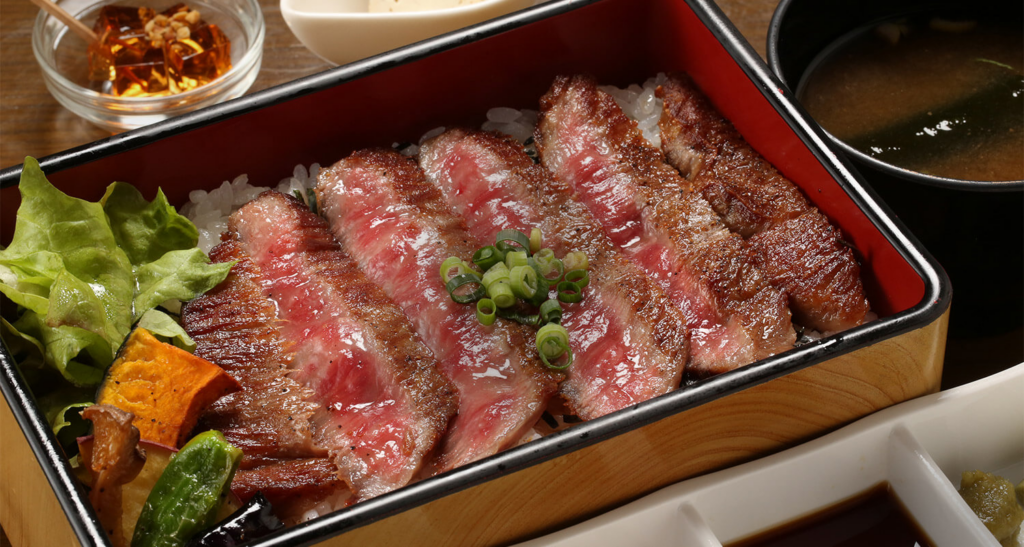
No visit to Hida Takayama Japan is complete without enjoying Hida Beef, the pride of the region and one of Japan’s most highly regarded wagyu brands. Known for its silky marbling and melt-in-your-mouth tenderness, Hida Beef can be enjoyed in a range of delicious forms.
A perfectly grilled steak highlights its pure flavor, while luxurious Hida beef sushi, sukiyaki, and shabu-shabu showcase its versatility in traditional cuisine. You can also enjoy it casually as skewers or croquettes while exploring the town. Paired with locally brewed sake, it becomes a truly exceptional culinary experience that stays with you long after your journey ends.
Summary
Beautiful Edo-era streets, meaningful historical sites, a vibrant local market, and culinary excellence—
Hida Takayama Japan offers all of these elements seamlessly in one extraordinary destination.
Step away from the rush of daily life and embrace the calm pace, genuine warmth, and deep traditions of this mountain town. A trip to Hida Takayama is more than a getaway—it’s a memorable journey into the heart of authentic Japan.