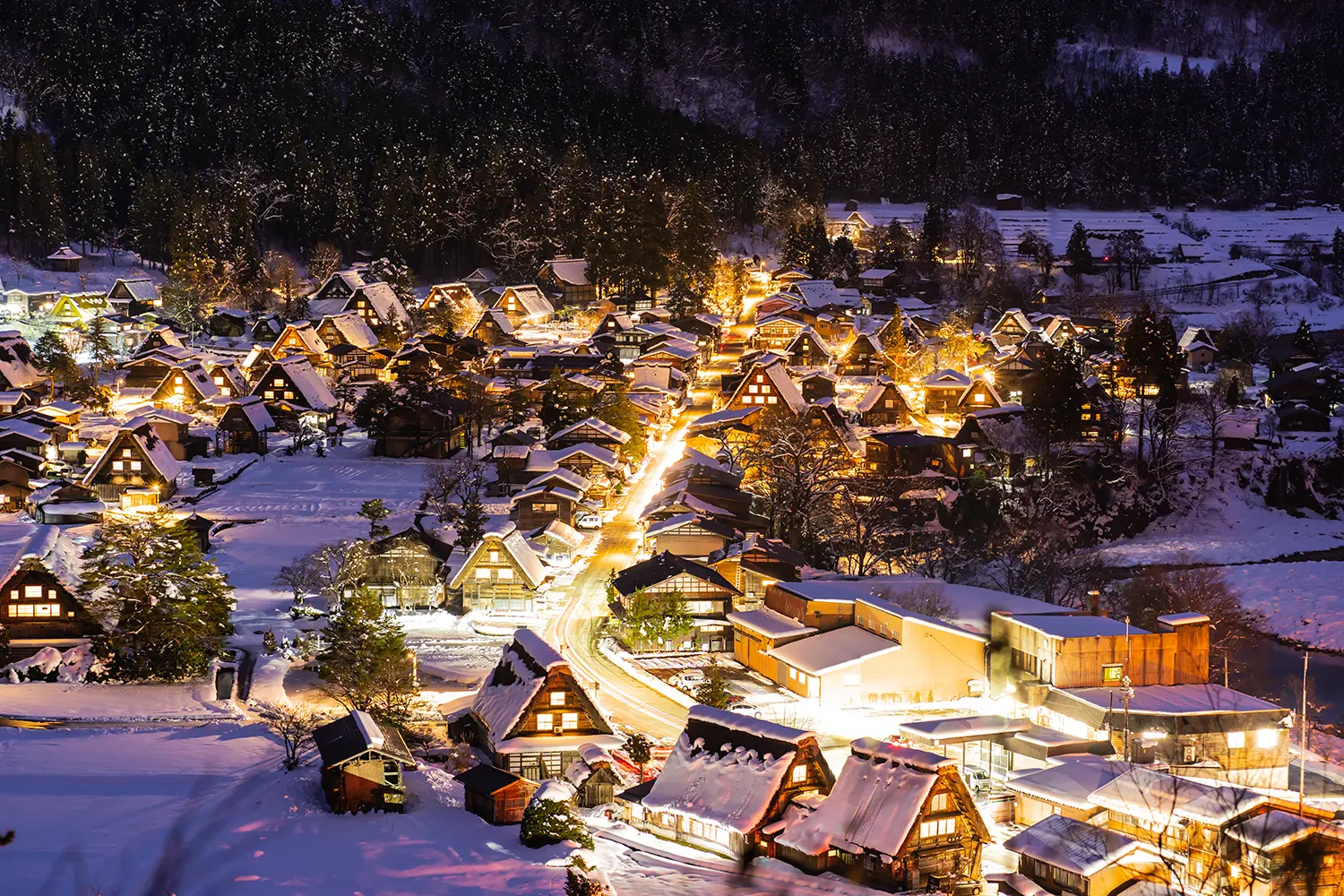
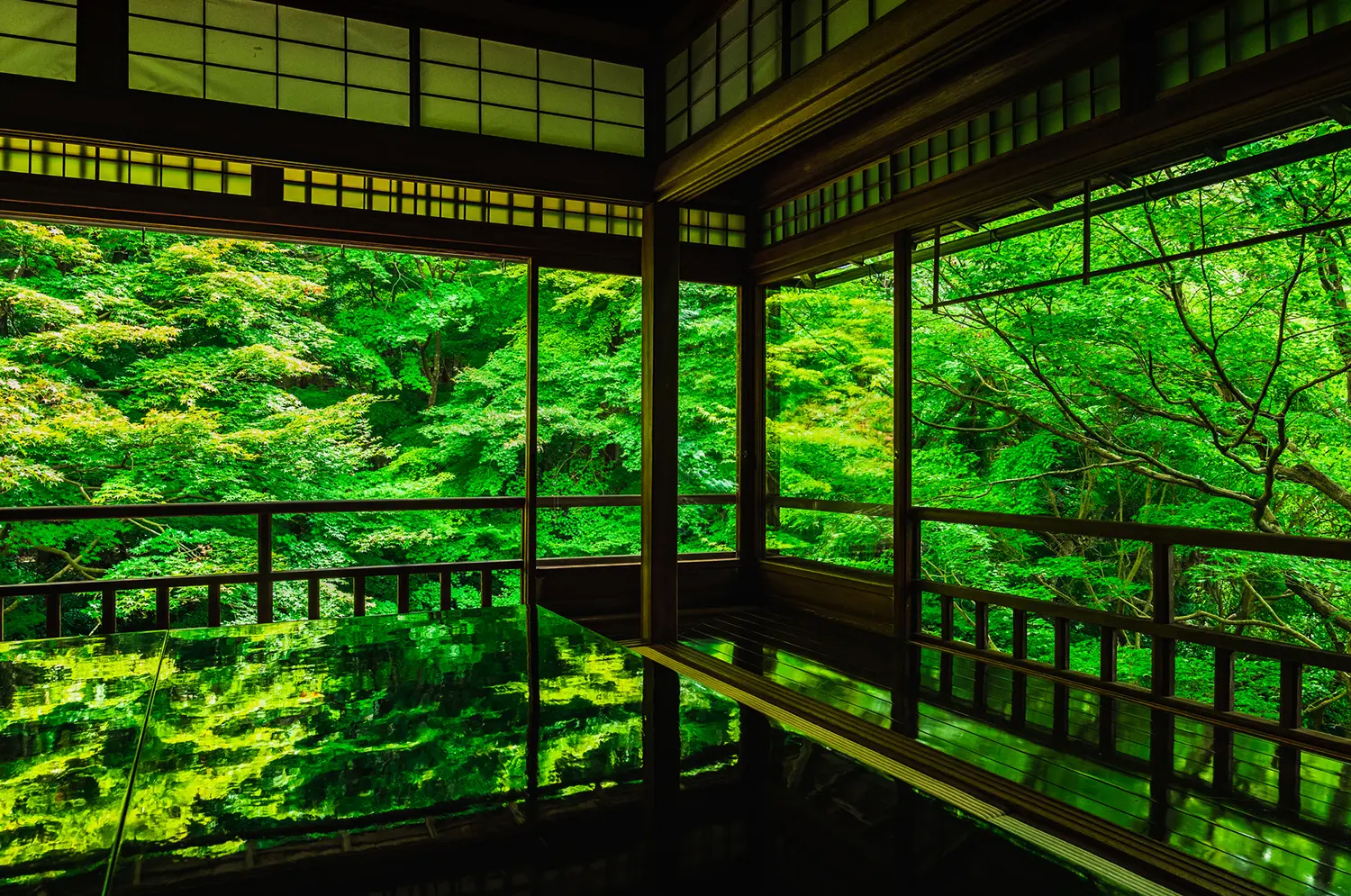
Gujo Hachiman Japan: A Historic Castle Town Enriched by Crystal-Clear Flowing Waters
Located in Gifu Prefecture, Gujo Hachiman Japan is a charming castle town known for its crystal-clear water, deep cultural traditions, and well-preserved historical scenery. Here are four memorable experiences that capture the true appeal of this beautiful destination.
1.Stroll Through the Historic Old Town Streets
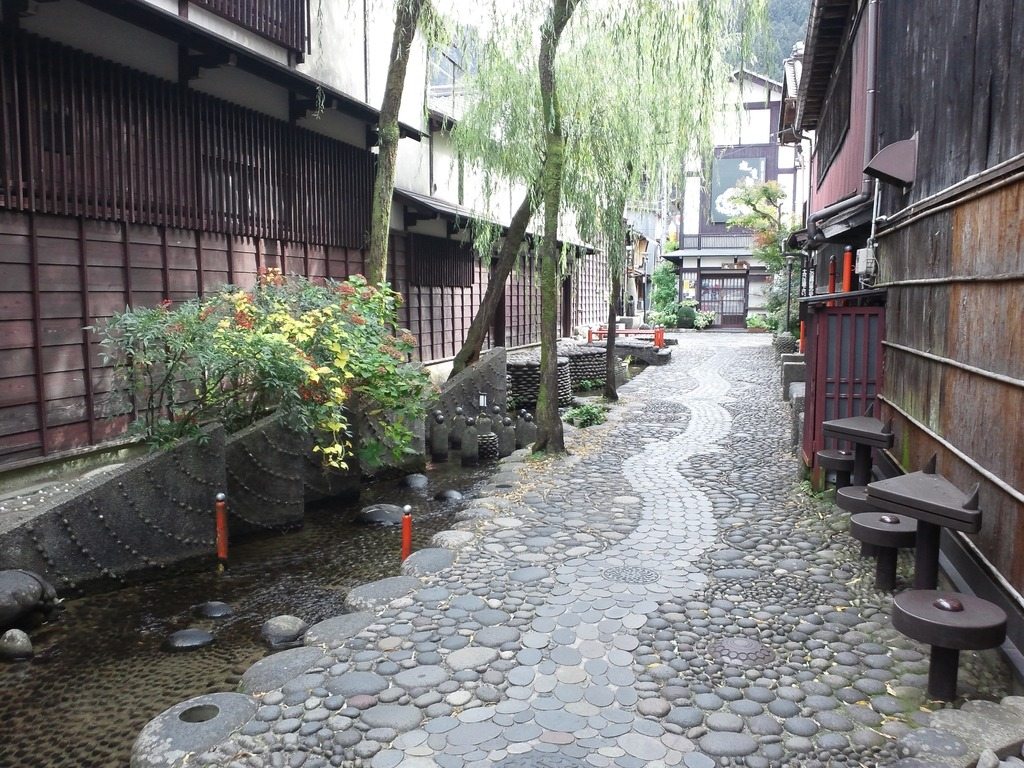
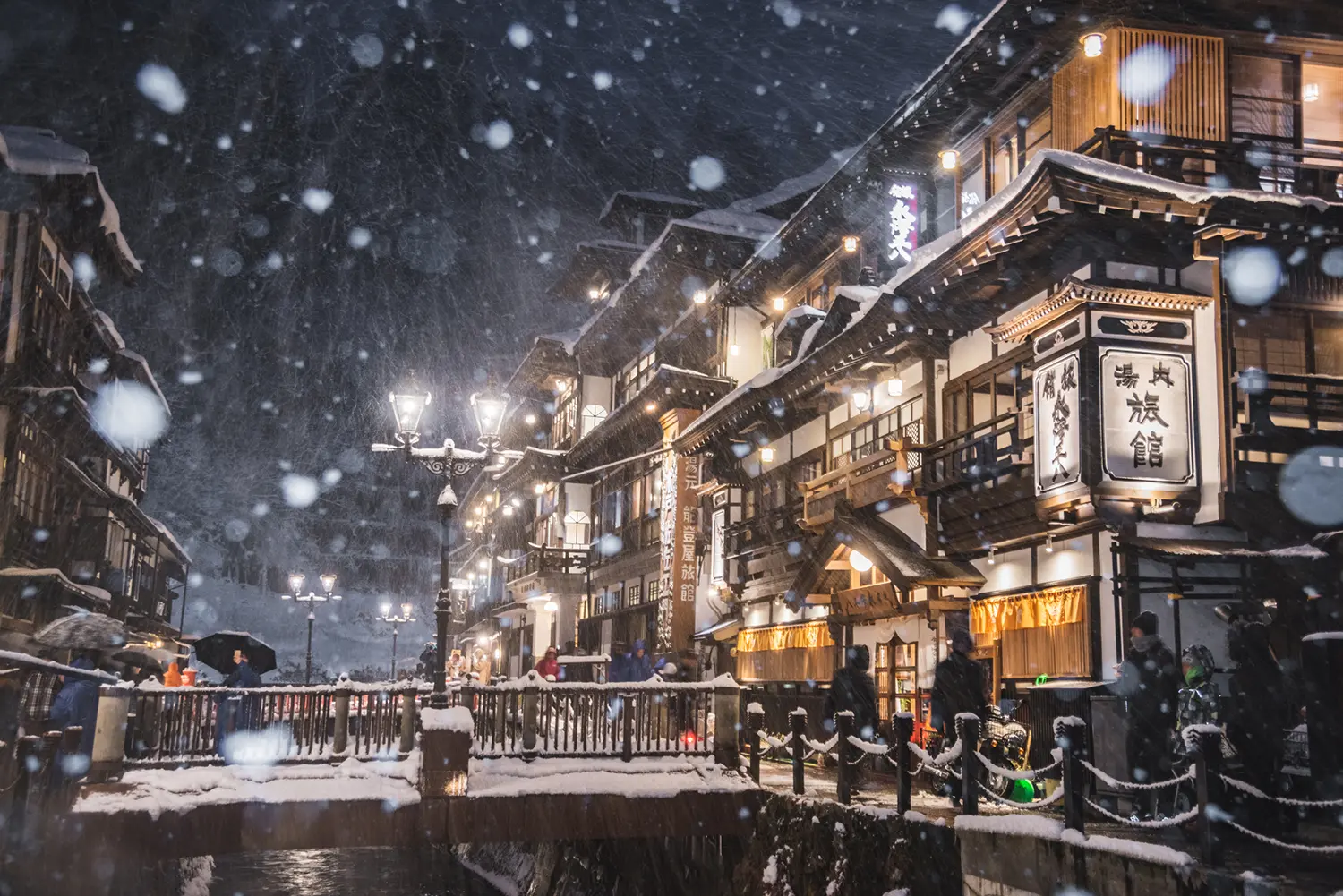
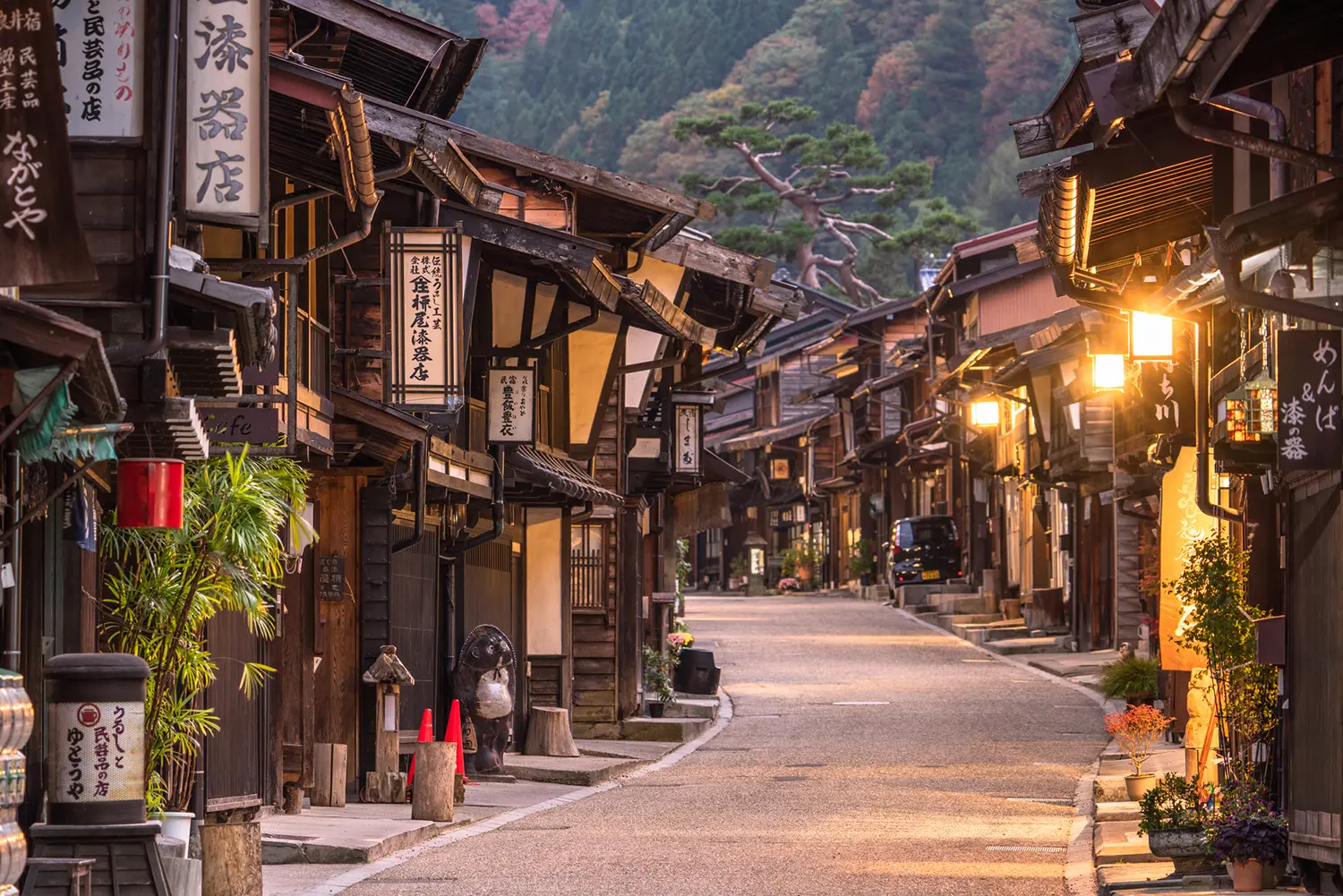
The heart of Gujo Hachiman features a beautifully preserved townscape that evokes the Edo period. Wooden merchant houses line the streets, and small waterways flow gently throughout the neighborhood, creating a nostalgic and calming atmosphere.
A walk through the Yanaka-mizu Water Lane reveals narrow paths and fresh spring water that perfectly complement a relaxing photo stroll. In the traditional artisan district, you can discover long-established workshops and stores that continue to preserve local craftsmanship. When you visit Sogisui, a famous spring recognized among Japan’s Top 100 Waters, you’ll truly understand why Gujo Hachiman is celebrated as the “Town of Water.”
2.Join the Energetic Summer Tradition of Gujo Odori
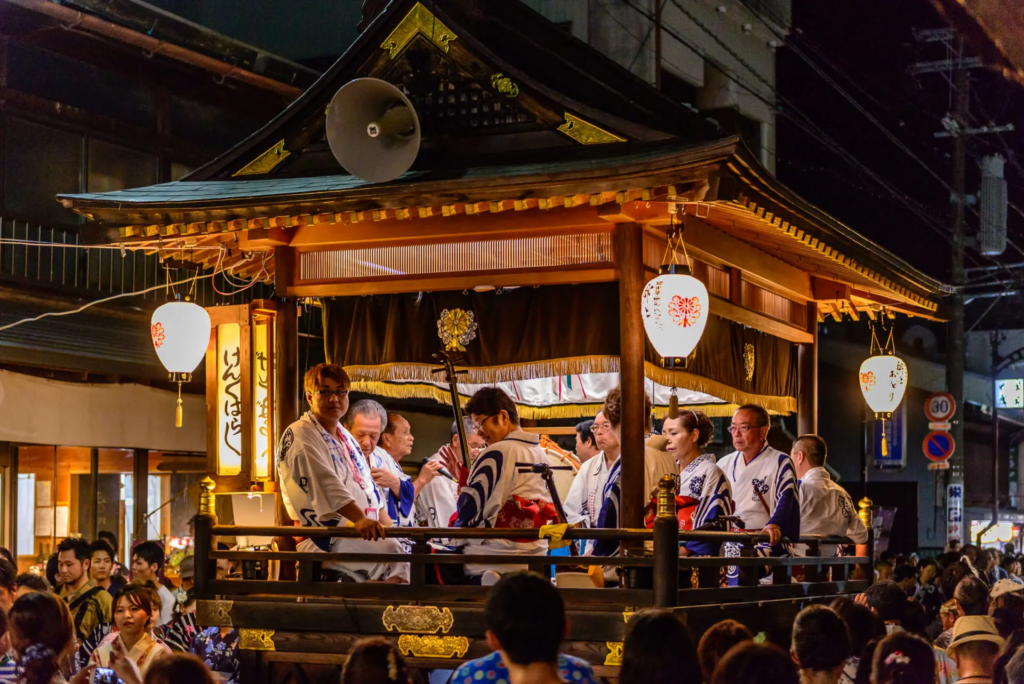
Gujo Hachiman is widely known for Gujo Odori, a traditional dance festival with a history of over 400 years. During summer, dancing fills the streets night after night, with both locals and travelers joining freely.
The highlight is Tetsuya Odori, when the dancing continues all night long until sunrise. The rhythmic beat of taiko drums and shamisen echoes through the town as participants wearing wooden geta clogs move together in a lively circle. No prior experience is required—simply follow the flow and let your body join the joyful movement. The excitement and unity of the festival make it an unforgettable cultural experience.
3.Enjoy a Scenic Journey on the Nagaragawa Railway
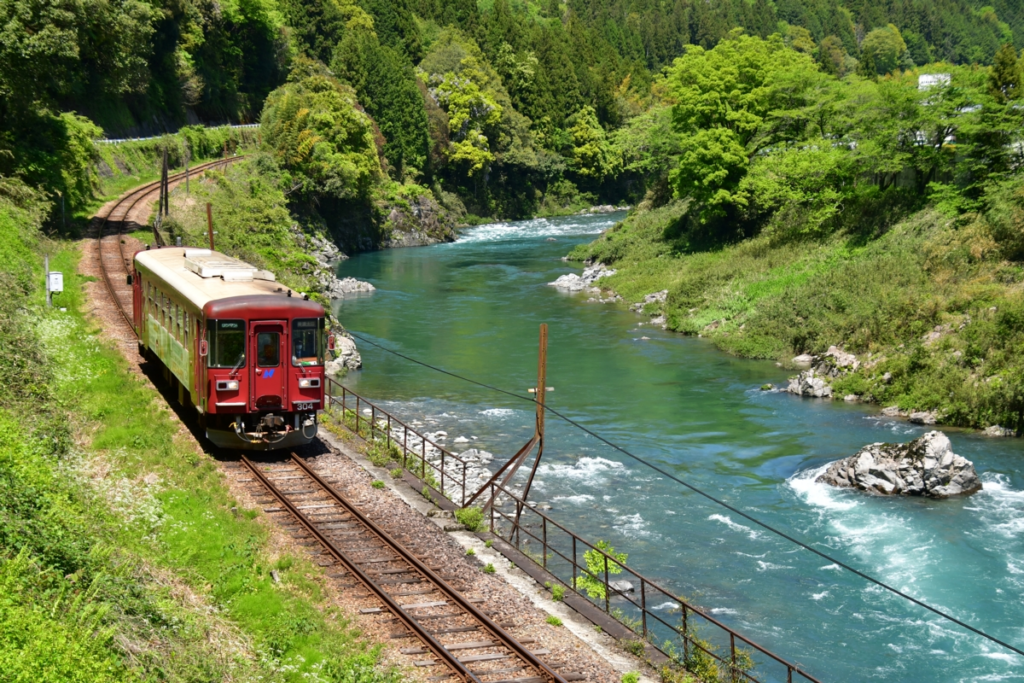
A ride on the Nagara River Railway offers one of the most relaxing ways to explore Gujo Hachiman. The train follows the clear waters of the Nagara River while the mountains and countryside stretch out beyond the windows, allowing you to enjoy a peaceful and picturesque view of rural Japan.
This railway provides a unique chance to experience local life outside of busy tourist hubs. When combined with sightseeing in the historic town center, it creates a perfectly balanced itinerary filled with slow-travel charm.
4.Create Your Own Food Sample — A Unique Souvenir Experience
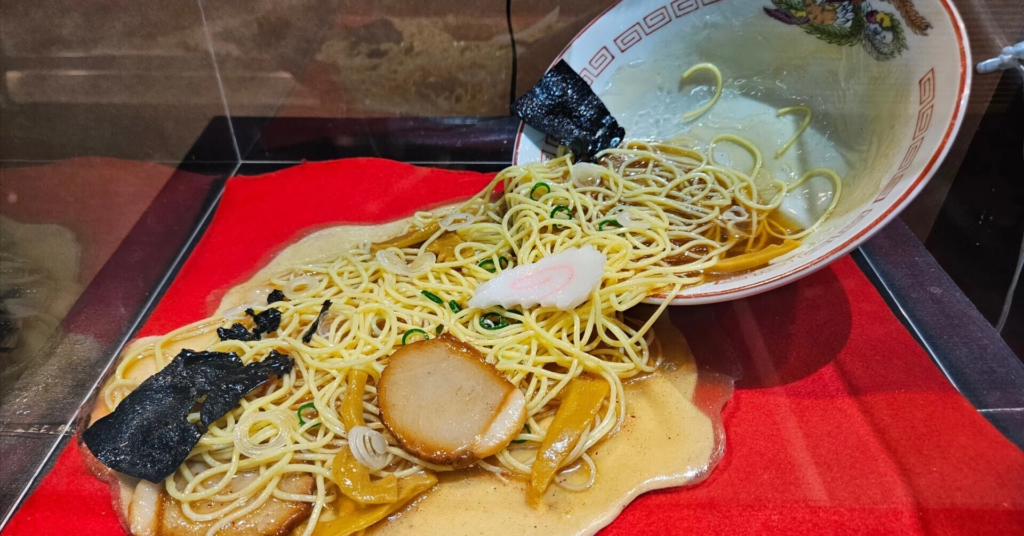
Gujo Hachiman is also known as the birthplace of Japan’s famous plastic food samples found in restaurant displays nationwide. Today, visitors can take part in hands-on workshops to create their very own realistic food model.
The moment you remove a shiny piece of tempura or crisp lettuce from the mold, you’ll be amazed by how realistic it looks. This enjoyable activity captivates adults and children alike and provides a truly one-of-a-kind souvenir to take home.
Summary
In Gujo Hachiman Japan, you can explore a historic townscape, join the energetic Gujo Odori, enjoy a scenic railway journey along the Nagara River, and create a unique food sample—experiences that can only be found here.
If you’re seeking Japan’s nostalgic countryside atmosphere and authentic cultural traditions, Gujo Hachiman offers a journey unlike any other. Take your time, embrace the slow pace of local life, and discover the charm that flows through this beautiful water town.
Next…
After exploring Gujo Hachiman, why not extend your journey to Hida Takayama Japan?👉
Step Into the Heart of Old Japan in Hida Takayama Japan
Gifu Prefecture lies in the center of Japan and offers a rich blend of culture, history, and breathtaking scenery. From the charming merchant streets of Takayama to the iconic thatched-roof houses of Shirakawa-go, Gifu Japan is an ideal destination for travelers looking to experience authentic Japan away from the major crowds.
Here are the top places to visit in Gifu to help you plan a memorable journey.
1.Historic Takayama Old Town & Miyagawa Morning Market
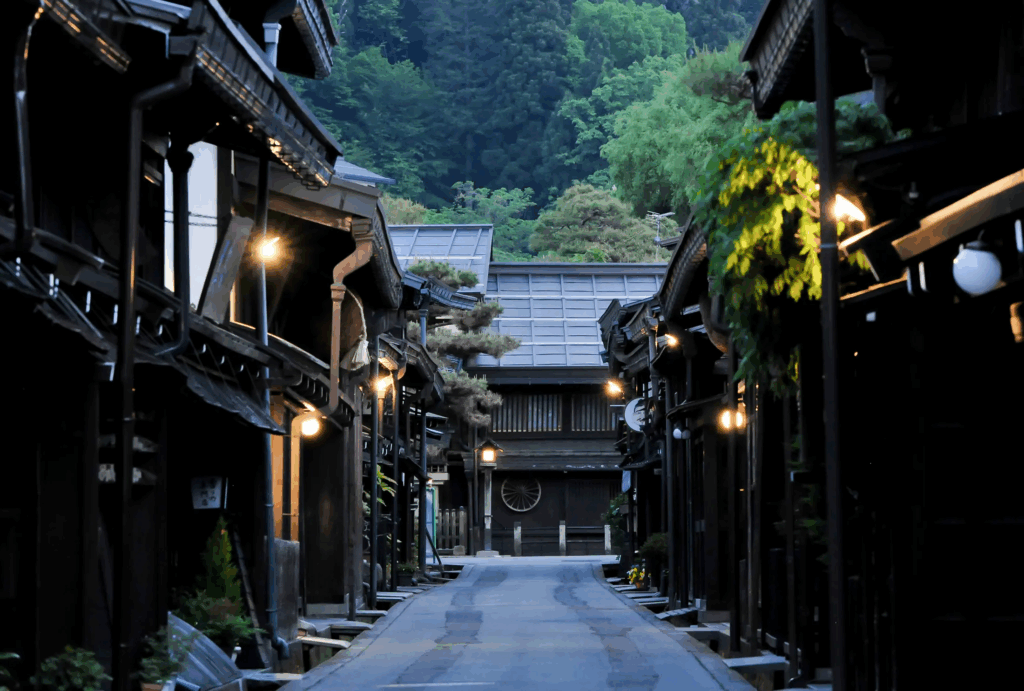
Takayama invites travelers into a world of beautifully preserved Edo-period architecture.
Stroll through Sanmachi Suji—lined with traditional sake breweries, craft shops, and wooden merchant houses—and taste local favorites like Hida beef skewers and Takayama ramen as you explore. In the early morning, Miyagawa Morning Market offers fresh produce, seasonal snacks, and charming artisanal goods, giving a lively start to your day in the Hida region.
2.Shirakawa-go: UNESCO World Heritage Village
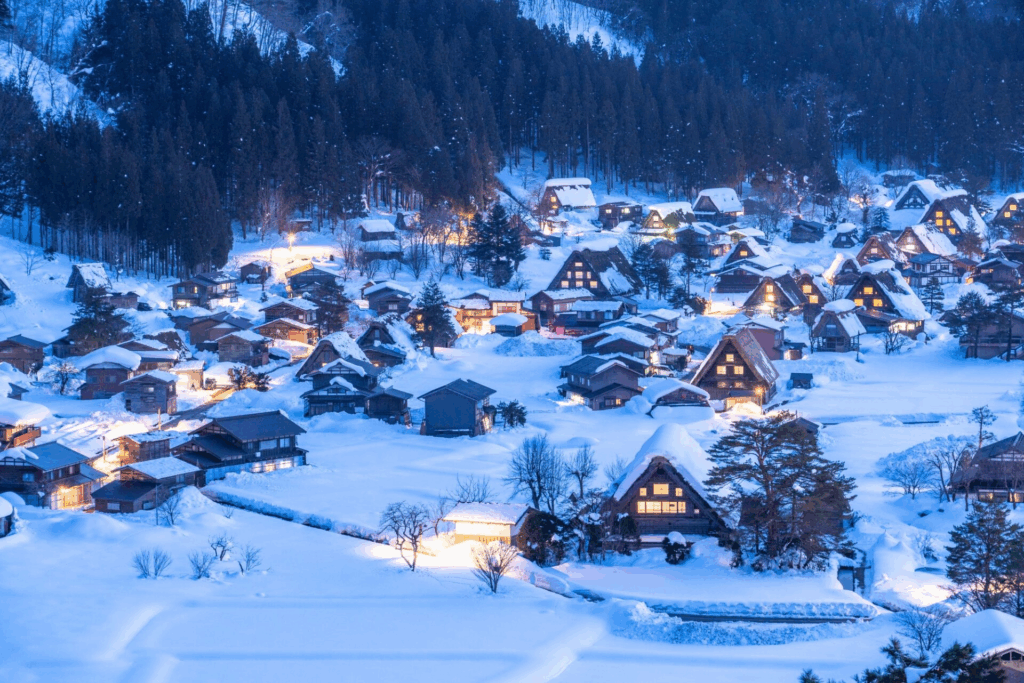
Surrounded by mountains and seasonal beauty, Shirakawa-go is famous for its gassho-zukuri houses with steeply pitched thatched roofs.
In winter, the village transforms into a magical snowscape, while in summer it shines with lush greenery. For the best panoramic photo, head up to the Shiroyama Viewpoint, where the entire village can be captured in a single frame. Shirakawa-go is easy to reach as a day trip from Takayama, making it a must-visit for world heritage lovers.
3.Gifu Castle & Mount Kinka Ropeway
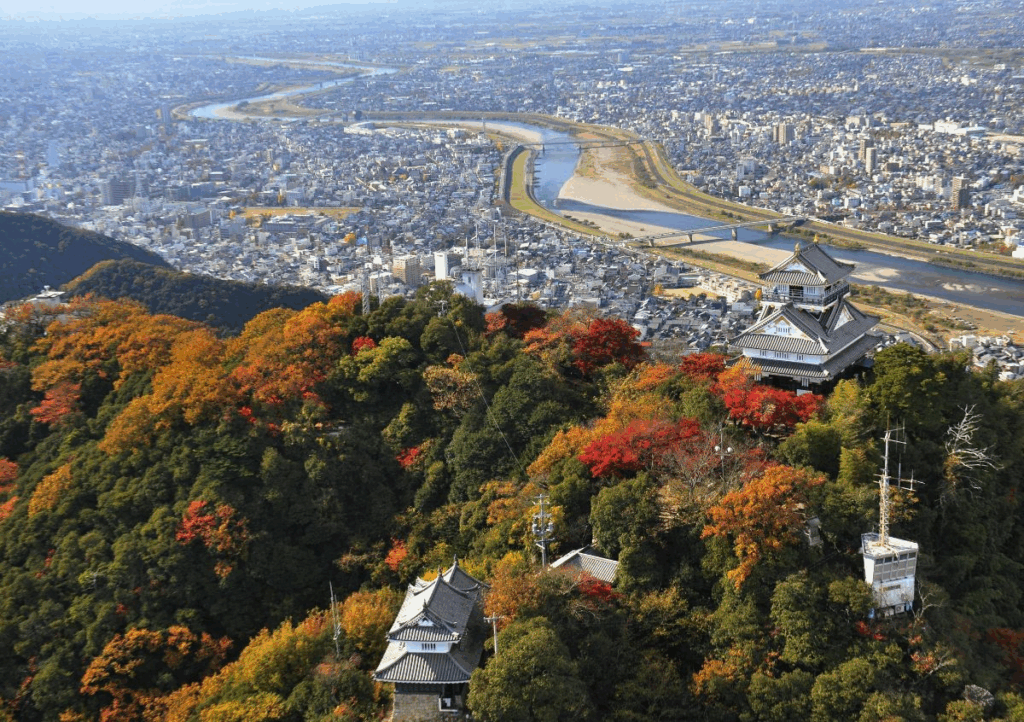
Standing proudly on Mount Kinka, Gifu Castle was once the stronghold of the legendary samurai warlord Oda Nobunaga.
A ropeway ride brings you to the summit, where sweeping views of the city and Nagara River stretch into the distance. Visit around sunset if possible—the castle illuminated by golden light creates an unforgettable scene and stunning photos.
4.Gujo Hachiman: Clear Canals & Traditional Streets
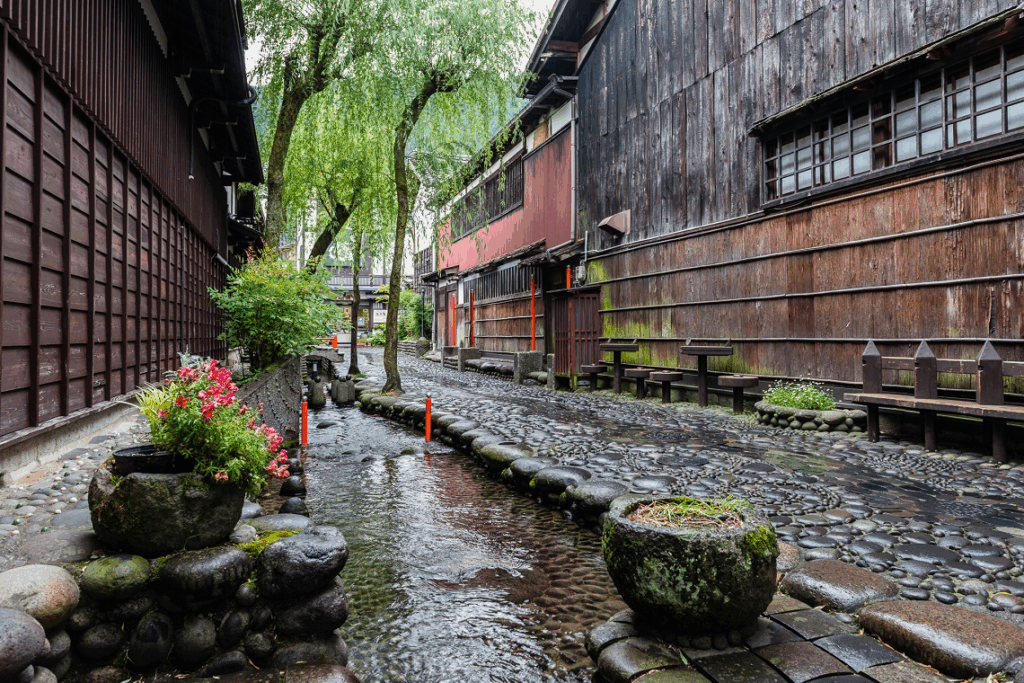
Known as the “Water City,” Gujo Hachiman is defined by its pristine waterways that run through the town alongside traditional houses and charming stone bridges.
Take a leisurely walk past the canals and enjoy the tranquil atmosphere. The town is also the birthplace of Japan’s fake food sample culture—hands-on workshops let you create your own realistic plastic dishes as souvenirs. In summer, the energetic Gujo Odori dance festival fills the streets, offering a vibrant look into local traditions.
5.Gero Onsen: One of Japan’s Best Hot Spring Towns
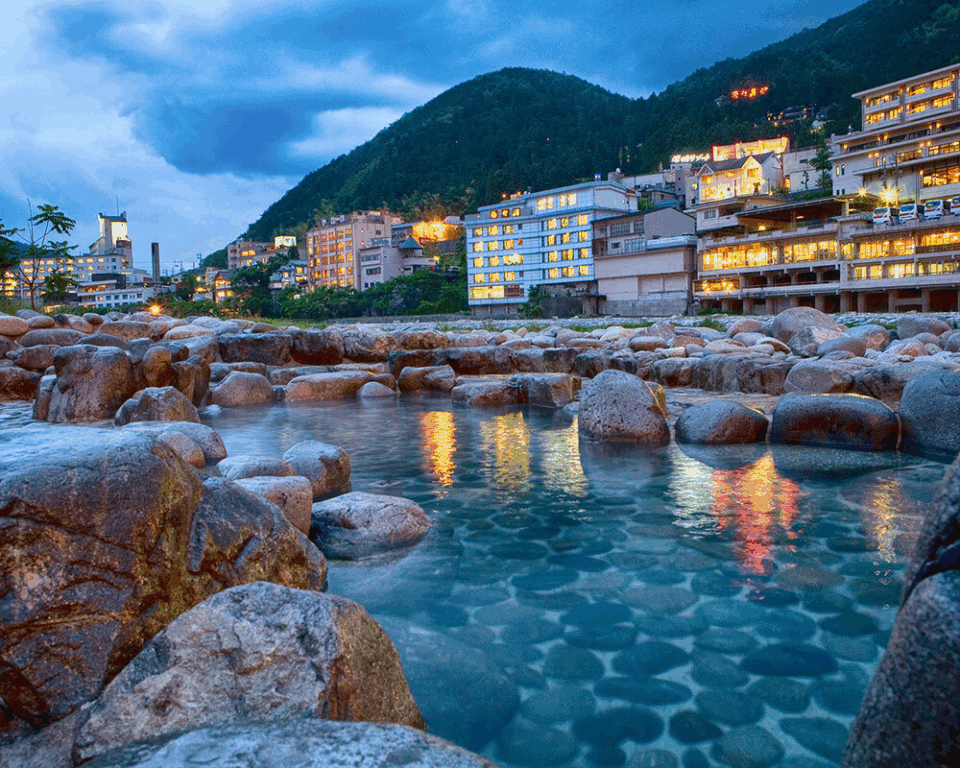
Recognized as one of Japan’s top three hot springs, Gero Onsen is beloved for its smooth, skin-nourishing waters.
After a scenic ride into the mountains, unwind in a traditional ryokan with open-air baths, or enjoy casual public footbaths scattered around town. The gentle river flowing beside the hot spring streets enhances the relaxing atmosphere, especially on cool evenings.
6.Magome & Tsumago on the Nakasendo Trail
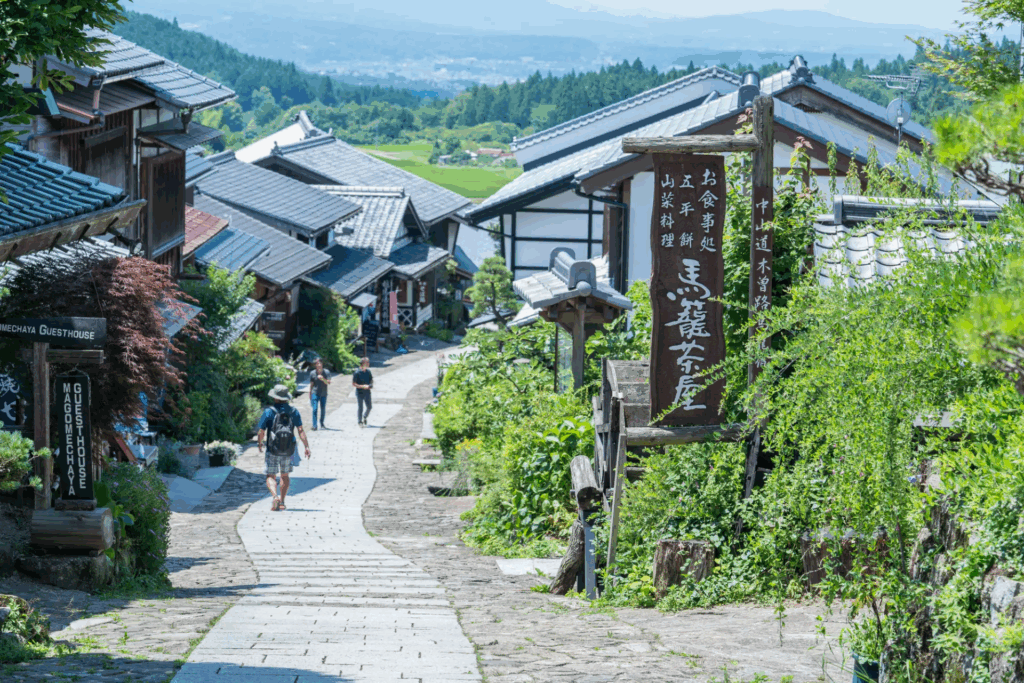
If you want to step into Japan’s history, explore Magome and Tsumago, two beautifully preserved post towns on the ancient Nakasendo Trail.
A scenic 8-km hiking route connects the towns, leading you through quiet forests, charming tea houses, and rustic countryside views. With stone-paved streets and wooden inns unchanged for centuries, this journey offers a true taste of Japan’s past—and is accessible even for casual hikers.
Why Visit Gifu Japan?
With its deep cultural roots, incredible scenery, and warm hospitality, Gifu Japan provides an enriching travel experience far from the usual tourist paths.
Convenient connections from Nagoya, Takayama, and Kanazawa make it an easy and rewarding addition to any Japan itinerary.
Whether you’re here for history, food, nature, or hot springs, Gifu promises adventures you’ll never forget.
Next…
Would you like to learn more about each town?👉
Gujo Hachiman Japan: A Historic Castle Town Enriched by Crystal-Clear Flowing Waters
Nestled at the northern foot of Mount Fuji, Fujikawaguchiko in Yamanashi Prefecture, Japan is one of the most scenic destinations for travelers who want to experience the beauty of Japan’s most iconic mountain. Surrounded by tranquil lakes, perfect photo spots, and a rich cultural heritage, this area offers a blend of nature and history that makes it ideal for both first-time visitors and seasoned explorers.
Here are the top 5 attractions in Fujikawaguchiko you shouldn’t miss:
1.Mt. Fuji Panoramic Ropeway
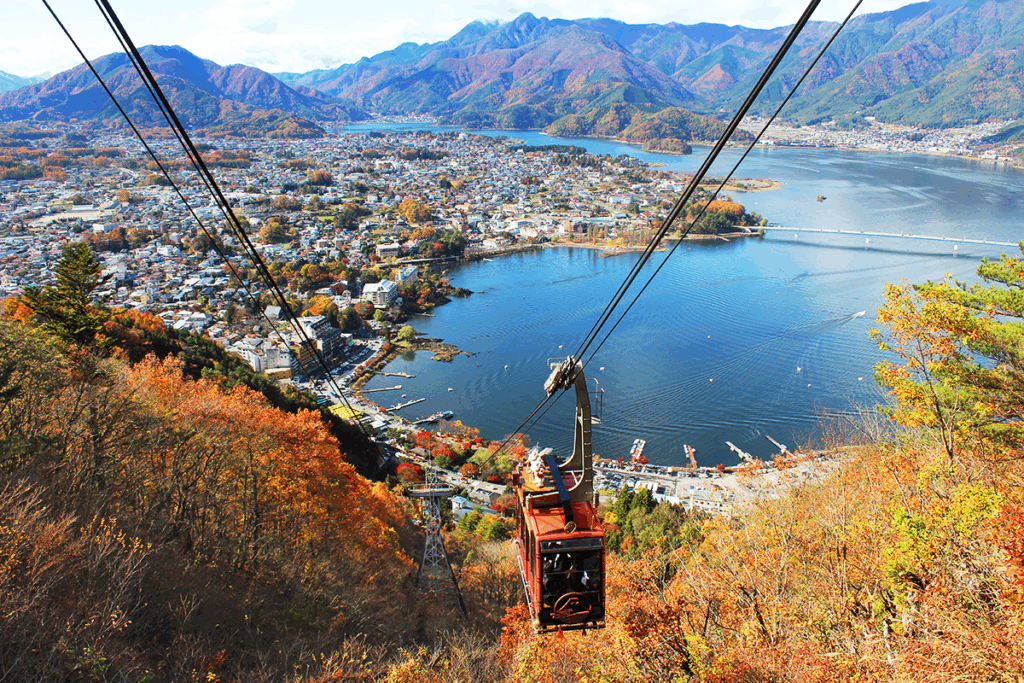
For an unforgettable bird’s-eye view of Lake Kawaguchi and Mount Fuji, take the Mt. Fuji Panoramic Ropeway. The gondola ride connects the lakeside to the summit of Mount Tenjo in just a few minutes, making it an easy and fun activity for all ages.
At the top, you’ll find scenic observation decks, walking trails, and charming spots inspired by the folklore of a mischievous rabbit and a raccoon dog. It’s also a recommended place to watch sunrise or capture the perfect Instagram shot.
2.Arakurayama Sengen Park
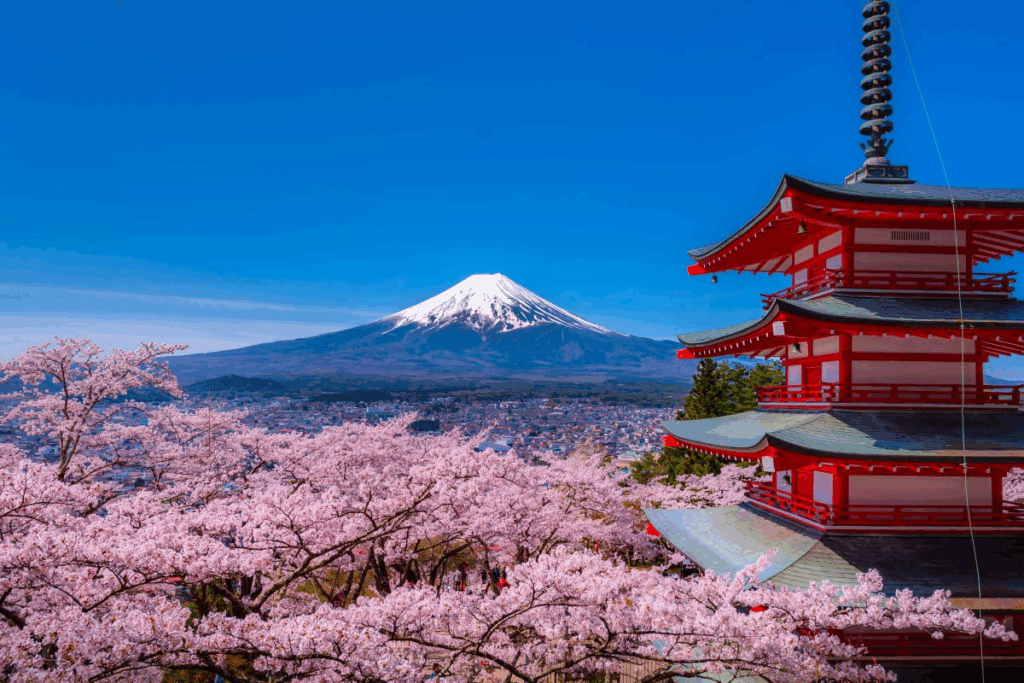
Arakurayama Sengen Park has become world-famous for its five-storied Chureito Pagoda, Mount Fuji, and cherry blossoms all captured in a single frame. This is one of the most iconic sights in all of Fujikawaguchiko, Yamanashi Prefecture, Japan.
More than 400 steps lead you to the observatory, but the breathtaking panorama is worth every step — especially during spring and autumn foliage season.
3.Nakanokura Pass Observation Point
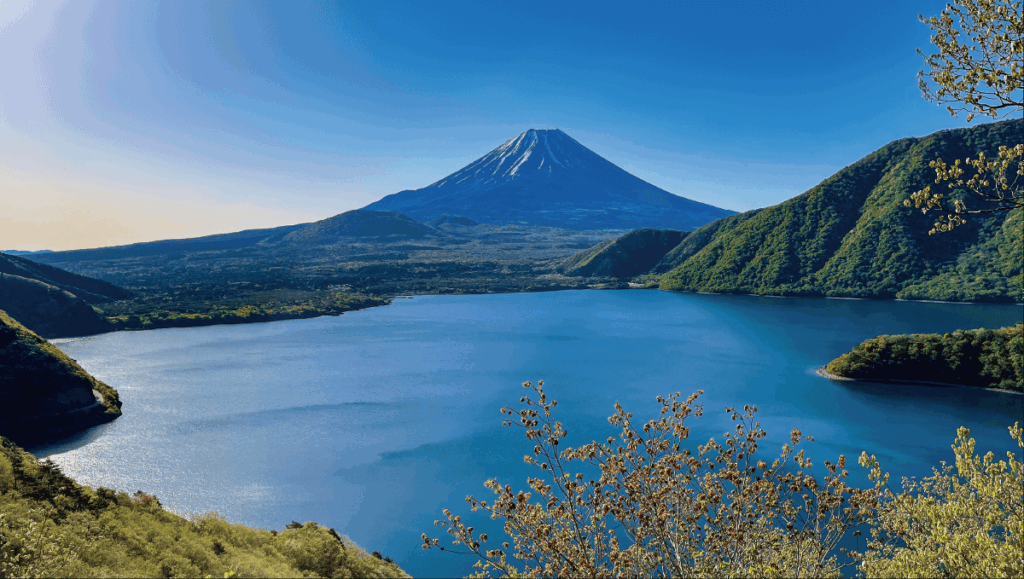
For travelers seeking a hidden gem, the Nakanokura Pass Observation Point delivers one of the most dynamic views of Mount Fuji and Lake Motosu. This is where the famous 1,000-yen banknote photo was taken — making it a must-visit for anyone who wants to see the real-life version of Japan’s currency landscape.
The hiking trail is moderately challenging, so comfortable shoes are recommended.
4.Mt. Fuji World Heritage Center, Yamanashi
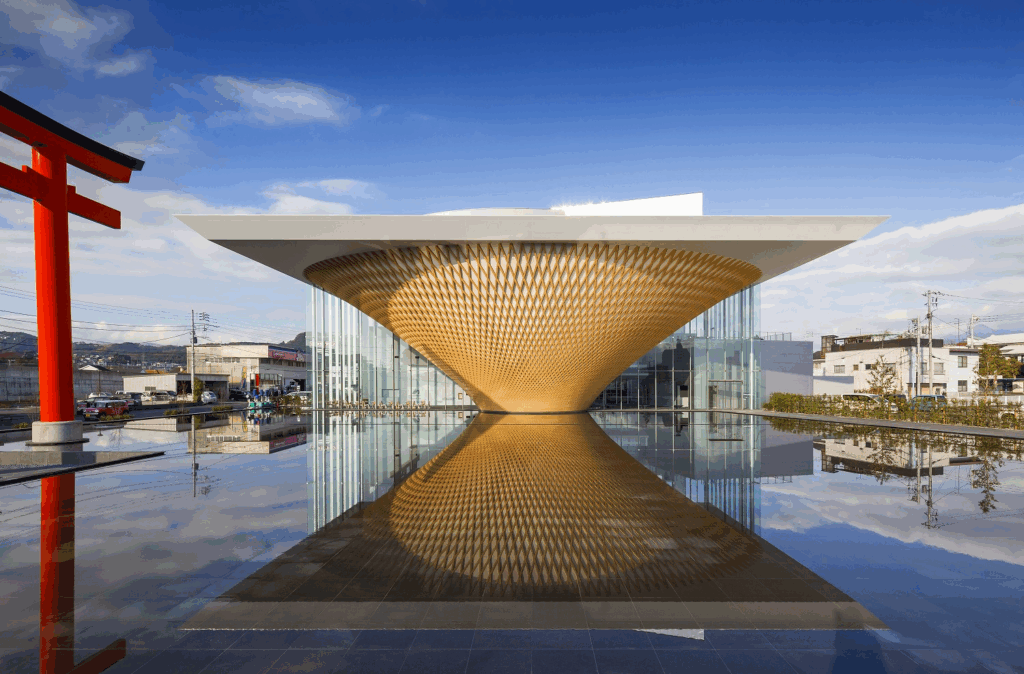
This cultural center helps visitors understand why Mount Fuji was registered as a UNESCO World Heritage Site. Through interactive exhibitions, art displays, and historical insights, you’ll learn how Japan’s sacred mountain has inspired religion, culture, and creativity for centuries.
The building itself is a standout architectural work shaped like an inverted Mount Fuji — perfect for stylish photos inside and outside.
5.Lake Kawaguchi Sightseeing Cruise “Appare”
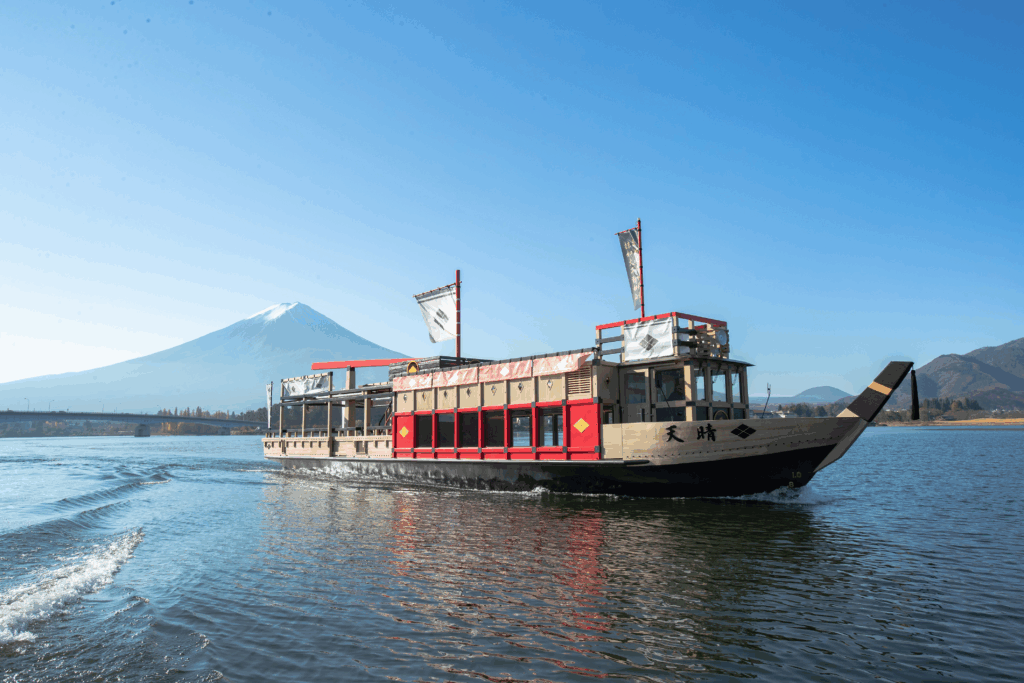
Sailing across Lake Kawaguchi aboard the sightseeing boat “Appare” offers another fantastic angle of Mount Fuji, especially if the weather is clear. Its traditional warrior-ship–inspired design adds a unique Japanese flair. The calm waters and crisp air provide a relaxing break between active sightseeing spots.
Why You Should Visit Fujikawaguchiko
From world-class viewpoints to immersive cultural facilities, Fujikawaguchiko in Yamanashi Prefecture, Japan provides travelers with a perfectly balanced trip. Whether you’re chasing the best Mount Fuji photo or simply enjoying lakeside relaxation, this region promises lifelong memories.
Recommended Travel Tips
・Best seasons: April–May (cherry blossoms), October–November (autumn leaves)
・Arrive early to avoid crowds at major viewpoints
・Keep your camera ready — Mount Fuji changes mood every hour!
Next…
After Fujikawaguchiko, discover Kofu—where history meets nature.
👉Kofu, Yamanashi Prefecture, Japan: Where History Meets Nature’s Beauty
Nestled on the picturesque Izu Peninsula in Shizuoka Prefecture, Atami offers a captivating escape that blends natural splendor with rich cultural experiences. This vibrant coastal city has long been a beloved destination for Japanese travelers and is increasingly drawing international visitors seeking an authentic slice of Japan. From its legendary hot springs to its sun-drenched beaches and stunning panoramic views, Atami presents a compelling array of reasons to explore its charm. Here are some recommended activities and attractions to help you get the most out of your visit to Atami.
1.Relax in Atami’s Famous Onsen Hot Springs
Atami is synonymous with its rich onsen culture, boasting a history of hot spring bathing dating back over 1,200 years. The city’s volcanic origins bless it with abundant, high-quality thermal waters renowned for their therapeutic properties.
1.Public Onsen and Ryokan Experiences
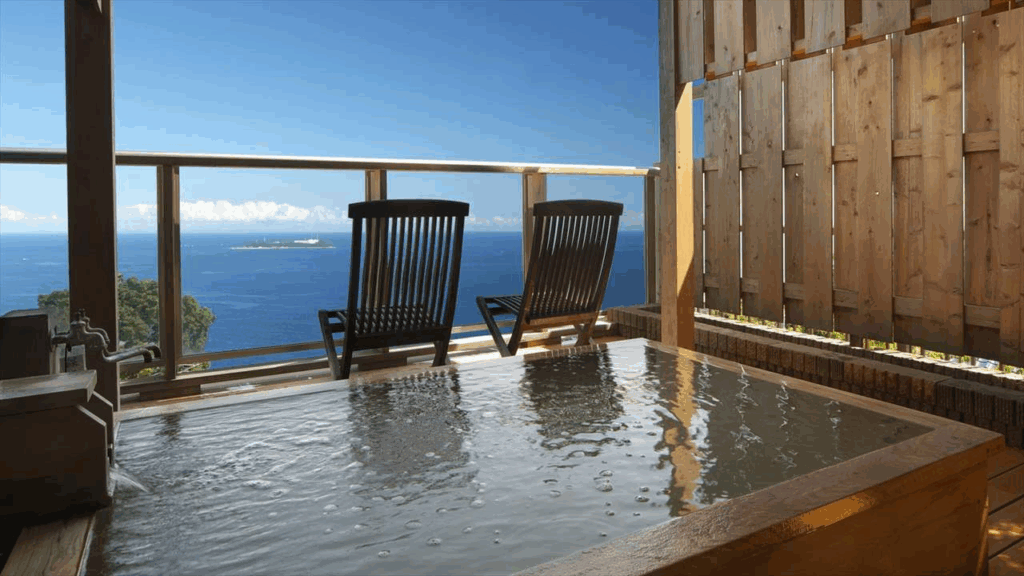
Whether you’re looking for a quick dip or an overnight stay, Atami’s onsen scene has you covered. Many traditional ryokans offer exquisite private and public baths, often with stunning ocean views, as part of a luxurious stay that includes multi-course kaiseki dinners. For day-trippers, numerous public onsen facilities provide accessible options to experience the healing waters without an overnight commitment. These often include various types of baths, saunas, and relaxation areas.
2.Unique Onsen Experiences
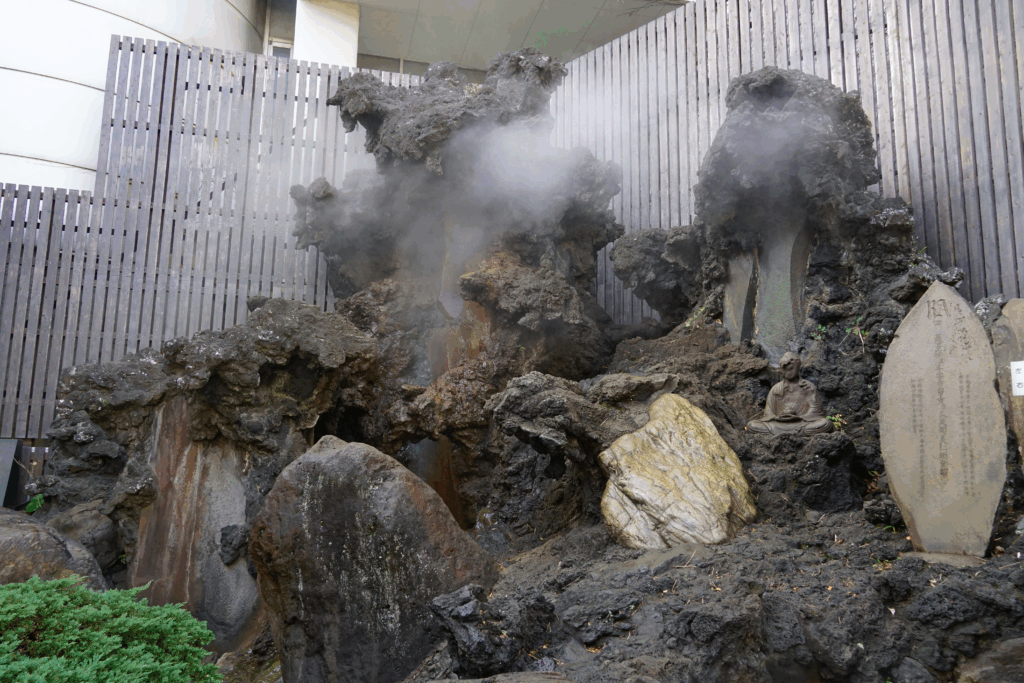
Beyond the traditional, Atami also offers unique onsen attractions. Don’t miss the Oyu Kanketsu-sen, a designated national natural monument which is a geyser that erupts periodically, showcasing the raw power of Atami’s geothermal activity. While not for bathing, it’s a fascinating display of the source of the city’s hot springs. Some establishments also feature footbaths (ashiyu) in public areas, perfect for a quick, relaxing break while exploring the city.
2.Enjoy the Sun at Atami’s Beaches
With its picturesque coastline, Atami is also a popular destination for beach lovers, especially during the warmer months.
1.Atami Sun Beach

Located conveniently close to Atami Station, Atami Sun Beach is the city’s most iconic stretch of sand. It’s a man-made beach with calm waters, making it ideal for families with children. During summer, the beach comes alive with swimming, sunbathing, and various marine activities. In the evenings, the beach is beautifully illuminated, creating a romantic atmosphere perfect for strolls.
2.Nagahama Beach
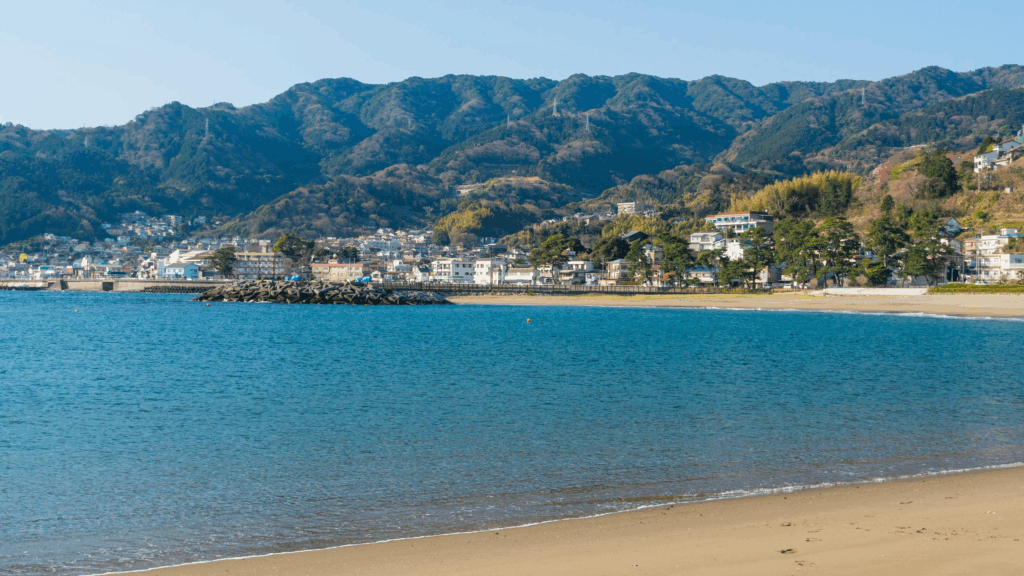
A bit further south from the city center, Nagahama Beach offers a more laid-back atmosphere. This sandy beach is also family-friendly and is known for its gentle waves and clear waters. It’s a great spot for swimming, picnicking, and enjoying the scenic coastal views away from the main crowds.
3.Explore Atami’s Scenic Spots
Beyond its onsen and beaches, Atami is home to several cultural and natural attractions that offer breathtaking views and enriching experiences.
1.MOA Museum of Art

Perched on a hillside, the MOA Museum of Art (Museum of Art, Atami) boasts an impressive collection of Japanese and East Asian art, including national treasures and important cultural properties. Its stunning architecture and meticulously maintained gardens are equally captivating, offering panoramic views of Atami Bay and the Izu Peninsula. The museum also features a traditional tea house and Noh theater.
2.Atami Castle and Panoramic Views
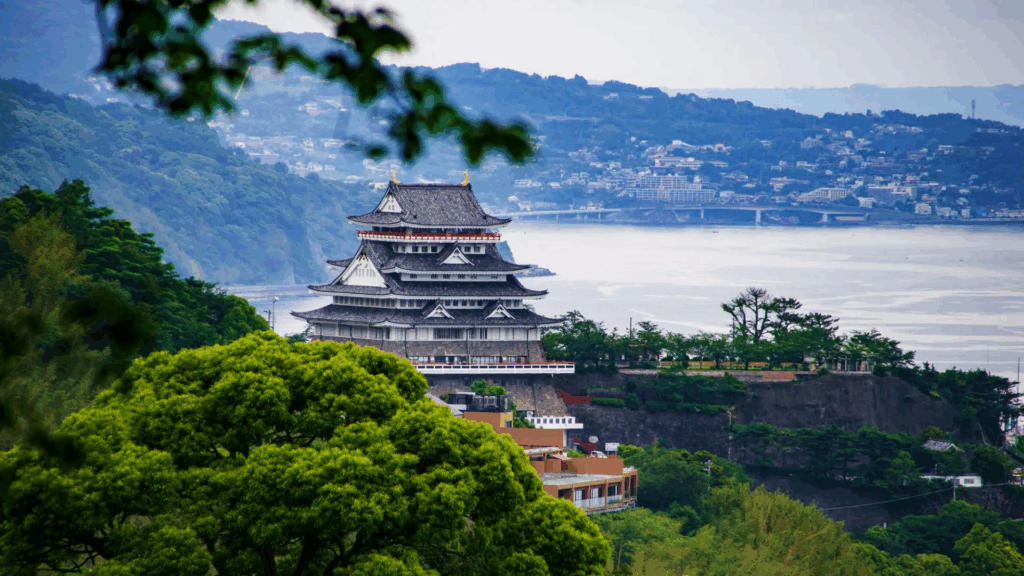
While a modern reconstruction, Atami Castle offers unparalleled panoramic views of the city, Sagami Bay, and Hatsushima Island from its observation deck. Inside, visitors can explore various exhibits, including a samurai museum and a ukiyo-e (woodblock print) gallery. The castle grounds are also a popular spot for cherry blossom viewing in spring.
3.Kinomiya Shrine
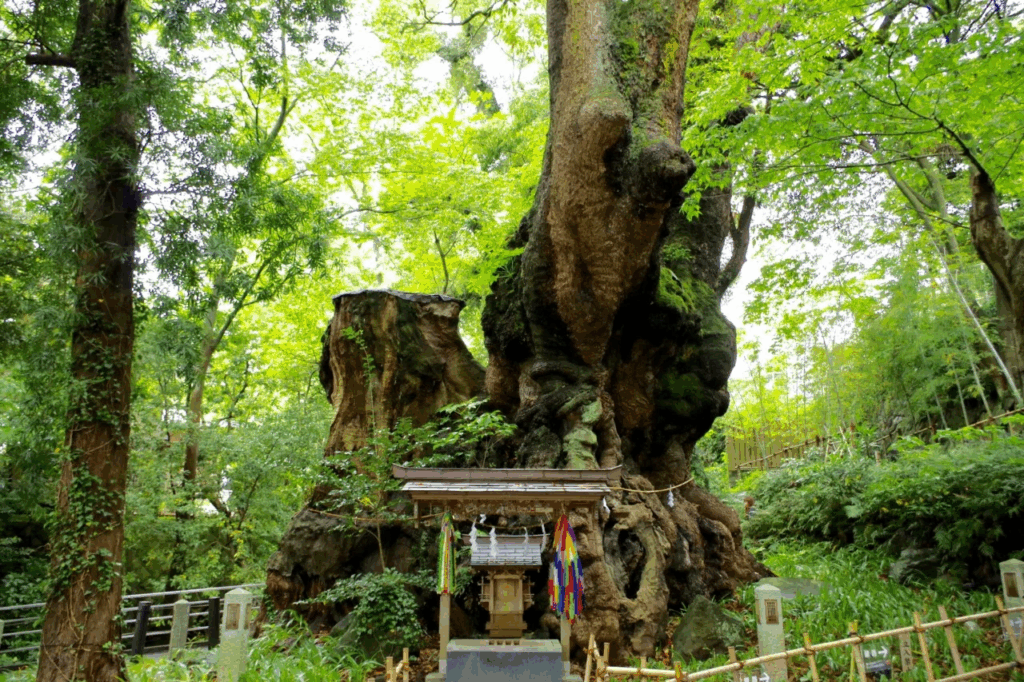
One of Atami’s most revered spiritual sites, Kinomiya Shrine is famous for its massive sacred camphor tree (Okusu), estimated to be over 2,000 years old. This ancient tree is a designated national natural monument and is believed to grant wishes and longevity. The shrine offers a serene escape and a glimpse into Japan’s spiritual heritage.
4.Atami Fireworks Festival

The Atami Fireworks Festival is a spectacular event held multiple times throughout the year, captivating visitors with its grand scale and unique setting. The fireworks are launched from Atami Bay, creating stunning reflections on the water and echoing dramatically due to the surrounding mountains, enhancing the sensory experience. It’s one of Japan’s most famous fireworks displays, drawing large crowds.
Create Unforgettable Memories in Atami
Whether you’re soaking in rejuvenating hot springs, relaxing by the sparkling coastline, or discovering breathtaking views and rich cultural heritage, Atami offers a perfect blend of experiences in one charming destination. With its excellent accessibility from Tokyo, it’s ideal for anything from a quick day trip to an extended getaway. Each season brings a new and beautiful side of the city, ensuring that every visit offers fresh discoveries. Plan your journey to Atami and enjoy a truly memorable travel experience—one that will stay with you long after you return home.
The Kumano Kodo, nestled in the spiritual heartland of the Kii Peninsula, Japan, offers more than just a hike; it’s a profound journey through ancient forests, sacred mountains, and serene villages. As one of only two pilgrimage routes in the world designated as a UNESCO World Heritage site (the other being the Camino de Santiago), the Kumano Kodo invites modern-day travelers to follow in the footsteps of emperors, samurai, and commoners who have walked these paths for over a millennium. This sacred network of trails leads to the revered Kumano Sanzan – the Three Grand Shrines of Kumano – offering a unique blend of physical challenge, cultural immersion, and spiritual reflection.
The Spiritual Significance of Kumano Kodo
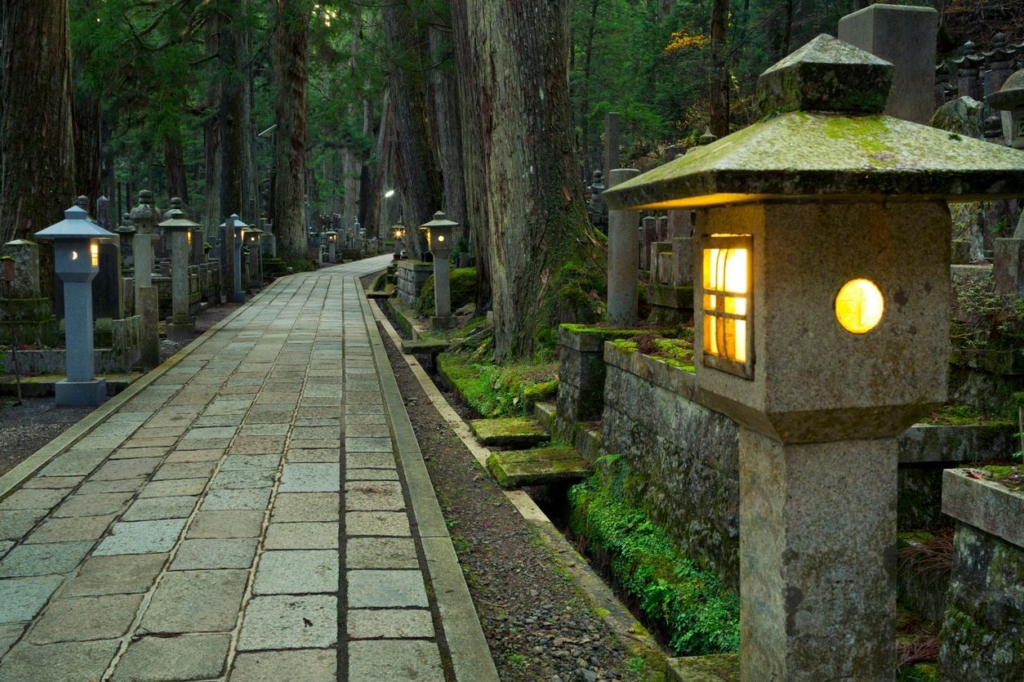
At its core, the Kumano Kodo is a testament to Japan’s deeply rooted spiritual traditions. The pilgrimage routes are interwoven with the beliefs of Shintoism, Japan’s indigenous religion, and Buddhism, which arrived from the Asian mainland. This unique fusion, known as Shinbutsu-shūgō, or the syncretism of Shinto and Buddhism, is vividly expressed throughout the Kumano region. Pilgrims historically embarked on this journey seeking purification, healing, and enlightenment, believing that the deities of Kumano could grant salvation in this life and the next.
The entire Kii Peninsula, particularly the Kumano region, has long been revered as a sacred power spot, a place where nature itself is considered divine. The dense cedar forests, cascading waterfalls, and mist-shrouded peaks evoke a sense of awe and reverence, making the act of walking a meditative experience. The journey is often seen as a metaphor for life itself, with its challenges, moments of beauty, and ultimate destination – a spiritual rebirth at the Grand Shrines. This profound connection to nature and spirituality continues to draw countless individuals seeking a deeper meaning in their travels.
A Brief History of the Kumano Kodo
The history of the Kumano Kodo pilgrimage stretches back over 1200 years, making it one of Japan’s oldest and most revered spiritual paths. Its origins lie in ancient animistic beliefs, where specific natural features like mountains and waterfalls were worshipped as manifestations of deities. With the arrival of Buddhism, these indigenous beliefs gradually merged, forming the unique syncretic practices that define Kumano.
The routes gained prominence during the Heian period (794-1185), when Japanese emperors and imperial court nobles from Kyoto began undertaking arduous pilgrimages to Kumano. These imperial processions, sometimes involving hundreds of people, solidified the Kumano Kodo’s status as a major pilgrimage destination. Over subsequent centuries, the pilgrimage became accessible to all social classes, from samurai to commoners, earning Kumano the moniker “Ants’ Kumano Pilgrimage” (Ari-no-Kumano-mode) due to the sheer number of people flocking to the shrines.
The Kumano Kodo experienced a decline in popularity following the Meiji Restoration in 1868, which mandated the separation of Shinto and Buddhism. However, in recent decades, there has been a significant revival of interest, both locally and internationally. This resurgence culminated in 2004 when the “Sacred Sites and Pilgrimage Routes in the Kii Mountain Range” – including the Kumano Kodo – were inscribed as a UNESCO World Heritage site. This designation brought renewed attention to the historical and spiritual significance of these ancient trails, preserving them for future generations to experience. For more information on the UNESCO designation, you can visit the UNESCO World Heritage Centre website.
The Main Routes of the Kumano Kodo
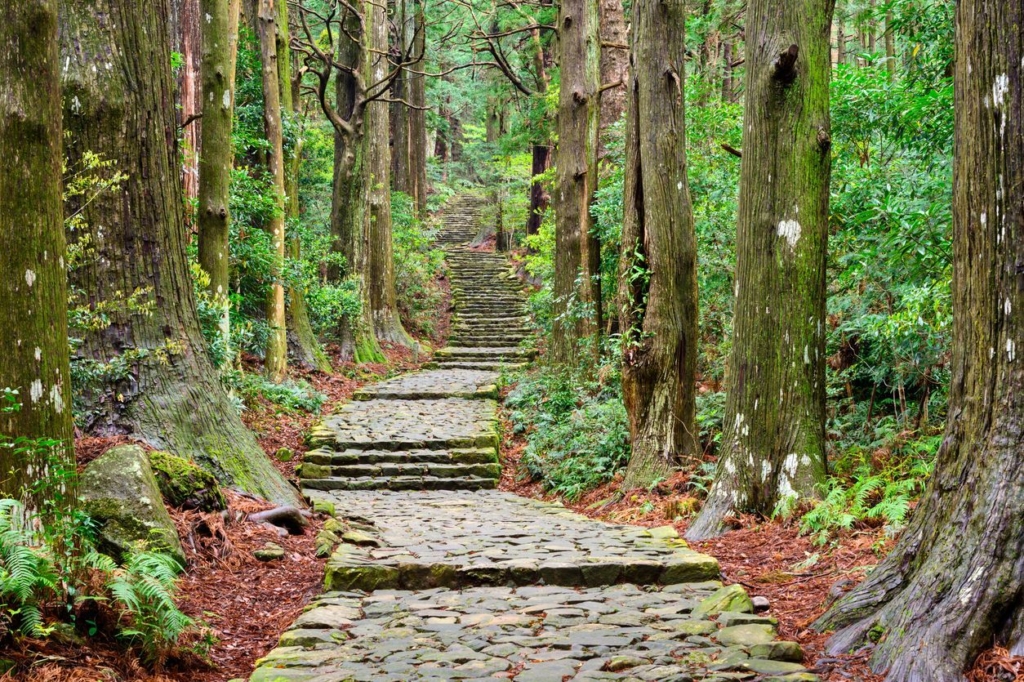
The Kumano Kodo is not a single trail but a vast network of ancient pilgrimage routes crisscrossing the mountainous Kii Peninsula. These UNESCO World Heritage-listed pilgrimage routes have been trodden by emperors, aristocrats, and commoners for over a millennium, leading to the sacred Kumano Sanzan (Three Grand Shrines of Kumano). Understanding the different routes is key to planning your journey, as each offers a unique experience in terms of difficulty, scenery, and historical immersion.
Nakahechi: The Classic Kumano Kodo Experience
The Nakahechi route is by far the most popular and well-maintained route, making it ideal for first-time pilgrims and those seeking a balanced trekking experience. Historically, this was the imperial route, traversed by emperors and their retinues from Kyoto. It offers excellent infrastructure, including clear signage, frequent rest stops, and a good selection of accommodation options. The Nakahechi typically starts from Tanabe City on the west coast, with the official trailhead at Takijiri-oji. It winds through picturesque mountains and traditional villages before reaching the Kumano Sanzan.
Kohechi: For Experienced Hikers
The Kohechi route is a challenging, mountainous route connecting the Kumano Sanzan with the sacred Buddhist monastic complex of Koyasan, another UNESCO World Heritage site. This trail is significantly more demanding than the Nakahechi, featuring steep ascents and descents over three mountain passes exceeding 1,000 meters in elevation. It is a remote trail with fewer services and accommodations, requiring excellent physical fitness, strong navigation skills, and self-sufficiency. Pilgrims typically take 4-5 days to complete the Kohechi, experiencing a profound sense of isolation and wilderness.
Iseji and Other Kumano Kodo Trails
While Nakahechi and Kohechi are the most frequently trekked, other historically significant routes also form part of the Kumano Kodo network:
- Iseji: This route connects the Ise Grand Shrine in Mie Prefecture with the Kumano Sanzan. It features a diverse landscape, including beautiful coastal sections, bamboo groves, and stone-paved passes. While less mountainous than Nakahechi or Kohechi, it is still a multi-day trek that offers a different perspective on the pilgrimage, often with fewer fellow hikers.
- Ohechi: Running along the coast of the Kii Peninsula, the Ohechi route offers stunning ocean views but is less developed for modern trekkers and can be challenging due to overgrown sections and limited facilities.
- Omine Okugake: This is an extremely rigorous and remote ascetic training route connecting Yoshino and Kumano. It is not recommended for casual hikers and is primarily used by Yamabushi (mountain ascetics).
The diverse nature of these trails underscores the historical breadth and spiritual depth of the Kumano Kodo pilgrimage, offering options for every level of hiker, from casual explorers to seasoned adventurers. For a comprehensive overview of the UNESCO World Heritage designation, visit: UNESCO World Heritage Centre.
A Journey of Renewal on the Kumano Kodo in Japan
Walking the Kumano Kodo in Japan is more than a hike—it is a transformative pilgrimage that invites travelers to slow down, reconnect with nature, and rediscover inner clarity. The Kumano Kodo trail Japan, shaped by over a thousand years of footsteps, guides you through ancient forests, sacred shrines, and quiet mountain villages, offering a rare balance of physical challenge and spiritual reflection.
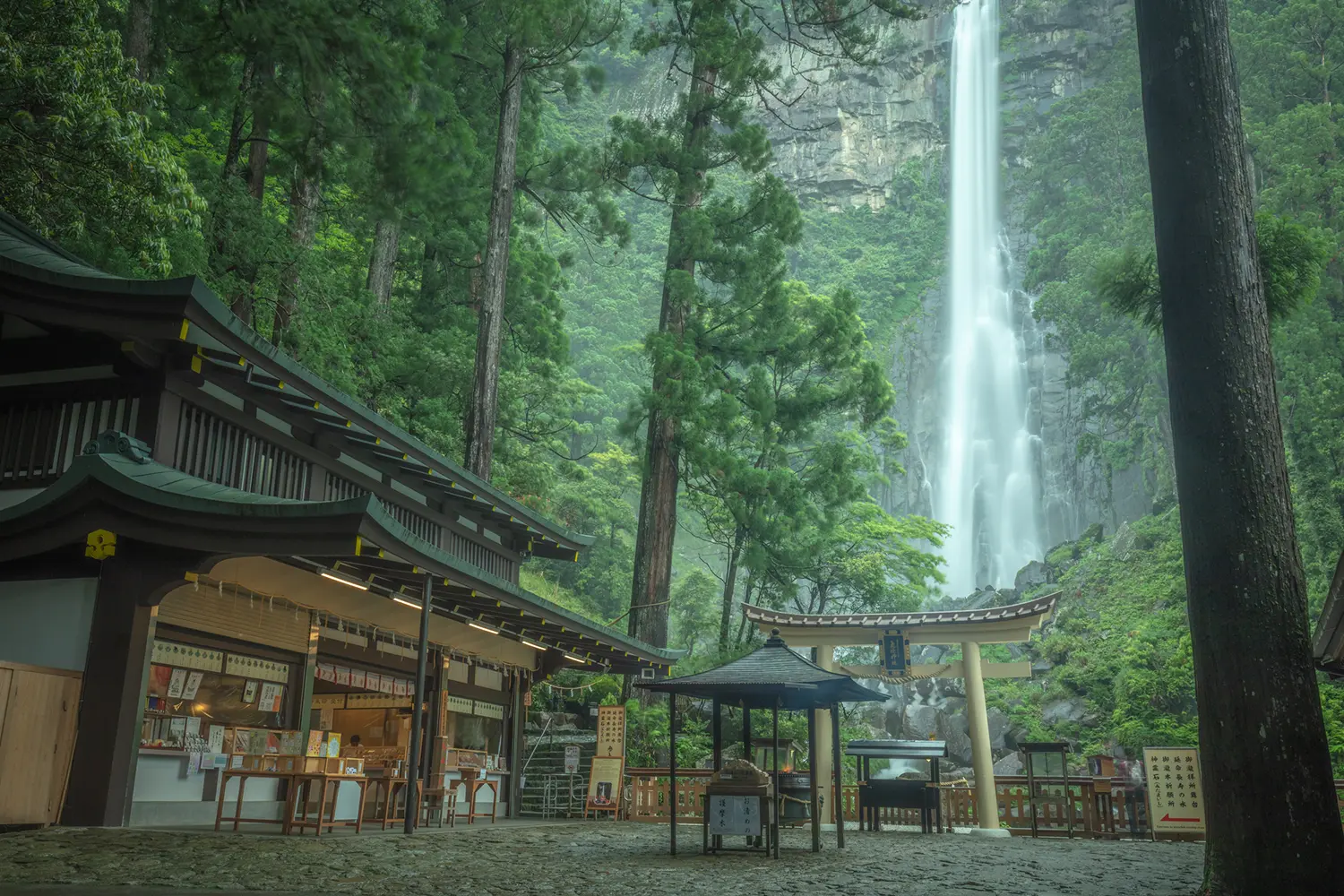
What makes this trail unique is its power to change those who walk it. The rhythm of steady steps, the scent of cedar, the silence of mist-covered peaks, and the presence of history beneath your feet create a profound sense of perspective. Standing before Hongu Taisha’s immense torii gate or gazing at Nachi Falls, many realize that the true destination was the inner journey all along.
In a fast and noisy world, the Kumano Kodo in Japan offers stillness, meaning, and renewal. Whether you choose a short section or a multi-day trek on the Kumano Kodo trail Japan, what matters is not distance, but intention.
Take the first step—this ancient path has been waiting for you.
Wakayama Shi Japan is one of the many cities within Wakayama Prefecture, known for its mild climate, beautiful ocean views, and its rich culture shaped by its history as a port town. While the southern region of the prefecture is home to the world-famous UNESCO World Heritage site Kumano Kodo, a sacred pilgrimage route for more than a thousand years, Wakayama Shi offers a completely different type of charm—where the sea and a historic castle coexist, fresh seafood can be enjoyed at vibrant local markets, and visitors can explore mysterious islands full of adventure.
Despite being located just one hour from Osaka, Wakayama Shi remains relatively undiscovered by many travelers, making it an ideal destination for those seeking authentic Japanese culture and unique, off-the-beaten-path adventures. Here are three must-visit attractions in Wakayama Shi.
1.Wakayama Castle — The Symbol of Wakayama Shi
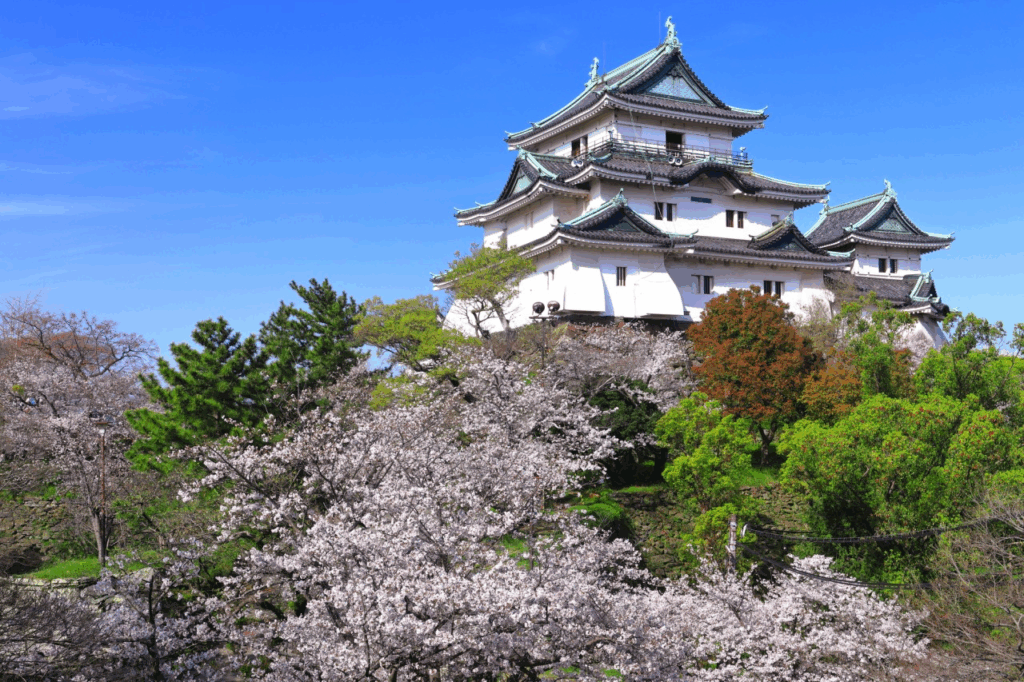
Wakayama Castle is the most iconic historical landmark in Wakayama Shi, originally built in 1585 by the legendary samurai leader Toyotomi Hideyoshi. During the Edo period, it served as an important base for the Tokugawa clan and remains one of Japan’s most culturally significant castles.
Visitors can climb to the main keep and enjoy sweeping panoramic views of the city, beautiful gardens, and cherry blossoms in spring. It is considered one of the top cherry-blossom viewing spots in Kansai.
2.Kuroshio Market — The Best Seafood Experience in Wakayama Shi
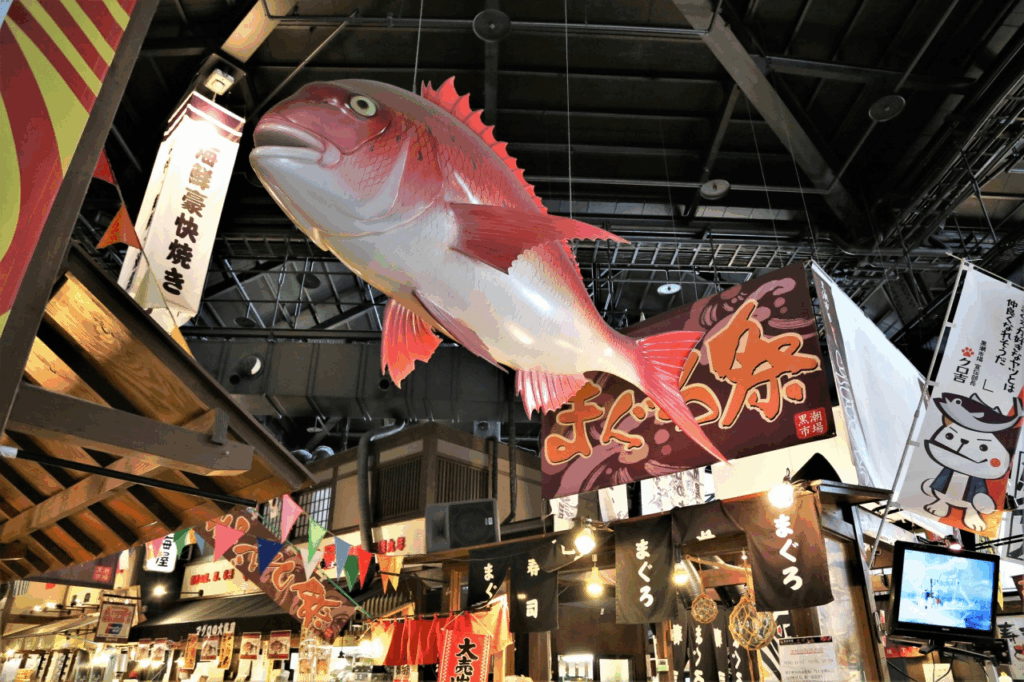
Located on Marina City island, Kuroshio Market is a must-visit destination for food lovers traveling to Wakayama Shi. The market is famous for its powerful tuna-cutting show, performed three times daily, showcasing traditional Japanese fish-filleting techniques.
Visitors can enjoy freshly prepared sushi, grilled seafood, Kaisendon rice bowls, and regional gourmet specialties, making it one of the most popular culinary attractions in Wakayama Shi.
3.Tomogashima Island — A Real-Life Laputa-Like World
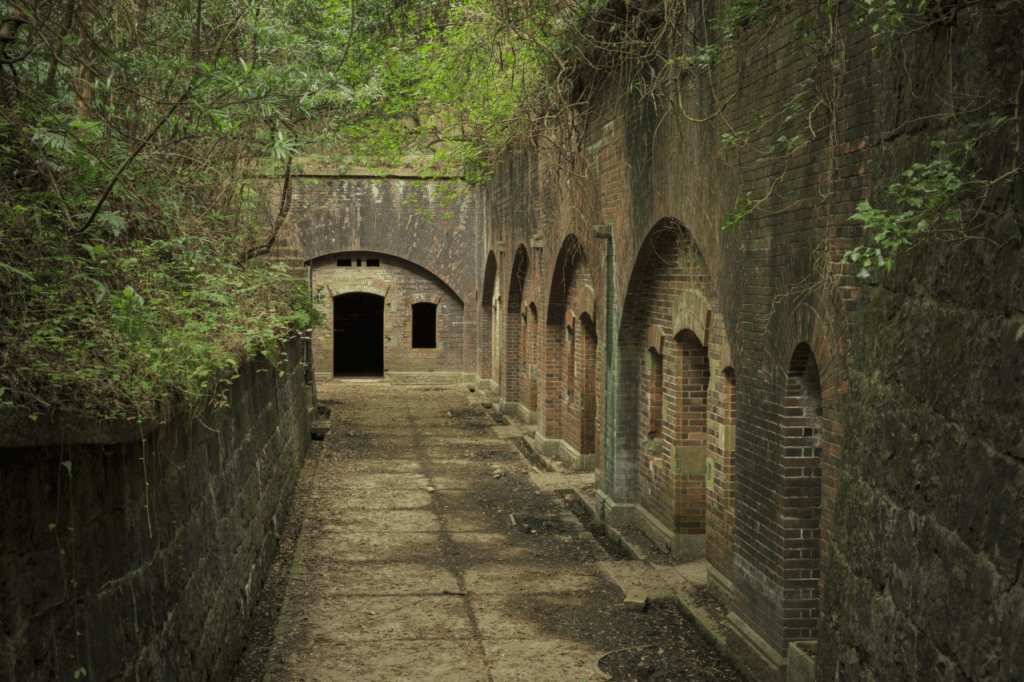
For adventure seekers, Tomogashima Island is one of the most unforgettable places in Wakayama Shi Japan. Accessible by ferry from Kada Port, the island features mysterious abandoned military fortresses, brick tunnels covered with moss, and quiet forest paths.
Many visitors say Tomogashima feels like stepping into the world of Studio Ghibli’s famous film “Laputa: Castle in the Sky”, with its magical ruins and awe-inspiring natural scenery. It is a dream location for photographers, hikers, and Ghibli fans.
Plan Your Trip to Wakayama Shi Japan
Whether you love Japanese history, world-class seafood, or cinematic landscapes, Wakayama Shi offers unique travel experiences that cannot be found in typical tourist destinations. Its convenient access from Osaka and Kansai International Airport makes it ideal for both domestic and international visitors.
▼ Recommended itinerary
Morning: Wakayama Castle
Lunch & afternoon: Kuroshio Market tuna show
Next day: Ferry to Tomogashima Island
Experience the true charm of Wakayama Shi Japan
If you are searching for hidden destinations in Japan, discover the beauty and excitement of Wakayama Shi Japan—where history, nature, and imagination come together.
Next…
Would you like to pilgrimage on the Kumano Kodo?👉
Hiking the Kumano Kodo in Japan: Essential Tips for Your Unforgettable Adventure
When most people think of Kobe, they immediately think of the world-renowned Kobe beef. However, this vibrant port city in Japan offers so much more than its delicious culinary legacy. Whether you’re a culture enthusiast, nature lover, or history buff, Kobe has a wide array of attractions that will make your visit unforgettable. If you’re wondering “What to see in Kobe“, here’s your guide to the must-visit spots in this dynamic city beyond its famous beef.
1.Meriken Park: The Heart of Kobe’s Waterfront

Meriken Park is a perfect starting point for anyone exploring Kobe attractions. Situated along the harbor, this modern waterfront park combines nature, art, and stunning views of the city and the bay. It’s a peaceful yet engaging space where you can take in the beauty of Kobe’s port area while immersing yourself in contemporary culture.
What to See in Meriken Park
1.Kobe Port Tower – This iconic tower offers panoramic views of the harbor and city, making it a must-see for any visitor.
2.Kobe Maritime Museum – A beautifully designed museum that highlights Kobe’s maritime history and the city’s development as a port hub.
3.The Earthquake Memorial – This poignant memorial commemorates the Great Hanshin Earthquake, offering visitors a reflection on Kobe’s strength and resilience.
2.Nankinmachi (Chinatown): A Culinary and Cultural Adventure
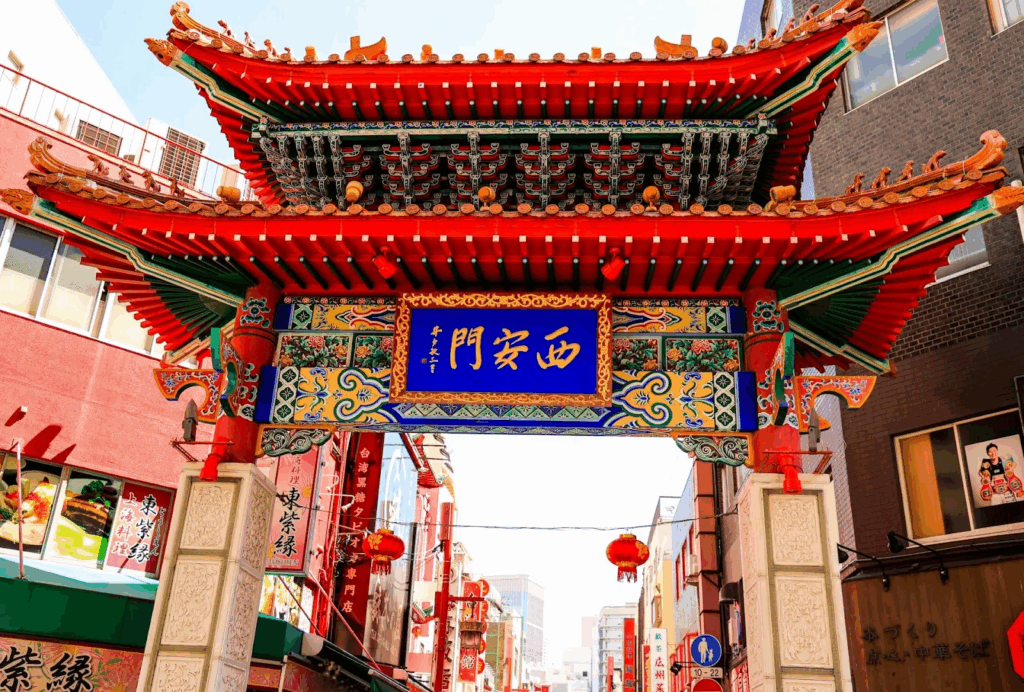
While Kobe beef may be famous, Nankinmachi, Kobe’s Chinatown, offers an entirely different side of the city’s culinary culture. This bustling neighborhood is filled with colorful streets, traditional Chinese architecture, and delicious food. It’s an exciting and vibrant area to explore if you’re looking for a change of pace.
What to Do in Nankinmachi
1.Try Kobe’s Famous Chinese Dumplings – Nankinmachi is known for its delicious dumplings, Chinese buns, and other tasty treats.
2.Visit the Chinese Temples – Discover the beauty of temples like the Kanteibyo Temple, with its intricate designs and peaceful atmosphere.
3.Celebrate Chinese New Year – If you’re visiting during the Chinese New Year, enjoy the lively parades, dragon dances, and festive celebrations that take place in the streets of Chinatown.
3.Nada Gogo (Nada Five Villages): Discover the Heart of Kobe’s Sake Brewing Tradition
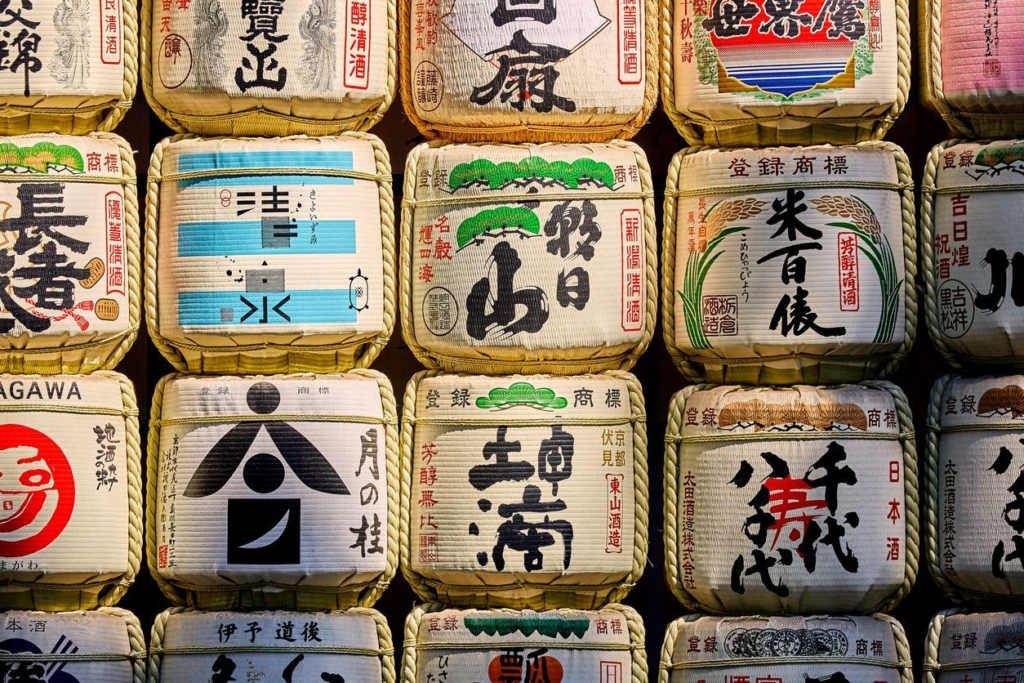
Nada Gogo, the sake-producing region of Kobe, offers a fascinating journey into one of Japan’s most important brewing areas. The region consists of five villages, each with its own sake breweries, producing world-class sake for centuries.
What to Do in Nada Gogo
1.Sake Brewery Tours – Visit historic sake breweries like Hakutsuru Sake Brewery and learn about the sake-making process, sampling a range of sake varieties.
2.Sake Tasting – Many sake breweries offer tasting sessions where you can try the renowned sake produced in the region.
3.Sake Museums – Discover the history of sake brewing and how it has shaped Kobe’s culture at dedicated sake museums in the area.
4.Mount Rokko: Enjoy Stunning Views and Outdoor Adventures
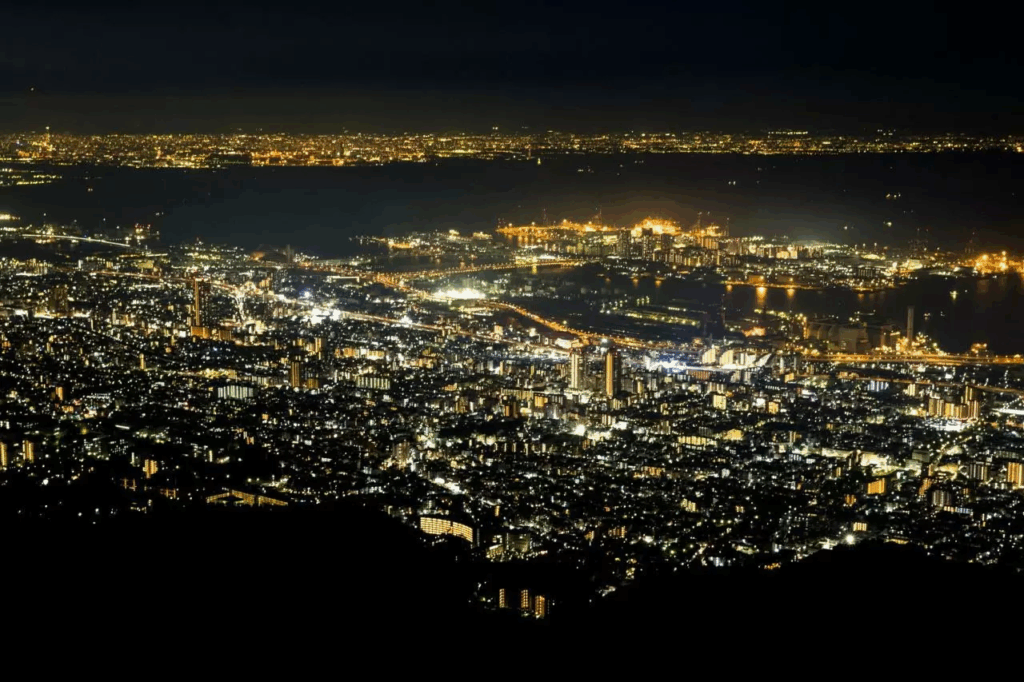
Mount Rokko is one of the best spots to experience Kobe attractions beyond the city’s food scene. It offers easy access from the city center and presents visitors with breathtaking views of Kobe, the Seto Inland Sea, and, on clear days, even Osaka. It’s an ideal place to escape the hustle and bustle of the city and immerse yourself in nature.
Things to Do on Mount Rokko
1.Rokko Garden Terrace – At the summit, enjoy a stunning view of Kobe and its harbor. In the evening, the view transforms into a dazzling cityscape, offering one of the best night views in the region. The terrace is also home to cafes and shops, perfect for relaxing while soaking in the panoramic views.
2.Hiking and Outdoor Activities – Mount Rokko offers several hiking trails, letting you explore nature at your own pace. In winter, the area also becomes a popular spot for skiing and snowboarding.
3.Rokko Farm – A great place for animal lovers to interact with local animals and taste fresh dairy products from the region.
5.Arima Onsen: A Relaxing Hot Spring Destination Just a Short Trip from Kobe
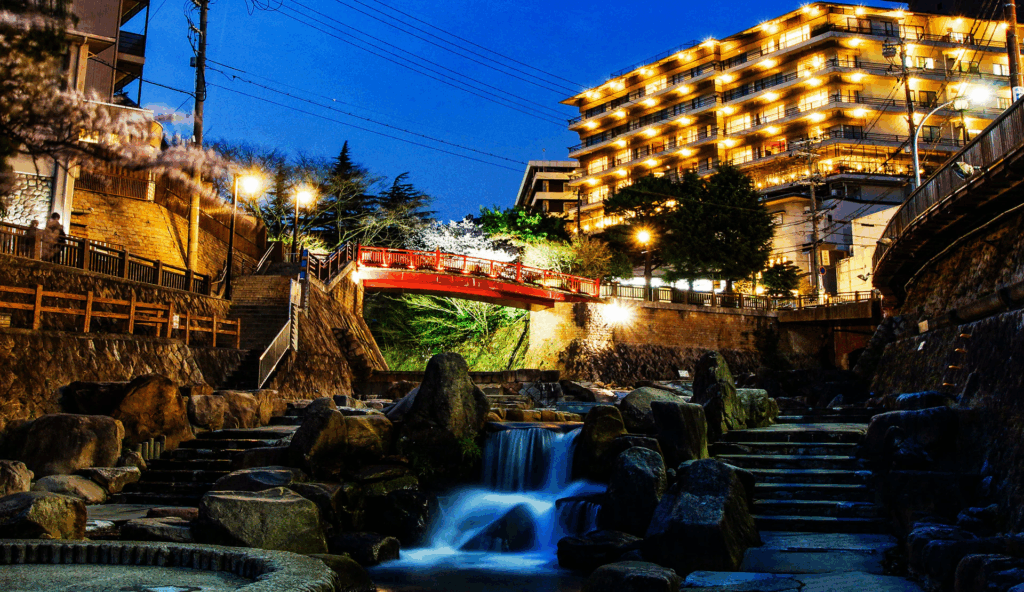
For a relaxing day trip from Kobe, Arima Onsen is a perfect choice. Located just 30 minutes by train from Kobe, Arima Onsen is one of Japan’s oldest and most famous hot spring resorts. It’s an ideal spot to soak in therapeutic hot springs and enjoy the traditional charm of this historic onsen town.
What to Do in Arima Onsen
1.Gold and Silver Springs – Arima Onsen is famous for its two unique types of hot springs: Kinsen (Gold Spring), which is reddish-brown due to iron content, and Ginsen (Silver Spring), which is a clear, carbonated spring. Both are renowned for their healing properties.
2.Stroll the Hot Spring Town – Wander through the charming streets lined with traditional ryokan (Japanese inns) and shops selling local goods and souvenirs.
3.Day-Use Onsen – Many ryokan and public bathhouses in Arima Onsen offer day-use options, so you can enjoy the hot springs without staying overnight.
Why Kobe Should Be on Your Travel List
From the iconic Meriken Park and vibrant Nankinmachi Chinatown to the rich sake culture of Nada Gogo and the breathtaking views from Mount Rokko, Kobe offers a perfect blend of modern city life, cultural depth, and natural beauty. Whether you’re a foodie, history enthusiast, or nature lover, Kobe is a city that offers something unique for every traveler.
Don’t forget to add Arima Onsen to your itinerary for a relaxing hot spring experience, just a short distance from the city. Whether you’re enjoying the night views from Mount Rokko or exploring the historical streets of Chinatown, Kobe promises an unforgettable experience.
For more information about visiting Kobe, Japan, check out local tourism resources and start planning your trip today!
Next…
Would you like to visit other beautiful historic port cities in Japan?👉Top Things to Do in Nagasaki Kyushu: History, Culture & Scenic Highlights
Do you want to know the difference between Kobe beef and Wagyu?👉Is All Wagyu Kobe Beef? The Truth About Kobe Beef vs Wagyu
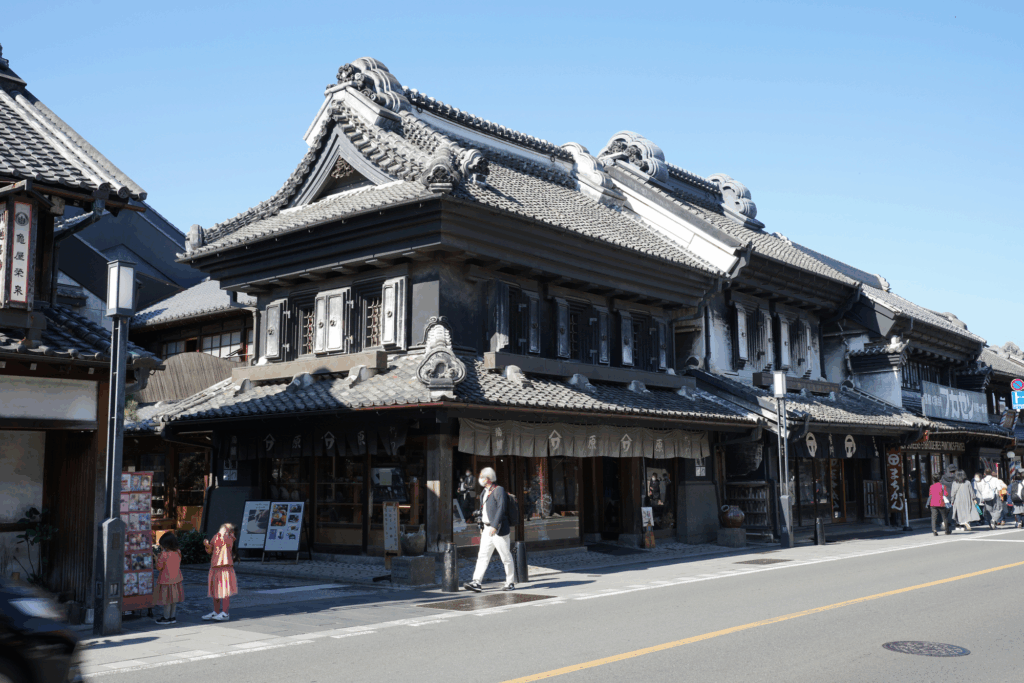
Located in Saitama Prefecture, Kawagoe is a popular destination where the atmosphere of the Edo period still lingers, despite being only a short distance from central Tokyo. Affectionately known as “Little Edo” (Koedo), this nickname is far more than a marketing phrase — it reflects the city’s rare ability to preserve Edo-period architecture, culture, and traditional streetscapes to this day.
During the Edo period, Kawagoe prospered as a castle town and an important commercial hub connected to Edo (modern-day Tokyo) via river transport. Its economic success enabled the construction of numerous kurazukuri (fire-resistant warehouse-style merchant buildings), many of which have remarkably survived for centuries and continue to define the city’s iconic appearance.
While many Japanese cities were rebuilt after wars and natural disasters, Kawagoe managed to maintain much of its historical townscape. As a result, visitors can still experience the authentic atmosphere of the Edo era simply by walking through its beautifully preserved streets.
With that in mind, let’s dive into the top 3 must-do experiences in Kawagoe.
1.Listen to the Historic Chime of Toki no Kane
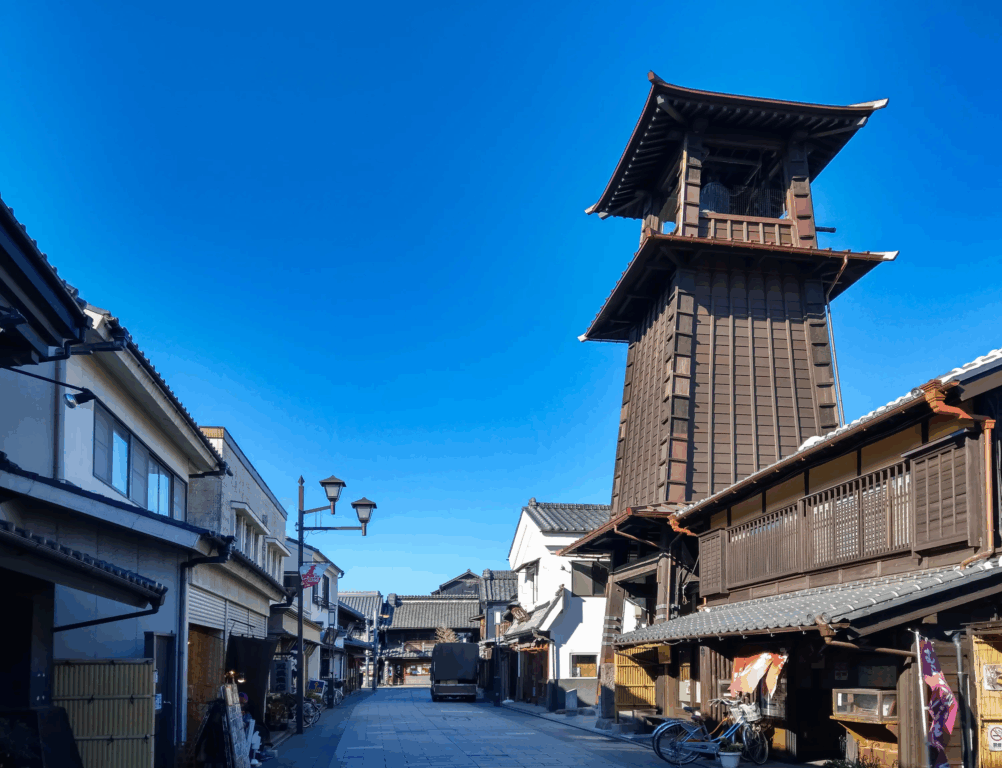
No visit to Kawagoe is complete without hearing the nostalgic chime of Toki no Kane (Time Bell Tower), the most iconic landmark in Little Edo. Originally built more than 350 years ago to help residents keep track of time before watches existed, the bell continues to ring four times a day—at 6:00, 12:00, 15:00, and 18:00.
Standing beneath the tower as its warm tones echo through the kurazukuri warehouse district creates a truly magical moment, transporting visitors back to the Edo period. The surrounding area is filled with traditional craft shops, sweet stores, and photogenic streets, making it the perfect place to start your Kawagoe exploration.
For history lovers, photographers, and anyone seeking the real Japan, the sound of Toki no Kane is an unforgettable highlight.
2.Visit Kawagoe Hikawa Shrine

Just a short walk from the historical district lies Kawagoe Hikawa Shrine, one of Japan’s most beloved matchmaking shrines. With a history spanning over 1,500 years, the shrine is dedicated to deities of marriage, harmony, and strong relationships—making it especially popular among couples and solo travelers wishing for a romantic blessing.
The must-try experience here is the “Tai no Omikuji” (Red Sea Bream Fortune), a miniature fish-shaped omikuji that visitors “catch” using a tiny fishing rod. It’s fun, charming, and uniquely memorable—perfect for a keepsake photo. Seasonal displays such as the summer wind-chime tunnel and the striking torii paths make the shrine feel both elegant and spiritually soothing.
If you’re hoping for love, connection, or simply a gentle moment of reflection, Kawagoe Hikawa Shrine is a can’t-miss stop.
3.Enjoy Kawagoe’s Famous Sweet-Potato Street Food
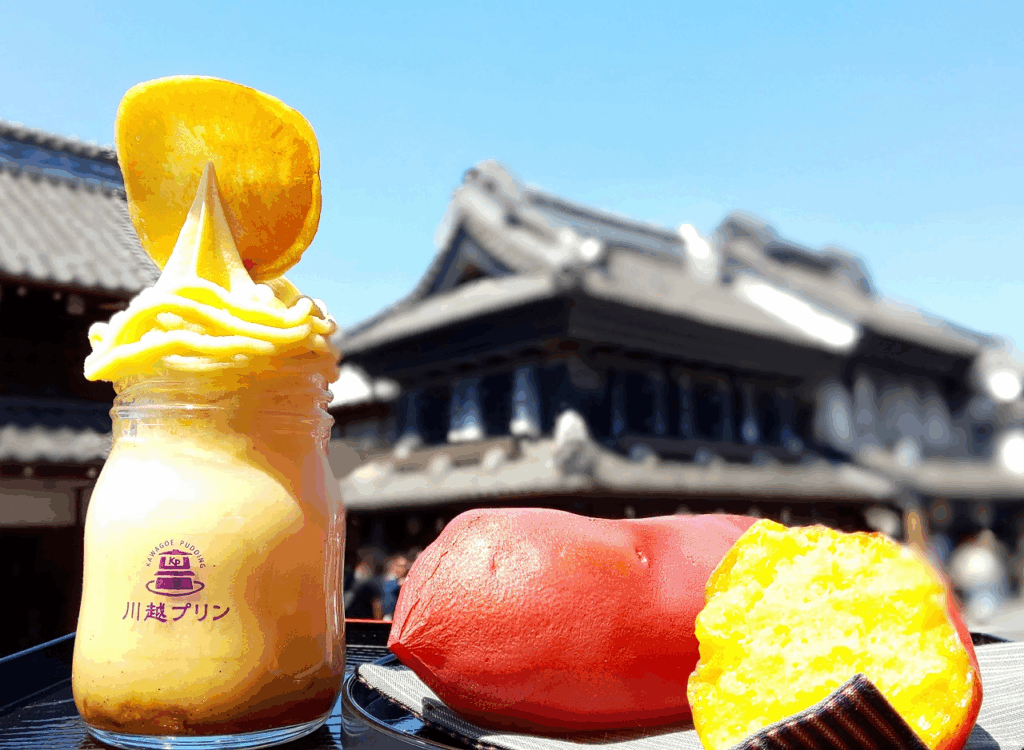
Kawagoe is affectionately known as the sweet-potato capital of Japan, and food lovers will be delighted by the sheer variety of gourmet imo treats available throughout town. From crispy sweet-potato chips to freshly baked rounds, soft-serve ice cream, pound cakes, dorayaki, and even lattes—sweet-potato snacks come in countless forms.
The best way to enjoy them is street-food style, strolling through the old warehouse district or Kashiya Yokocho (Candy Alley) and sampling different flavors along the way. Many shops offer seasonal and limited-edition sweets, making every visit a new discovery.
Tasting and comparing sweet-potato delicacies has become one of the most popular and enjoyable activities for visitors—and it’s a delicious way to experience Kawagoe’s local culture.
Summary
Between the nostalgic chime of Toki no Kane, the heartfelt blessings at Kawagoe Hikawa Shrine, and the pure joy of sweet-potato street food, Kawagoe offers a travel experience that is rich, authentic, and full of personality. Its preserved Edo-period streets make every moment feel like stepping inside a living museum—yet the town remains lively, welcoming, and easy to explore.
For travelers seeking a meaningful and memorable day trip from Tokyo, Kawagoe stands out as one of Japan’s finest historic destinations.
Nestled in the heart of Okayama Prefecture, Kurashiki offers a captivating journey back in time, presenting a picturesque landscape often described as Japan’s Venice. This charming city is renowned for its beautifully preserved historical quarter, a testament to its prosperous past as a vital trading hub. Far more than just a scenic stop, Kurashiki invites visitors to immerse themselves in a rich tapestry of art, history, and unique cultural experiences.
Scenic Canal Boat Ride
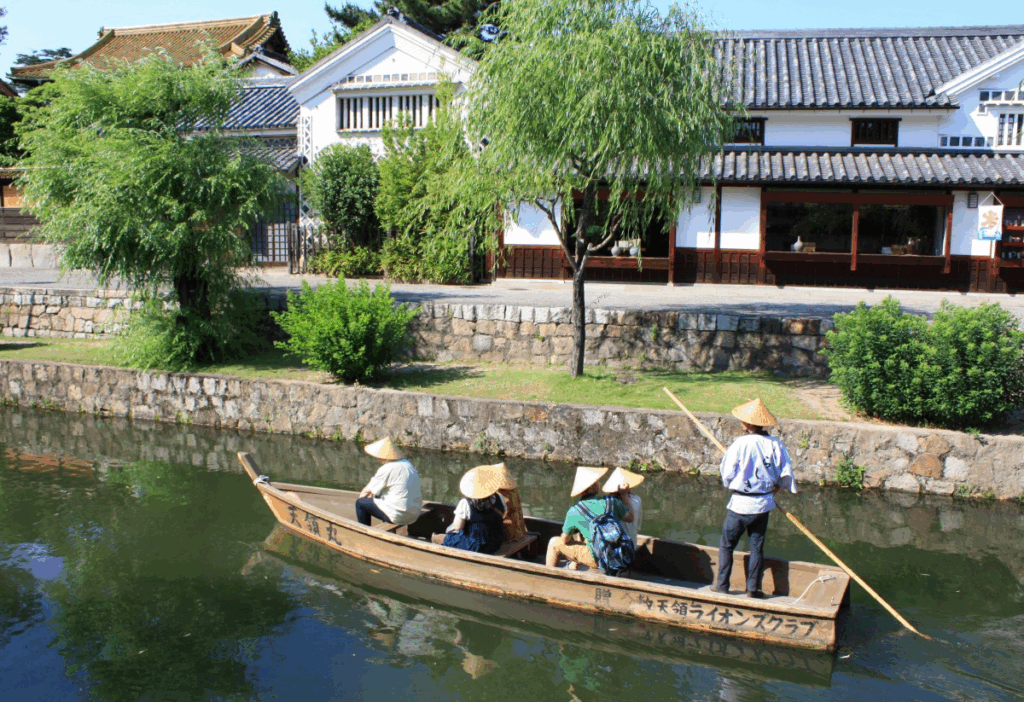
The highlight of Kurashiki is undeniably its tranquil canal, lined with willow trees, stone bridges, and traditional white-walled buildings. One of the most memorable experiences is taking a canal boat ride in the Kurashiki Bikan Historical Quarter. Guided by local boatmen dressed in traditional attire, the slow journey along the waterway offers postcard-perfect views that bring the Edo period to life.
The canals were originally built in the 1600s to transport rice and textiles during Kurashiki’s economic boom. Today, the gentle ride provides not only photo opportunities but also a deeper appreciation for the city’s heritage, architecture, and atmosphere. For couples and families alike, this experience is often described as the most romantic and immersive way to enjoy Kurashiki.
White-Walled Merchant Storehouses
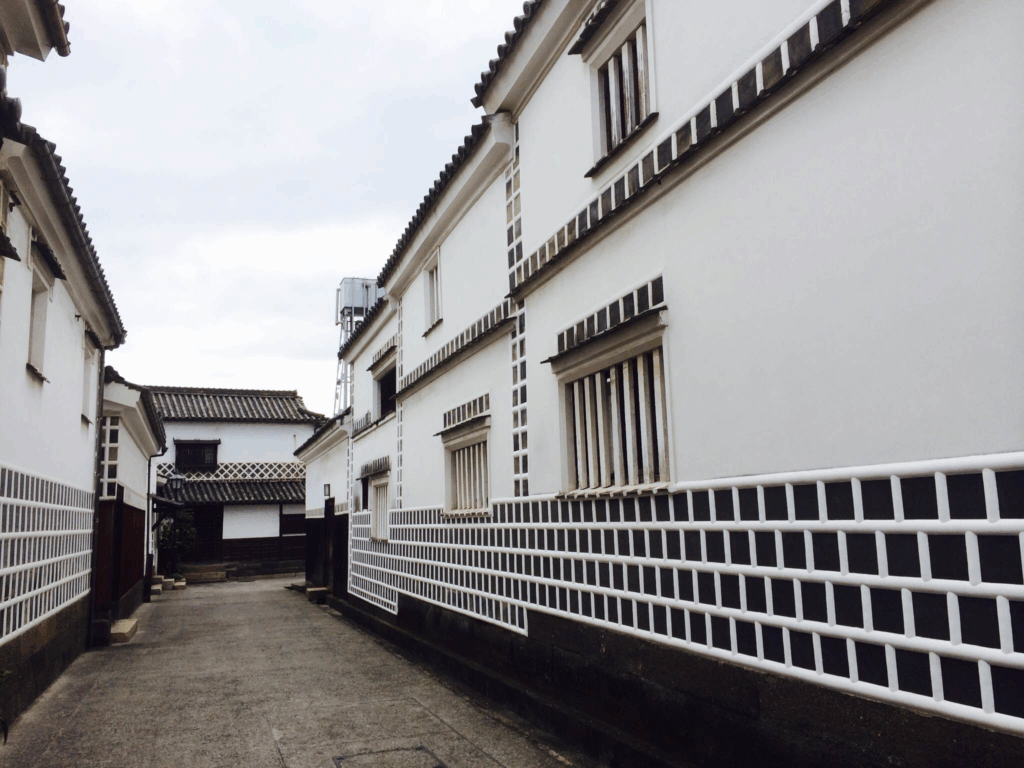
Kurashiki flourished as a merchant city under direct control of the Tokugawa shogunate, and the legacy of that prosperity remains in the white-walled kura storehouses that line the streets of the Bikan district. The iconic style—white plaster walls contrasted with black tiles—once symbolized commercial power and wealth.
Today, many of these buildings have been converted into stylish cafés, craft shops, sake bars, and small galleries. Strolling through this beautifully preserved area feels like walking inside an open-air museum, where every corner reveals another photo-worthy view. Whether you’re interested in architecture, artisan goods, or just soaking up the nostalgic atmosphere, the merchant quarter is the heart of Kurashiki’s unique charm and cultural identity.
Kurashiki Denim
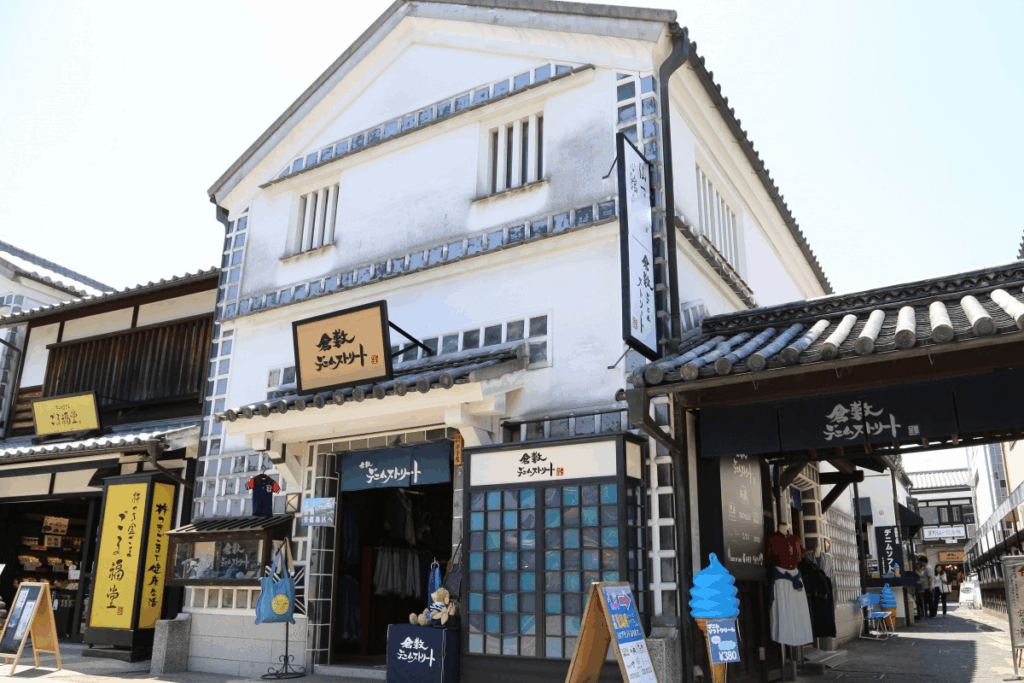
Kurashiki is also the birthplace of Japan’s legendary denim culture. The Kojima district, located within Kurashiki City, became the nation’s first hub for denim production in the mid-20th century and remains world-renowned for its craftsmanship and attention to detail. Many of the world’s leading denim brands still produce limited-edition items here.
Visitors can explore Kurashiki Denim Street, lined with boutique stores offering premium jeans, bags, jackets, and accessories—all proudly “Made in Kurashiki.” Some shops even provide hands-on customization workshops, allowing travelers to create one-of-a-kind denim souvenirs. For fashion lovers, shopping for denim here is not just retail therapy—it’s participation in Japan’s modern textile legacy.
Whether you’re searching for heritage-style denim or runway-inspired designs, Kurashiki is the ultimate destination for quality jeans.
Kurashiki Is Where Beauty and Culture Meet
From the romantic canal boat ride to the white-walled merchant architecture and the cutting-edge fashion legacy of Kurashiki denim, this city combines history, artistry, and craftsmanship in a way found nowhere else in Japan. Each step offers a blend of nostalgia and discovery, making Kurashiki, Okayama an unforgettable stop for cultural travelers.
If you’re planning an authentic and enriching journey through Japan, Kurashiki deserves a spot at the very top of your itinerary.
Next…
Would you like to explore other towns near Tokyo with a similar traditional atmosphere?👉
Discover Little Edo: Your Guide to Historic Kawagoe City, Japan
If you’re planning a trip to Matsuyama, Ehime and wondering how to make the most of your time, this guide will walk you through the city’s three iconic highlights—Matsuyama Castle, Dogo Onsen in Matsuyama, and the nostalgic Botchan Train—plus a bonus day trip to the world-famous Shimanami Kaido cycling route.
Whether you’re interested in samurai history, hot springs, scenic train rides, or coastal cycling, Matsuyama is the perfect base to experience all four.
Matsuyama Castle
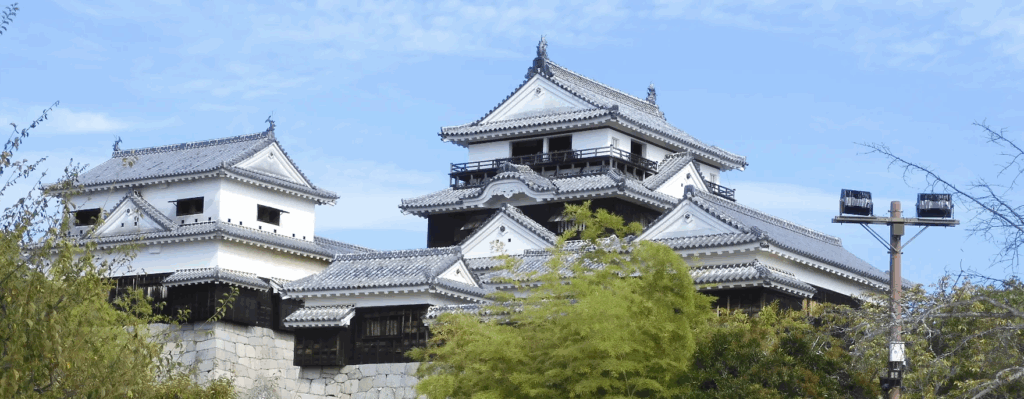
Perched dramatically above the city on Mount Katsuyama, Matsuyama Castle is one of only twelve original surviving castles in Japan. Built in the early 1600s, it offers a rare glimpse into the world of samurai lords and Edo-period architecture. Visitors can explore the main keep, stroll along stone walls, and admire weapon displays and historic artifacts.
For the most scenic approach, take the ropeway or chairlift up the mountainside and follow the short walking trail to the castle entrance. The panoramic view from the top—stretching across the Seto Inland Sea and urban Matsuyama—is worth the climb at any time of year. Cherry blossoms in spring and colorful foliage in autumn make this spot especially atmospheric.
Dogo Onsen
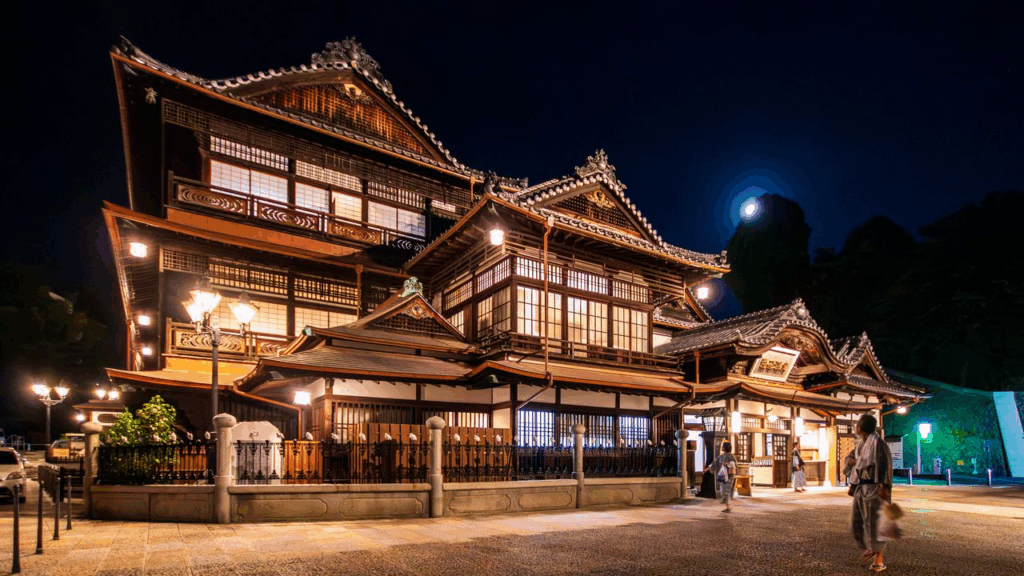
No visit to Matsuyama is complete without experiencing Dogo Onsen in Matsuyama, one of the oldest hot springs in Japan with over 3,000 years of history. The iconic Dogo Onsen Honkan, said to have inspired Studio Ghibli’s Spirited Away, is a masterpiece of Meiji-era wooden architecture and a symbol of Japan’s bathing culture.
Luxury seekers will enjoy the newly renovated Asuka-no-Yu, offering private bathing rooms, premium yukata rentals, and exclusive resting lounges. The surrounding Dogo Onsen district is perfect for leisurely strolls—traditional shops, cafés, craft boutiques, and foot baths line the streets, making it easy to spend an entire afternoon unwinding in style.
The Botchan Train
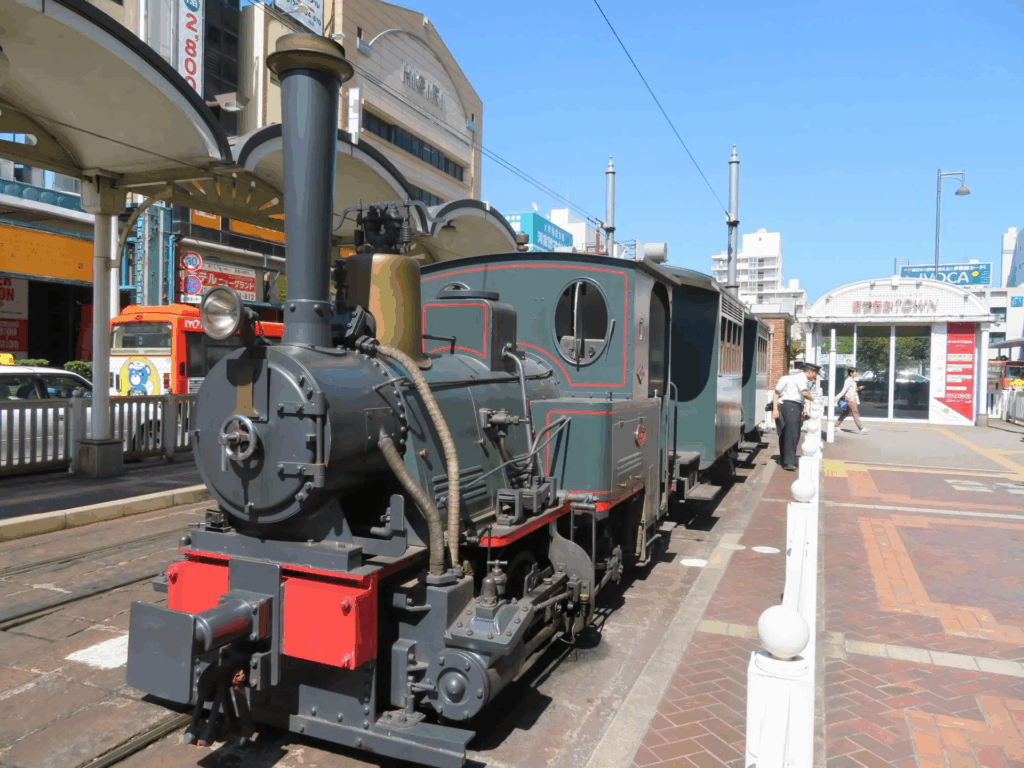
Inspired by Natsume Soseki’s celebrated novel Botchan, the charming Botchan Train captures the nostalgic spirit of early 20th-century Japan. This small replica steam locomotive runs between central Matsuyama and Dogo Onsen, offering a slow-paced sightseeing experience through the heart of the city.
The vintage wooden carriages and uniformed conductors create a photogenic moment for visitors of all ages. Whether you ride the train or simply photograph it as it passes through the city, the Botchan Train adds a romantic touch to your Matsuyama itinerary and connects literature lovers to one of Japan’s most beloved novels.
A Side Trip to the Shimanami Kaido
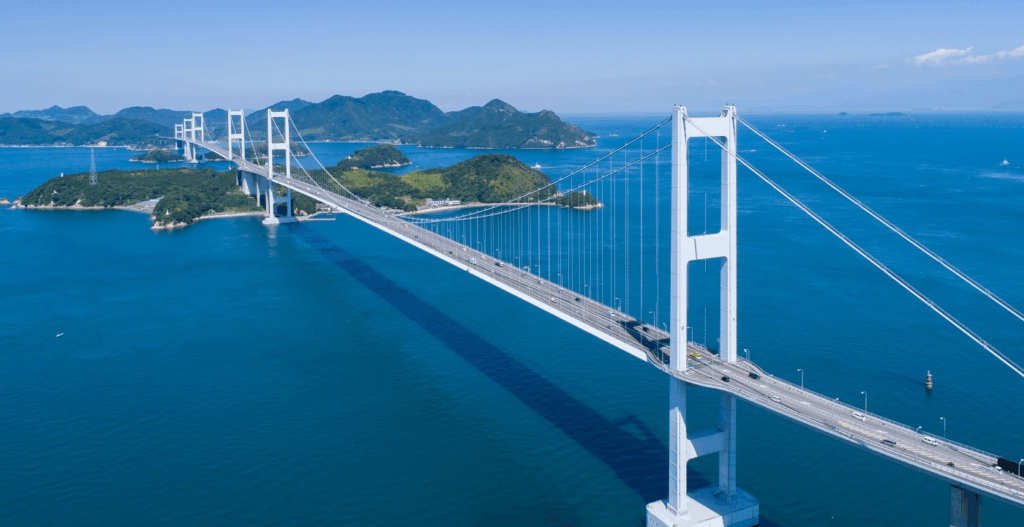
For those with an extra day, Matsuyama is the ideal starting point for a Shimanami Kaido adventure—an iconic 60-kilometer cycling route that connects Ehime to Hiroshima across six islands via stunning suspension bridges over the Seto Inland Sea. The journey offers dramatic coastal landscapes, citrus groves, pristine beaches, and stylish rest stops designed for cyclists.
E-bike rentals, guided cycling tours, and luggage-delivery services make the experience accessible even for beginners. For luxury travelers, high-end accommodations and private cruise or helicopter transfers can be arranged to elevate the journey. Whether you complete the full route or ride only a section, the Shimanami Kaido is one of Japan’s most unforgettable outdoor experiences.
Why Matsuyama Is One of Japan’s Best Hidden Gems
From the architectural grandeur of Matsuyama Castle to the soothing waters of Dogo Onsen in Matsuyama, the literary nostalgia of the Botchan Train, and the ocean-view exhilaration of the Shimanami Kaido, Matsuyama offers a rare blend of culture, history, and nature in one compact destination.
For travelers seeking an off-the-beaten-path luxury getaway in Japan—without sacrificing comfort, exclusivity, or world-class experiences—Matsuyama, Ehime belongs at the top of your shortlist. Whether for a weekend escape or part of a longer Shikoku itinerary, Matsuyama has everything to leave you refreshed, inspired, and eager to return.
Next…
Would you like to discover travel destinations near Matsuyama where you can enjoy traditional Japanese scenery?👉
Kurashiki, Okayama: Experience Japan’s Charming Canal Town & Unique Culture