Top Hot Spring Experiences in Oita Prefecture Beppu: The Ultimate Guide to Japan’s Onsen Capital
Located in Oita Prefecture, Beppu is one of Japan’s most iconic hot spring destinations, known for its dramatic geothermal landscapes, vibrant steam clouds, and rich onsen culture. Travelers from around the world visit Beppu to experience its powerful volcanic energy through unique hot spring attractions found nowhere else in Japan.
This guide highlights the three must-do onsen activities in Oita Prefecture Beppu, complete with detailed explanations of each experience.
1. Explore the Famous Hells of Beppu (Jigoku Meguri)
The Jigoku Meguri, or “Hells of Beppu,” is one of the signature attractions in Oita Prefecture Beppu, featuring spectacular hot springs created by intense volcanic heat. These dramatic pools are for viewing rather than bathing, showcasing nature’s raw and mesmerizing power.
Umi Jigoku (Sea Hell)
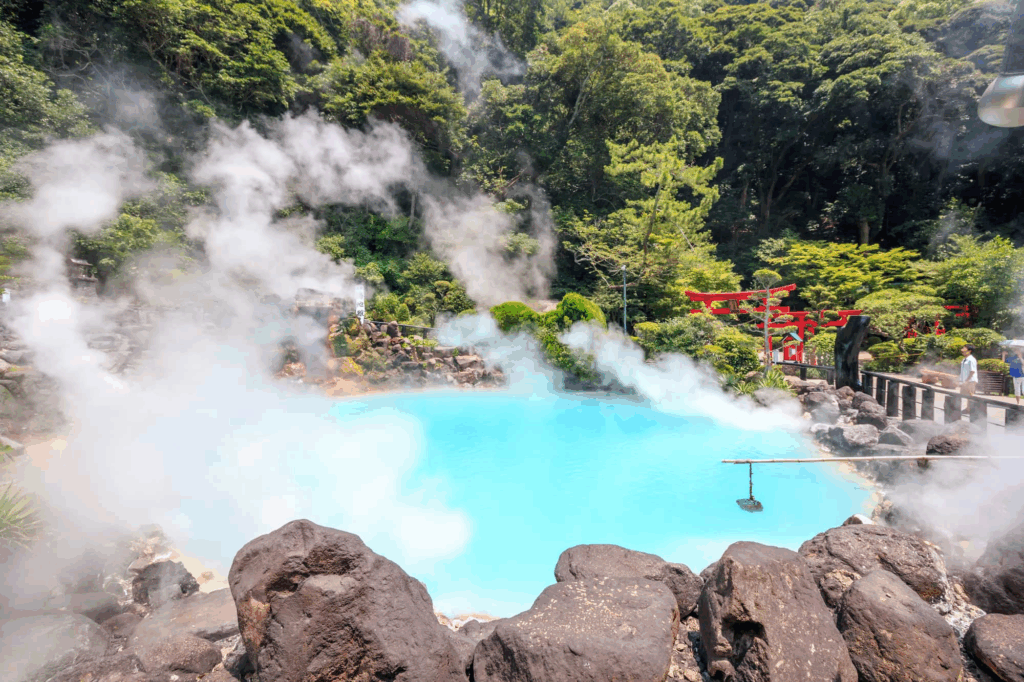
One of the most famous spots in the Hells Tour, Umi Jigoku is a striking cobalt-blue hot spring formed over 1,000 years ago. Its vibrant color and thick rising steam create a surreal atmosphere, making it a favorite among photographers and nature lovers exploring Beppu.
Chinoike Jigoku (Blood Pond Hell)
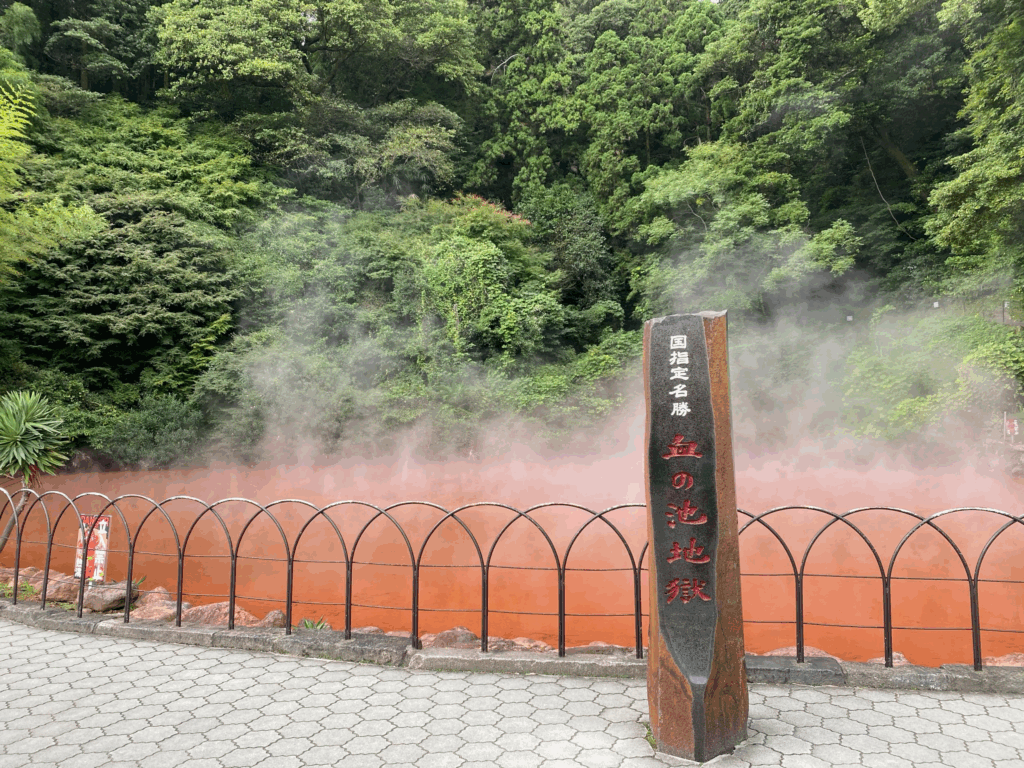
Known as Japan’s oldest natural “hell,” Chinoike Jigoku features a vivid red hot spring created by iron-rich clay. This crimson pool is visually stunning and stands out as one of the most iconic sights in Oita Prefecture Beppu.
Oniishibozu Jigoku (Shaven Monk’s Head Hell)
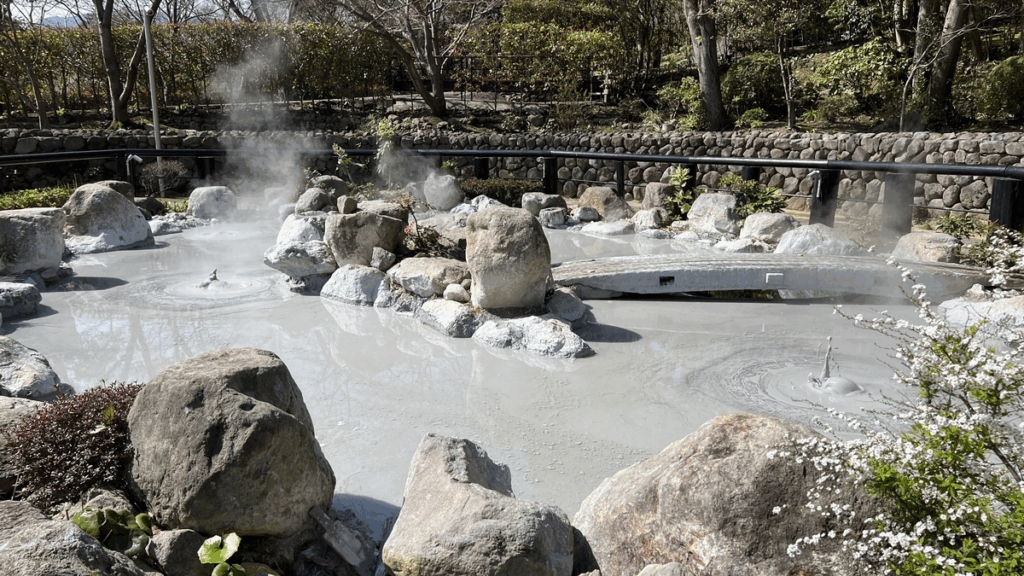
Named after the bubbling mud that resembles the shaven heads of Buddhist monks, Oniishibozu Jigoku offers a fascinating close-up view of geothermal activity. Visitors can watch mud pots boil and burst rhythmically, a vivid reminder of Beppu’s powerful volcanic forces.
2. Taste Traditional Steam-Cooked Cuisine (Jigoku-Mushi)
One of the most authentic ways to enjoy Oita Prefecture Beppu is through its signature cooking method, Jigoku-mushi, which uses natural hot spring steam to prepare food. This method preserves the ingredients’ natural sweetness while creating soft, clean flavors unique to Beppu.
Vegetables Steamed in Onsen Vapor
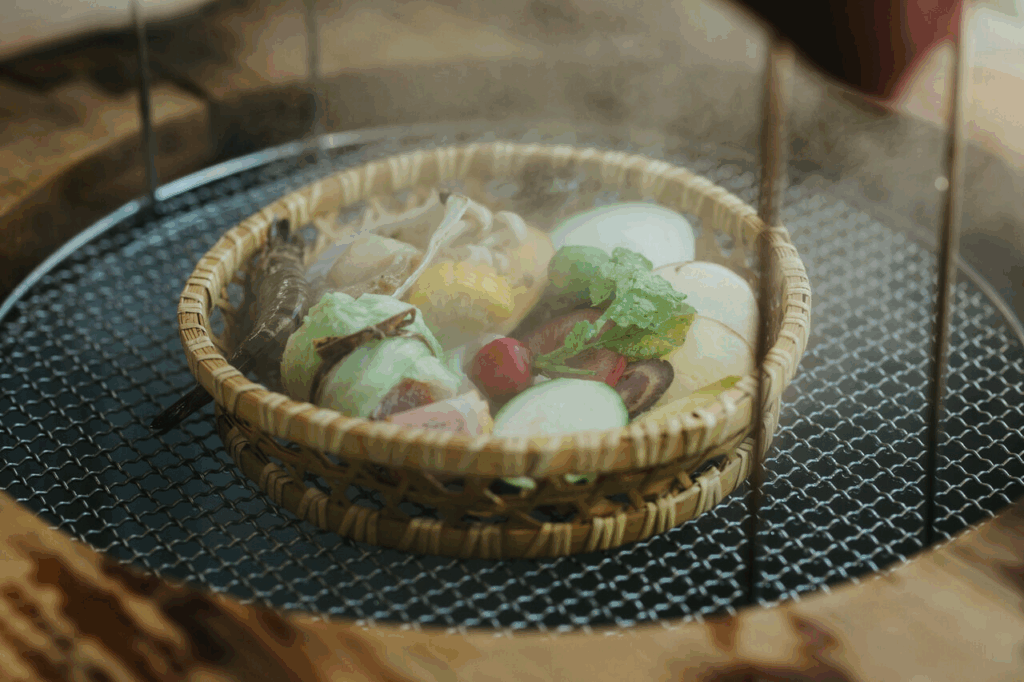
Fresh vegetables—sweet potatoes, corn, pumpkins, and leafy greens—are steamed using high-temperature geothermal vapor. The result is tender, naturally sweet produce that perfectly represents Beppu’s volcanic terroir.
Steamed Pudding
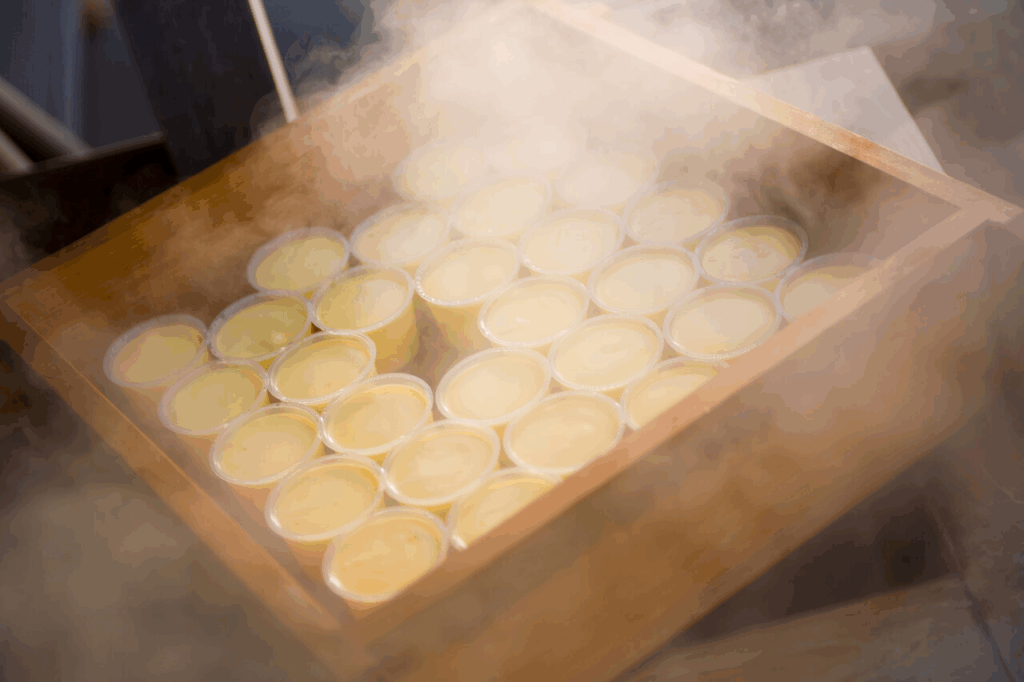
Beppu’s famous onsen-steamed pudding gains its silky texture and deep caramel aroma from slow steaming over mineral-rich hot spring vents. It’s a must-try dessert after exploring the Hells of Beppu.
Steamed Buns
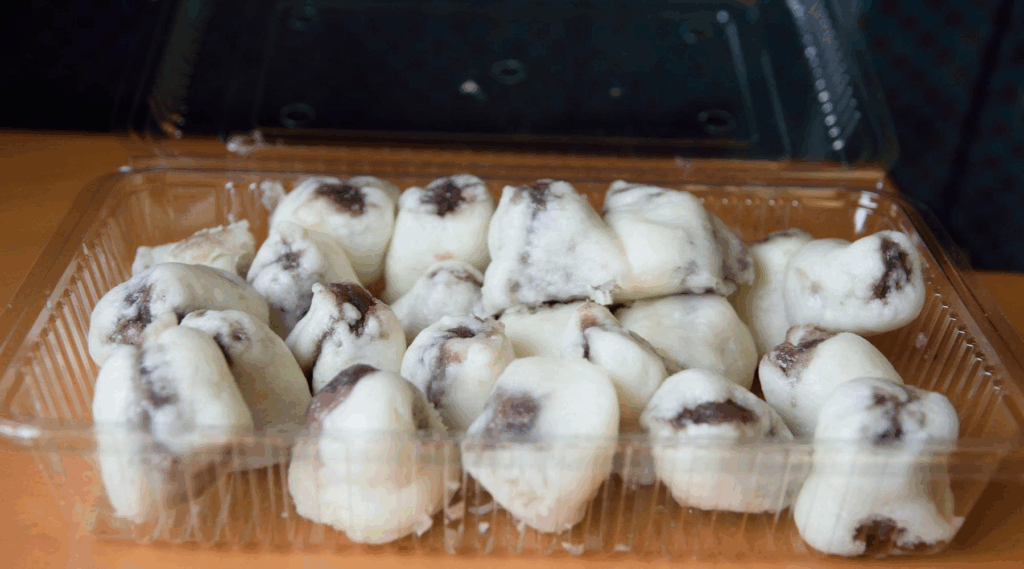
Fluffy onsen-steamed buns (manju) are another local specialty. The gentle hot spring steam enhances the dough’s softness and flavor, making it a popular snack among visitors looking to taste the essence of Beppu.
3. Experience a Traditional Sand Bath (Sunamushi)
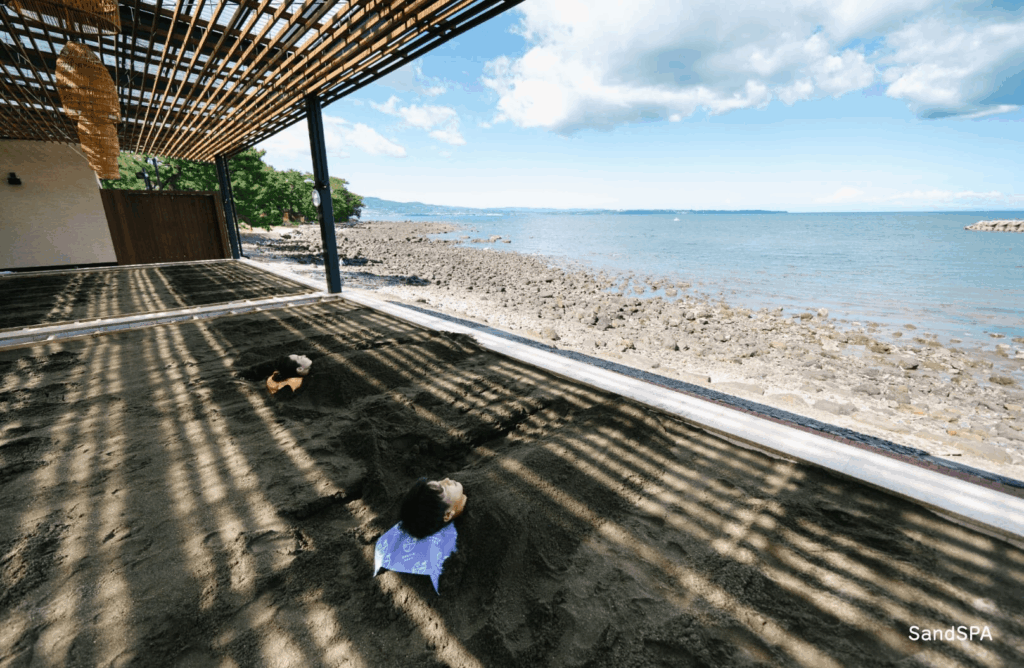
A trip to Oita Prefecture Beppu wouldn’t be complete without trying its renowned sand baths, a therapeutic wellness experience powered by natural geothermal heat. In a sand bath, visitors lie down as attendants gently cover their bodies with warm sand heated by underground hot spring steam. The heat helps improve circulation, relieve fatigue, and soothe muscle tension. After 10–15 minutes, the body feels deeply relaxed, and the experience concludes with a refreshing soak in mineral-rich onsen water.
Why These Experiences Are Essential in Oita Prefecture Beppu
From the dramatic landscapes of the Hells of Beppu, to the flavorful delights of Jigoku-mushi cuisine, to the soothing warmth of sand baths, each activity offers a unique way to connect with the volcanic spirit of Beppu. For travelers seeking authentic hot spring culture, unforgettable scenery, and traditional wellness experiences, Oita Prefecture Beppu stands unmatched.
Would you like to discover more hidden hot spring destinations in Japan?👉
Unmissable Things to Do in Matsuyama, Ehime
Nagasaki Kyushu is one of Japan’s most compelling destinations, offering a unique blend of wartime history, Christian heritage, international exchange, and dramatic landscapes. Below is a concise, SEO-optimized guide to the five essential places every traveler should explore.
1. Peace Park & Nagasaki Atomic Bomb Museum
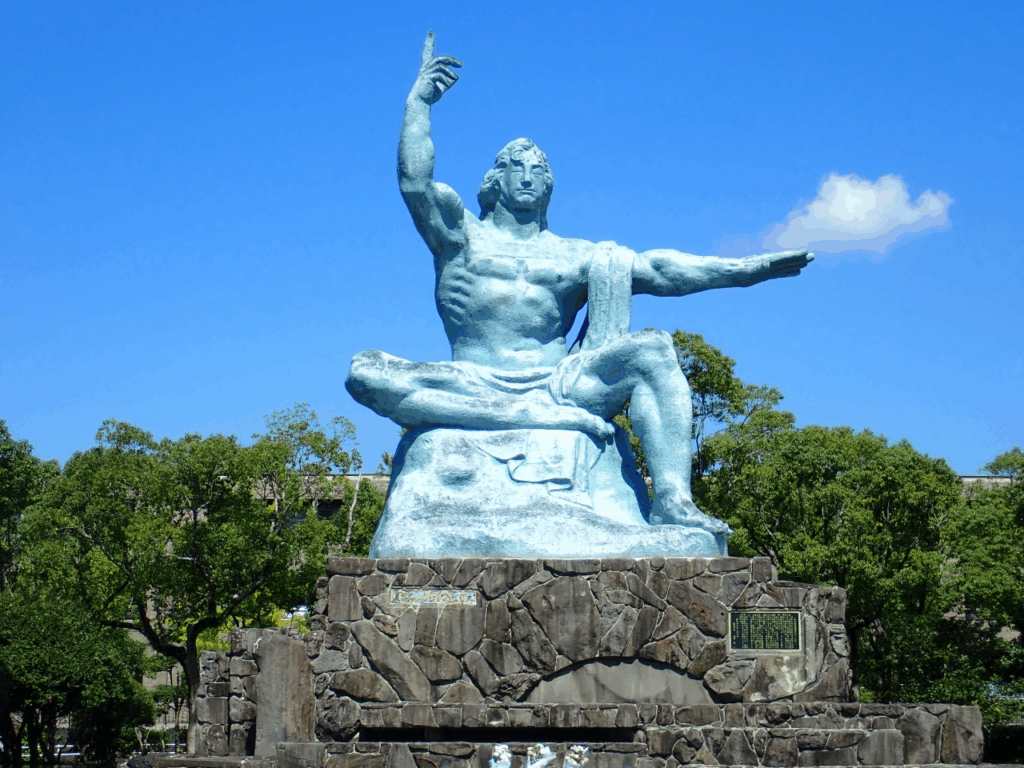
A central landmark of Nagasaki Kyushu, the Peace Park honors the victims of the 1945 atomic bombing and promotes a message of global peace. The iconic Peace Statue and surrounding monuments create a solemn yet hopeful atmosphere.
Just steps away, the Atomic Bomb Museum presents powerful exhibits, survivor testimonies, and preserved artifacts that explain the impact of the bombing and the city’s remarkable recovery. Even in a brief visit, travelers gain a meaningful understanding of Nagasaki’s historical significance.
2. Oura Cathedral and Hidden Christian Heritage
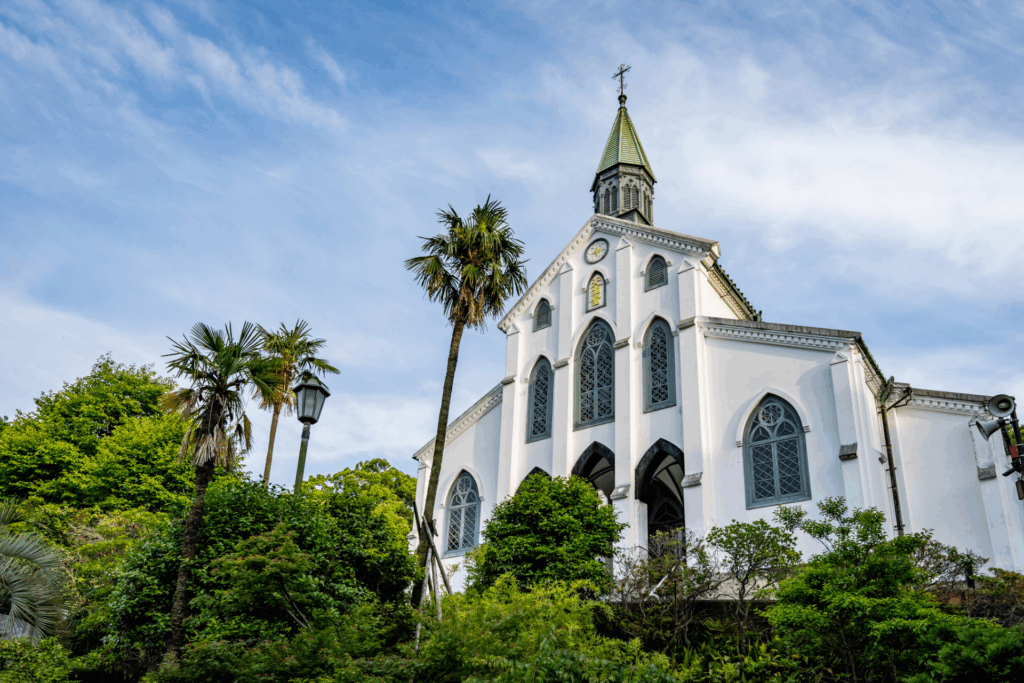
Oura Cathedral, the oldest surviving church in Japan, stands as one of the most symbolic sites in Nagasaki Kyushu. Built in 1864, it became world-famous for the discovery of Japan’s “Hidden Christians,” who secretly preserved their faith during centuries of persecution.
Nearby monuments, including the Twenty-Six Martyrs Memorial, provide additional insight into Nagasaki’s important role in Japanese Christian history, making this a must-visit area for cultural travelers.
3. Dejima: Japan’s Window to the World
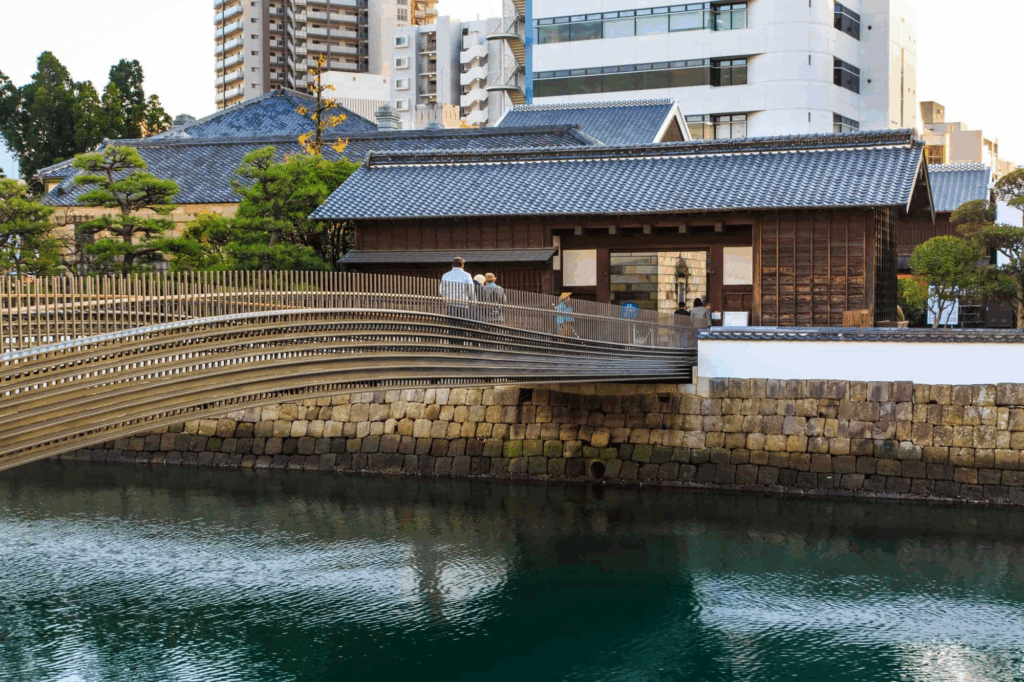
During the Edo-period isolation era, Dejima served as Japan’s only gateway to Western knowledge and international trade. Today, this restored island allows visitors to walk through merchant residences, warehouses, and offices that recreate daily life in the 17th–19th centuries.
Compact yet historically rich, Dejima offers a quick but fascinating look into how Nagasaki Kyushu shaped Japan’s modernization through controlled exchange with the Dutch.
4. Mount Inasa: Stunning Night Views

For panoramic scenery, nothing in Nagasaki Kyushu surpasses the night view from Mount Inasa. Often ranked among the world’s best, the view from the summit reveals a sparkling 360-degree landscape of the city and its harbor.
Accessible by ropeway or car, Mount Inasa is perfect for photography, evening outings, or simply appreciating the natural beauty that defines Nagasaki.
5. Gunkanjima (Battleship Island)
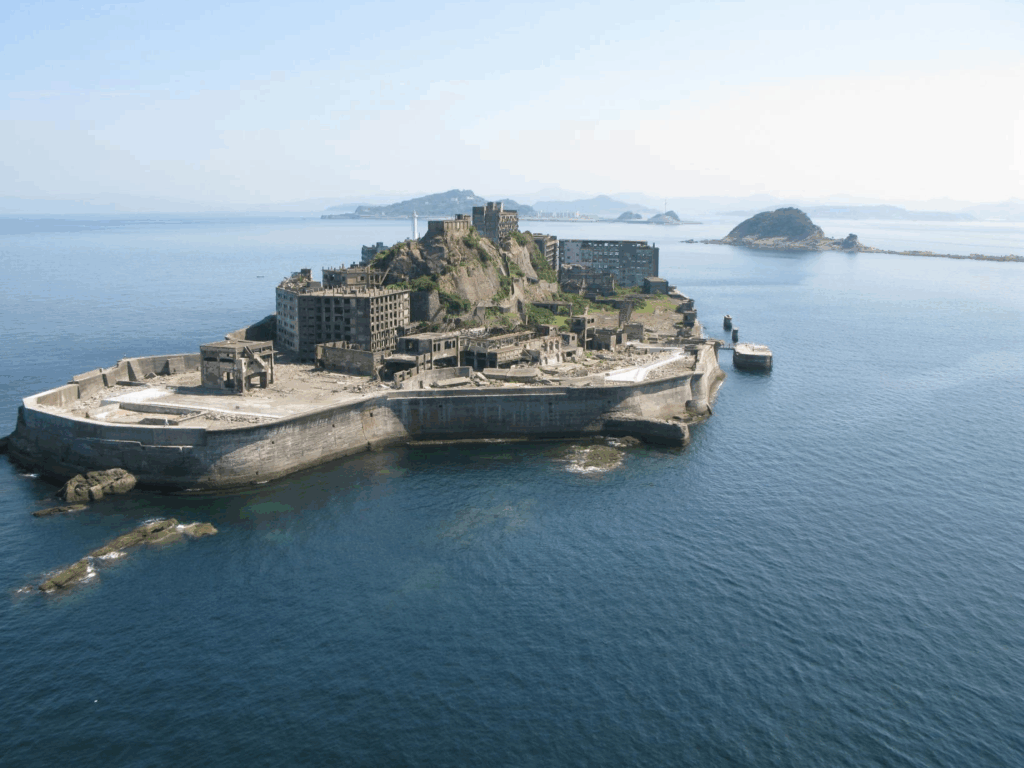
Gunkanjima—also known as Hashima Island—is one of the most dramatic sites in Nagasaki Kyushu. Once a densely populated coal-mining facility, the island was abandoned in 1974 and now stands as a haunting cluster of concrete ruins rising from the sea.
Boat tours circle the island and sometimes allow landing on designated walkways. The experience provides a powerful look into Japan’s industrial past and the rapid modernization of the Meiji era.
Sammary
With its deep history, global influences, and unforgettable scenery, Nagasaki Kyushu offers a travel experience unlike anywhere else in Japan. Whether you explore its peace memorials, Christian heritage, historic trade sites, or breathtaking viewpoints, the city promises a journey filled with meaning and discovery.
Would you like to discover more of Kyushu’s fascinating destinations just a few hours from Nagasaki?👉
Top Hot Spring Experiences in Oita Prefecture Beppu: The Ultimate Guide to Japan’s Onsen Capital
A Taste of Sendai Japan Famous Cuisine
Sendai, the largest city in the Tohoku region, is not only a hub of history and culture but also a delightful destination for food enthusiasts. Its fertile lands and proximity to the Pacific Ocean mean visitors can savor a wide array of fresh ingredients, from pristine seafood to locally grown agricultural products. The city’s culinary identity is distinct, offering unique flavors that are deeply rooted in local traditions. Beyond its most famous dishes, Sendai’s food scene thrives with bustling markets, charming izakayas, and modern eateries, all showcasing the region’s rich gastronomic heritage.
1.Gyutan The Signature Dish of Sendai
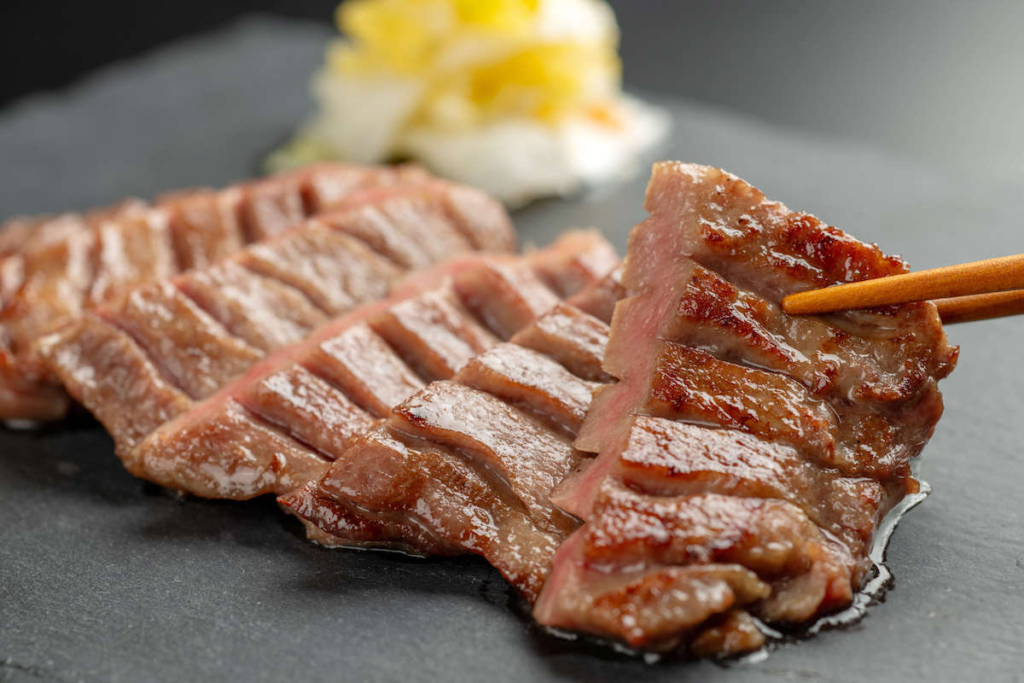
When in Sendai, one dish stands paramount: Gyutan, or grilled beef tongue. What might sound adventurous to some is a beloved local specialty, perfected over decades in Sendai. The preparation involves carefully slicing the beef tongue, marinating it in a special sauce, and then grilling it over a charcoal fire to achieve a tender, slightly chewy texture with a savory, smoky flavor. It’s typically served as a set meal, accompanied by barley rice, a clear oxtail soup (often called “tail soup”), and pickled vegetables (usually nappa cabbage and chili miso). The unique combination offers a balanced and deeply satisfying culinary experience that has made Gyutan synonymous with Sendai. Many restaurants specialize solely in Gyutan, each with its own secret marinade and grilling techniques.
Here are some of the well-known Gyutan restaurants in Sendai, each offering a slightly different take on this iconic dish:
| Restaurant Name | Key Characteristics | Signature Style |
|---|---|---|
| Rikyu | One of the most popular chains, known for its thick-cut, juicy Gyutan. | Classic grilled Gyutan sets, often with a choice of salt or miso flavoring. |
| Kisuke | Renowned for its tender texture and a slightly richer flavor profile. | Focus on traditional grilling, offering various cuts and preparations including stewed Gyutan. |
| Aji Tasuke | Considered one of the original Gyutan restaurants, established shortly after WWII. | Known for its thinner-cut Gyutan with a distinct, simple salt seasoning, embodying the original style. |
| Umami Tasuke | A spin-off of Aji Tasuke, maintaining the traditional essence while appealing to broader tastes. | Similar traditional preparation with a focus on umami-rich flavors. |
2.Zunda Mochi and Other Local Sweets
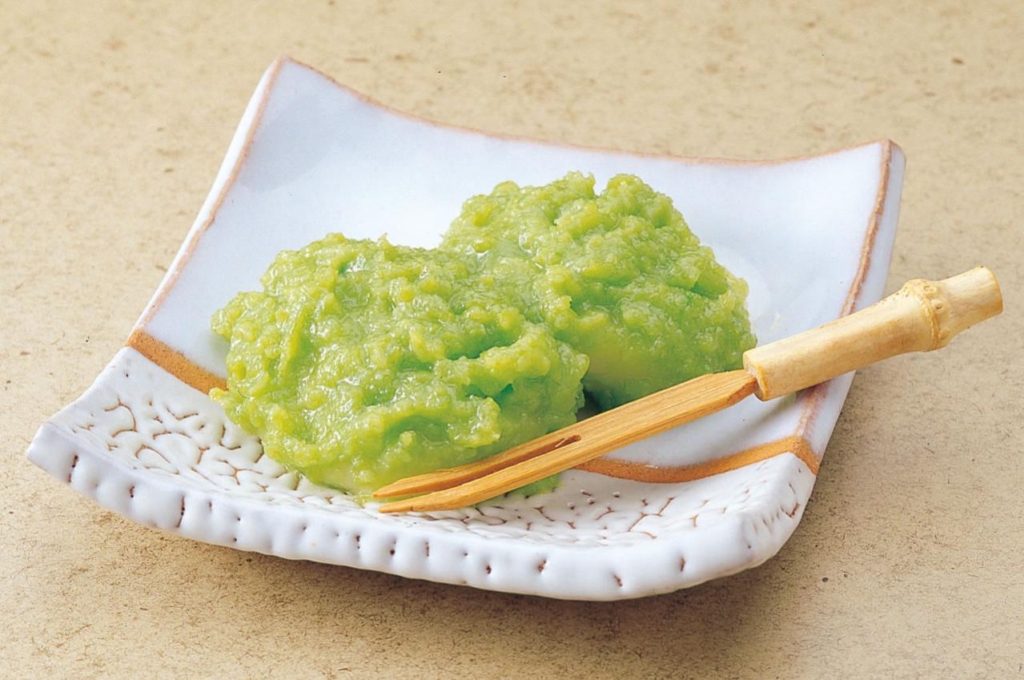
Beyond savory delights, Sendai also offers a delightful array of sweets, with Zunda Mochi standing out as the most famous. Zunda is a vibrant green paste made from sweetened edamame (young soybeans) that have been boiled, peeled, and mashed. This fragrant and slightly chunky paste is then generously draped over soft, freshly pounded mochi (rice cakes). The result is a refreshing, subtly sweet, and uniquely textured dessert that captures the essence of Tohoku’s agricultural bounty.
While Zunda Mochi is the classic, the popularity of Zunda has led to its incorporation into a wide range of other treats. Visitors can find Zunda in various forms, making for perfect souvenirs or delightful snacks:
| Zunda Product | Description |
|---|---|
| Zunda Shake | A creamy, refreshing beverage blending Zunda paste with milk, popular at train stations. |
| Zunda Pudding | Smooth and rich pudding with the distinct flavor and color of Zunda. |
| Zunda Roll Cake | Soft sponge cake rolled with a generous filling of Zunda cream. |
| Zunda Dorayaki | A Japanese pancake sandwich filled with Zunda paste. |
3.Oysters from Matsushima
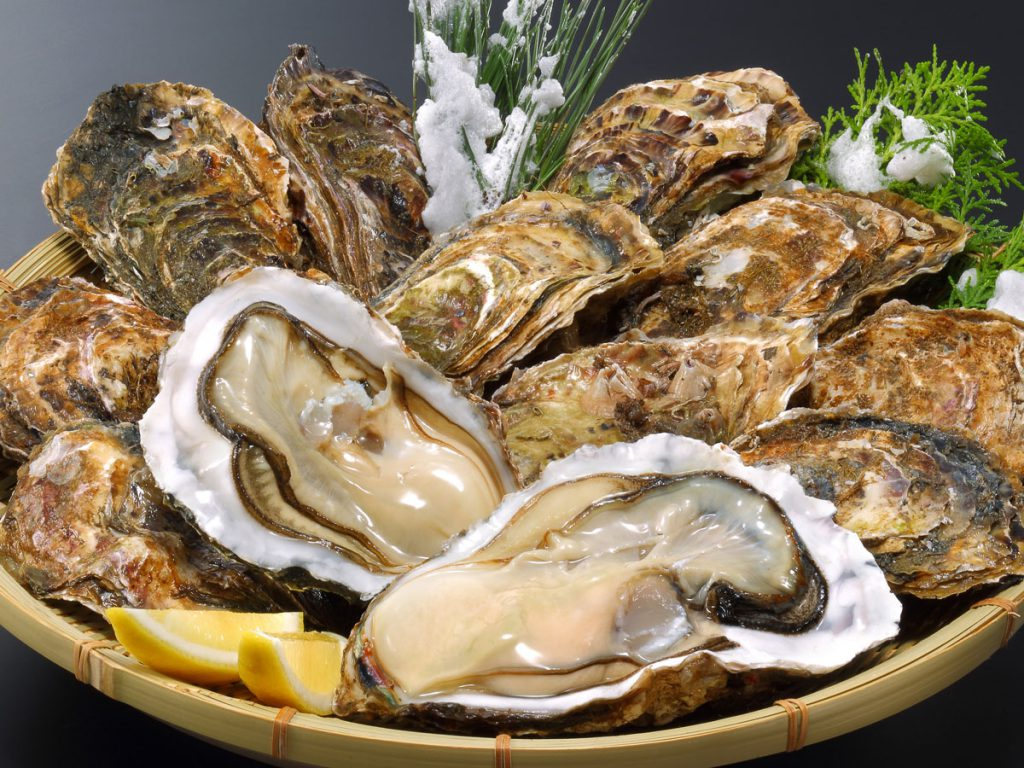
Just a short trip from Sendai, Matsushima is renowned as one of Japan’s top oyster-producing regions. The calm, nutrient-rich bay produces plump, flavorful oysters that reach their peak creaminess in winter. Visitors can enjoy them grilled over charcoal, steamed, fried, or served fresh on the half shell. Local specialties such as oyster curry and oyster hot pot also showcase the region’s creativity. During the winter season, the popular “oyster huts” offer freshly harvested oysters cooked right in front of you for an authentic coastal experience.
Sammary
Sendai offers incredible flavors from both the mountains and the sea, including gyutan, zunda sweets, and fresh oysters. To experience all of these local specialties, it’s the perfect time to start planning your trip!
For more insights into Sendai’s diverse food scene, including seasonal specialties and local markets, consider visiting the official Sendai Tourism website 👉 Sendai Experience: Eat.
Planning your next unforgettable journey to Japan?
This comprehensive guide to Sendai City is your ultimate resource for discovering why this captivating destination, often called the ‘City of Trees,’ perfectly blends rich samurai history, vibrant urban culture, and breathtaking natural landscapes. By the end of this article, you will gain a deep understanding of Sendai’s unique appeal, from exploring iconic landmarks like the Sendai Castle Ruins and Zuihoden Mausoleum to savoring its renowned local cuisine, including the famous Gyutan and delightful Zunda Mochi. We’ll ensuring you’re fully prepared to experience the very best of Sendai and the Tohoku region.
1.Why Sendai City Should Be Your Next Japan Destination
Nestled in the heart of the Tohoku region, Sendai City, Japan, offers a captivating blend of rich history, modern vibrancy, and breathtaking natural beauty. Often referred to as the “City of Trees” (Mori no Miyako), Sendai provides a refreshing contrast to Japan’s more crowded metropolises, making it an ideal choice for travelers seeking an authentic and diverse Japanese experience. From its feudal past shaped by a legendary samurai lord to its contemporary role as a thriving urban center and gateway to stunning landscapes, Sendai promises an unforgettable journey.
1.The Rich History of Sendai Japan
Sendai’s story is deeply etched into the fabric of Japan’s feudal era, offering visitors a fascinating glimpse into the nation’s past. The city’s strategic location and fertile lands made it a significant stronghold, and its development was spearheaded by one of Japan’s most iconic figures.
2.Sendai’s Vibrant Urban Charm
Beyond its rich history, Sendai stands out as a modern city that blends urban sophistication with abundant greenery. It’s a comfortable, easy-to-explore destination that offers a warm welcome to all visitors. As the largest city in the Tohoku region, Sendai is its economic and cultural hub. The city features vibrant shopping arcades, diverse dining, and an active arts scene. What truly sets it apart, however, is its commitment to nature. Tree-lined streets and parks are woven into the cityscape, earning it the nickname “City of Trees” (Mori no Miyako), where modern life and natural beauty coexist in harmony.
3.Natural Beauty Surrounding Sendai
Sendai’s prime location makes it a perfect base for exploring Japan’s natural beauty. Surrounded by the Ou Mountains to the west and the Pacific Ocean to the east, it offers easy access to outdoor adventures and stunning scenery. Each season brings its own charm—from spring’s fresh greenery and summer festivals to autumn’s vivid foliage and winter’s peaceful snow. Nearby mountains provide hiking, skiing, and hot spring retreats, while the coast offers fresh seafood and ocean views. This seamless blend of city life and nature makes Sendai an ideal all-in-one destination for travelers seeking both culture and the great outdoors.
2. Must-See Attractions in Sendai City
Delve into the heart of Miyagi Prefecture’s capital by exploring its most captivating sites. From ancient samurai strongholds to serene green avenues, Sendai offers a diverse array of attractions that cater to history buffs, culture enthusiasts, and those seeking urban tranquility.
1.Sendai Castle Ruins
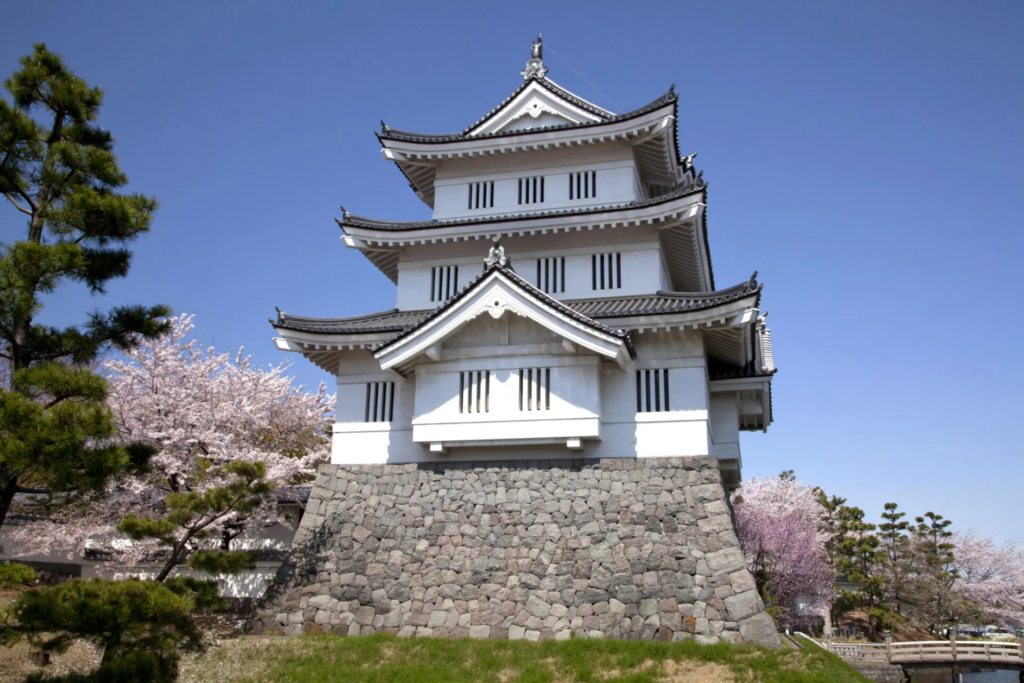
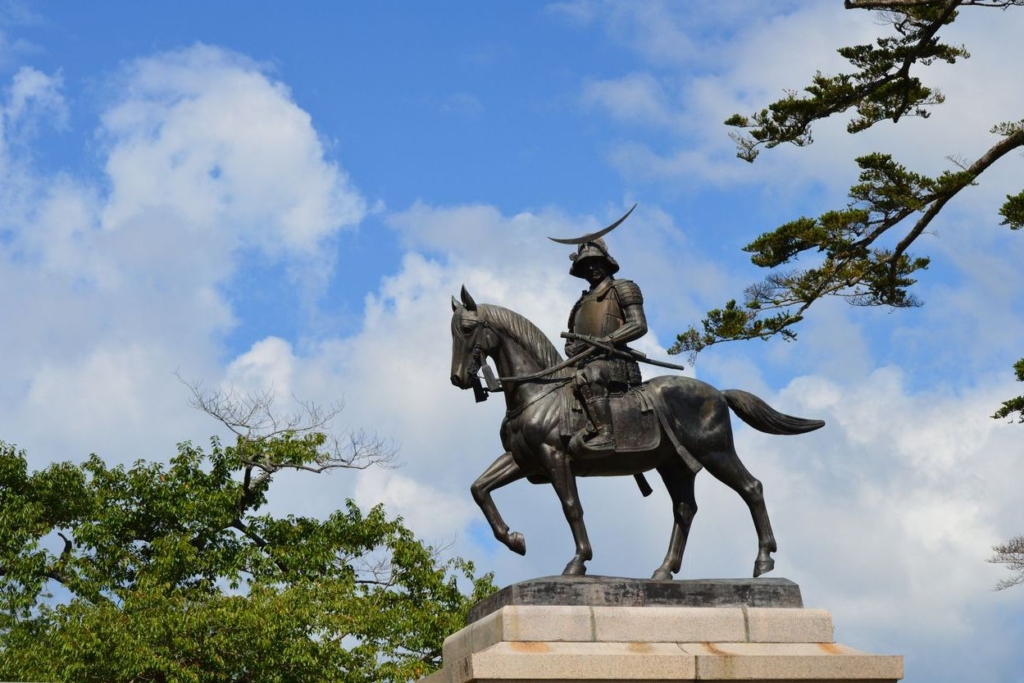
Perched atop Mount Aoba, the Sendai Castle Ruins, also known as Aoba Castle (青葉城, Aoba-jō), offer more than just remnants of a fortress. Though the original castle buildings were lost to time and conflict, the site remains a powerful testament to the vision of Date Masamune, the legendary one-eyed samurai lord who founded Sendai in the early 17th century. Visitors can walk along the impressive stone walls, which once formed the formidable defenses of this strategic stronghold.
The highlight for many is the equestrian statue of Date Masamune, gazing out over the city he created. From this vantage point, you’ll be treated to breathtaking panoramic views of Sendai City, extending to the Pacific Ocean on clear days. Within the castle grounds, the Aoba Castle Museum provides insights into the castle’s history and the Date clan, showcasing artifacts and digital reconstructions of the original structure.
2.Zuihoden Mausoleum
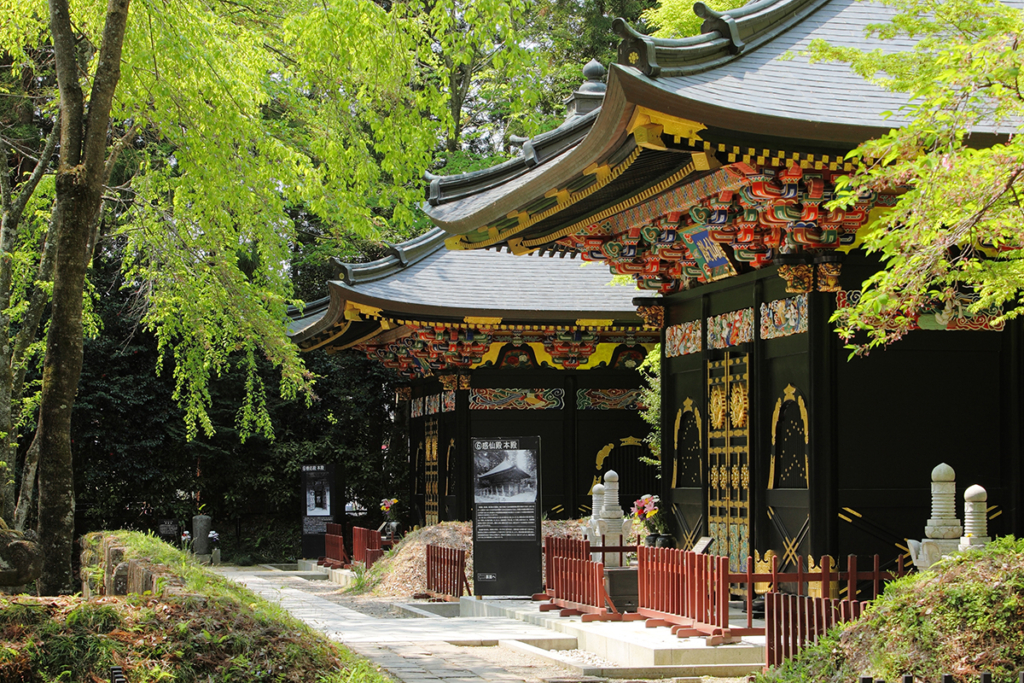
A short distance from the city center lies Zuihoden Mausoleum (瑞鳳殿), the ornate resting place of Date Masamune. Constructed in 1637, this lavish mausoleum exemplifies the opulent Momoyama architectural style, characterized by vibrant colors, intricate carvings, and extensive use of gold leaf. After its destruction during World War II, Zuihoden was meticulously reconstructed to its original grandeur, preserving its historical and artistic significance. The complex also houses the mausoleums of Masamune’s successors, Date Tadamune and Date Tsunamune, known as Kansenden and Zennoden, respectively. Surrounded by a serene cedar forest, a visit to Zuihoden offers a peaceful retreat and a deep dive into the spiritual and artistic heritage of the Date clan.
3.Jozenji-dori Avenue
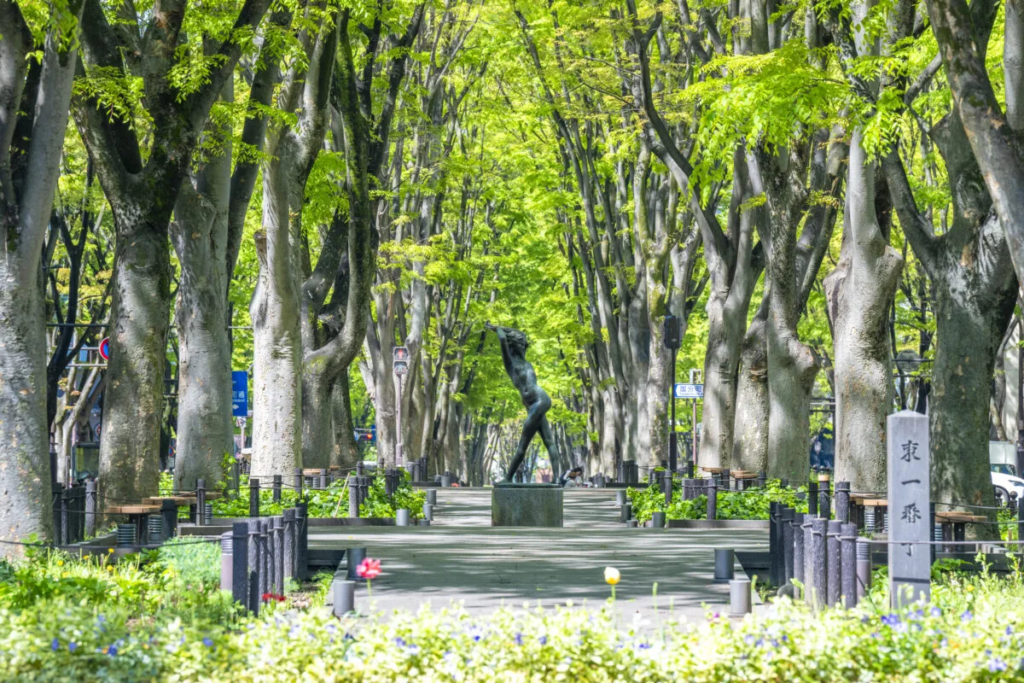
Jozenji-dori Avenue (定禅寺通り) is Sendai’s iconic tree-lined boulevard, a true urban oasis that embodies the city’s nickname. This picturesque street is famous for its rows of zelkova trees that form a lush canopy, creating a refreshing atmosphere throughout the year. The avenue is adorned with elegant sculptures by renowned artists, including Emilio Greco and Giacomo Manzù, lending it a sophisticated, European feel.
3. Summary
Sendai is one of the best places to experience Japan’s hidden charm. It blends samurai history, a welcoming green cityscape, and easy access to nature, making it a refreshing and memorable destination for any traveler.
If you’re ready to dive even deeper into what makes Sendai unforgettable, the next step is exploring its incredible local cuisine. From its legendary gyutan to sweet and comforting zunda mochi, Sendai’s food scene is packed with flavors you won’t want to miss.
Next…
explore what to eat in Sendai City, and taste the flavors that define the city👉What to eat in Sendai, Japan city?