Travel Blog
-
 Jeffrey Honma
Jan 26 ・
3 min readGreen Tea vs Matcha Tea: What’s the Difference?
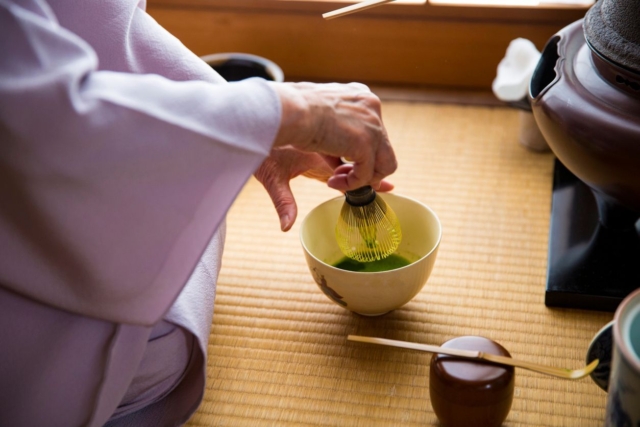
When people hear “Japanese tea,” they often think of green tea or matcha.But what’s the real difference between green tea vs matcha tea? Although both come from the same plant, their growing method, preparation, taste, and health benefits are very different.This guide explains everything clearly—even if you’re new to Japanese tea culture. What Is Green Tea? Green tea is a traditional Japanese tea made by steeping tea leaves in hot water. How Green Tea Is Made Taste Profile In Japan, green tea is far more commonly consumed on a daily basis than matcha.It is enjoyed at home, in offices, and in restaurants, making it an everyday beverage rather than something […]
-
 Jeffrey Honma
Jan 26 ・
5 min readSushi vs. Sashimi vs. Nigiri: Understanding the Delicious Differences
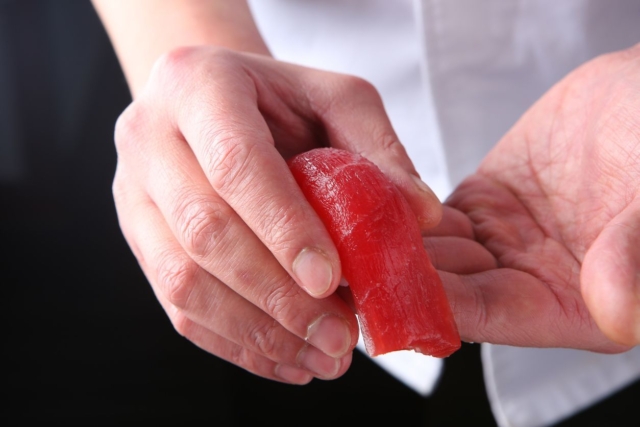
Japanese cuisine has captivated food lovers around the world with its refined flavors, precision, and deep respect for ingredients. Among its most iconic dishes are Sushi, Sashimi, and Nigiri.These terms are often used interchangeably, especially outside Japan, yet they represent distinct culinary traditions, each with its own purpose, structure, and way of being enjoyed. Understanding the differences between nigiri, sashimi, and sushi not only prevents confusion—it dramatically enhances your dining experience. This article breaks down each dish clearly, explores how they are traditionally eaten. What Is Sushi? The Foundation of Vinegared Rice At its core, sushi is defined by vinegared rice, known as shari.Contrary to popular belief, sushi does not […]
-
 Masafumi Yasuda
Jan 26 ・
3 min readEscape to Gunma Ken Japan: Unforgettable Onsen, Scenic Beauty, and Local Delights
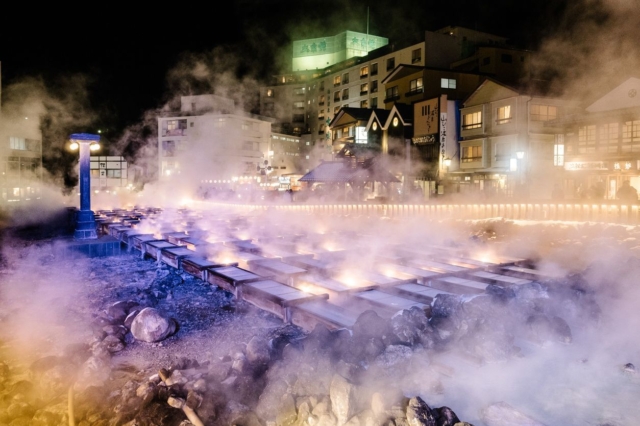
Where Is Gunma Prefecture? Gunma Prefecture is located in the northwestern part of Japan’s Kanto region, just inland from Tokyo. Despite being less than two hours from the capital, Gunma feels like a completely different world—mountainous, spacious, and deeply connected to nature. As a landlocked prefecture surrounded by mountains, Gunma is known for its clean air, abundant water sources, and dramatic landscapes shaped by volcanic activity. Its excellent rail and road connections make it an easy yet rewarding escape for travelers looking to experience a more authentic and tranquil side of Japan. World-Class Hot Springs (Onsen) Gunma is one of Japan’s most renowned onsen prefectures, home to several of the […]
-
 Jeffrey Honma
Dec 22 ・
4 min readKofu, Yamanashi Prefecture, Japan: Where History Meets Nature’s Beauty
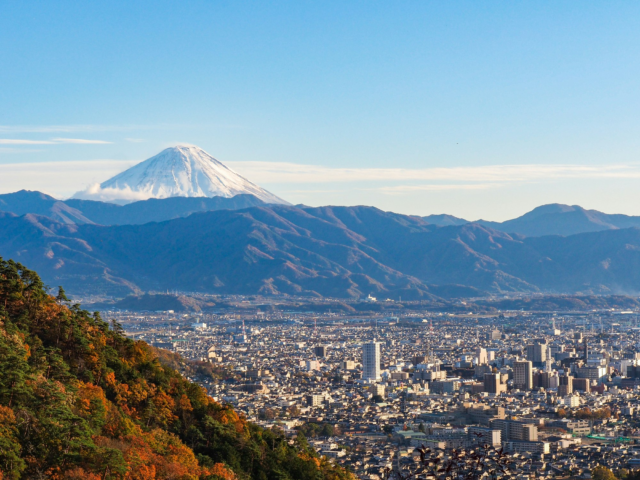
Nestled among the towering peaks of the Southern Japanese Alps, Kofu, Yamanashi Prefecture, Japan offers the perfect blend of natural beauty, cultural depth, and accessibility. Despite its breathtaking landscapes and historical significance, Kofu remains far less crowded than major tourist hubs—yet it is conveniently located just 1.5–2 hours from Tokyo by train. This makes it an ideal destination for travelers seeking authentic Japanese experiences without the overwhelming crowds. Why Visit Kofu in Yamanashi Prefecture Japan Kofu attracts visitors for three core reasons: its powerful samurai history, stunning natural scenery, and world-class food and wine culture. From legendary figures like Takeda Shingen to dramatic mountain views and award-winning vineyards, this region […]
-
 Jeffrey Honma
Dec 22 ・
4 min readOmikuji Fortunes: Understanding Japan’s Sacred Shrine Predictions and Their Cultural Meaning
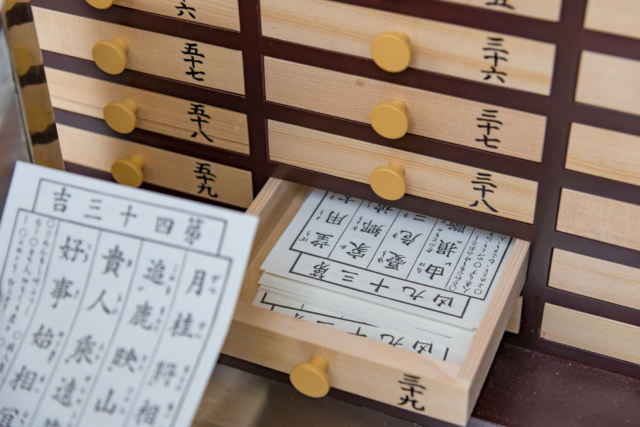
When visiting a Japanese shrine or temple, many people are drawn to one of Japan’s most fascinating spiritual traditions: omikuji fortunes. These small slips of paper offer guidance, inspiration, and reflection, providing insight into health, love, work, travel, and future luck. Far more than simple fortune-telling, omikuji connect visitors to centuries of Japanese spirituality, ritual, and cultural wisdom. What Are Omikuji and Their Purpose? Omikuji are sacred fortune slips found at Shinto shrines and Buddhist temples across Japan. Visitors draw them to receive divine guidance from the kami (deities) or buddhas. Rather than predicting fate absolutely, omikuji fortunes encourage reflection, personal awareness, and mindfulness about life’s direction. People often draw […]
-
 Masafumi Yasuda
Dec 18 ・
5 min readMizuhiki: Discover the Elegant Art of Japanese Knot Tying
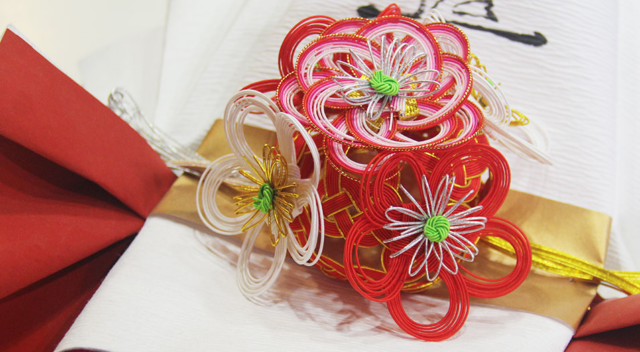
Mizuhiki is a traditional Japanese decorative art that uses intricately tied paper cords to convey meaning. In Japan, mizuhiki has long been used in important moments of life—such as on celebratory money envelopes, condolence envelopes, gift wrapping, and ceremonial decorations. The way the cords are tied and the colors chosen are never random; each combination communicates sentiments such as celebration, gratitude, respect, or mourning without the use of words. At first glance, mizuhiki may appear to be simply a beautiful embellishment for gifts. However, behind its delicate appearance lies a deep cultural system that has been carefully preserved for centuries. Mizuhiki is not merely decoration—it is a symbolic expression of […]
-
 Masafumi Yasuda
Dec 18 ・
4 min readWhat’s the Difference? Kimono vs Yukata Explained for Your Japanese Style
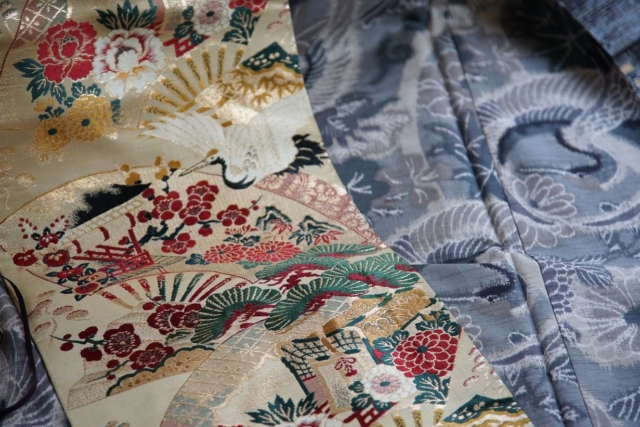
When exploring traditional Japanese clothing, one question often arises: kimono vs yukata — what’s the difference?At first glance, these garments may look similar, but they serve very different purposes in Japanese culture. From formality and fabric to layering and price, understanding the distinctions between a kimono and a yukata helps you choose the right attire for the right occasion. In this guide, we’ll clearly explain what a kimono is, what a yukata is, and how they differ — so you can confidently appreciate and identify each garment. 1.What Is a Kimono? A kimono is Japan’s most iconic traditional garment and represents formality, tradition, and craftsmanship. The word “kimono” literally means […]
-
 Jeffrey Honma
Dec 15 ・
3 min readShrine vs Temple in Japan: What’s the Difference?
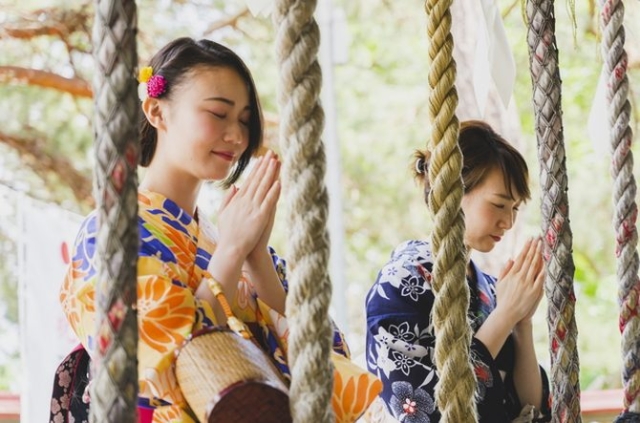
If you’re traveling in Japan, you’ll often see shrines and temples—sometimes even in the same neighborhood. While they may look similar at first glance, they belong to different religions and serve distinct cultural roles. Understanding the difference between a Shinto shrine and a Buddhist temple will deepen your appreciation of Japanese history, spirituality, and daily life. This guide explains the key differences clearly and simply, making it perfect for first-time visitors and culture enthusiasts alike. The Fundamental Difference Between Shrines and Temples The most important distinction is religion. From this difference stem variations in architecture, worship style, and purpose. What Is a Shinto Shrine? A Shinto shrine is a sacred […]
-
 Masafumi Yasuda
Dec 4 ・
4 min readWhat is the Maneki Neko Meaning? Understanding the Iconic Japanese Lucky Cat
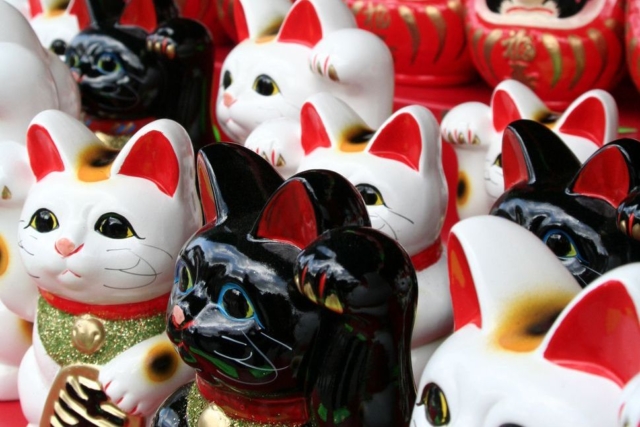
Originating from legends at Gotokuji Temple and Imado Shrine, the Maneki Neko’s features each carry symbolic meaning. The raised paw, its color, and the objects it holds can all represent different types of good fortune—whether inviting more customers, improving financial luck, offering protection, or bringing general prosperity. More than just a decorative figure, the Maneki Neko is treasured as a talisman believed to bring luck, success, and harmony to those who welcome it into their space. Now, let’s take a closer look at what each feature represents. The Origins and Legends of the Maneki Neko While the Maneki Neko is widely known as a symbol of luck, its true origins […]
-
 Jeffrey Honma
Nov 24 ・
4 min readDiscover Little Edo: Your Guide to Historic Kawagoe City, Japan
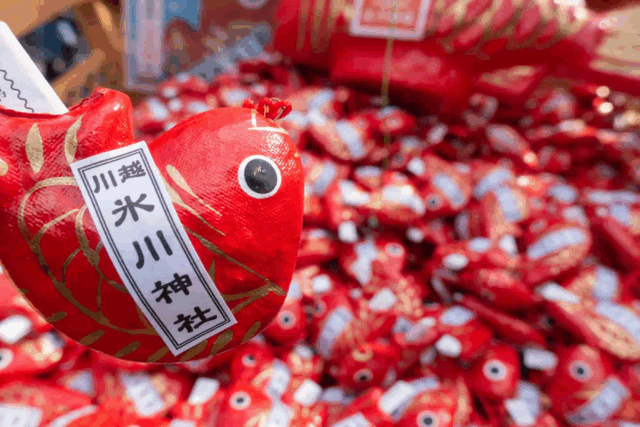
Located in Saitama Prefecture, Kawagoe is a popular destination where the atmosphere of the Edo period still lingers, despite being only a short distance from central Tokyo. Affectionately known as “Little Edo” (Koedo), this nickname is far more than a marketing phrase — it reflects the city’s rare ability to preserve Edo-period architecture, culture, and traditional streetscapes to this day. During the Edo period, Kawagoe prospered as a castle town and an important commercial hub connected to Edo (modern-day Tokyo) via river transport. Its economic success enabled the construction of numerous kurazukuri (fire-resistant warehouse-style merchant buildings), many of which have remarkably survived for centuries and continue to define the city’s […]