Travel Blog
-
 Jeffrey Honma
Jan 26 ・
3 min readGreen Tea vs Matcha Tea: What’s the Difference?
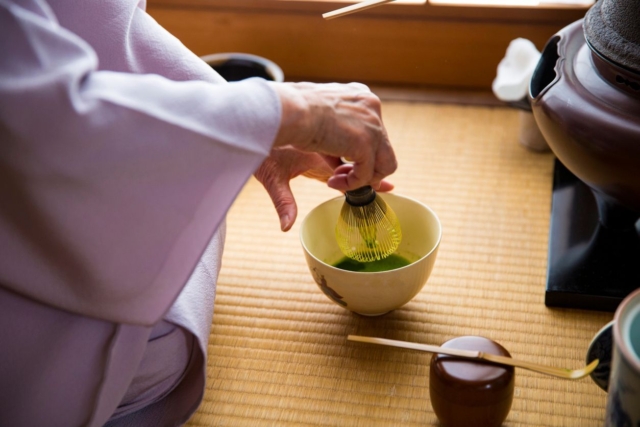
When people hear “Japanese tea,” they often think of green tea or matcha.But what’s the real difference between green tea vs matcha tea? Although both come from the same plant, their growing method, preparation, taste, and health benefits are very different.This guide explains everything clearly—even if you’re new to Japanese tea culture. What Is Green Tea? Green tea is a traditional Japanese tea made by steeping tea leaves in hot water. How Green Tea Is Made Taste Profile In Japan, green tea is far more commonly consumed on a daily basis than matcha.It is enjoyed at home, in offices, and in restaurants, making it an everyday beverage rather than something […]
-
 Jeffrey Honma
Jan 26 ・
5 min readSushi vs. Sashimi vs. Nigiri: Understanding the Delicious Differences
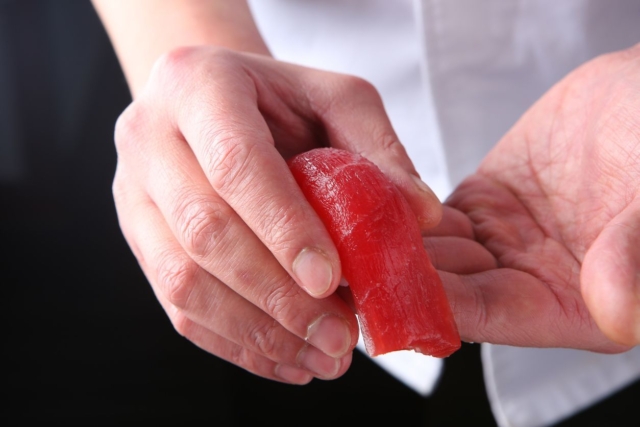
Japanese cuisine has captivated food lovers around the world with its refined flavors, precision, and deep respect for ingredients. Among its most iconic dishes are Sushi, Sashimi, and Nigiri.These terms are often used interchangeably, especially outside Japan, yet they represent distinct culinary traditions, each with its own purpose, structure, and way of being enjoyed. Understanding the differences between nigiri, sashimi, and sushi not only prevents confusion—it dramatically enhances your dining experience. This article breaks down each dish clearly, explores how they are traditionally eaten. What Is Sushi? The Foundation of Vinegared Rice At its core, sushi is defined by vinegared rice, known as shari.Contrary to popular belief, sushi does not […]
-
 Jeffrey Honma
Dec 22 ・
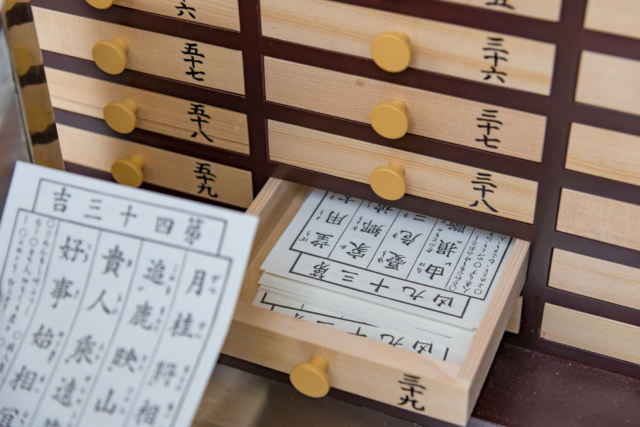
4 min readOmikuji Fortunes: Understanding Japan’s Sacred Shrine Predictions and Their Cultural Meaning
When visiting a Japanese shrine or temple, many people are drawn to one of Japan’s most fascinating spiritual traditions: omikuji fortunes. These small slips of paper offer guidance, inspiration, and reflection, providing insight into health, love, work, travel, and future luck. Far more than simple fortune-telling, omikuji connect visitors to centuries of Japanese spirituality, ritual, and cultural wisdom. What Are Omikuji and Their Purpose? Omikuji are sacred fortune slips found at Shinto shrines and Buddhist temples across Japan. Visitors draw them to receive divine guidance from the kami (deities) or buddhas. Rather than predicting fate absolutely, omikuji fortunes encourage reflection, personal awareness, and mindfulness about life’s direction. People often draw […]
-
 Masafumi Yasuda
Dec 18 ・
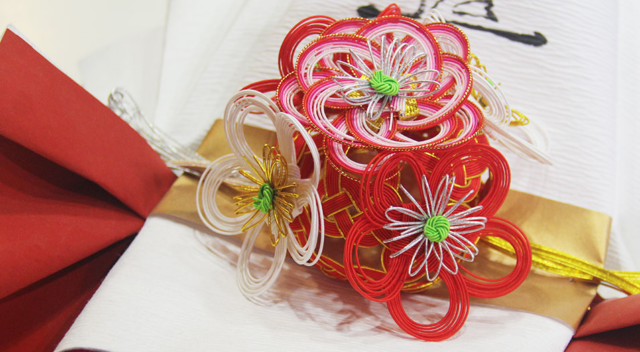
5 min readMizuhiki: Discover the Elegant Art of Japanese Knot Tying
Mizuhiki is a traditional Japanese decorative art that uses intricately tied paper cords to convey meaning. In Japan, mizuhiki has long been used in important moments of life—such as on celebratory money envelopes, condolence envelopes, gift wrapping, and ceremonial decorations. The way the cords are tied and the colors chosen are never random; each combination communicates sentiments such as celebration, gratitude, respect, or mourning without the use of words. At first glance, mizuhiki may appear to be simply a beautiful embellishment for gifts. However, behind its delicate appearance lies a deep cultural system that has been carefully preserved for centuries. Mizuhiki is not merely decoration—it is a symbolic expression of […]
-
 Masafumi Yasuda
Dec 18 ・
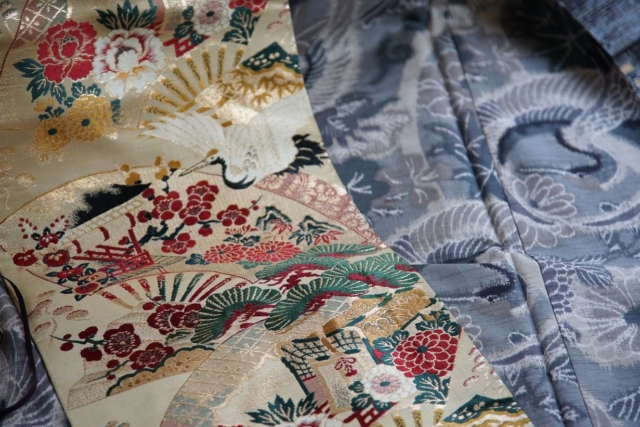
4 min readWhat’s the Difference? Kimono vs Yukata Explained for Your Japanese Style
When exploring traditional Japanese clothing, one question often arises: kimono vs yukata — what’s the difference?At first glance, these garments may look similar, but they serve very different purposes in Japanese culture. From formality and fabric to layering and price, understanding the distinctions between a kimono and a yukata helps you choose the right attire for the right occasion. In this guide, we’ll clearly explain what a kimono is, what a yukata is, and how they differ — so you can confidently appreciate and identify each garment. 1.What Is a Kimono? A kimono is Japan’s most iconic traditional garment and represents formality, tradition, and craftsmanship. The word “kimono” literally means […]
-
 Jeffrey Honma
Dec 15 ・
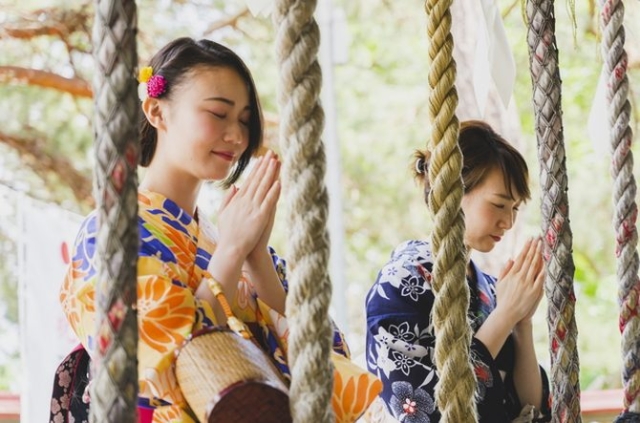
3 min readShrine vs Temple in Japan: What’s the Difference?
If you’re traveling in Japan, you’ll often see shrines and temples—sometimes even in the same neighborhood. While they may look similar at first glance, they belong to different religions and serve distinct cultural roles. Understanding the difference between a Shinto shrine and a Buddhist temple will deepen your appreciation of Japanese history, spirituality, and daily life. This guide explains the key differences clearly and simply, making it perfect for first-time visitors and culture enthusiasts alike. The Fundamental Difference Between Shrines and Temples The most important distinction is religion. From this difference stem variations in architecture, worship style, and purpose. What Is a Shinto Shrine? A Shinto shrine is a sacred […]
-
 Masafumi Yasuda
Nov 13 ・
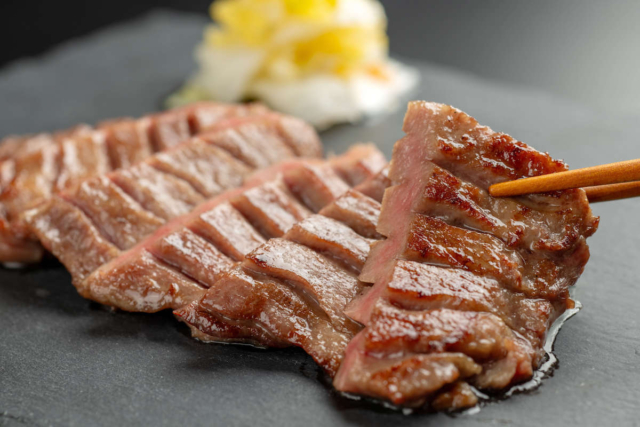
4 min readWhat to eat in Sendai, Japan city?
A Taste of Sendai Japan Famous Cuisine Sendai, the largest city in the Tohoku region, is not only a hub of history and culture but also a delightful destination for food enthusiasts. Its fertile lands and proximity to the Pacific Ocean mean visitors can savor a wide array of fresh ingredients, from pristine seafood to locally grown agricultural products. The city’s culinary identity is distinct, offering unique flavors that are deeply rooted in local traditions. Beyond its most famous dishes, Sendai’s food scene thrives with bustling markets, charming izakayas, and modern eateries, all showcasing the region’s rich gastronomic heritage. 1.Gyutan The Signature Dish of Sendai When in Sendai, one dish […]
-
 Masafumi Yasuda
Nov 6 ・
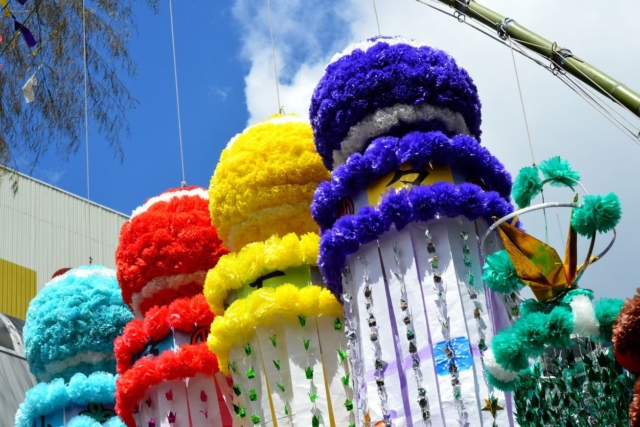
5 min readWhy Visit Sendai City, Japan?
Planning your next unforgettable journey to Japan? This comprehensive guide to Sendai City is your ultimate resource for discovering why this captivating destination, often called the ‘City of Trees,’ perfectly blends rich samurai history, vibrant urban culture, and breathtaking natural landscapes. By the end of this article, you will gain a deep understanding of Sendai’s unique appeal, from exploring iconic landmarks like the Sendai Castle Ruins and Zuihoden Mausoleum to savoring its renowned local cuisine, including the famous Gyutan and delightful Zunda Mochi. We’ll ensuring you’re fully prepared to experience the very best of Sendai and the Tohoku region. 1.Why Sendai City Should Be Your Next Japan Destination Nestled in […]