Travel Blog
-
 Masafumi Yasuda
Dec 18 ・
5 min readMizuhiki: Discover the Elegant Art of Japanese Knot Tying
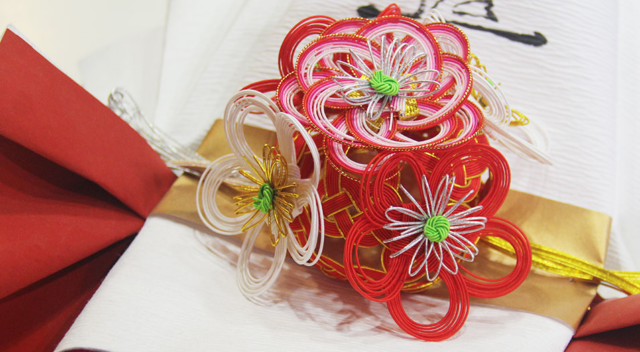
Mizuhiki is a traditional Japanese decorative art that uses intricately tied paper cords to convey meaning. In Japan, mizuhiki has long been used in important moments of life—such as on celebratory money envelopes, condolence envelopes, gift wrapping, and ceremonial decorations. The way the cords are tied and the colors chosen are never random; each combination communicates sentiments such as celebration, gratitude, respect, or mourning without the use of words. At first glance, mizuhiki may appear to be simply a beautiful embellishment for gifts. However, behind its delicate appearance lies a deep cultural system that has been carefully preserved for centuries. Mizuhiki is not merely decoration—it is a symbolic expression of […]
-
 Masafumi Yasuda
Dec 18 ・
4 min readWhat’s the Difference? Kimono vs Yukata Explained for Your Japanese Style
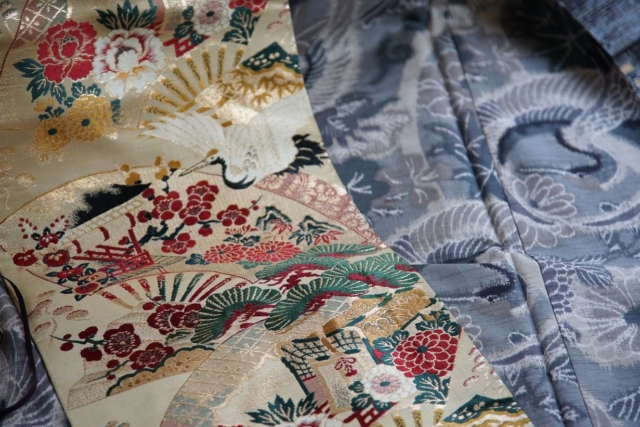
When exploring traditional Japanese clothing, one question often arises: kimono vs yukata — what’s the difference?At first glance, these garments may look similar, but they serve very different purposes in Japanese culture. From formality and fabric to layering and price, understanding the distinctions between a kimono and a yukata helps you choose the right attire for the right occasion. In this guide, we’ll clearly explain what a kimono is, what a yukata is, and how they differ — so you can confidently appreciate and identify each garment. 1.What Is a Kimono? A kimono is Japan’s most iconic traditional garment and represents formality, tradition, and craftsmanship. The word “kimono” literally means […]
-

 Jeffrey Honma
Dec 18 ・
4 min readEchizen, Fukui, Japan: Unveiling the Authentic Heart of Japanese Culture
Why Visit Echizen, Fukui, Japan Echizen, Fukui, Japan is a region where centuries of tradition continue to shape everyday life. Located along the Sea of Japan, Echizen offers a rare opportunity to experience an authentic side of Japan—far removed from crowded tourist centers, yet deeply connected to the country’s cultural roots. Known for its world-class traditional crafts, powerful samurai history, and a natural environment that produces exceptional food, Echizen represents a harmonious balance between people, nature, and heritage. From ancient kilns and handmade paper workshops to historic castle towns and fertile seas, Echizen Fukui Japan invites travelers to slow down and discover the essence of Japanese culture. 1.Timeless Traditional Crafts […]
-
 Jeffrey Honma
Dec 15 ・
4 min readWhy Joetsu, Niigata, Japan Is Your Next Must-Visit Destination
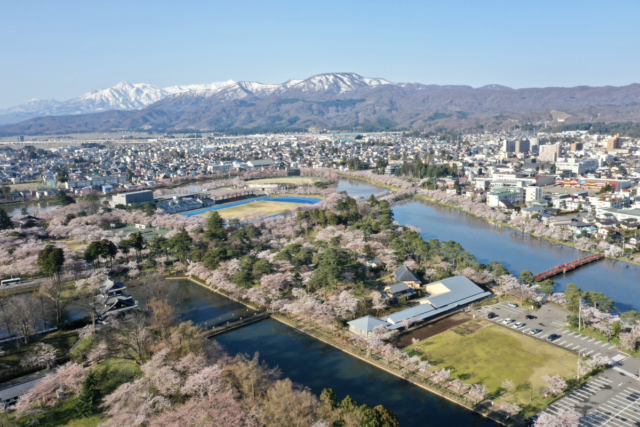
Located along the Sea of Japan, Joetsu, Niigata, Japan is a destination where history, seasonal beauty, and traditional culture come together. Often overlooked in favor of larger cities, Joetsu rewards travelers with uncrowded landscapes, deep historical roots, and some of Niigata’s finest food and sake. Here are five highlights that define the charm of Joetsu. 1.Takada Castle Park: One of Japan’s Most Beautiful Sakura Spots Takada Castle Park is the historical heart of Joetsu, Niigata, Japan and one of the country’s most celebrated cherry blossom destinations. Built during the Edo period, the castle grounds transform each spring as over 4,000 cherry trees bloom around the moats. At night, illuminated sakura […]
-
 Jeffrey Honma
Dec 15 ・
3 min readShrine vs Temple in Japan: What’s the Difference?
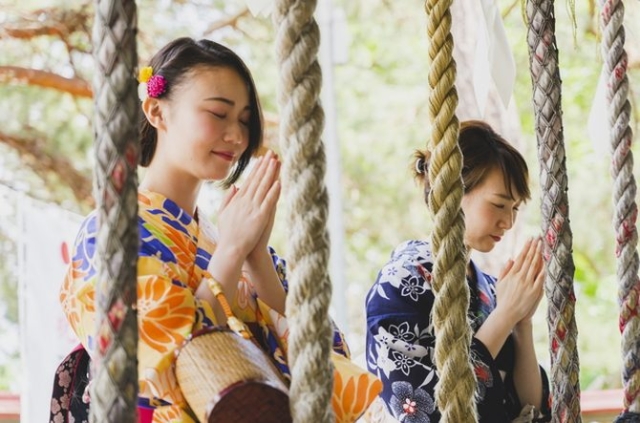
If you’re traveling in Japan, you’ll often see shrines and temples—sometimes even in the same neighborhood. While they may look similar at first glance, they belong to different religions and serve distinct cultural roles. Understanding the difference between a Shinto shrine and a Buddhist temple will deepen your appreciation of Japanese history, spirituality, and daily life. This guide explains the key differences clearly and simply, making it perfect for first-time visitors and culture enthusiasts alike. The Fundamental Difference Between Shrines and Temples The most important distinction is religion. From this difference stem variations in architecture, worship style, and purpose. What Is a Shinto Shrine? A Shinto shrine is a sacred […]
-
 Masafumi Yasuda
Dec 15 ・
4 min readWhy Visit Kyoto in February? Embrace Winter’s Serenity & Authentic Japan
February is one of Kyoto’s most underrated seasons. While spring and autumn draw massive crowds, Kyoto in February offers something far more intimate: fewer tourists, seasonal traditions, and breathtaking winter scenery. From ancient rituals marking the arrival of spring to snow-dusted temples and early plum blossoms, this is a month for travelers who value depth over spectacle. Below are five unforgettable experiences that make Kyoto in February truly special. 1.Setsubun Festivals at Yoshida Shrine and Yasaka Shrine February begins with Setsubun, a traditional event held around February 3rd that symbolically drives away evil spirits and welcomes good fortune. In Kyoto, two of the most atmospheric celebrations take place at Yoshida […]
-
 Masafumi Yasuda
Dec 11 ・
5 min readPlanning Your Magical Autumn Trip to Kyoto, Japan
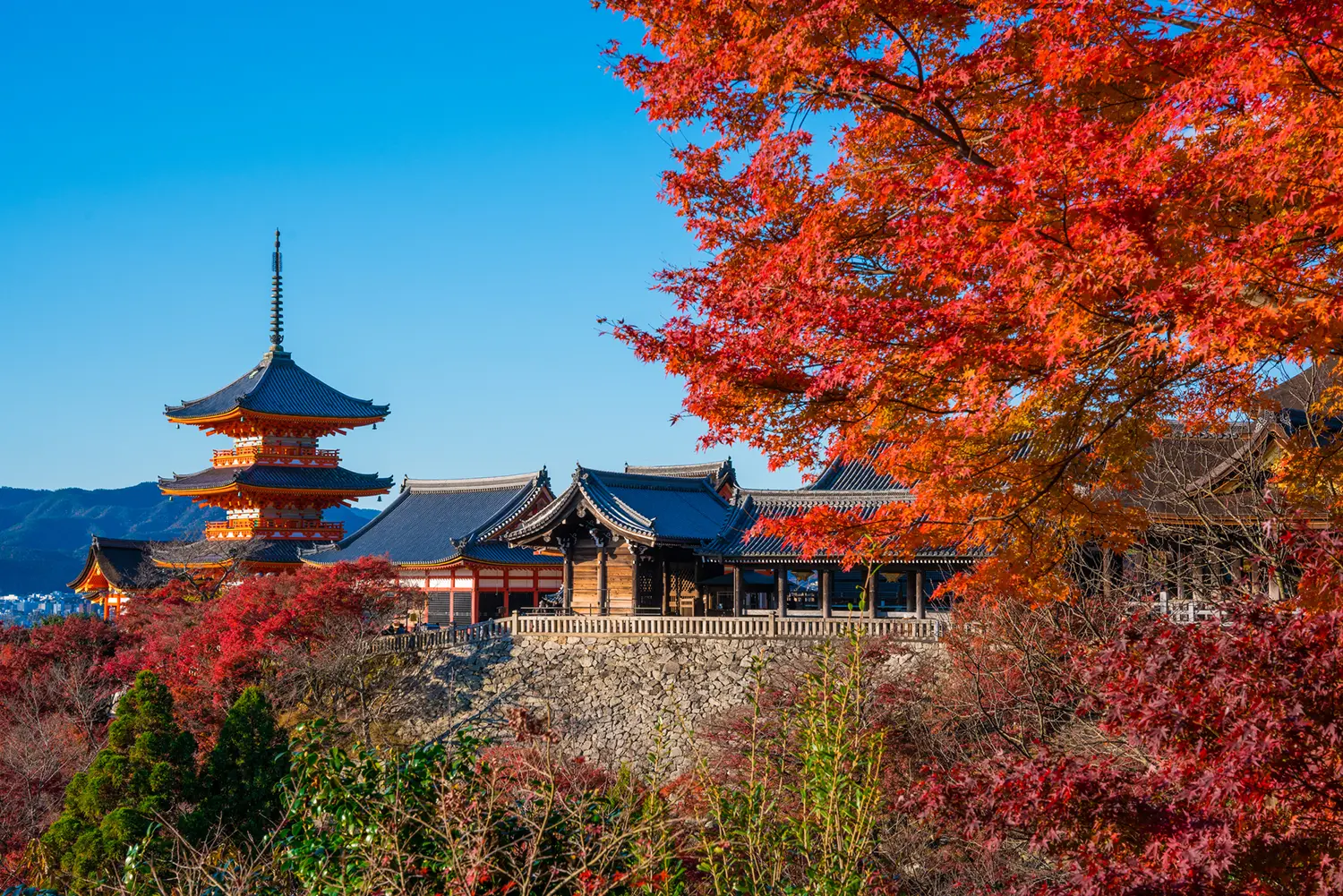
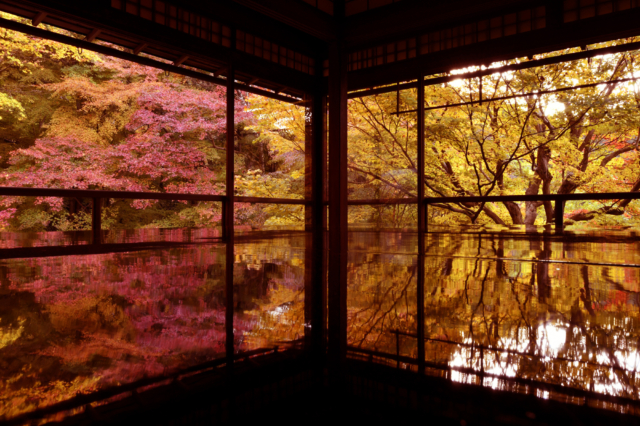
During autumn, Kyoto transforms into a breathtaking spectacle, attracting visitors from around the world. The city’s rich history and traditional architecture provide the perfect backdrop for the vibrant koyo (autumn leaves). From late October to early December, the landscape is filled with fiery reds, oranges, and golden yellows, primarily from maple and ginkgo trees. Picture ancient temples and serene gardens surrounded by brilliant foliage, creating a peaceful atmosphere. The crisp autumn air and clear skies enhance the beauty, making every view postcard-perfect. Kyoto’s natural beauty during this season perfectly complements its timeless charm, offering an unparalleled aesthetic experience. In this article, we will explore the top 5 spots in Kyoto […]
-
 Jeffrey Honma
Dec 11 ・
4 min readThe Ultimate Guide to Kyoto Cherry Blossoms: Top5 Viewing Spots & Times
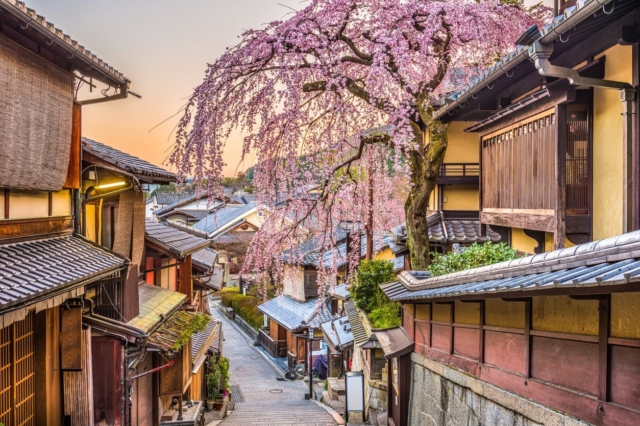
Each spring, Kyoto undergoes a spectacular transformation as its iconic cherry blossoms, known as sakura, bloom. This fleeting yet profound beauty is deeply rooted in Japanese culture, drawing visitors from around the world. The tradition of hanami in Kyoto offers a unique experience, with centuries-old temples, serene gardens, and riverside paths providing breathtaking backdrops for the delicate flowers. The cherry blossom season in Kyoto is not just a visual delight but a cultural experience, reflecting the transient nature of life, and is enriched by the city’s blend of historical architecture and natural beauty. In the following, we will explore the top 5 cherry blossom viewing spots in Kyoto and the […]
-
 Masafumi Yasuda
Dec 4 ・
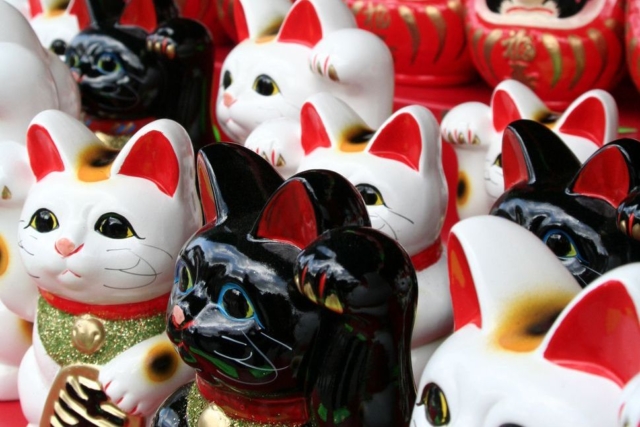
4 min readWhat is the Maneki Neko Meaning? Understanding the Iconic Japanese Lucky Cat
Originating from legends at Gotokuji Temple and Imado Shrine, the Maneki Neko’s features each carry symbolic meaning. The raised paw, its color, and the objects it holds can all represent different types of good fortune—whether inviting more customers, improving financial luck, offering protection, or bringing general prosperity. More than just a decorative figure, the Maneki Neko is treasured as a talisman believed to bring luck, success, and harmony to those who welcome it into their space. Now, let’s take a closer look at what each feature represents. The Origins and Legends of the Maneki Neko While the Maneki Neko is widely known as a symbol of luck, its true origins […]
-
 Masafumi Yasuda
Dec 4 ・
3 min readStep into the heart of old Japan in Hida Takayama Japan
When you visit Hida Takayama Japan, located in the northern part of Gifu Prefecture, you will find a town where traditional architecture, living culture, and unforgettable cuisine come together in perfect harmony. Here are four immersive experiences that will help you fully appreciate the spirit of this mountain town. 1.Stroll Through the Historic Old Town and Step Back to the Edo Period The historic district of Sanmachi Suji retains the authentic atmosphere of the Edo period, allowing visitors to feel as though they’ve slipped into the past. Along the narrow streets, rows of elegant wooden merchant houses feature traditional latticework, while the round cedar balls hanging in front of sake […]